Minatoya Sakitsu Museum

Minatoya Sakitsu Museum

Sightseeing
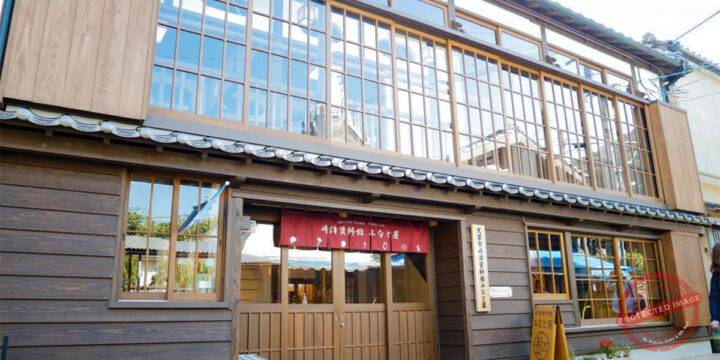
Experience the authentic maritime heritage of the Minatoya Sakitsu Museum, a restored residence showcasing the unique intersection of fishing traditions and hidden faith.The Sakitsu Museum, housed in a meticulously restored building from the early Showa period, serves as a vital cultural repository for the village of Sakitsu, which is part of a UNESCO World Heritage site. Originally a traditional Japanese inn, the structure itself reflects the architectural character of the region, utilizing local timber and craftsmanship that harmonize with the village’s narrow, historic streets known as "kake". The museum documents the transition of the community from the era of religious prohibition through to its modern maritime identity. Within its walls, the collection features a curated selection of historical artifacts and photographs that illustrate the dual life of the villagers. For…
Read More
Sakitsu Church

Sakitsu Church

Sightseeing
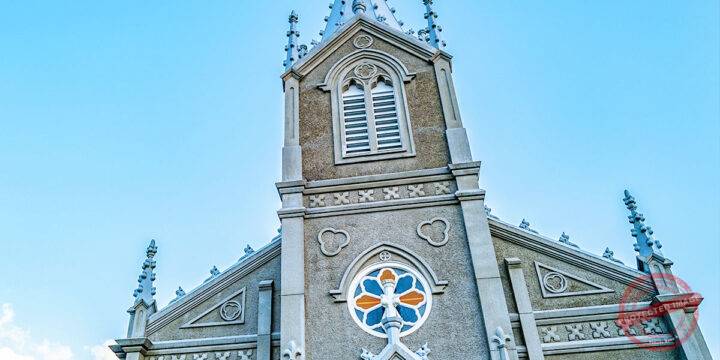
A stunning Gothic-style UNESCO World Heritage site in Amakusa, uniquely built over the site of the efumi (image-trampling) trials to symbolize the triumph of faith.Sakitsu Church is a centerpiece of the UNESCO World Heritage "Hidden Christian Sites in the Nagasaki Region". Located in a quiet fishing village in Amakusa, this church is an architectural and historical marvel. While the current structure was completed in 1934, its roots go back to the 1880s when missionaries first began re-establishing contact with the local Hidden Christian community. The church was designed and built by the legendary architect Yosuke Tetsukawa, often called the "Father of Church Architecture" in Japan. It is world-renowned for its "Gothic on the Sea" aesthetic. Inside, the floor is covered in tatami mats, a rare feature that reflects how the…
Read More
Amakusa Rosario-kan

Amakusa Rosario-kan

Sightseeing
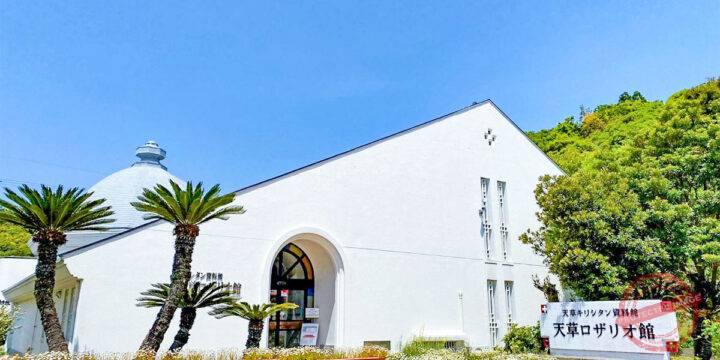
Discover the profound cultural heritage of the Amakusa Rosario Museum, a sanctuary dedicated to the artistry and resilient history of the region’s hidden Christian communities.The Amakusa Rosario Museum stands as a testament to the period of religious prohibition in Japan, specifically focusing on the 17th through 19th centuries. During this era, the "Kakure Kirishitan" (hidden Christians) maintained their heritage through the use of devotional objects disguised as common household items. The museum’s collection is defined by its assembly of intricately crafted rosaries, some fashioned from local materials and others influenced by European imports, which served as silent anchors of identity for generations. The craftsmanship on display reveals a sophisticated blend of Western iconography and Japanese aesthetic sensibilities. Many items were designed with hidden symbols, demonstrating the remarkable ingenuity required to…
Read More
Myokenura Observation

Myokenura Observation

Sightseeing
Survey the dramatic geological theater of Myokenura, a nationally designated Place of Scenic Beauty that showcases the raw power of volcanic activity and marine erosion along the Amakusa coast.The observation area is architecturally defined by its high-altitude vantage point, which provides an authoritative perspective on the rugged cliffs and sea caves that populate this stretch of the East China Sea. The landscape is characterized by its white rhyolite rock formations, which contrast sharply against the deep cobalt blue of the water. One of the most distinctive features is a large sea-eroded rock that resembles a colossal elephant wading into the ocean, a sight that has been a staple of regional travel records for centuries. The site is part of the Unzen-Amakusa National Park, and its disciplined hiking trails allow for…
Read More
Dolphin Watching Cruise

Dolphin Watching Cruise

Sightseeing
Amakusa provides a premier marine environment for observing wild Indo-Pacific bottlenose dolphins within their natural habitat along the scenic coast of Kumamoto Prefecture.The waters surrounding the Itsuwa district are home to a resident population of approximately 300 dolphins, a phenomenon supported by the nutrient-rich currents of the Hayasaki Strait. This area has long served as a vital ecological corridor, where the proximity of the mountains to the sea creates a unique underwater topography. Unlike migratory pods, these dolphins remain in the local waters year-round, which has fostered a remarkably calm and non-confrontational relationship between the marine life and local vessels. The tradition of the sea in Amakusa is deeply intertwined with this coexistence, as the dolphins have been a constant presence for generations of local fishing communities. The experience is…
Read More
Unzen Hot Spring Hell Valley Tour

Unzen Hot Spring Hell Valley Tour

Sightseeing
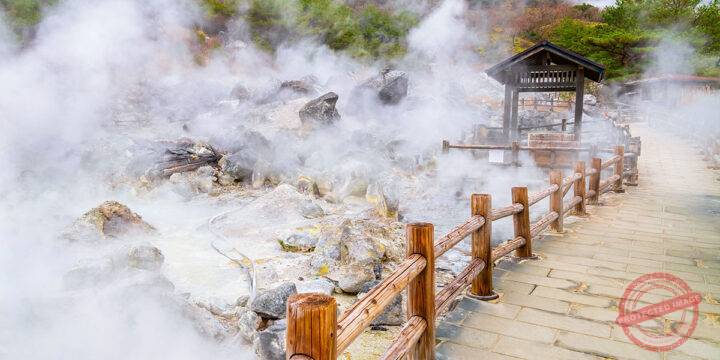
The Unzen Jigoku, or Unzen Hell, is a premier geothermal landscape that offers a powerful and evocative encounter with the earth's volcanic energy.The area is architecturally and geologically defined by its stark, white-crusted ground and over 30 distinct steaming vents. This landscape is the result of high-temperature volcanic gases and steam rising from the magma chamber beneath the Chijiwa Caldera, creating a surreal environment that has fascinated visitors for centuries. The site is crisscrossed by a disciplined network of stone walkways and observation decks, allowing for a controlled exploration of the active "hells", such as the "Daikyoku Jigoku" (Great Shout Hell), which is known for the intense sound of its escaping steam. The significance of the site is defined by its dramatic white steam vents and bubbling mud pools that…
Read More
Monument to the Unzen Hell Martyrdom Site

Monument to the Unzen Hell Martyrdom Site

Sightseeing
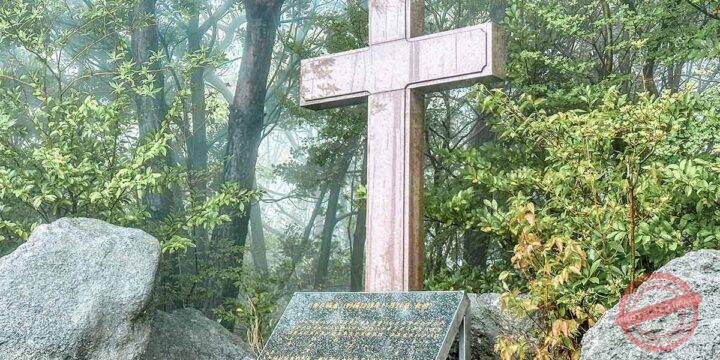
The Monument to the Unzen Hell Martyrdom Site honors the 17th-century believers who maintained their faith amidst the region’s scorching geothermal springs.Unzen Jigoku, or "Unzen Hell", is a landscape of stark natural beauty that belies a somber chapter in the history of the Shimabara Peninsula. Between 1627 and 1631, the region’s boiling geothermal springs were utilized as a site of extreme duress for Christians during the height of the Tokugawa Shogunate’s prohibitions. Historical records detail the suffering of individuals who refused to renounce their religious identity, most notably Paulo Uchibori and fifteen of his companions. Today, the site is marked by a dignified stone monument that serves as a focal point for historical reflection. The martyrs of Unzen are formally recognized among the 188 Blessed Martyrs of Japan, a distinction…
Read More
Yanagawa River Boat Ride

Yanagawa River Boat Ride

Sightseeing
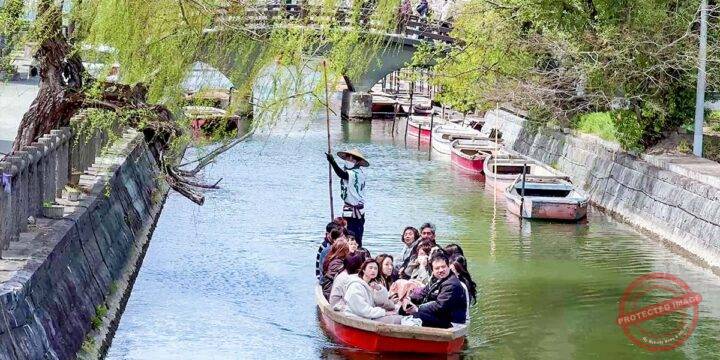
Embrace the refined tranquility of the Yanagawa River Boat Ride, a traditional "Kawa-kudari" (down-river) excursion through the intricate canal network of a historic castle town known as the "Venice of Kyushu".The waterways are architecturally and historically defined by their origin as a sophisticated moat system for Yanagawa Castle, established during the Edo period. These canals, spanning over 470 kilometers, were engineered with a disciplined approach to water management, serving for irrigation, flood control, and defense. The boat journey is conducted on flat-bottomed "donko-bune", which are expertly navigated by boatmen using a single bamboo pole. This rhythmic and manual mode of transport allows for a quiet transition through low stone bridges and past "namako-kabe" (diamond-patterned) storehouses, reflecting the structural elegance of a preserved samurai district. The significance of the boat ride…
Read More
Kashiragashima Cathedral

Kashiragashima Cathedral

Sightseeing
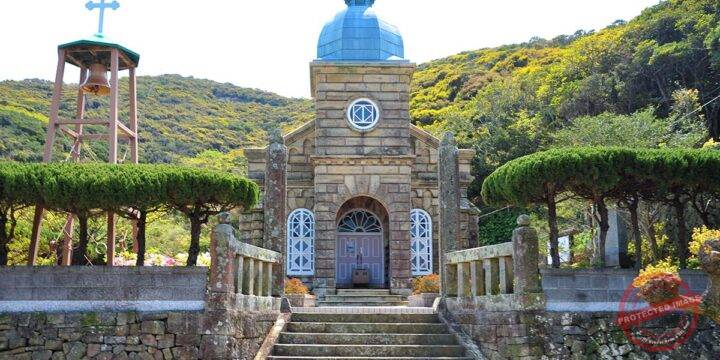
A rare stone masterpiece and UNESCO World Heritage site, built by a resilient island community following the end of religious persecution.Kashiragashima Cathedral stands as a singular architectural achievement in Shinkamigoto, being one of the very few stone churches found in Japan. The island of Kashiragashima has a profound history. Nearly its entire population were Christians who were forced to flee during the "Goto Collapse" persecution. Upon their return, the community dedicated themselves to building a permanent sanctuary. Designed and constructed by the master builder Yosuke Tetsukawa, the cathedral was completed in 1919 using sandstone quarried directly from the island, a process that took over a decade due to the manual labor provided by the parishioners themselves. The cathedral is celebrated for its robust Romanesque exterior, which contrasts beautifully with a…
Read More