Hiroshima Hondori Shopping Street

Hiroshima Hondori Shopping Street

Sightseeing
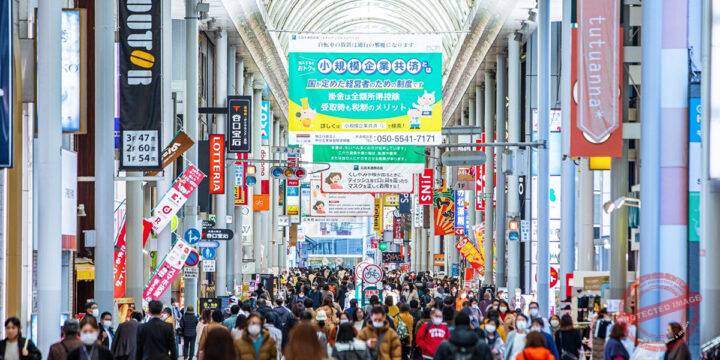
Hondori Shopping Street stands as a monumental commercial artery in the heart of Hiroshima, serving as a vital cultural anchor and a testament to the city’s post-war revival. The arcade is architecturally defined by its 577-meter-long covered pedestrian structure, which provides a disciplined and all-weather environment for over one hundred thousand daily visitors. The layout spans from the east at Hatchobori to the west near the Peace Memorial Park, creating an authoritative link between the city’s primary retail district and its historical center. The craftsmanship of the district is evident in the blend of established local businesses and modern flagship stores, reflecting the rhythmic evolution of Japanese urban commerce.The significance of the street lies in its historical status as a bustling merchant path that was entirely destroyed by the atomic…
Read More
Okonomi Village

Okonomi Village

Sightseeing
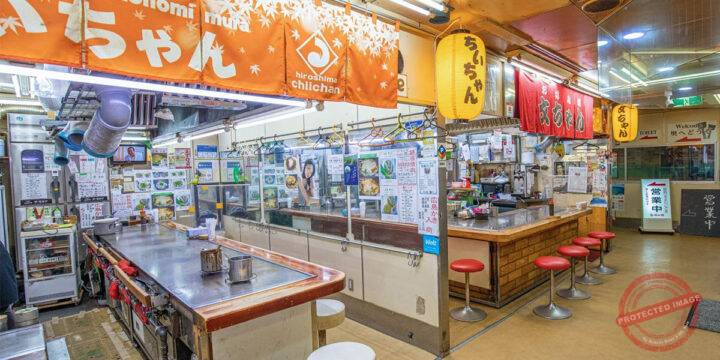
Okonomimura (Okonomi Village) stands as a monumental culinary institution in Hiroshima, serving as a vital cultural anchor for the city’s distinctive okonomiyaki traditions. The site is architecturally defined by its multi-level structure within the Shintenchi district, housing over twenty-five individual stalls that collectively preserve the flavors of the post-war era. The layout is characterized by an open and communal atmosphere where each stall operates independently around a large "teppan" or iron griddle. This creates a disciplined and rhythmic environment where diners can witness the craftsmanship of the chefs at close range. The preparation of Hiroshima-style okonomiyaki is a technical process involving the layering of thin batter, large portions of cabbage, bean sprouts, pork belly, and either soba or udon noodles. This is an authoritative departure from the mixed-style found in Osaka.The…
Read More
Peace Memorial Park and Atomic Bomb Dome

Peace Memorial Park and Atomic Bomb Dome

Sightseeing
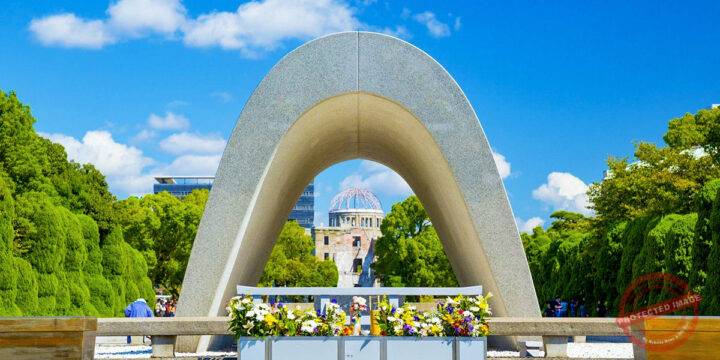
The Hiroshima Peace Memorial Park and the Atomic Bomb Dome stand as a monumental testament to human history, serving as a vital cultural anchor and a global center for the advocacy of international peace. The site is architecturally and topographically defined by the stark skeletal remains of the Hiroshima Prefectural Industrial Promotion Hall, now known as the Atomic Bomb Dome. Designed by Czech architect Jan Letzel and completed in 1915, the building’s reinforced concrete shell survived the 1945 atomic blast because the explosion occurred almost directly above it. The layout of the surrounding park, designed by the authoritative Japanese architect Kenzo Tange, is organized along a central axis that aligns the Dome, the Cenotaph for the A-bomb Victims, and the Peace Memorial Museum. This disciplined spatial arrangement creates a rhythmic…
Read More
Kanka Gorge

Kanka Gorge

Sightseeing
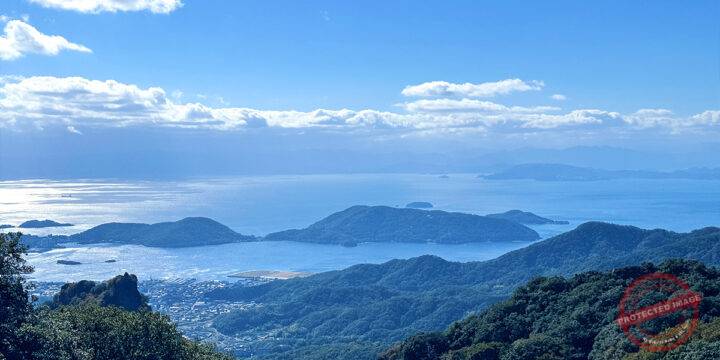
Kanka Gorge stands as a monumental geological masterpiece in the center of Shodoshima, serving as a vital natural anchor and one of the three most celebrated gorges in Japan. The gorge is topographically defined by a dramatic vertical landscape formed by volcanic activity approximately thirteen million years ago. Over millennia, tectonic shifts and relentless erosion have sculpted the andesite and tuff into an authoritative display of jagged cliffs, stone arches, and towering rock pillars. The layout of the site is best experienced via the Kankakei Ropeway, which offers a disciplined perspective of the deep valley from an elevated vantage point. The craftsmanship of nature is evident in the uniquely named rock formations, such as the "Eboshi-iwa" or the "Crane's Beak". These features create a rhythmic and powerful visual narrative of…
Read More
Olive Hill & Greek Windmill

Olive Hill & Greek Windmill

Sightseeing
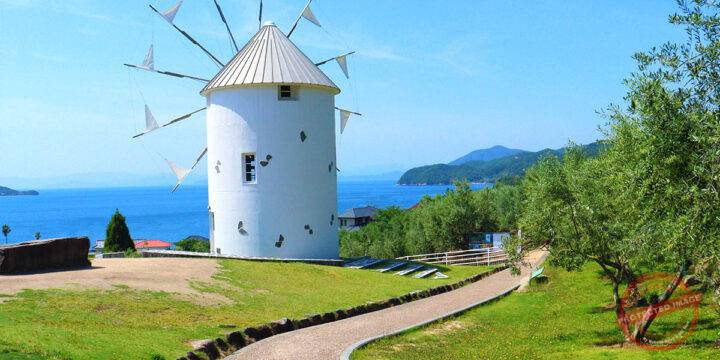
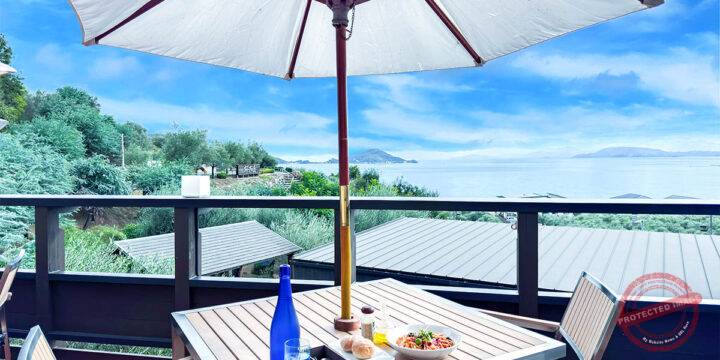
Olive Hill and the Greek Windmill stand as a monumental scenic landmark on Shodoshima, serving as a vital cultural anchor that visually defines the island's identity as the Mediterranean of Japan. The site is architecturally and topographically defined by its elevated position overlooking the calm waters of the Seto Inland Sea. The central feature is a white-plastered windmill featuring wooden sails and a conical roof, which was constructed as a symbol of the sister-island relationship between Shodoshima and the Greek island of Milos. The layout of the surrounding hillside is characterized by terraced olive groves that slope gently toward the coastline. This creates a disciplined and harmonious landscape that mirrors the aesthetic of the Aegean Sea. The craftsmanship of the windmill reflects traditional European design, providing an authoritative contrast to…
Read More
The Oldest Olive Tree In Japan

The Oldest Olive Tree In Japan

Sightseeing
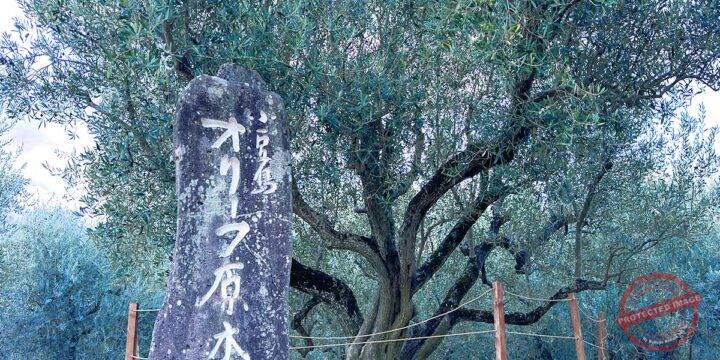
The Oldest Olive Tree in Japan stands as a monumental living relic within the Shodoshima Olive Garden, representing the definitive origin of the nation’s industrial olive cultivation. The tree is architecturally and biologically defined by its gnarled trunk and silver-green canopy, which have been meticulously maintained for over a century. Originally part of a shipment of 1,220 saplings brought to the island in 1917, this specific specimen is recognized as the oldest original tree in a private garden in Japan. The layout of the surrounding grove allows visitors to approach the tree, which remains a productive and lush example of the "Mission" cultivar. The craftsmanship required to preserve such a tree involves disciplined pruning and specialized pest control techniques developed specifically for the Shodoshima climate.The significance of this tree lies…
Read More
Olive Garden

Olive Garden

Sightseeing
Shodoshima Olive Garden stands as a monumental hillside sanctuary, representing the historic foundation of olive cultivation in Japan and serving as a vital cultural anchor for the island’s Mediterranean-inspired landscape. The garden is architecturally and topographically defined by its southern-facing slopes that overlook the Seto Inland Sea, an environment specifically selected in 1908 for its climatic similarities to the Mediterranean basin. The layout encompasses an expansive area featuring approximately two thousand olive trees integrated with aromatic flora such as jasmine and mimosa. A central landmark of the precinct is the white Greek windmill, a gift from Shodoshima’s sister island, Milos, which serves as an authoritative symbol of the international friendship that helped establish the local olive industry. The craftsmanship of the site is further reflected in the terraced stone walls…
Read More
Angel Road Shodoshima

Angel Road Shodoshima

Sightseeing
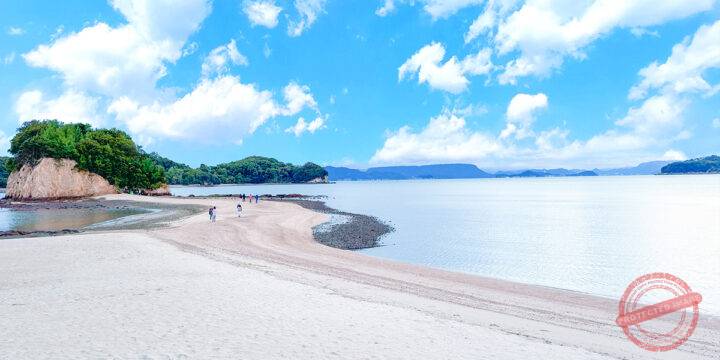
Angel Road stands as a monumental natural phenomenon and a vital cultural anchor for Shodoshima, representing the rhythmic and ephemeral beauty of the Seto Inland Sea. The site is topographically defined by a five hundred meter long sandbar that connects the main island to three smaller islets, including the prominent Bentenjima. This geological formation functions through a disciplined tidal cycle where the path is submerged by the sea and revealed only twice daily during low tide. The environment is characterized by a polished sense of transition as the calm, azure waters of the archipelago gradually recede to expose a pristine sandy walkway. Visitors often observe the surrounding coastal scenery from the "Promise Hill" observation deck, which provides an authoritative vantage point over the entire sandbar and the distant horizons of…
Read More
Mediterranean Immersion

Mediterranean Immersion

Sightseeing
An island that stands as a monumental maritime destination, serving as a vital cultural anchor for the region’s unique agricultural heritage and natural beauty.   Often referred to as Japan’s "Mediterranean" for its sparkling azure waters and mild, sun-drenched climate, the island is a destination where tradition is not just preserved, it is elevated. It offers a rare fusion of ancient industrial craftsmanship and world-class contemporary art, making it a premier retreat for travelers seeking both serenity and intellectual depth.As the historic birthplace of olive cultivation in Japan, the island has spent over a century perfecting the art of the harvest. Beyond the scenic groves lies a refined culinary opportunity: a Private Olive Oil Blending Session. In this immersive experience, you are invited to taste award-winning oils with distinct profiles, ranging…
Read More
Okayama Korakuen Garden

Okayama Korakuen Garden

Sightseeing
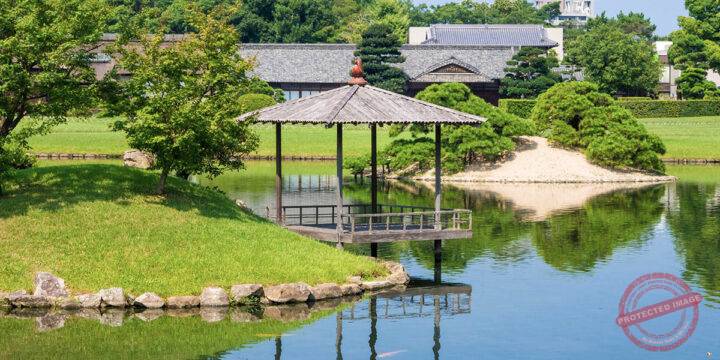
Okayama Korakuen stands as a monumental achievement of the Genroku era, serving as a vital cultural anchor and one of the three most celebrated landscape gardens in Japan. The garden is architecturally and topographically defined by its "kaiyu" or strolling circuit design, which encompasses thirteen hectares of meticulously groomed lawns, groves, and ponds. Commissioned in 1687 by Ikeda Tsunamasa, the daimyo of Okayama, the layout was designed to project an authoritative sense of harmony between human artifice and natural beauty. Unlike many Japanese gardens that prioritize dense forestation, Korakuen is distinguished by its expansive open grasslands and the strategic use of "shakkai" or borrowed scenery. The garden’s design incorporates Okayama Castle into its visual horizon. This creates a disciplined and dramatic backdrop that enhances the scale of the landscape.The significance…
Read More