Doinoura Church

Doinoura Church

Sightseeing
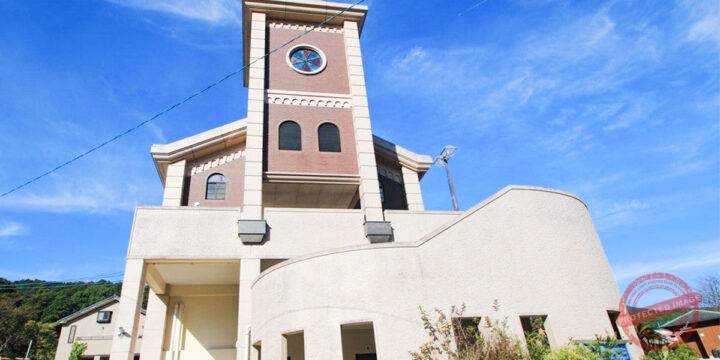
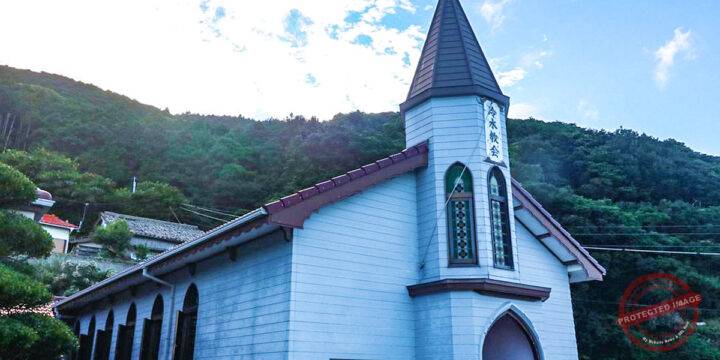
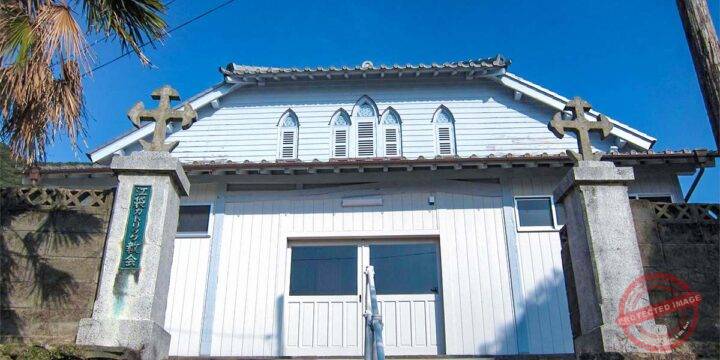
A historic wooden sanctuary on Wakamatsu Island, housed in the relocated 1879 structure of the former Oso Church and preserving early Meiji-era craftsmanship. Doinoura Catholic Church offers a rare glimpse into the early architectural transition of the Goto Christian communities. The building itself has a fascinating history of relocation. It was originally constructed in 1879 as the Oso Church. When the congregation at Oso commissioned a larger brick cathedral from Yosuke Tetsukawa in 1915, the Doinoura community purchased the original wooden structure. It was carefully dismantled, transported across the water, and reassembled on its current site overlooking the Wakamatsu harbor. The church is renowned for the dramatic contrast between its modest, repaired exterior and its surprisingly stately interior. As one of the oldest wooden church structures in the region, it…
Read More
Maruo Church

Maruo Church

Sightseeing
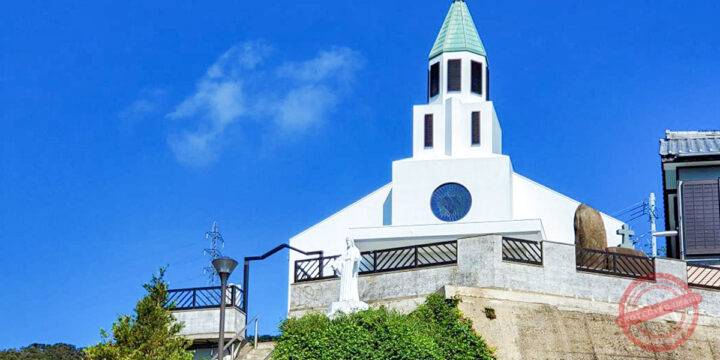
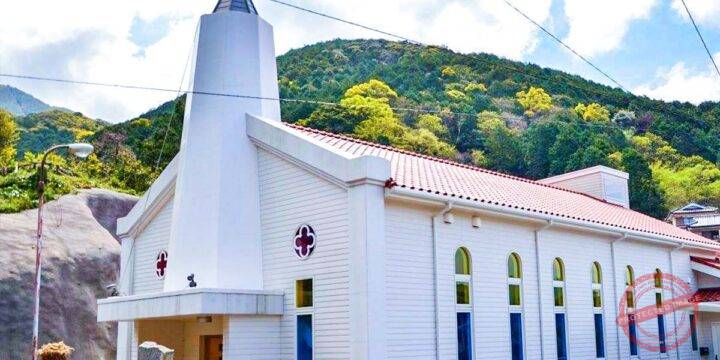
A striking white sanctuary built on the birthplace of Yosuke Tetsukawa, symbolizing the architectural and spiritual legacy of the Goto Islands. Maruo Catholic Church holds a place of profound cultural honor, as it stands on the very land where the legendary master builder Yosuke Tetsukawa was born. Before the establishment of a formal church, the local community of approximately 20 households gathered in a modest meeting hall known as an Iemido, which functioned as a clandestine chapel. The transition from a private residence to a public landmark began under the leadership of Father Osaki Yae of Aosagaura Church, who oversaw the construction of the original white church on the Maruo hillside. The current structure underwent a significant renovation in 1972, further defining its graceful silhouette against the coastal landscape. In…
Read More
Nakachi Church

Nakachi Church

Sightseeing
A radiant spiritual landmark in Shinkamigoto, renowned for its extensive stained glass depicting both biblical scenes and the local community.   Nakachi Church (also known as Chuchi Catholic Church) serves as the primary parish for the northernmost district of Shinkamigoto. While the area's first sanctuary was established in 1881, the community's spiritual center shifted from Ebukuro to this site in 1932. The current structure, completed in 1978, stands as a profound monument to the devotion of its residents, the majority of whom are Catholic. The building was constructed through the collective effort of the faithful, who provided both the financial donations and the manual labor necessary to realize the design. The church is celebrated for its exceptional stained-glass windows, which cover a vast portion of the interior walls. These vibrant…
Read More
Hiyamizu Church

Hiyamizu Church

Sightseeing
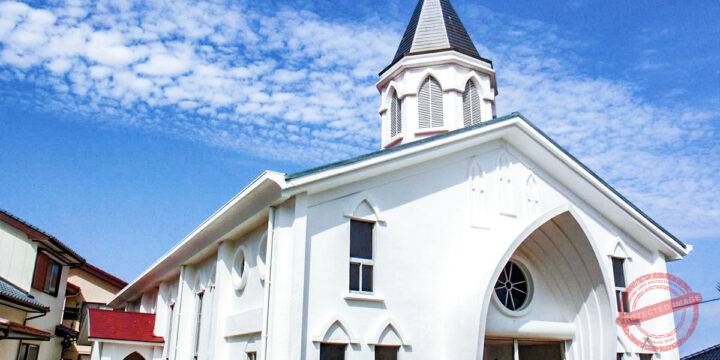
A landmark of Japanese architecture, serving as the debut masterpiece of the legendary master builder Yosuke Tetsukawa. Hiyamizu Catholic Church holds a singular place in the history of the Goto Islands as the inaugural project of Yosuke Tetsukawa after he ascended to the rank of master carpenter. Born in the nearby village of Maruo, Tetsukawa would go on to design and build dozens of churches across Nagasaki, but this 1907 wooden structure was where his unique style first took shape.The congregation's history is one of movement and renewal. During the "Goto Kuzure" (the final wave of Christian persecution in the late 19th century), the original believers of the Hiyamizu area fled to escape arrest. Many never returned. The current community is largely composed of families who migrated from Hirado and…
Read More
Ebukuro Church

Ebukuro Church

Sightseeing
A resilient wooden sanctuary in Shinkamigoto, painstakingly restored to its Taisho-era glory after a devastating fire in 2007.   Ebukuro Catholic Church stands as a powerful symbol of communal perseverance and modern restoration. The history of the local faithful is marked by hardship. Despite the official lifting of the ban on Christianity in 1873, the believers in Ebukuro faced severe local persecution that same year. In 1882, under the spiritual guidance of Father Brel, the community succeeded in constructing their first permanent house of worship. Until the early 21st century, it held the distinction of being the oldest wooden church in the Goto Islands to feature a "bat-wing" rib-vaulted ceiling.In 2007, a tragic fire nearly destroyed the historic structure. However, recognizing its immense cultural value, a nationwide fundraising campaign was…
Read More
Oso Church

Oso Church

Sightseeing
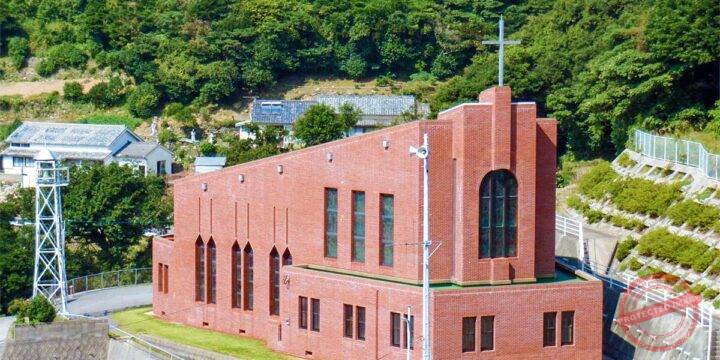
A masterful red-brick sanctuary in Shinkamigoto, designed by Yosuke Tetsukawa and celebrated for its sophisticated masonry and multi-tiered architectural depth.   Oso Catholic Church stands as a testament to the endurance and growing prosperity of the Christian community in the northern Goto Islands. The congregation is comprised largely of descendants of Hidden Christians who migrated from the Sotome region to seek a life free from direct oversight. The current edifice, completed in 1916, was designed and constructed by the renowned master builder Yosuke Tetsukawa. Proving the community's commitment to preservation, the original wooden church that stood here was not demolished but carefully dismantled and relocated to Doinoura on Wakamatsu Island.The church is an architectural marvel of the late Meiji and early Taisho eras, designated as an Important Cultural Property by…
Read More
Nakanoura Church

Nakanoura Church

Sightseeing
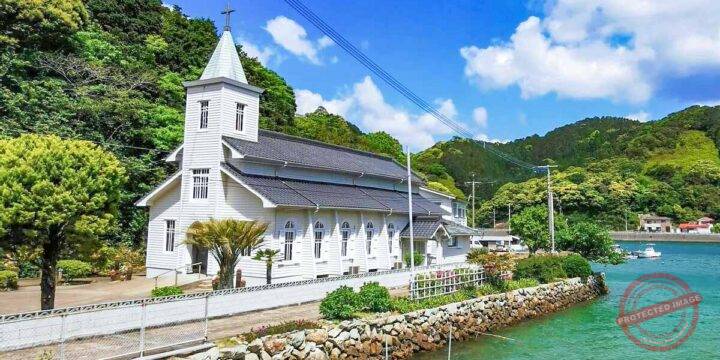
A picturesque wooden sanctuary in Shinkamigoto, famous for its "Water Mirror" reflection and its vibrant camellia-inspired interior.   Nakanoura Catholic Church is widely considered one of the most beautiful and tranquil sites in the Goto Islands. Completed in 1925, this wooden structure is situated on the very edge of a calm inlet. When the tide is high and the winds are still, the church’s white facade and pointed steeple are perfectly mirrored in the sea, earning it the poetic nickname "The Water Mirror Church". This striking visual effect has made it a favorite subject for photographers and a place of profound peace for pilgrims.Architecturally, the church shares a deep lineage with the works of Yosuke Tetsukawa. Its interior design closely mirrors the style of the former Hosoishi-ryu Church on Hisaka…
Read More
Kiri Church

Kiri Church

Sightseeing
Kiri Church is the historic first parish of Nakagoto, marking the pivotal moment when the Goto Hidden Christians reunited with the Catholic Church.   Kiri Catholic Church occupies a site of immense historical significance, standing on a verdant hillside that offers a panoramic view of the tranquil Seto Inland Sea. The community’s roots trace back to migrants from the Sotome district of the Omura domain who settled in the Kiri and Furusato areas to escape persecution. This parish holds the distinction of being the first established in the Nakagoto region in 1897, serving as a cornerstone for the formal resurgence of the faith in the central islands.The church is inextricably linked to the story of Gaspar Yosaku, a local resident whose journey to Nagasaki for medical treatment led to a…
Read More
Aosagaura Church

Aosagaura Church

Sightseeing
Aosagaura Church is a masterwork of brick architecture by Yosuke Tetsukawa and a National Important Cultural Property, serving as the historical heart of the Kamigoto Catholic community.   Aosagaura Catholic Church is a landmark of architectural precision and communal devotion, situated on a hillside overlooking the tranquil waters of the Kamigoto inlet. While the local Christian presence traces back to at least 1878, Aosagaura's status was solidified in 1899 when it became the central parish for the Kamigoto region. The current structure, completed in 1910, represents the third church built on this site and is one of the most celebrated designs by the prolific master builder Yosuke Tetsukawa.The church is renowned for its sophisticated brick masonry, a feat made even more impressive by the fact that the local parishioners hand-carried…
Read More
Aso Kusasenri Grassland

Aso Kusasenri Grassland

Sightseeing
Kusasenri Grassland, the vast geological grandeur of Aso, is a sprawling emerald prairie set within a massive double crater that offers one of the most iconic landscapes of the region. Formed approximately 30,000 years ago, this 785,000-square-meter grassland is architecturally defined by its dual rain-fed ponds and the surrounding volcanic peaks of the Aso Five Mountains. The plain is actually a prehistoric crater floor, providing an authoritative perspective on the colossal scale of the Aso caldera’s eruptive history. The terrain is characterized by gentle, rolling slopes covered in resilient grasses that shift in color from vibrant green in the summer to a shimmering silver-gold in the autumn. The absence of tall trees allows for an unobstructed view of the billowing white smoke rising from the active Nakadake crater nearby, creating…
Read More