Faith Tours

Sacred. Timeless. Pilgrimage.

A Message from Our Travel Curator

Peace be with you.

My name is Shoan. As a Catholic, my life has been defined by a deep passion for the social sciences – specifically the rich tapestry of history and culture -complemented by a career dedicated to the highest standards of VIP travel and business.

For a long time, I hesitated to launch this faith-based series, grappling with the weight of such a mission. However, through heartfelt prayer, I felt God’s quiet guidance. He replaced my doubt with a clear vision: to craft Faith Tours that are more than mere journeys, they are profound spiritual encounters.

I invite you to join me on this sacred journey through the history of the Hidden Christians. Let us discover the strength of the remnant together.
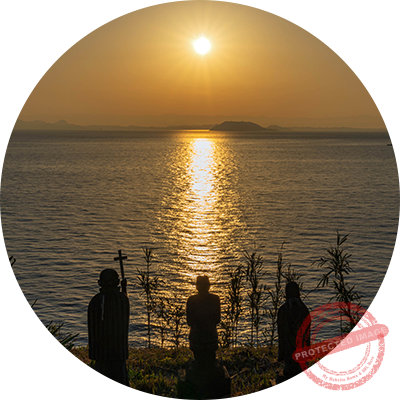
Why This Journey is Different?

Our tours are not mere sightseeing, they are a bridge between your story and a miracle of survival.

Solidarity with the Remnant
By joining us, you stand in direct solidarity with the faithful in Japan’s rural outposts, supporting brothers and sisters who keep the flame of the Eucharist alive in the most isolated corners of Japan for centuries.

More Than a Guide
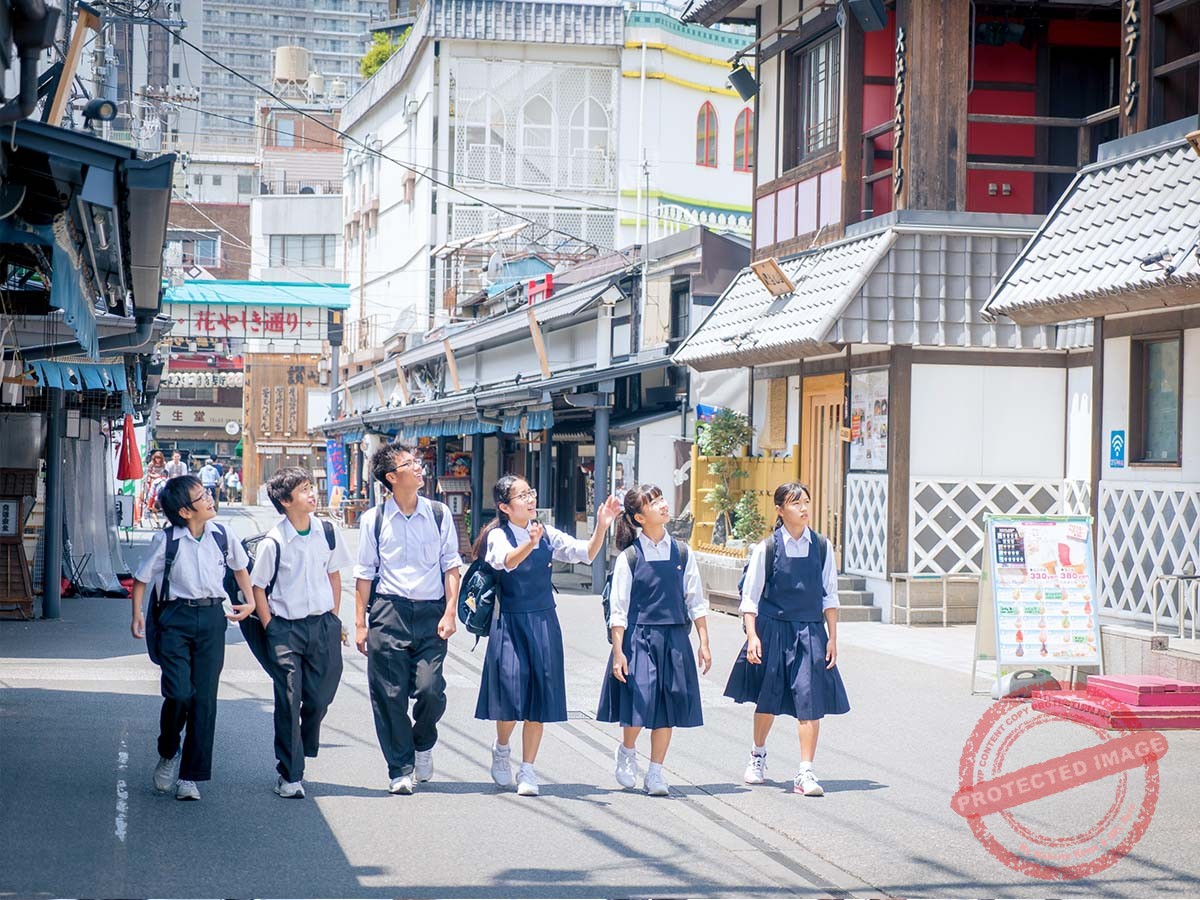
As a licensed tour conductor and a fellow believer, I do not just show you landmarks. I am a storyteller of our sacred history, a revealer of the “hidden gems” of the Japanese Church, and a friend who prays alongside you at every altar.

Professional Excellence
Our company in Japan is a fully certified DMC and tour operator. We specialize in the nuances of VIP travel, where discretion, high-level service, and meticulous care are our baseline.

Personally Vetted
Every destination, hotel, and private path has been personally inspected and walked by me. I ensure your journey is smooth, secure, and deeply meaningful.

Divine Encounter
These tours are designed to be a “Sacred Pause”. They are crafted to deepen your love for God and inspire you to carry His light back to your own community.

nagasaki & amakusa

From the steps of St. Peter’s to the shores of Nagasaki, the story of Japan’s faithful has left an indelible mark on the Universal Church.

Key Information

  • Year of Inscription: 2018
  • Category: Cultural Heritage
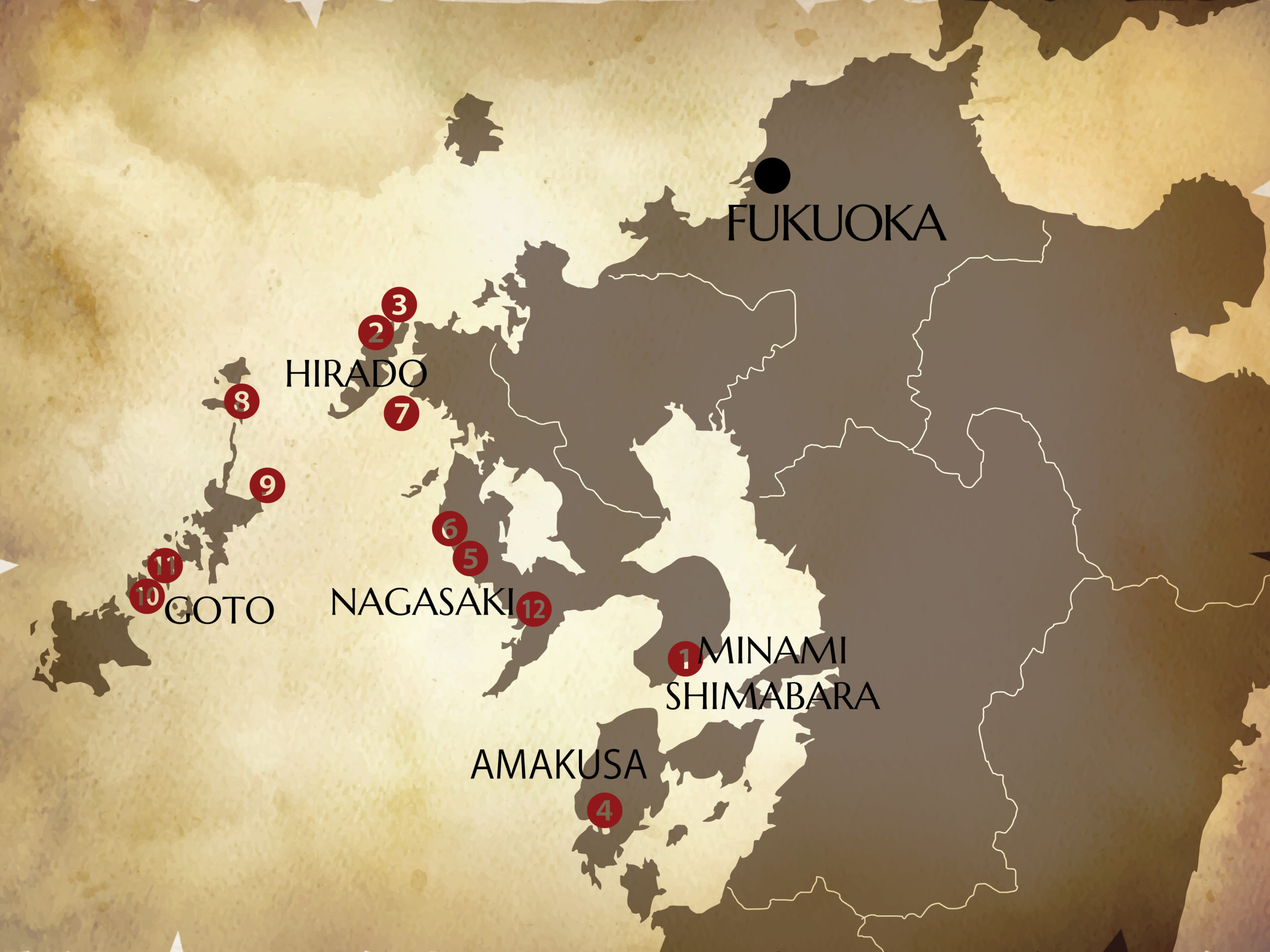
  • Location: Nagasaki Prefecture and the Amakusa region of Kumamoto Prefecture
  • Number of Component Sites: 12

This World Heritage property is a group of sites that illustrate the history and cultural landscape of the “Hidden Christians,” who secretly preserved their faith during the period of Christianity’s prohibition from the 16th to the 19th centuries.

List of the 12 Component Parts
1. Hara Castle Ruins
2. Sacred Sites and Villages in Hirado (Kasuga Village and Mount Yasuman)
3. Sacred Sites and Villages in Hirado (Nakaenoshima Island)
4. Sakitsu Village in Amakusa
5. Shitsu Village in Sotome
6. Ohno Village in Sotome
7. Kuroshima Village
8. Remains of Villages on Nozaki Island
9. Village on Kashiragashima Island
10. Village on Hisaka Island
11. Egami Village on Naru Island
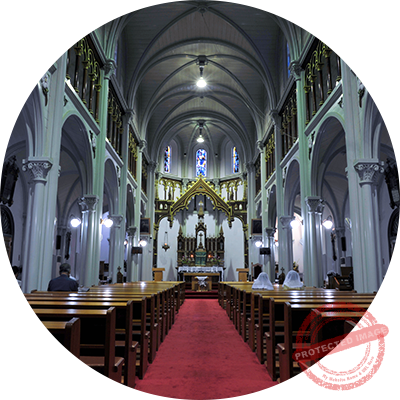
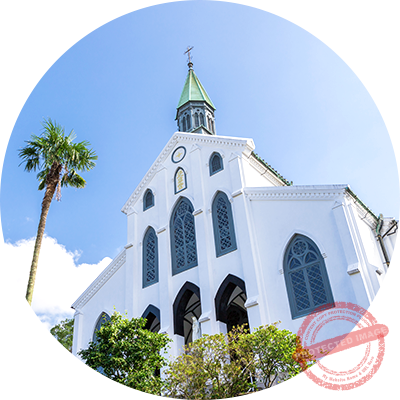
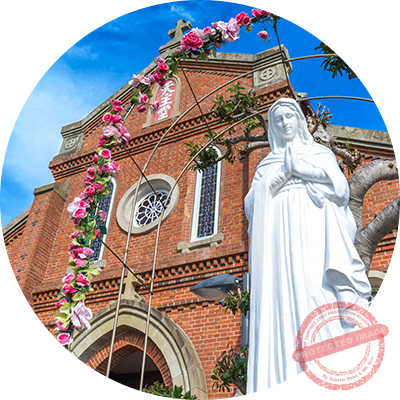
12. Oura Cathedral

What makes the UNESCO World Heritage Sites of “Hidden Christian Sites in the Nagasaki Region” a pilgrimage unlike any other in the world?

It is the story of a faith that refused to die.

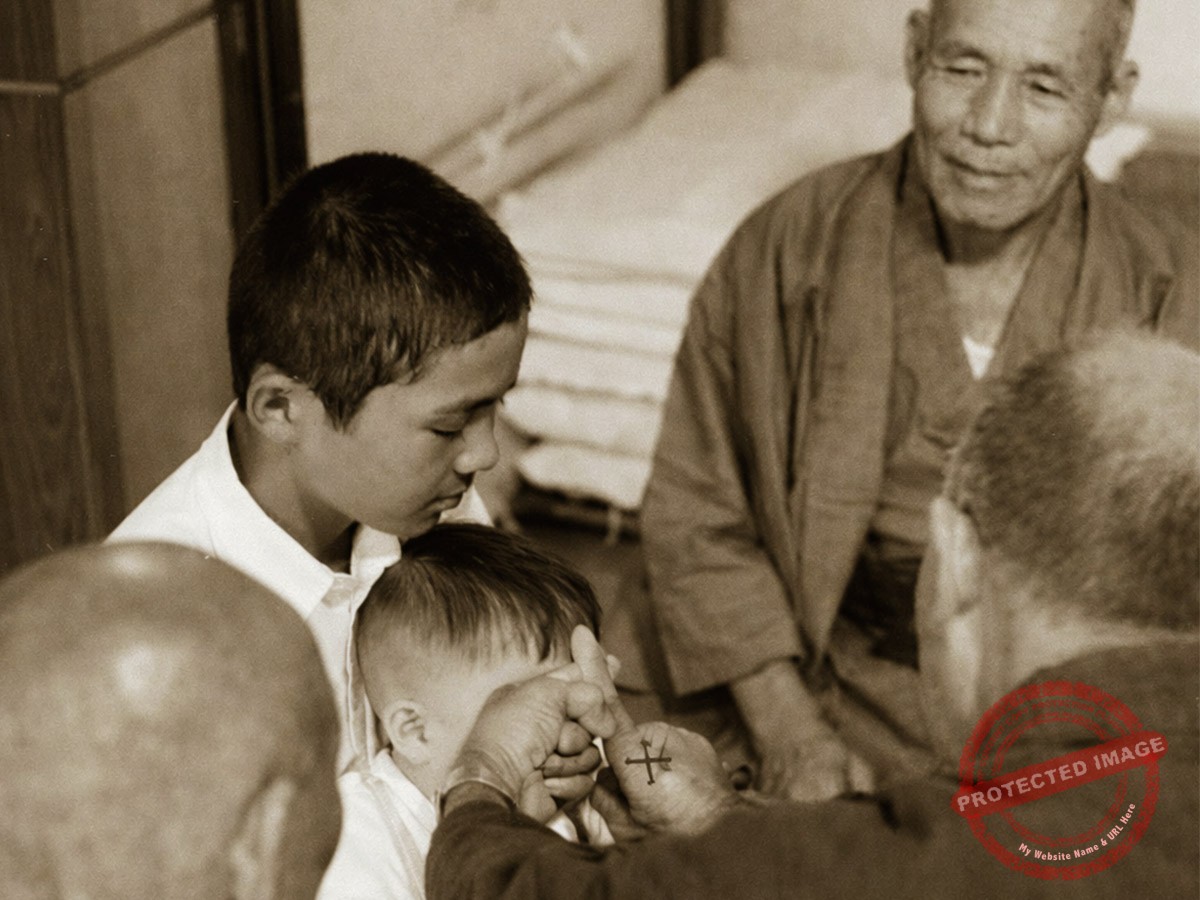
Sacramental Baptism in the Hidden Christian Community. From: Hidden Christian Research Association

The Unmatched Resilience of the "Hidden Christians"

For 250 years, the Japanese community endured without a single priest, missionary, or the Holy Sacrifice of the Mass.

Under the threat of death, believers practiced a profound syncretism. They veiled their devotion within the aesthetics of Buddhism and Shinto, hiding the Cross in plain sight.

Generations preserved the Orasho (from the Latin Oratio). This hauntingly beautiful prayer, a tapestry of Latin, Portuguese, and Japanese, served as the heartbeat of the underground Church, even as the words became a mystical code of survival.

Across remote islands, communities developed distinct rituals, yet remained unified by the core doctrines received from the first Jesuit missionaries.

The Golden Era of the Christian

Unlike many nations where the Gospel arrived via colonial rule, Christianity in Japan was voluntarily embraced by the elite. Powerful Sengoku leaders, the Christian Daimyo (such as Omura Sorin, Arima Harunobu), recognized the Truth and encouraged its growth.

Before the shadows of persecution fell, Nagasaki flourished as the “Rome of the East“. It was a vibrant epicenter of Western science, technology, and art. The skyline was defined by church spires, and the city became a world-renowned center for high level Catholic education and Renaissance era culture.

From the late 16th to the early 17th century, the Seminario was founded Japan’s first Western style school. It served as a premier center for Christian education, focusing on forming priests, monks, and the next generation of talented leaders. The training was famously rigorous, covering Latin, music, geography, arithmetic, and cutting-edge printing.

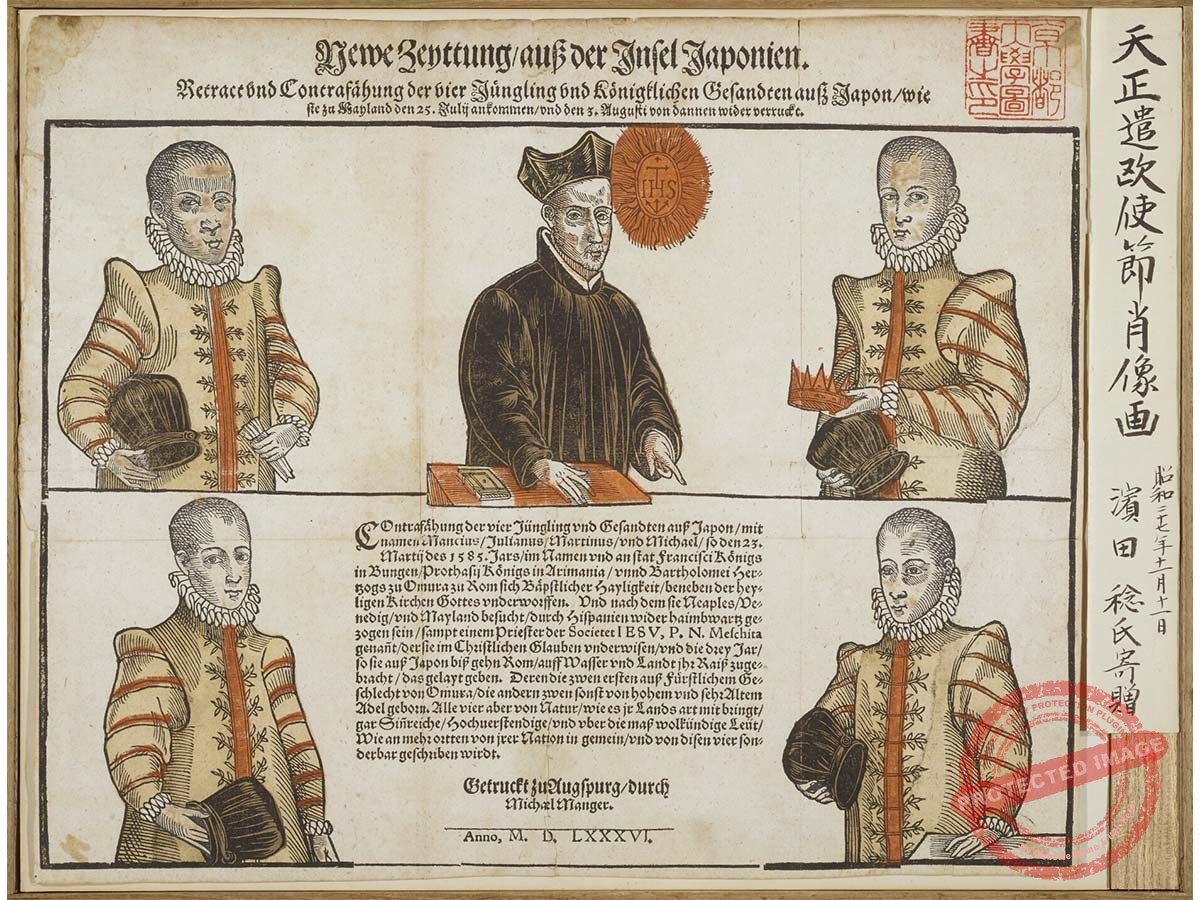
The Tenshō Embassy, Japan’s first formal encounter with the Holy See. Augsburg Gazette (Germany), August 3, 1585: Chronicle of the delegation’s departure from Milan. From: Kyoto University Library

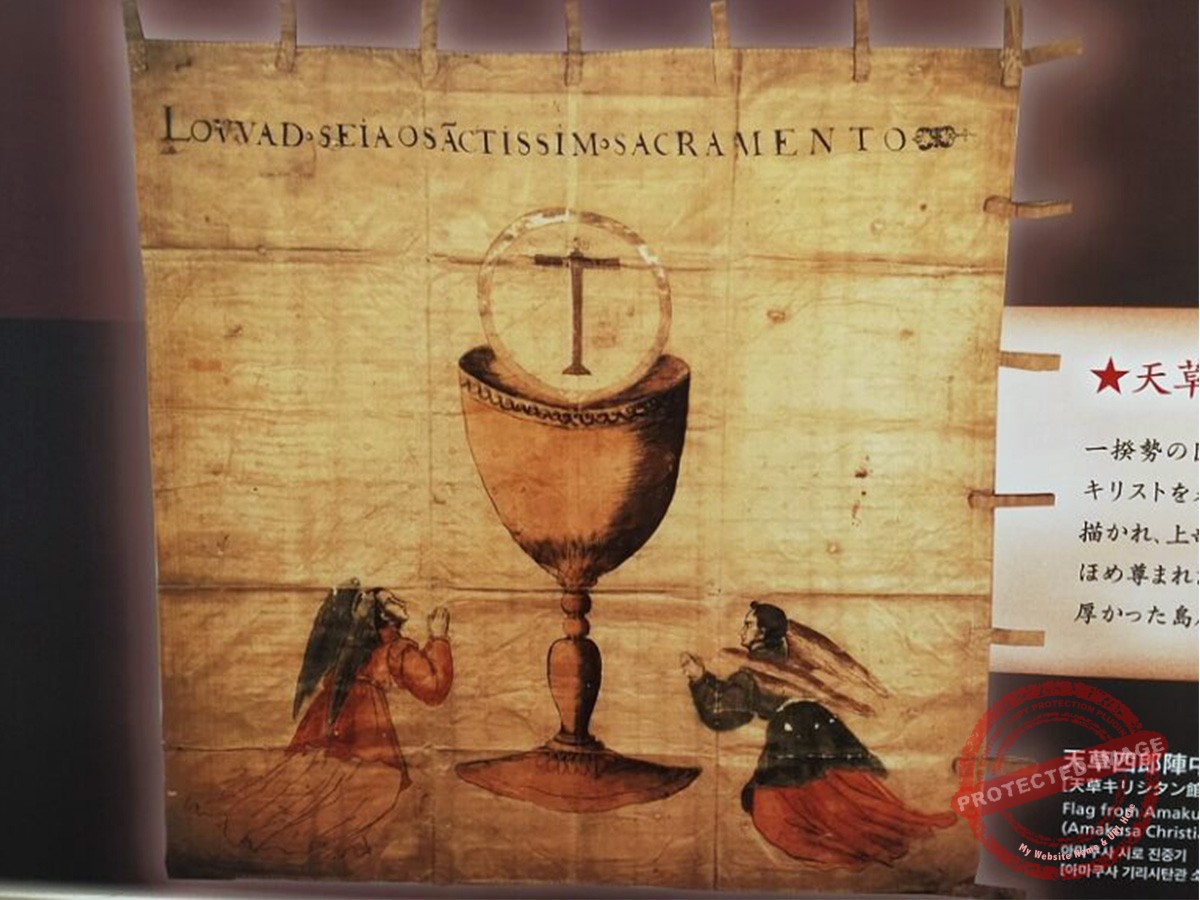
The Sacred Battle Standard of Amakusa Shirō (Jinjuki). The original silk, marked by blood and arrows during the siege of Hara Castle. From: Amakusa Christian Museum

The Shimabara Rebellion

Japan holds the somber distinction of being the only Asian nation to see a full-scale war fought for the right to follow Christ. In the Shimabara Rebellion, a Christian army of 37,000 stood against a Shogunate force of 120,000. It was a monumental conflict of conscience, the final heroic stand for religious liberty in the East.

Featured Destinations

  • Yellow mark area
    The Xavier Legacy & Cultural Fusion, a pilgrimage tracing the legacy of St. Francis Xavier, whose missionary fervor first brought the Christian faith to Japan’s shores. This thoughtfully curated journey invites deeper discovery of intimate, hidden gem churches, humble in scale yet quietly magnificent in presence. Witness a sublime aesthetic dialogue where the refined elegance of Japanese architecture seamlessly intertwines with Western spiritual traditions, creating a cultural tapestry unique to this corner of the world.

  • Blue mark area
    A compelling narrative unfolds, from the dawn of Christianity in Japan to the era of persecution and the enduring shadow of the Hidden Christians. This region tells the poignant story of the Kakure Kirishitan (Hidden Christians), who, for over 250 years, preserved their sacred traditions in the shadows of oppression.

Select the image to experience a closer view.

  • Green mark area
    Goto Islands, often referred to as the “Islands of Prayer,” form a cross-shaped archipelago long regarded as sacred ground for pilgrimage and contemplation. Here, amid sweeping coastal vistas and serene chapel silhouettes, spiritual reflection becomes deeply personal, an atmosphere shaped by centuries of quiet devotion and enduring faith.

Hokkaido& Akita

A New Era of Christianity in Japan

With the fall of the Shogunate in the late 19th century, Japan entered a transformative era under Emperor Meiji, opening its doors to Western trade and influence. Christianity, long suppressed, emerged from the shadows, ushering in a vibrant new phase of growth. In the Hokkaido and Akita region, this renaissance is beautifully reflected in the modern architecture of convents and churches, which blend Western and Japanese influences, and in historic sites that mark the dawn of a new Japan.

Featured Destinations

Hakodate – Hokkaido

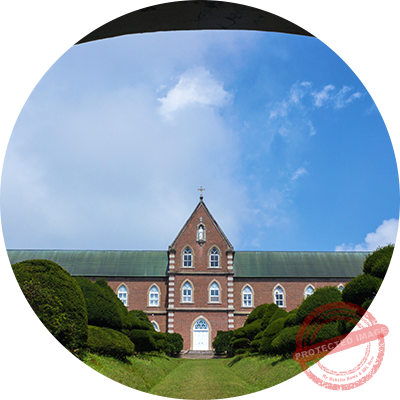
The Trappistine Monastery: The first Catholic convent in Japan, was founded in 1898 by French nuns. Its serene cloisters and lush gardens radiate peace, inviting quiet contemplation.

The Trappist Monastery: established in 1896, showcases the austere beauty of monastic life, with its dairy products still crafted by monks to this day. These sacred spaces embody the quiet strength of Japan’s renewed Christian presence.

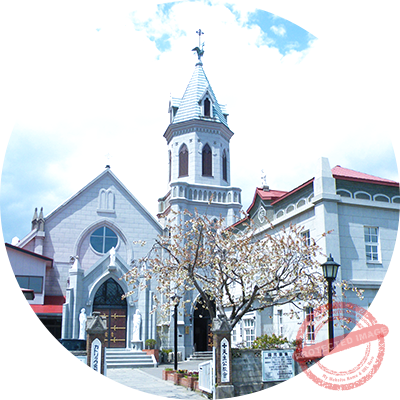
Churches of Otaru and Hakodate: Marvel at the architectural splendor of historic churches, such as the Motomachi Catholic Church in Hakodate and the Tomioka Cathedral in Otaru. Their elegant stained glass windows, ornate altars, and Western inspired designs reflect the flourishing of Christianity during the Meiji era, harmonizing with Japan unique aesthetic.

Akita

Akita Seitai Hoshikai Convent: Home to the revered “Our Lady of Akita” . Between 1975 and 1981, a wooden statue of the Virgin Mary was witnessed weeping 101 times, a miracle that drew global attention and deepened the faith of countless pilgrims. This sacred site remains a powerful place for prayer and spiritual renewal.

Akita Catholic Church: The church maintains a storied legacy, with its first baptism recorded in 1884. The present sanctuary was completed in 1962, followed by its formal dedication the next year. On the grounds stands a monument to the Akita Christian Martyrs, where annual prayers are offered every July 18th to honor their sacrifice.

Select the image to experience a closer view.