Daio Wasabi Farm

Daio Wasabi Farm

Sightseeing
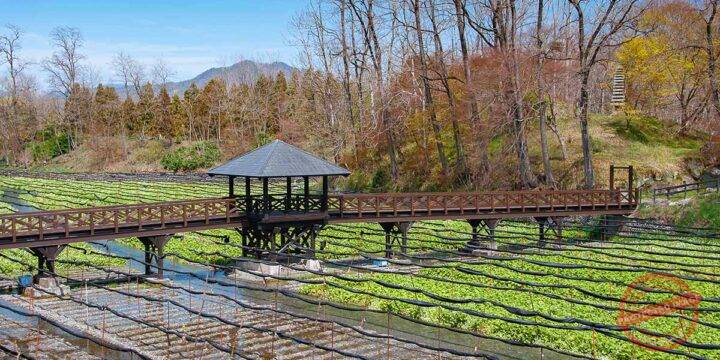
Daio Wasabi Farm stands as a monumental agricultural landmark in the Azumino Valley, serving as a vital cultural anchor and one of the largest wasabi production sites in Japan. The farm is topographically defined by its location atop an abundance of pristine alpine spring water that flows from the Northern Japan Alps. This water is an authoritative element of the landscape, as wasabi requires a constant supply of clean, cold, and moving water to thrive. The layout is characterized by expansive, shaded gravel beds and a network of traditional irrigation channels that keep the plants at a consistent temperature throughout the year. The craftsmanship of the farm is further reflected in its picturesque wooden waterwheels and the scenic river that borders the fields, providing a disciplined harmony between human industry…
Read More
Japanese Snow Monkey Park

Japanese Snow Monkey Park

Sightseeing
The Jigokudani Snow Monkey Park stands as a monumental wildlife sanctuary in the mountains of Yamanouchi, serving as a vital cultural anchor for the study of the Japanese macaque in its natural habitat. The park is topographically defined by its location in the Yokoyu River valley, an area of rugged cliffs and steaming geothermal springs that earned the name "Jigokudani" or Hell Valley. The layout is centered on a specialized open-air hot spring bath designed exclusively for the monkeys, which allows visitors to observe their complex social interactions from a disciplined distance without the use of cages or barriers. The craftsmanship of this unique environment is reflected in the way the park wardens have balanced tourism with conservation since 1964. They use a rhythmic feeding schedule to encourage the wild…
Read More
Matsumoto Castle

Matsumoto Castle

Sightseeing
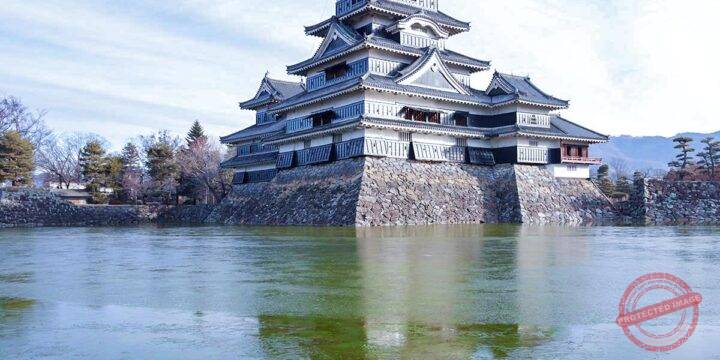
Matsumoto Castle stands as a monumental defensive masterpiece in Nagano Prefecture, serving as a vital cultural anchor and one of the few original castles remaining in Japan. The fortress is architecturally defined by its unique "hirajiro" or flatland construction, standing on a plain rather than a hilltop or mountain. It is most famously characterized by its striking black-lacquered exterior, earning it the authoritative nickname "Crow Castle". This color choice was not merely aesthetic but served a practical purpose during the sixteenth century, as the lacquer provided essential weatherproofing for the wooden structure. The layout is a complex and disciplined arrangement of six stories, including a hidden floor that was invisible from the outside to deceive enemy forces. The craftsmanship of the castle is reflected in the original timber frames and…
Read More
Fuji Chiffon Cake Shop

Fuji Chiffon Cake Shop

Sightseeing
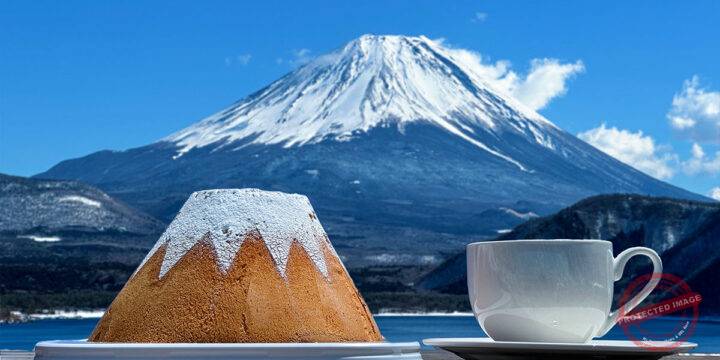
The Fuji Chiffon Cake Shop stands as a boutique culinary destination in the foothills of Japan's most iconic peak, serving as a creative intersection between regional confectionery and the local natural environment. The shop is architecturally and aesthetically defined by its dedication to the "Mount Fuji Chiffon", a specialty cake sculpted to mimic the symmetrical silhouette of the mountain. Each cake is characterized by a snow-like dusting of powdered sugar across its summit, creating a visual homage to the peak’s famous winter cap. The craftsmanship of the bakery is reflected in its commitment to utilizing high-quality local ingredients, including farm-fresh eggs and spring water sourced from the Fuji aquifers, which result in an authoritative level of airiness and a delicate crumb. The product range is organized into distinct flavor profiles…
Read More
Oshino Hakkai

Oshino Hakkai

Sightseeing
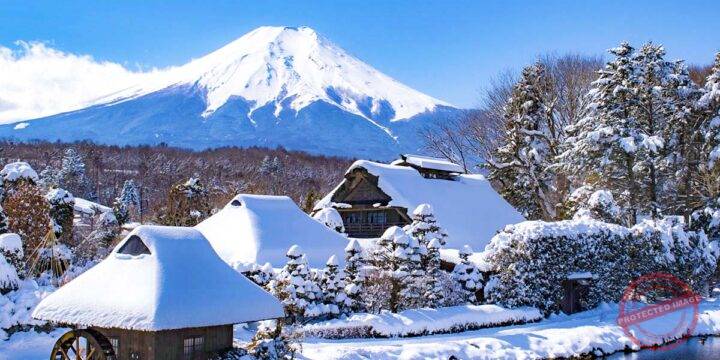
Oshino Hakkai stands as a monumental natural sanctuary in the Fuji Five Lakes region, serving as a vital cultural anchor and a designated National Natural Treasure. The site is topographically defined by eight spring-fed ponds that are the result of snowmelt from Mount Fuji filtering through porous layers of volcanic rock for over eighty years. This natural filtration process creates an authoritative level of water clarity, allowing visitors to see deep into the aquatic ecosystems of the basins. The layout of the area preserves the atmosphere of a traditional farming village, with thatched-roof buildings and waterwheels set against the backdrop of the mountain. Historically, these ponds served as a sacred site for pilgrims to perform purification rituals before beginning their ascent of Mount Fuji.The area features the Sokonashi-ike, which according…
Read More
Amazake Chaya

Amazake Chaya

Sightseeing
Amazake Chaya stands as a monumental roadside sanctuary along the ancient Hakone Hachigiri section of the Tokaido, serving as a vital cultural anchor for those tracing the historical path between Kyoto and Edo. The teahouse is architecturally defined by its traditional thatched roof and heavy timber frame, which evoke the disciplined atmosphere of a seventeenth-century rest station. The interior layout remains intentionally rustic, featuring dirt floors, low wooden benches, and an open "irori" hearth that provides both warmth and a focal point for weary travelers. This environment is characterized by a polished sense of continuity. The current proprietor represents the thirteenth generation of the Yamamoto family to maintain the site. The craftsmanship of their hospitality is centered on a signature recipe that has remained unchanged for over four centuries. This…
Read More
Tojinbo

Tojinbo

Sightseeing
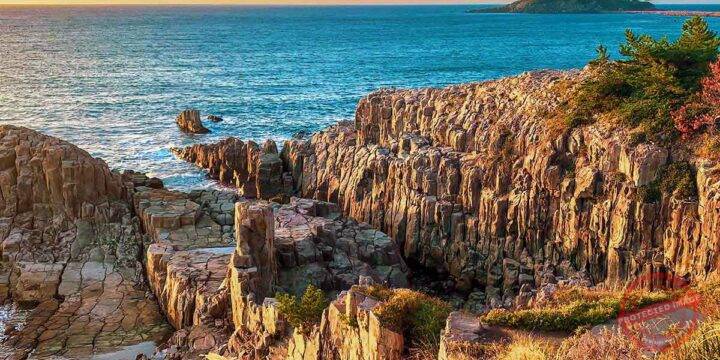
Tojinbo stands as a monumental geological phenomenon on the coast of the Sea of Japan, serving as a vital cultural anchor and a site of world-class natural significance. The coastline is architecturally and topographically defined by a one-kilometer stretch of towering pyroxene andesite cliffs, some reaching heights of twenty-five meters. The layout is characterized by massive, pentagonal and hexagonal columnar joints that formed approximately thirteen million years ago when magma cooled and contracted beneath the earth's surface. The craftsmanship of nature is evident in the precise geometric patterns of the rock, a rarity so extreme that similar formations of this scale are found only in two other locations globally: the west coast of Norway and Mount Kumgang on the Korean Peninsula. Over millennia, the rhythmic force of the waves has…
Read More
The Fukui Prefecture Dinosaur Museum

The Fukui Prefecture Dinosaur Museum

Sightseeing
The Fukui Prefectural Dinosaur Museum stands as a monumental center for paleontological discovery in Japan, serving as a vital cultural anchor and an authoritative institution for the study of prehistoric life. The museum is architecturally defined by its distinctive silver dome, designed by the renowned architect Kisho Kurokawa to resemble a giant dinosaur egg emerging from the hillside. Inside, the facility features a disciplined layout spread across four floors, with a central column-free hall that emphasizes the sheer scale of the specimens. The craftsmanship of the site is reflected in its vast central hall where fifty dinosaur skeletons are displayed, including ten that feature original fossilized bone. The environment is characterized by a polished sense of scientific wonder and technical precision. The layout allows for a rhythmic exploration of Earth’s…
Read More
Gold Leaf Topped Soft Cream

Gold Leaf Topped Soft Cream

Sightseeing
Gold Leaf Topped Soft Cream stands as a monumental culinary highlight in Kanazawa, serving as a vital cultural anchor that connects the city’s profound artisanal history with modern epicurean trends. The confection is architecturally defined by a rich, vanilla-flavored soft serve base which acts as a pedestal for a delicate, hand-beaten sheet of pure 24-karat gold. The layout of this treat is a deliberate display of luxury and technical skill. It reflects the fact that Kanazawa produces approximately 99% of all Japanese gold leaf. The craftsmanship involved in the production of the edible gold leaf is an authoritative process where gold is thinned to a staggering 0.0001 millimeters through a rhythmic and disciplined beating technique. Applying this nearly weightless sheet to the cooling surface of the cream requires a steady…
Read More
Higashi Chaya District

Higashi Chaya District

Sightseeing
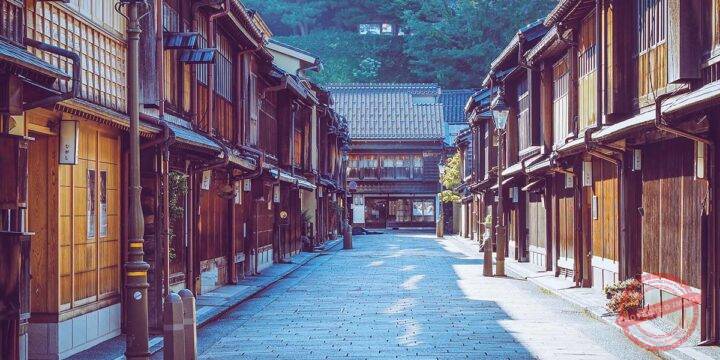
Higashi Chaya District stands as a monumental cultural anchor in Kanazawa, serving as the largest and most prestigious of the city's three historic geisha districts.   The quarter is architecturally defined by its remarkably preserved rows of "machiya" townhouses, characterized by their signature "kimusuko" or fine wooden lattice facades. The layout consists of narrow, rhythmic lanes that were designed during the Edo period to create an intimate and exclusive atmosphere for high-end entertainment. The craftsmanship of the district is reflected in the traditional construction techniques of the two-story teahouses, where the second floors were reserved for guest rooms to provide elevated views of the street life below. This architectural choice was an authoritative departure from the single-story restrictions placed on ordinary residences during the feudal era.The significance of the district…
Read More