Kokin Denju Tea House

Kokin Denju Tea House

Sightseeing
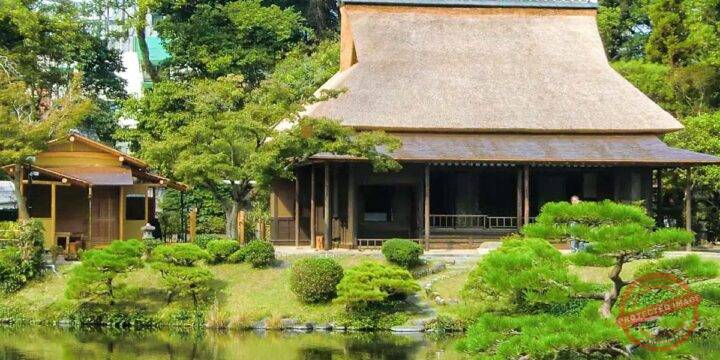
Discover the refined beauty of a historic teahouse where ancient poetry and Japanese garden views meet in Kumamoto.The tea house refers to the sacred tradition of passing down the secret interpretations of the Kokin Wakashu, a celebrated imperial poetry anthology from the Heian period, from master to disciple. Originally constructed within the Kyoto Imperial Palace grounds around 1600, this structure is famously recognized as the site where Hosokawa Yusai, the esteemed founder of the Hosokawa clan, initiated Prince Toshihito into the deepest mysteries of waka poetry. In the Taisho era, the building was carefully relocated from Kyoto to its current home within Kumamoto’s Suizenji Jojuen Park. Boasting over 400 years of history, this distinguished landmark offers an atmosphere of profound elegance. Visitors can enjoy a moment of true Japanese sophistication,…
Read More
English Rose Garden, Gelato & Cheese

English Rose Garden, Gelato & Cheese

Sightseeing
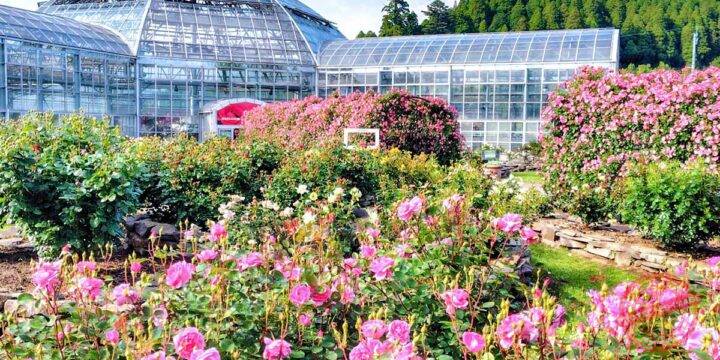
The rose garden, gelato, and cheese offer a refined immersion into one of the region’s best collections.The gardens present a meticulously curated assembly of 1,500 roses, encompassing 600 distinct species that define the landscape during the peak of the spring season.While photography captures the visual scale of the blooms, the sensory experience of the site is far more profound. The air remains permeated by a delicate fragrance that shifts in character as one moves through the various sections of the grounds. The experience extends beyond the aesthetic to include local culinary craftsmanship. The cheese cellar serves as a gallery of regional identity, housing varieties aged to perfection through meticulous European techniques adapted for the Japanese palate. Complementing the savory is the world-class gelato, crafted with an emphasis on the purity…
Read More
Mount Koya

Mount Koya

Sightseeing
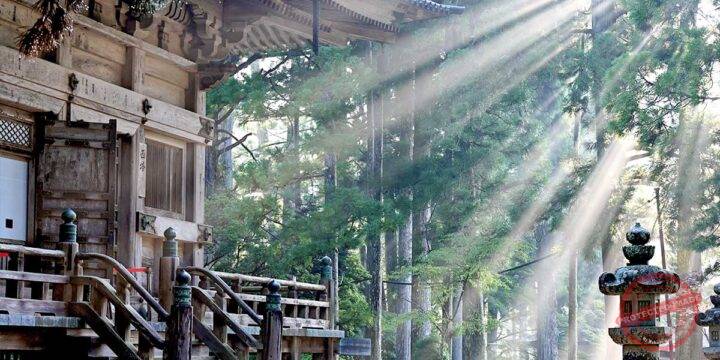
Mount Koya is a UNESCO-listed sacred mountain in Japan, known for ancient temples, forested pilgrimage paths, and over 1,200 years of Buddhist history.Mount Koya lies in the northeastern reaches of Wakayama Prefecture and stands as one of Japan’s most significant Buddhist sanctuaries. Founded more than 1,200 years ago by Kobo Daishi Kukai, it remains the spiritual center of Shingon Esoteric Buddhism. Today, Mount Koya forms a core component of the UNESCO-designated Sacred Sites and Pilgrimage Routes in the Kii Mountain Range, recognized for its enduring religious and cultural legacy. Set deep in the mountains, Mount Koya feels removed from the pace of modern Japan. Its quiet temple precincts, cedar forests, and centuries-old rituals have drawn pilgrims for generations and continue to resonate with visitors seeking a more contemplative experience. The…
Read More
Kamishikimi Kumanoza Shrine

Kamishikimi Kumanoza Shrine

Sightseeing
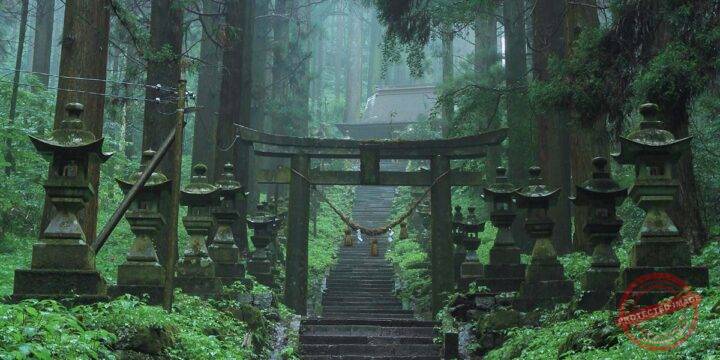
Kamishikimi Kumanoza Shrine is a profound heritage site in Aso, Kumamoto, where moss-covered lanterns and ancient forests create a timeless atmosphere.Occupying a dignified space near the Urakami Cathedral, this privately managed institution documents the historical continuity of a community that faced centuries of social and political challenges. The museum is maintained by a Catholic publisher and supported by private donors, ensuring that the history of this unique population remains accessible to the public. The narrative primarily centers on the nineteenth-century Urakami Crackdown and the subsequent exile of thousands of local practitioners. Artifacts from this era, including hidden devotional items and official documents, illustrate a period of severe hardship that preceded the eventual restoration of religious freedom in Japan. These exhibits provide a factual foundation for understanding the resilience of the…
Read More
Futamigaura Torii & Couple Stones

Futamigaura Torii & Couple Stones

Sightseeing
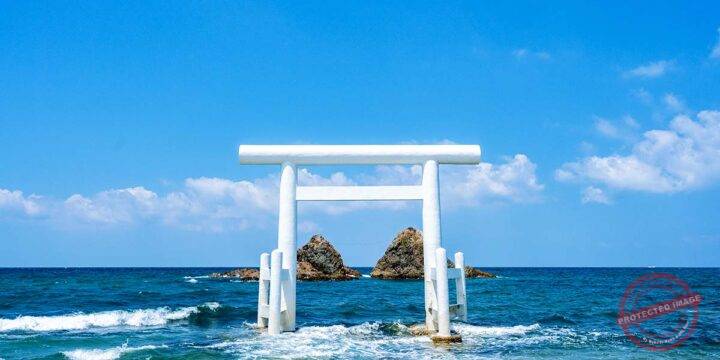
Futamigaura Shrine is a serene coastal landmark in Itoshima, celebrated for its white torii gate and the sacred Meotoiwa rocks set against the Genkai Sea.Located within the tranquil expanse of Genkai Quasi-National Park, Futamigaura Shrine represents a profound intersection of Shinto tradition and coastal geology. Historically integrated into the estate of Sakurai Shrine, the site enjoyed the dedicated patronage of the Kuroda clan lords throughout the Edo period. This long-standing cultural stewardship has preserved its atmosphere of dignified permanence. Approximately 150 meters from the shoreline, the Meotoiwa, or "Couple Stones", rise from the water. These pillars are connected by a heavy shimenawa cord, a traditional woven rope that signifies their status as a singular, sacred entity within the natural world. While the Futamigaura in Mie Prefecture is associated with the…
Read More
Urakami Christian Museum

Urakami Christian Museum

Sightseeing
The Urakami Christian Museum provides a profound and intimate examination of the Catholic experience in Nagasaki, focusing on the themes of endurance and survival within the Urakami district.Occupying a dignified space near the Urakami Cathedral, this privately managed institution documents the historical continuity of a community that faced centuries of social and political challenges. The museum is maintained by a Catholic publisher and supported by private donors, ensuring that the history of this unique population remains accessible to the public. The narrative primarily centers on the nineteenth-century Urakami Crackdown and the subsequent exile of thousands of local practitioners. Artifacts from this era, including hidden devotional items and official documents, illustrate a period of severe hardship that preceded the eventual restoration of religious freedom in Japan. These exhibits provide a factual…
Read More
Amakusa Maria Statue

Amakusa Maria Statue

Sightseeing
The Amakusa Maria Statue serves as a dignified landmark on the Kumamoto coastline, embodying the profound heritage of the Hidden Christians and the maritime traditions of the region.The statue stands on a secluded cape overlooking the sea near Sakitsu Village, a location of immense historical significance within the context of Japanese Catholic history. This site is closely linked to the Sakitsu Church, which is part of a UNESCO World Heritage designation recognizing the resilience of faith communities during centuries of prohibition. Erected through the collective contributions of the local community, the monument was designed to function as a spiritual beacon for the sailors and fishermen who navigate the surrounding waters. Its presence reflects a long-standing continuity of European Catholic roots adapted into a Japanese cultural framework. The statue remains a…
Read More
Ukai (Cormorant Fishing)

Ukai (Cormorant Fishing)

Sightseeing
Ukai represents a masterfully preserved tradition of cormorant fishing on the Nagara River, where ancient techniques and imperial heritage converge in a display of rhythmic precision.This nocturnal practice in Gifu City maintains a continuous lineage spanning over 1,300 years, originally serving as a form of tribute fishing for the imperial court and high-ranking shogunate officials. The tradition is held annually from mid-May through mid-October, centered on the skilled coordination between the usho, or cormorant master, and his birds. Dressed in traditional ceremonial attire, the master operates from a wooden longboat equipped with a kagari-bi, a suspended iron fire basket. The flames serve to startle the ayu, or sweetfish, while the master expertly manages 10 to 12 cormorants using hand-braided leashes. This interaction requires a high level of dexterity and a…
Read More
Shirakawago

Shirakawago

Sightseeing
Shirakawago represents an exceptional example of human adaptation to a rugged mountain environment, where communal resilience and specialized architecture have preserved a unique cultural landscape.The settlement transitioned into its current form between the seventeenth and nineteenth centuries, though its roots as a remote mountain community extend back to the late medieval period. It is best known for the gassho-zukuri farmhouses, which are characterized by steeply pitched thatched roofs designed to withstand the heavy snowfall of the Gifu region. These structures were built using local timber and coordinated labor without the use of metal nails. The design allowed the attic spaces to be utilized for sericulture, providing a vital economic foundation for the village during the Edo period. In 1995, the village was designated as a UNESCO World Heritage site to…
Read More
Gifu Takayama (Takayama Jinya)

Gifu Takayama (Takayama Jinya)

Sightseeing
Takayama Jinya stands as a premier example of Edo-period administrative architecture, reflecting the storied governance and merchant heritage of Gifu Prefecture.The Takayama Jinya remains the sole surviving provincial government office of its kind, offering an authentic window into the administrative precision of the Tokugawa shogunate. Originally established in the late seventeenth century, the complex served as the center of regional authority until 1969. The current structures, largely rebuilt in 1816, feature deep eaves and expansive tatami rooms that exemplify the understated elegance of traditional Japanese timber construction. Local artisans utilized cypress and cedar to create a space that was both functional for tax collection and dignified for high-ranking officials. The adjoining storehouse, dating back to the 1600s, is recognized as one of the largest traditional granaries in the country. Beyond…
Read More