The Hidden Riverside Ravine (World Heritage)

The Hidden Riverside Ravine (World Heritage)

Sightseeing
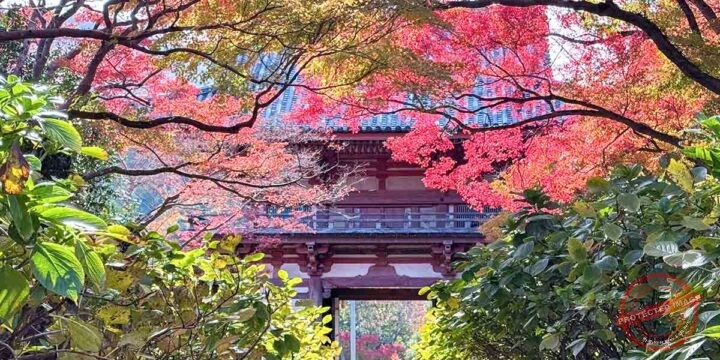
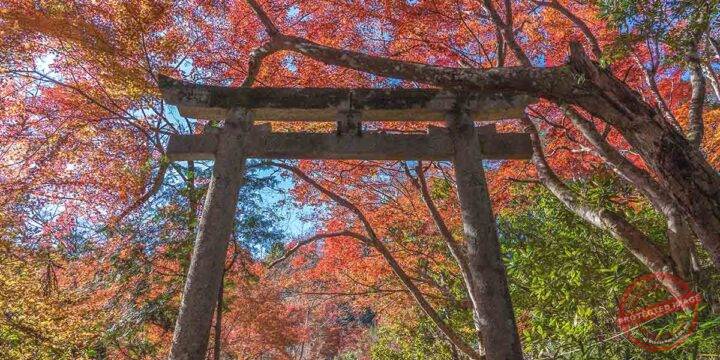
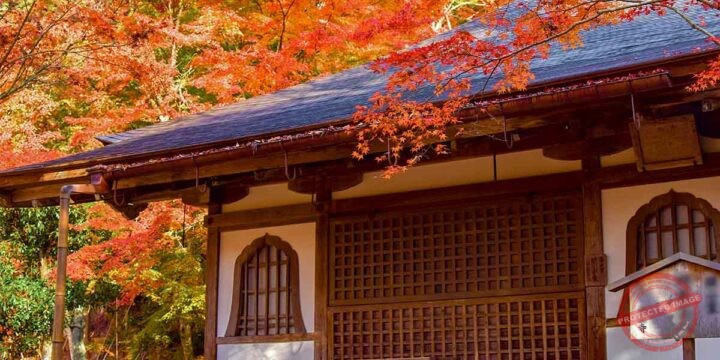
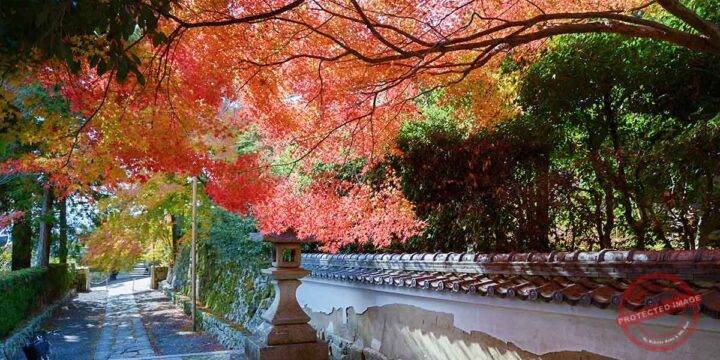
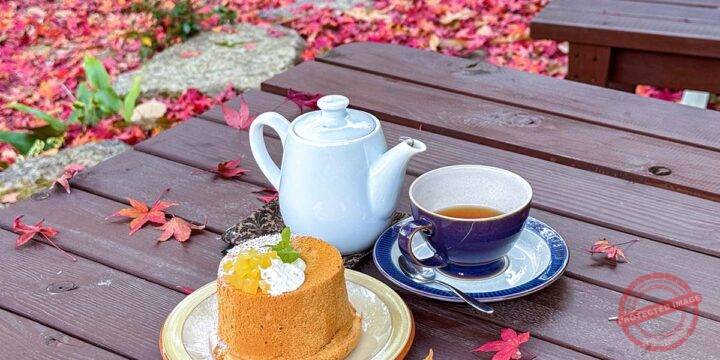
Intimate, rustic, and artfully preserved historic temple set within a forested valley of seasonal foliage. Tucked into a secluded valley, this UNESCO-recognized forest sanctuary appeals to travelers who appreciate privacy, provenance, and a genuine sense of insider access. The region is historically revered as the cradle of Japan’s tea culture, with its legacy carefully safeguarded within a serene, thatched-roof temples. The fall season unfolds here with exceptional intensity. Set deep within a mountain gorge, the pronounced temperature shifts yield maple foliage of striking depth and clarity, glowing in concentrated shades of scarlet. The experience is most rewarding when savored at an unhurried pace, crossing a vermilion bridge and ascending stone steps framed by ancient, towering pines. Below, the clear waters of the river rush steadily, providing a refined sensory counterpoint…
Read More
The Celestial Peak of Heritage and Color

The Celestial Peak of Heritage and Color

Sightseeing
Cultural prestige, sweeping scale, and the unmistakable energy of the season at its peak. Rising more than 2,700 feet above the ancient capital, this UNESCO World Heritage summit provides a dramatic setting for Kansai’s first major fall event. By late October, while the city below is still awaiting the season’s arrival, the mountain is already animated by the refined pageantry of its fall foliage celebration. Visitors come to witness nearly 2,000 maple trees igniting the slopes in tones of deep scarlet and burnished gold. The atmosphere is one of shared reverence and quiet festivity, particularly around the monumental 17th-century timber halls revered as the "Mother of Japanese Buddhism", where history and season converge. The experience is defined by its commanding sense of scale. From elevated viewpoints, sweeping vistas extend across…
Read More
Mount Fuji Through the Seasons

Mount Fuji Through the Seasons

Sightseeing
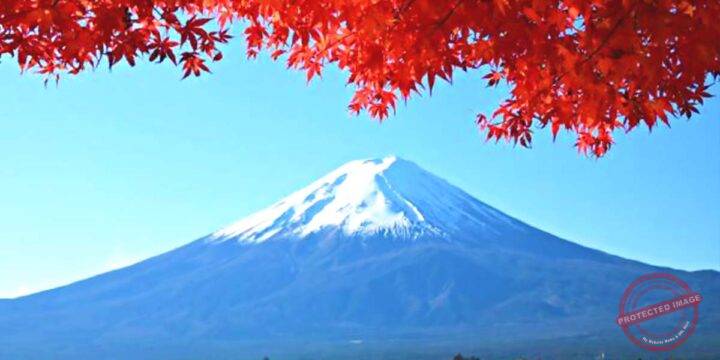
Compare visibility, the iconic snow-capped peak, and exclusive comfort for refined luxury views of Mount Fuji. To maximize the return on a luxury investment in Japan, the distinction between early summer and late autumn is significant. For travelers seeking a reliable, high-aesthetic experience, the transition into late autumn (late October – late November) provides a statistically superior environment across all luxury metrics. 1. The "Guarantee" of Luxury: Visibility MetricsIn the high-end travel sector, reliability is the primary luxury. During late May and June, the onset of the Tsuyu (plum rain) season and rising humidity significantly degrade visibility. Late June: Full visibility of the mountain drops to approximately 10–18%, with a 67% chance of the mountain being entirely obscured. Late November: The success rate for a clear, unobstructed view climbs to…
Read More
Arita (Porcelain Town)

Arita (Porcelain Town)

Sightseeing
Arita offers an immersive encounter with Japanese porcelain heritage, combining historic streets, master kilns, and refined shopping rooted in four centuries of craft. Arita (Porcelain Town) is widely regarded as the birthplace of Japanese porcelain, and it offers the kind of focused cultural immersion that resonates with experienced, intellectually curious travelers. The town functions less as a conventional sightseeing stop and more as a living archive, where production, commerce, and daily life continue within a deeply preserved setting. The pace is measured, allowing visitors to engage quietly with both history and craftsmanship while browsing ceramics of exceptional quality. The Arita Ceramic Museum provides essential historical grounding for the region’s 400-year porcelain legacy. Housed in a well-preserved historic structure, the museum appeals to travelers who value context and continuity over spectacle. Beyond…
Read More
Kuju Winery

Kuju Winery

Sightseeing
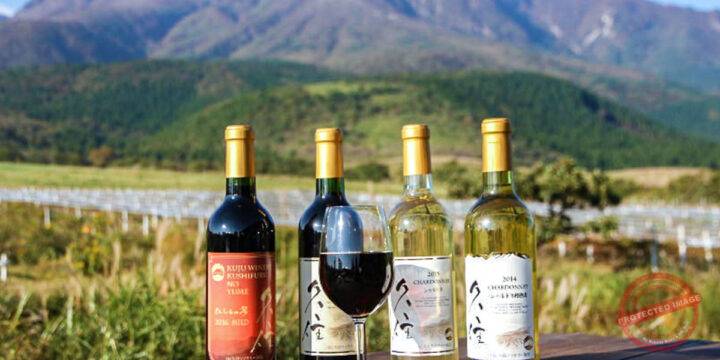
Kuju Winery offers a sophisticated exploration of high-altitude viticulture, situated where the crisp mountain atmosphere of the Kuju range defines the character of each vintage. This boutique estate occupies a prominent position within the rolling pasturelands of the Kuju highlands, providing a serene environment where viticulture and natural scenery coexist. The architectural and agricultural footprint of the winery is intentionally understated, allowing the surrounding mountain silhouettes to remain the focal point. Unlike larger commercial operations, this estate prioritizes a deliberate, small-scale approach to production. The focus remains on grapes cultivated within this specific highland terroir, resulting in wines characterized by a notable clarity and a refined, dry profile. It is an essential destination for those interested in the evolution of Japanese wine, offering a quiet perspective on the region’s unique…
Read More
Kuju Flower Park

Kuju Flower Park

Sightseeing
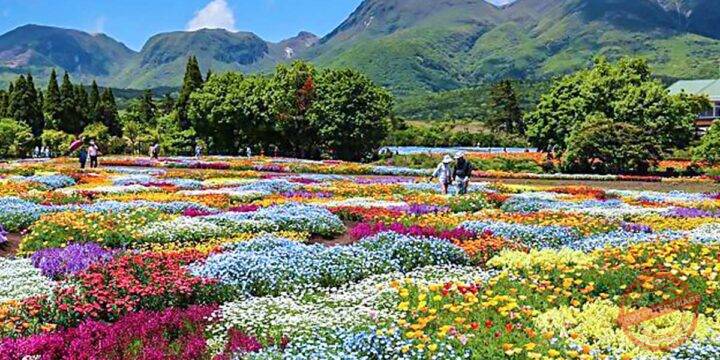
Kuju Flower Park serves as a refined botanical sanctuary on the high plateau of the Kuju Mountains, where seasonal shifts are marked by expansive floral displays.   The park offers a sophisticated engagement with the natural world, set against a dramatic backdrop of volcanic peaks and open highlands. Spanning an extensive area at a high elevation, the site provides a cooler climate and a sense of clarity that is particularly welcoming during the warmer months. The design of the grounds favors a relaxed pace. Wide walking paths and unobstructed vistas allow the scenery to unfold naturally, avoiding the constraints of more rigid, formal gardens. This landscape is a testament to the beauty of the Oita prefecture, offering a serene environment for those who appreciate the intersection of horticultural skill and…
Read More
Canal City Hakata

Canal City Hakata

Sightseeing
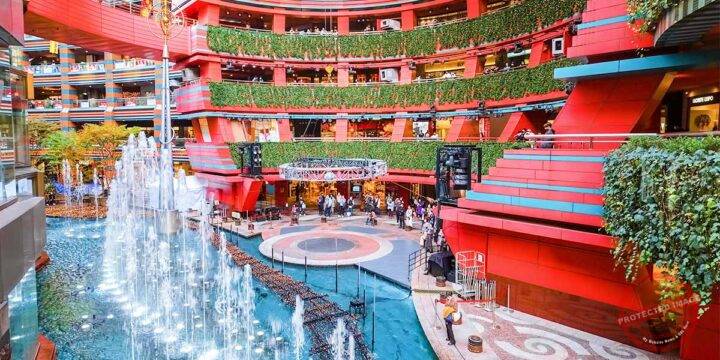
Canal City Hakata represents a landmark in Japanese urban design, blending luxury retail, hospitality, and performance art within a sophisticated architectural framework. Since its inauguration in 1996, Canal City Hakata has served as a preeminent example of the "city-in-city" philosophy. Designed by the renowned architect César Pelli, the complex is defined by its organic, curving silhouettes that mirror the flow of the artificial canal at its core. This water feature acts as a central nervous system for the site, creating an open-air atmosphere that feels more like a refined European promenade than a traditional commercial center. The interplay of natural light during the daylight hours transitions into a choreographed display of illumination after dark. This creates a versatile environment that appeals to those who value structural harmony and thoughtful urban…
Read More
Kokin Denju Tea House

Kokin Denju Tea House

Sightseeing
Discover the refined beauty of a historic teahouse where ancient poetry and Japanese garden views meet in Kumamoto. The tea house refers to the sacred tradition of passing down the secret interpretations of the Kokin Wakashu, a celebrated imperial poetry anthology from the Heian period, from master to disciple.Originally constructed within the Kyoto Imperial Palace grounds around 1600, this structure is famously recognized as the site where Hosokawa Yusai, the esteemed founder of the Hosokawa clan, initiated Prince Toshihito into the deepest mysteries of waka poetry. In the Taisho era, the building was carefully relocated from Kyoto to its current home within Kumamoto’s Suizenji Jojuen Park.Boasting over 400 years of history, this distinguished landmark offers an atmosphere of profound elegance. Visitors can enjoy a moment of true Japanese sophistication, pairing…
Read More
English Rose Garden, Gelato & Cheese

English Rose Garden, Gelato & Cheese

Sightseeing
The rose garden, gelato, and cheese offer a refined immersion into one of the region’s best collections. The gardens present a meticulously curated assembly of 1,500 roses, encompassing 600 distinct species that define the landscape during the peak of the spring season. While photography captures the visual scale of the blooms, the sensory experience of the site is far more profound. The air remains permeated by a delicate fragrance that shifts in character as one moves through the various sections of the grounds.The experience extends beyond the aesthetic to include local culinary craftsmanship. The cheese cellar serves as a gallery of regional identity, housing varieties aged to perfection through meticulous European techniques adapted for the Japanese palate. Complementing the savory is the world-class gelato, crafted with an emphasis on the…
Read More
Mount Koya

Mount Koya

Sightseeing
Mount Koya is a UNESCO-listed sacred mountain in Japan, known for ancient temples, forested pilgrimage paths, and over 1,200 years of Buddhist history. Mount Koya lies in the northeastern reaches of Wakayama Prefecture and stands as one of Japan’s most significant Buddhist sanctuaries. Founded more than 1,200 years ago by Kobo Daishi Kukai, it remains the spiritual center of Shingon Esoteric Buddhism. Today, Mount Koya forms a core component of the UNESCO-designated Sacred Sites and Pilgrimage Routes in the Kii Mountain Range, recognized for its enduring religious and cultural legacy.Set deep in the mountains, Mount Koya feels removed from the pace of modern Japan. Its quiet temple precincts, cedar forests, and centuries-old rituals have drawn pilgrims for generations and continue to resonate with visitors seeking a more contemplative experience. The…
Read More