Kamado Jigoku (Cooking Pot Hell)

Kamado Jigoku (Cooking Pot Hell)

Sightseeing
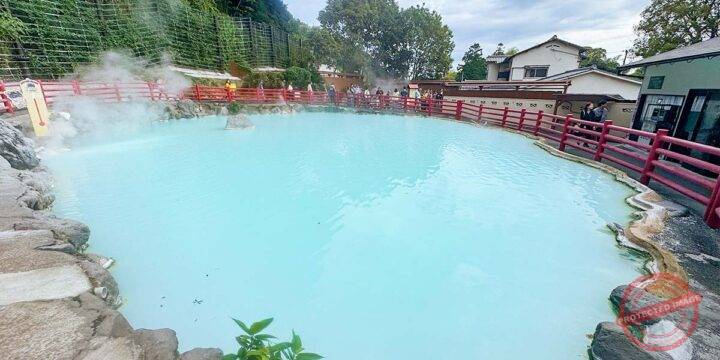
Kamado Jigoku, or the "Cooking Pot Hell", stands as one of the most diverse and visually striking geothermal sites within the historic Beppu Onsen district.   The name of the site is derived from an ancient tradition where the intense steam rising from the earth was utilized to cook ritual offerings for the Kamado Hachiman Shrine. The attraction is architecturally defined by a series of distinct ponds, each exhibiting different physical properties and vibrant mineral colors ranging from cobalt blue to blood red. These pools are the result of varying water temperatures and mineral concentrations, such as iron and silica, which crystalize to create a dramatic subterranean landscape. The craftsmanship of the site’s infrastructure, including the viewing platforms and footbaths, allows for a close yet disciplined encounter with the energetic…
Read More
Beppu Catholic Church

Beppu Catholic Church

Sightseeing
Experience the architectural clarity and spiritual stillness of the Beppu Catholic Church, a stable center of faith situated within the historic hot-spring district of Oita Prefecture.   The Beppu Catholic Church is distinguished by its refined modernist architecture, featuring clean structural lines and a bright, expansive interior. Unlike the ornate European cathedrals, this structure reflects a post-war aesthetic that prioritizes spatial balance and the use of natural light. The construction utilizes high-quality stone and glass to create a sanctuary that feels both grounded and uplifting. The craftsmanship is particularly visible in the rhythmic placement of the windows and the precise geometry of the nave, which foster an environment of orderly calm.The significance of the site lies in its role as a cultural anchor within Beppu, a city globally renowned for…
Read More
St. Mary Kannon Hall of Hara Castle

St. Mary Kannon Hall of Hara Castle

Sightseeing
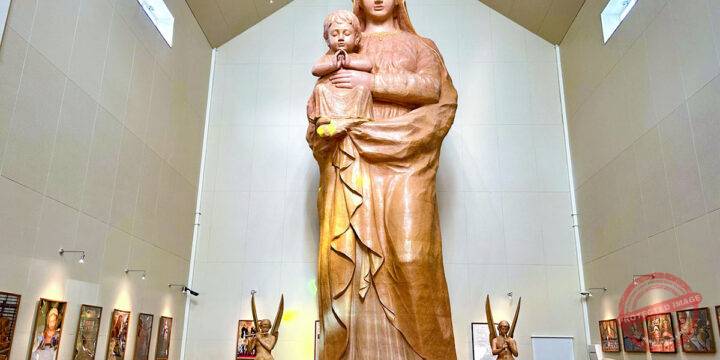
A modern sanctuary in Minamishimabara housing a monumental 10-meter wooden statue, created over 40 years to console the 37,000 souls lost in the Shimabara Rebellion.   St. Mary Kannon Hall is a site of deep spiritual resonance, located on a hillside overlooking the World Heritage Hara Castle Ruins. The hall was built specifically to house the "St. Mary Kannon of Hara Castle", a colossal wooden statue standing 10 meters tall. Carved from giant camphor trees using the traditional Azekura-zukuri (interlocking log) technique, it is recognized as one of the largest single-artist wood carvings in the world.The statue is the life's work of sculptor Eiji Oyamatsu, who spent 40 years carving it single-handedly. After visiting the Hara Castle ruins in the 1970s, Oyamatsu was moved by the lack of a major…
Read More
Oe Church

Oe Church

Sightseeing
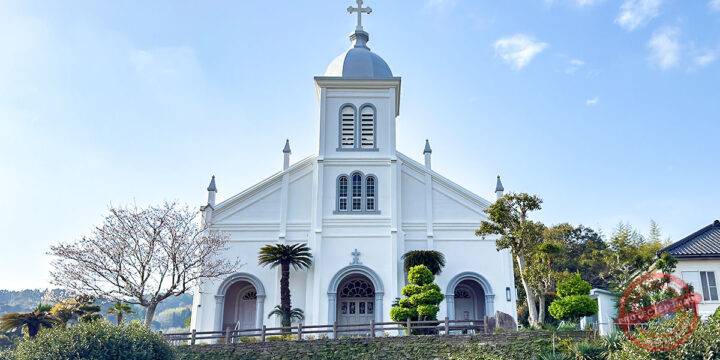
Oe Church is a majestic Romanesque-style sanctuary in Amakusa, built through the personal dedication of Father Garnier and the craftsmanship of Yosuke Tetsukawa to serve a community reunited with their faith.   Oe Tenshudo Church stands as a striking landmark on a hill overlooking the peaceful village of Oe. Its history is a testament to the revival of Catholicism in Amakusa after centuries of prohibition. Following the lifting of the ban in 1873, Masakichi Nishi, a believer from Kaminoshima, played a pivotal role in discovering and guiding the local "Hidden Christians" back to the Church. The current building, completed in 1931, was a labor of love funded largely by the personal savings of the French missionary Father Frédéric Louis Garnier, who spent 44 years serving the local community.The church was…
Read More
Sakitsu Village in Amakusa

Sakitsu Village in Amakusa

Sightseeing
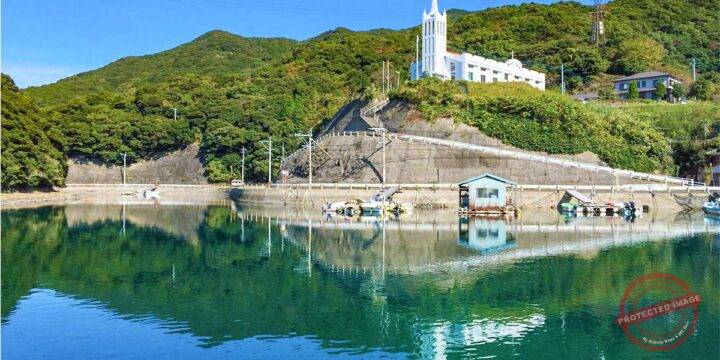
Sakitsu Village is a UNESCO World Heritage site in Amakusa where a unique "fishing village faith" flourished in secret for over two centuries.   Sakitsu Village is a serene coastal settlement in southern Shimoshima that preserves a singularly evocative chapter of the "Hidden Christian" narrative. Unlike the mountainous retreats of other regions, the faith here was deeply intertwined with the sea. During the era of prohibition, the community maintained a highly organized but discreet spiritual life, adapting their devotion to the materials of their trade. In a remarkable example of cultural inculturation, practitioners venerated the iridescent patterns found inside abalone and pen shells as symbols of the Virgin Mary, finding the sacred within the tools of their daily labor.The village is architecturally defined by the Sakitsu Church, a Gothic-style structure…
Read More
Hara Castle Ruins

Hara Castle Ruins

Sightseeing
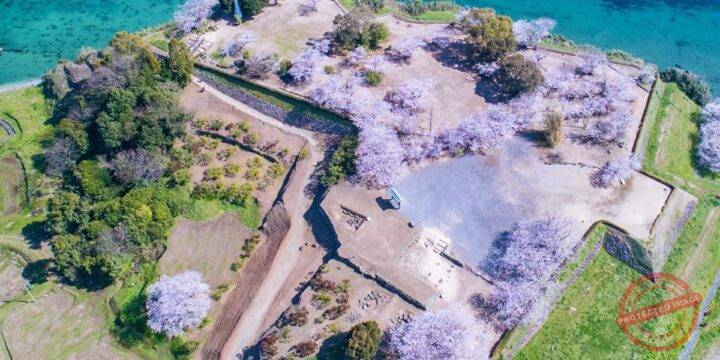
Explore the Hara Castle Ruins, a UNESCO World Heritage site where 15th-century architecture meets the profound legacy of Japan’s Hidden Christian history.   The Hara Castle Ruins stand as a silent, powerful witness to the intersection of feudal Japanese fortification and the enduring resilience of faith. Originally established in 1496 by the daimyo Arima Takazumi, the stronghold was strategically positioned on a coastal plateau formed by ancient volcanic activity. Encircled on three sides by the Ariake Sea, the fortress was so architecturally striking it was once referred to as "Higurashi Castle", a name suggesting one could gaze upon it until sunset without tiring. The site’s historical gravity shifted significantly in 1637 during the Shimabara-Amakusa Rebellion. Following the abandonment of the castle under the "One Castle per Province" edict, the ruins…
Read More
Otometoge St. Mary Chapel

Otometoge St. Mary Chapel

Sightseeing
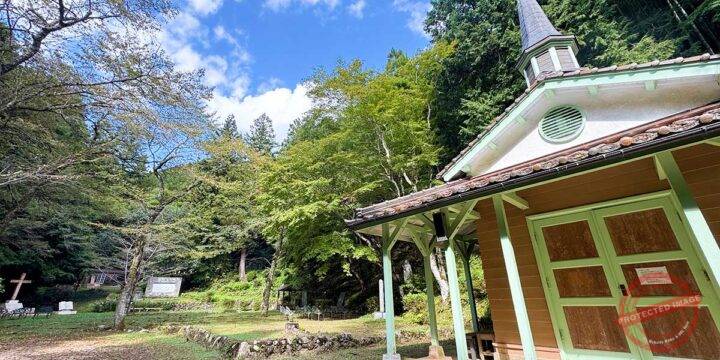
The Otometoge St. Mary Chapel stands as a poignant memorial to the endurance of the "hidden Christians", serving as a dignified site of reflection within the quiet forests of Tsuwano. Completed in 1951, the current chapel was established on the site of a former isolation camp where proscribed Christians from Nagasaki were exiled during the final years of the Edo period. The architecture is characterized by its simple white facade and traditional wooden frame, a design that emphasizes humility and historical continuity over decorative grandeur. The structure's restrained aesthetic is typical of mid-century Japanese ecclesiastical buildings, intended to harmonize with the surrounding mountain landscape rather than dominate it. The craftsmanship is modest but precise, utilizing local materials to create a sanctuary that respects the gravity of its history.The interior of…
Read More
Hori Japanese Garden

Hori Japanese Garden

Sightseeing
A refined estate where Edo-period landscape design and seasonal elegance reflect the sophisticated heritage of a prominent mining family. The Hori Japanese Garden is a designated National Scenic Beauty site, representing the ancestral estate of the Hori family, who managed the influential copper mines of the region for centuries. The garden was meticulously developed during the mid to late Edo period, showcasing a "chisen-kaiyu-style" (strolling pond) design that harmonizes with the dramatic mountain backdrop of the valley. The construction of the central villa and the accompanying tea houses utilizes high-quality timber and traditional joinery, reflecting the immense cultural and economic influence the family held within the Tsuwano Domain.The garden's significance lies in its masterful use of "shakkei", or borrowed scenery, where the surrounding forested peaks are integrated into the visual…
Read More
Taikodani Inari Shrine

Taikodani Inari Shrine

Sightseeing
A preeminent landmark of the San’in region, the Taikodani Inari Shrine is recognized as one of Japan’s five most significant Inari sanctuaries, distinguished by its commanding hillside presence.   Established in 1773 by the seventh lord of the Tsuwano Domain, Kamei Norisada, the shrine was originally built as a site of prayer for the protection of the castle and the prosperity of the local people. The approach to the main sanctuary is defined by a remarkable "senbon torii" pathway, consisting of approximately 1,000 vivid vermilion gates that tunnel up the forested slope. This architectural feature creates a rhythmic and immersive transition from the town below to the sacred grounds above. The construction of the current main hall showcases the ornate craftsmanship of the Showa era, featuring intricate woodcarvings and expansive…
Read More
Tsuwano Catholic Church

Tsuwano Catholic Church

Sightseeing
Discover the understated elegance of the Tsuwano Catholic Church, a structure that harmonizes European Gothic motifs with the traditional wooden craftsmanship of the San'in region.   Completed in 1931 under the guidance of Father Paul Aimé Marie Bonnet, the Tsuwano Catholic Church stands as a significant architectural landmark within the town's historic Tonomachi district. While the exterior features the classic lines and pointed arches of Western Gothic design, the interior reveals a surprising and refined departure from European norms. In place of traditional wooden pews, the nave is laid with "tatami" mats, a deliberate integration of Japanese domestic customs into the ecclesiastical space. This feature reflects a sophisticated cultural synthesis, allowing for a worship environment that felt both sacred and familiar to the local community.The church is further distinguished by…
Read More