Goryokaku Park

Goryokaku Park

Sightseeing
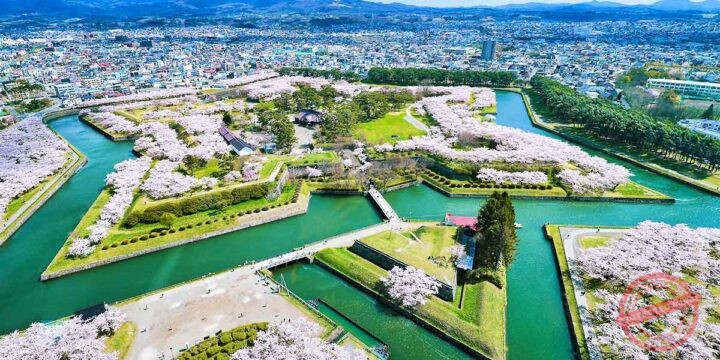
A singular example of French-style military engineering in Japan, Goryokaku Park preserves the star-shaped fortress that served as the final stage of the Boshin War. Completed in 1864, Goryokaku was designed by the scholar Takeda Ayasaburo under the instruction of the Tokugawa Shogunate. The fortress represents a significant departure from traditional Japanese castle architecture, adopting the Western "Vauban" style characterized by its pentagonal, star-shaped layout. This design was intended to eliminate blind spots and allow for the strategic placement of cannons to defend against modern naval threats. The site is defined by its massive stone walls, hand-cut from local granite, and its expansive peripheral moats which remain a marvel of mid-19th-century engineering.The significance of the park lies in its role as the seat of the short-lived Republic of Ezo, marking…
Read More
Catholic Motomachi Church

Catholic Motomachi Church

Sightseeing
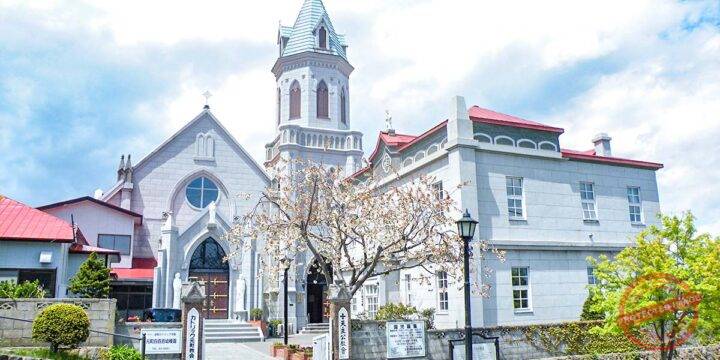
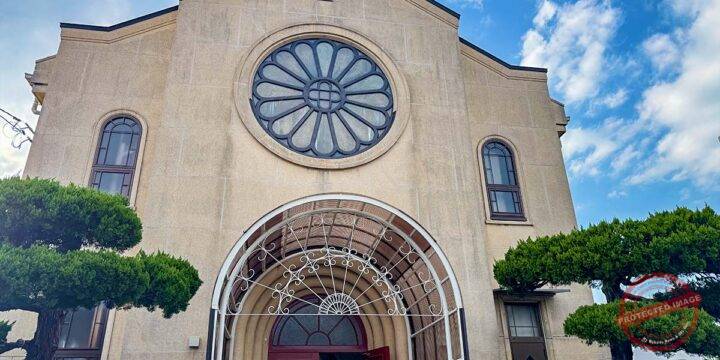
The Catholic Motomachi Church stands as a distinguished landmark of the Hakodate skyline, representing one of the oldest Christian congregations in modern Japan. The present structure was completed in 1923, following a series of fires that challenged the early mission. It is a premier example of the Gothic Revival style, characterized by its soaring bell tower and elegant pointed arches. The construction utilizes high-quality stone and mortar, reflecting the architectural resilience required for the coastal climate of southern Hokkaido. One of its most verifiable and noteworthy features is the ornate altar, which was a personal gift from Pope Benedict XV. This connection to the Vatican underscores the site’s global significance within the Catholic tradition.The interior is defined by refined craftsmanship and a series of vivid stained-glass windows that illuminate the…
Read More
Kanemori Red Brick Warehouses

Kanemori Red Brick Warehouses

Sightseeing
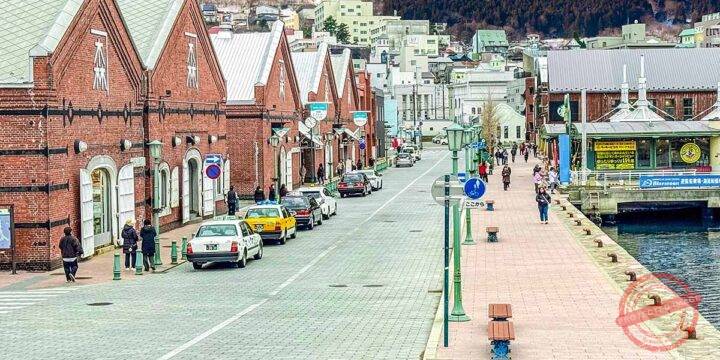
The Kanemori Red Brick Warehouses represent the quintessential spirit of Hakodate’s maritime past, where meticulously preserved industrial architecture now serves as a vibrant cultural center.   Originally constructed in 1887 by the entrepreneur Kumashiro Watanabe, the Kanemori Red Brick Warehouses stand as a definitive symbol of the first international trading port in Japan. The current structures were rebuilt in 1909 following a major fire, utilizing deep red brick and sturdy timber frames that exemplify the late Meiji era’s functional elegance. These buildings were designed to facilitate the rapid expansion of the shipping industry, serving as crucial hubs for the storage of goods entering the northern frontier. The craftsmanship is characterized by the enduring masonry and the iconic "Kanemori" logo emblazoned on the gables, marking a legacy of mercantile prestige. The…
Read More
Trappist Monastery

Trappist Monastery

Sightseeing
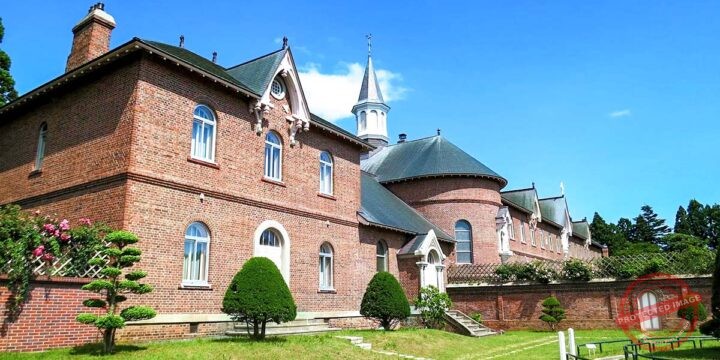
Explore the historic Trappist Monastery in Tobetsu, a landmark of monastic discipline and red-brick architecture that remains a cornerstone of Hokkaido’s European heritage. Founded in 1896 by the Cistercians of the Strict Observance, the Trappist Monastery stands as the first men’s contemplative monastery in Japan. The approach to the estate is defined by a long, majestic avenue of cedar and poplar trees that leads toward the central brick structures. These buildings, largely completed in the early 20th century, exhibit a refined Romanesque influence characterized by heavy masonry and rounded arches. This architectural choice reflects the permanence and stability central to the monastic order. The site’s construction utilized local materials to recreate the aesthetic of French monasteries, creating a rare cultural bridge between the traditions of Western Europe and the landscape…
Read More
Our Lady of the Angels Trappistine Abbey

Our Lady of the Angels Trappistine Abbey

Sightseeing
Experience the tranquil heritage of Our Lady of the Angels Trappistine Abbey, the first contemplative women’s monastery in Japan, defined by its historic brick architecture.   Established in 1898 by eight sisters sent from France, Our Lady of the Angels Trappistine Abbey stands as a significant landmark of Hokkaido’s early international history. The current main structure, completed in 1927, features a sophisticated blend of Gothic and Romanesque architectural elements. Built with deep red brick and punctuated by arched windows and circular towers, the design reflects the disciplined and enduring nature of monastic life. The craftsmanship is evident in the precision of the masonry, which has weathered the northern climate for decades while maintaining its structural integrity and aesthetic poise. The grounds are meticulously maintained, featuring quiet pathways and manicured gardens…
Read More
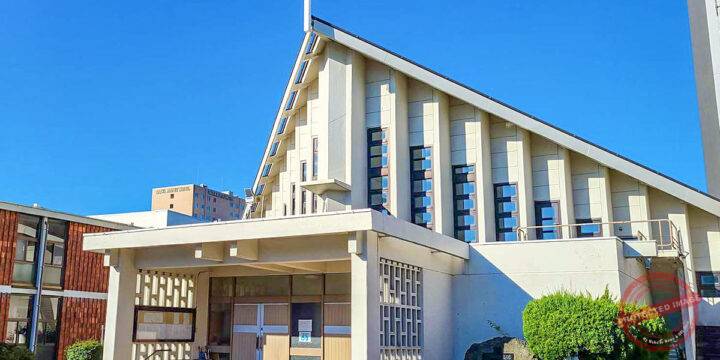
Catholic Sapporo Church

Catholic Sapporo Church

Sightseeing
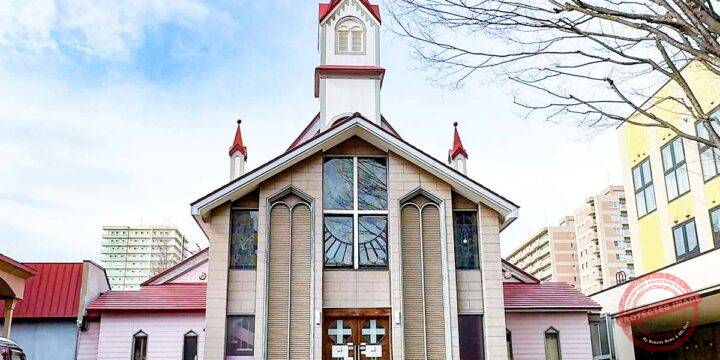
Known as the Kita-Ichijo Cathedral, this church serves as a cornerstone of architectural heritage and the historic center of the Catholic community in Hokkaido. Originally established in its current cathedral form in 1916, the Catholic Sapporo Church serves as the episcopal seat for the Diocese of Sapporo. The building is a sophisticated example of early 20th-century Western architecture, constructed primarily from Sapporo soft stone. This choice of material not only provided the structural resilience required for the harsh northern climate but also integrated the building into the specific geological and aesthetic fabric of the city. The facade, characterized by its twin spires and symmetrical proportions, reflects a transition from the Romanesque to the Gothic Revival style, echoing the European roots of the missionaries who settled in the region. The interior…
Read More
Catholic Otaru Church

Catholic Otaru Church

Sightseeing
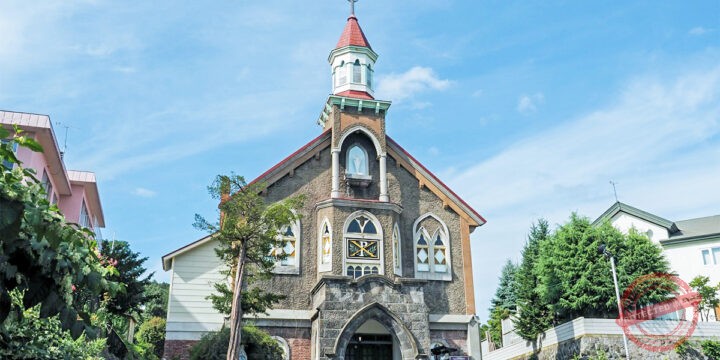
A landmark of architectural grace, where historic stonework and vibrant stained glass reflect the enduring European influence on Hokkaido’s coastal heritage. Established during a period of significant growth for the port city of Otaru, the Catholic Otaru Church stands as a premier example of Gothic-inspired architecture in northern Japan. Completed in 1929, the structure is characterized by its refined stonework and a striking red-roofed spire that has punctuated the city’s skyline for nearly a century. The building’s design adheres to the traditional aesthetics of European ecclesiastical architecture, featuring pointed arches and a symmetrical facade that conveys a sense of permanence and dignity. The interior is noted for its collection of stained glass, which filters natural light to create a tranquil, contemplative environment. These artisanal windows, alongside the church’s preserved wooden…
Read More
Arima Christian Heritage Museum

Arima Christian Heritage Museum

Sightseeing
A key cultural landmark in Minamishimabara, offering a deep dive into the history of the Arima clan and the dramatic events of the Shimabara-Amakusa Rebellion. Arima Christian Heritage Museum is a thoughtfully designed facility that serves as a gateway to understanding the "Christian Century" in the Shimabara Peninsula. Located near the ruins of Hara Castle, a central site of the 1637 Shimabara-Amakusa Rebellion, the museum illuminates the sophisticated culture that emerged under the Christian daimyo Arima Harunobu. It provides a sobering and detailed look at how the region was transformed by missionary influence, the flourishing of Western education, and the eventual tragic shift toward suppression. The museum's exhibits are renowned for their clarity and emotional impact, utilizing archaeological finds from the local castle ruins and digital reconstructions to bring the…
Read More
Francis Xavier Monument

Francis Xavier Monument

Sightseeing
The Francis Xavier Monument in Hirado’s Sakigata Park is a historic landmark commemorating the 400th anniversary of the Jesuit missionary’s arrival and the birth of Japan’s first Christian community.   The Francis Xavier Memorial Square is a site of immense historical importance located within Sakigata Park. It was established to honor the 400th anniversary of St. Francis Xavier’s arrival in Hirado in 1550. Xavier, a co-founder of the Jesuit Order, was the first to bring Christianity to Japan, and Hirado served as one of his most significant mission bases. The square is more than just a statue. It is a gateway to the early "Christian Century" of Japan. Near the monument lies the site where the very first church in Hirado once stood. These landmarks collectively represent the "First Period"…
Read More
Fukue Church

Fukue Church

Sightseeing
Fukue Church is the spiritual heart of Goto City, a resilient white cathedral known as a "miracle" survivor of the 1962 Great Fukue Fire and the central hub for the Shimogoto parishes.   Fukue Catholic Church is the largest and most prominent church in the southern Goto Islands. Located in the center of the former castle town, it serves as the administrative and spiritual anchor for the entire region. While the parish became independent from the historic Dozaki Church in 1914, the current modern structure was completed in 1962. The church is most famous for the "Miracle of 1962". Shortly after its completion, a massive fire, known as the Great Fukue Fire, ravaged the city center, destroying hundreds of homes and buildings. Amidst the blackened ruins and devastation, the bright…
Read More