Daikanbo Observatory

Daikanbo Observatory

Sightseeing
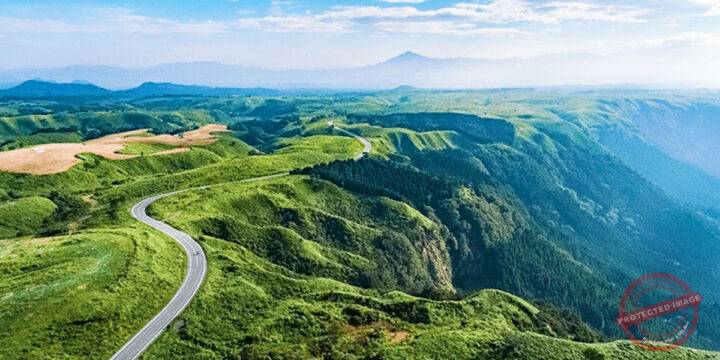
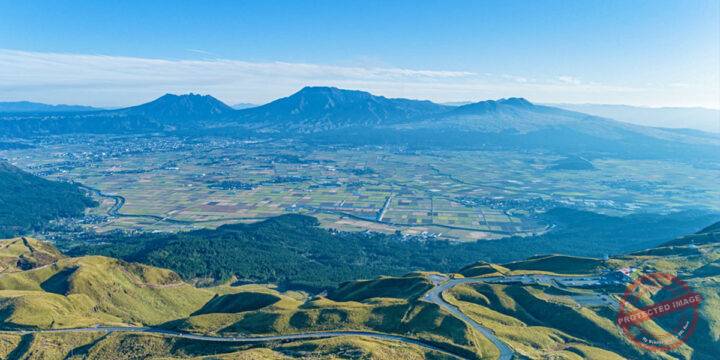
Kaikanbo Observatory Behold the majestic geological scale of Daikanbo Lookout, the highest peak on the northern rim of the Aso caldera, offering what is arguably the most authoritative panoramic view in Kyushu.   Standing at an elevation of 935 meters, the observatory is architecturally characterized by its expansive summit plateau that provides an unobstructed 360-degree perspective of the surrounding topography. The site is famous for viewing the "Nehanzo" (Sleeping Buddha), a silhouette formed by the five peaks of Mount Aso that resembles a reclining deity. The terrain is defined by its dramatic cliffside edges and the vast, rolling grasslands of the outer rim, which were shaped by colossal pyroclastic flows thousands of years ago. The layout of the lookout includes a disciplined walking path that leads to the tip of…
Read More
Aso Shrine

Aso Shrine

Sightseeing
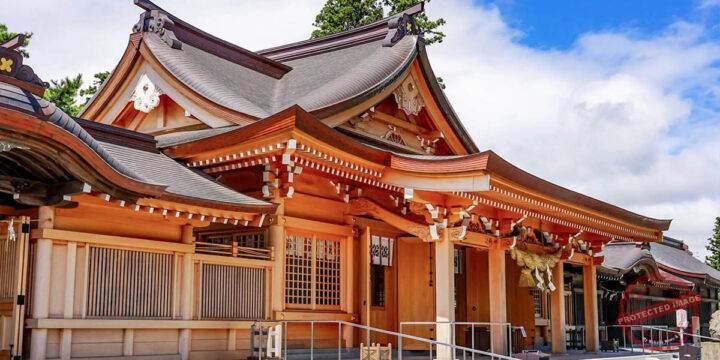
Discover the profound spiritual and historical resonance of Aso Shrine, one of Japan's oldest and most significant Shinto sanctuaries, serving as the spiritual guardian of the Mount Aso region for over two millennia. The shrine is architecturally renowned for its grand "Hiyoshi-zukuri" style, characterized by a monumental two-story Romon gate that was historically ranked among the three largest of its kind in Japan. While the 2016 Kumamoto earthquake caused extensive damage to several structures, a disciplined and highly sophisticated restoration project has successfully revived the shrine’s physical presence. The current precinct features meticulously restored timber-framed halls and sweeping thatched roofs that utilize traditional joinery techniques, reflecting a period of immense cultural resilience. The layout is unique for its "Ichinomiya" (first shrine) status, with a long, horizontal approach (sando) that runs…
Read More
Shirakawa Spring Source

Shirakawa Spring Source

Sightseeing
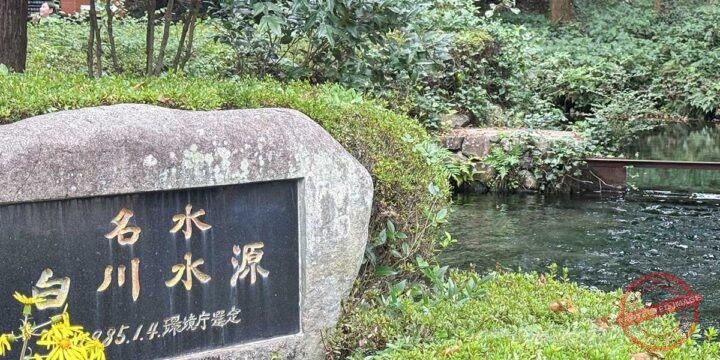
Discover the pristine beauty of the fountain, a designated "Meisui Hyakusen", which yields an astonishing 60 tons of water per minute.   Deep in the heart of Kumamoto Prefecture, nestled within the village of Minamiaso, lies a place often whispered about as the "source of life" for the region. While its formal title is frequently found on bottled labels across Japan, it is best described by its characteristics. The significance of the fountain lies in its dual role as a spiritual site and a vital economic resource. For centuries, the local community has maintained a culture of reverence for this "water of life", which serves as the primary source for the region’s rivers and irrigates the vast rice paddies of the Kumamoto Plain. Visitors are permitted to collect the water, which is…
Read More
Sakura no Baba Josaien

Sakura no Baba Josaien

Sightseeing
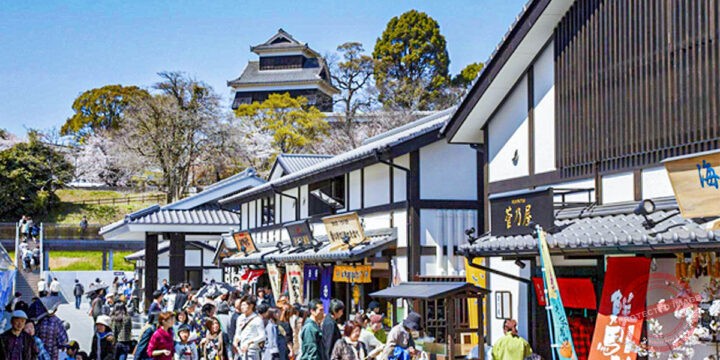
Immerse yourself in the historical vitality of Sakura no Baba Josaien, a meticulously designed cultural complex at the foot of Kumamoto Castle that recreates the vibrant atmosphere of a 17th-century castle town. The district is architecturally defined by the "Sakura-no-Koji", a retail and dining area that mirrors the wooden townhouses and traditional aesthetic of the Edo period. These structures utilize dark timber frames and tiled roofs to evoke the era when the Hosokawa clan governed the Kumamoto domain. The layout is designed to serve as a ceremonial approach to the castle, guiding visitors through a rhythmic transition from the modern city into a curated historical enclave. This disciplined reconstruction provides a tactile sense of the commercial life that once thrived beneath the protection of the castle's massive stone walls.The significance…
Read More
Aino Observatory

Aino Observatory

Sightseeing
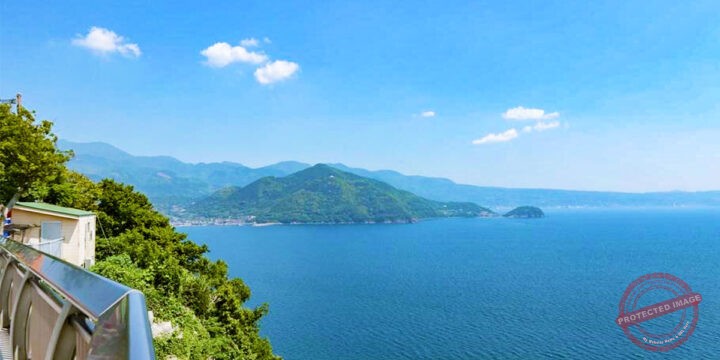
The Aino Observatory is a distinguished panoramic viewpoint located at the gateway to the Unzen Peninsula, celebrated for its commanding views and significant imperial history. Strategically positioned along National Route 57 in Aino-cho, the observatory is architecturally characterized by its elevated terraces that provide a 360-degree perspective of the surrounding topography. The site is famously designated as the "His Majesty the Emperor Viewpoint", a title earned following three separate visits by Emperor Showa, who favored the location for its exceptional clarity and geographical importance. The layout of the observatory is designed to offer a disciplined and unobstructed gaze over Tachibana Bay, where the blue of the Ariake Sea meets the verdant, rolling contours of the Nagasaki countryside.The significance of the Aino Observatory lies in its role as a psychological and…
Read More
Nagasaki Peace Park

Nagasaki Peace Park

Sightseeing
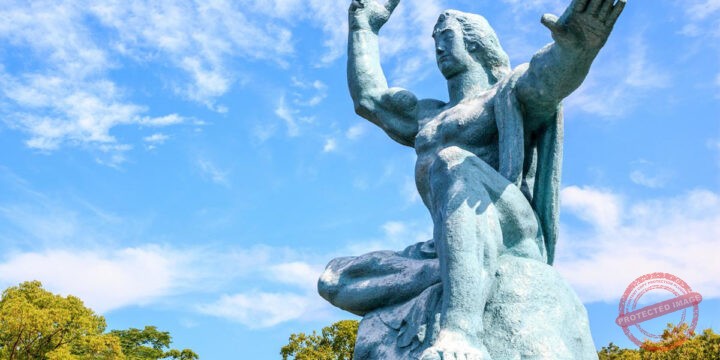
The Nagasaki Peace Park serves as a profound international landmark, established on a low hill north of the atomic bomb hypocenter to commemorate the victims and advocate for a future without nuclear conflict. The park is architecturally structured into several distinct zones, including the Zone of Hope and the Zone of Prayer, designed to facilitate both public ceremonies and private reflection. The focal point of the park is the Peace Statue, a monumental bronze sculpture created by Seibo Kitamura. The statue’s design is rich in symbolism: the raised right hand points to the threat of nuclear weapons, the extended left hand signifies eternal peace, and the closed eyes represent a prayer for the souls of the victims. The stability of the massive stone pedestal provides an authoritative presence that anchors…
Read More
Nagasaki Atomic Bomb Museum

Nagasaki Atomic Bomb Museum

Sightseeing
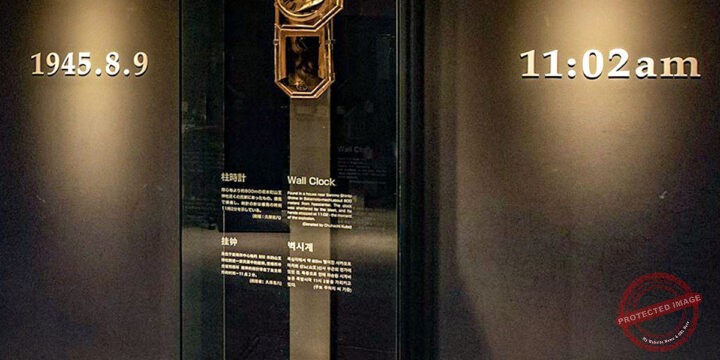
The Nagasaki Atomic Bomb Museum stands as a dignified and authoritative institution dedicated to the preservation of history and the global advocacy for nuclear disarmament. The museum’s architecture is designed to lead visitors on a transition from the darkness of the past to the light of a peaceful future. The entrance is marked by a circular, descending path that prepares the visitor for the gravity of the exhibits within. The interior design utilizes a disciplined arrangement of space, where the structural remains of the city are highlighted against minimalist backdrops to emphasize their historical weight. This includes the reconstruction of a portion of the Urakami Cathedral wall, which serves as a powerful architectural witness to the scale of the destruction.The significance of the collection lies in its meticulous documentation of…
Read More
Megane Bridge

Megane Bridge

Sightseeing
Discover the architectural grace of Megane-bashi (Megane Bridge), or the "Spectacles Bridge", a double-arched stone structure that stands as one of the oldest and most significant examples of 17th-century civil engineering in Japan. Spanning the Nakashima River, the bridge was constructed in 1634 by the Chinese monk Mokusyo Nyojo, the second-generation abbot of Kofukuji Temple. The bridge is architecturally defined by its two symmetrical stone arches which, when reflected in the tranquil waters of the river, create the distinct visual illusion of a pair of spectacles. This design reflects a sophisticated level of stonemasonry introduced from China during the early Edo period. The construction utilizes meticulously carved basalt and stone blocks, fitted with a precision that has allowed the bridge to survive numerous floods and urban developments for nearly four…
Read More
Nagasaki Shinchi Chinatown

Nagasaki Shinchi Chinatown

Sightseeing
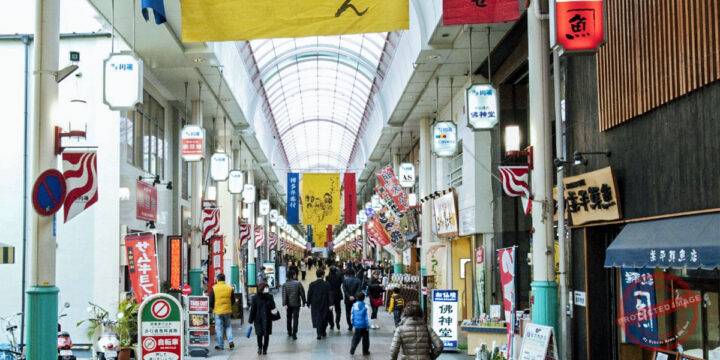
Explore the historic and sensory richness of Nagasaki Shinchi Chinatown, the oldest Chinese quarter in Japan and a vibrant testament to the city's long-standing role as a center of international commerce. Originally established during the Edo period on reclaimed land to serve as a warehouse district for Chinese trade goods, the quarter is architecturally defined by its four ornate "paifang" (traditional gates). These gates were constructed using materials and artisanal expertise from Fuzhou, with each gate corresponding to a compass direction and a guardian deity of Chinese mythology. The streets are characterized by a dense, rhythmic arrangement of vermilion pillars and golden ornamentation, creating a disciplined yet energetic urban environment that stands in distinct contrast to the surrounding Japanese architecture.The significance of the district lies in its culinary and festival…
Read More
Dejima Wharf

Dejima Wharf

Sightseeing
Experience the coastal sophistication of Nagasaki Dejima Wharf, a premier waterfront destination that integrates contemporary leisure with the historic maritime identity of Nagasaki Port.   The architecture of Dejima Wharf is defined by its expansive, two-level wooden promenade designed to maximize the panoramic views of the harbor. This modern complex serves as a stylistic bridge between the historic Dejima restoration area and the active international port. The design emphasizes open-air spaces and clean, nautical-inspired lines, creating a disciplined yet welcoming environment for both residents and travelers. The construction utilizes weather-resistant materials suited for the salty sea air, while the rhythmic arrangement of its storefronts mirrors the bustling energy of a traditional trading quay. The significance of the wharf lies in its ability to offer an authoritative perspective on Nagasaki’s modern…
Read More