Lake Ashi

Lake Ashi

Sightseeing
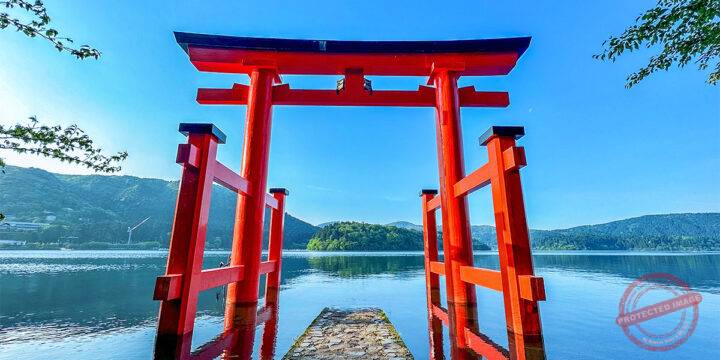
Behold the tranquil majesty of Lake Ashi, a historic crater lake offering a polished narrative of volcanic geography and iconic views of Mount Fuji. The lake is architecturally and topographically defined by its origin within the massive caldera of Mount Hakone. This was formed following a major volcanic eruption approximately 3,000 years ago. Its deep, sapphire waters are framed by the steep, forested slopes of the outer rim, creating a natural amphitheater that has served as a landmark for travelers for centuries. The layout of the lake is punctuated by key cultural monuments, most notably the submerged vermilion torii gate of Hakone Shrine and the historic Hakone Checkpoint. This site once monitored passage along the vital Tokaido road. This spatial arrangement allows visitors to experience the lake as both a…
Read More
Hakone Shrine

Hakone Shrine

Sightseeing
Behold the spiritual majesty of Hakone Shrine, a historic lakeside sanctuary renowned for its iconic red torii gate and serene, forest-shrouded surroundings.   The shrine is architecturally defined by its classic "Gongen-zukuri" style, featuring lacquered vermilion structures that contrast brilliantly against the deep evergreens of Mount Hakone. Its most authoritative visual landmark is the "Heiwa no Torii" (Torii of Peace), which stands partially submerged in the waters of Lake Ashi, marking the boundary between the sacred and the profane. The layout follows a disciplined ascent from the lakeshore, with a long stone staircase lined by ancient cedars leading to the main sanctuary. This vertical orientation reflects the traditional practice of mountain worship, where the physical climb serves as a meditative transition into the realm of the deities.The significance of Hakone…
Read More
Mt.Fuji Goko

Mt.Fuji Goko

Sightseeing
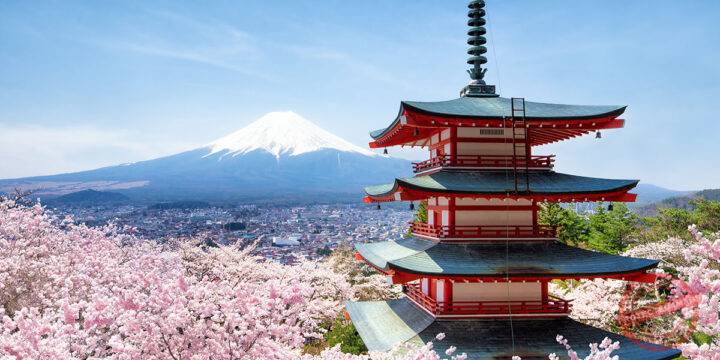
Contemplate the serene beauty of the Fuji Five Lakes, a historic district where ancient volcanic activity created a majestic landscape at the foot of Mount Fuji.   The region is architecturally and topographically defined by its diverse elevations and vistas, with Lake Kawaguchi serving as the primary cultural hub while Lake Motosu remains celebrated for providing the iconic "Inverse Fuji" reflection. Each lake offers a disciplined perspective on the volcano’s scale, from the expansive surfaces of Lake Yamanaka to the secluded shores of Lake Sai. The layout of the region is interconnected by prehistoric lava flows and the Aokigahara forest, creating a unified ecosystem recognized as a UNESCO World Heritage site for its role as a source of artistic inspiration.The significance of the Fuji Five Lakes lies in their historical…
Read More
Takachiho Gorge

Takachiho Gorge

Sightseeing
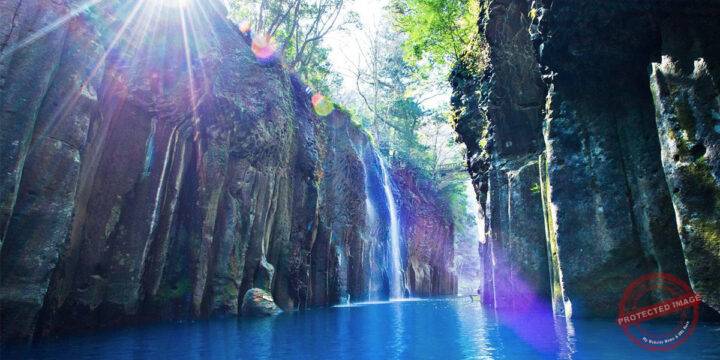
Witness the dramatic fusion of primeval volcanic force and ancient mythology at Takachiho Gorge, a nationally designated Place of Scenic Beauty located in Miyazaki Prefecture. The gorge is architecturally defined by its towering columnar joints, which were formed over 100,000 years ago during the four major pyroclastic flows of Mount Aso. As the lava cooled rapidly against the Gokase River, it crystallized into disciplined, hexagonal basalt pillars that now rise to heights of 80 to 100 meters. The layout of the gorge is characterized by its narrow, winding passage and the celebrated Manai Falls, which cascades 17 meters into the deep emerald waters below. This vertical landscape creates a sense of profound enclosure, where the sheer scale of the basalt cliffs provides an authoritative perspective on the region's immense volcanic…
Read More
Gunkanjima Tour

Gunkanjima Tour

Sightseeing
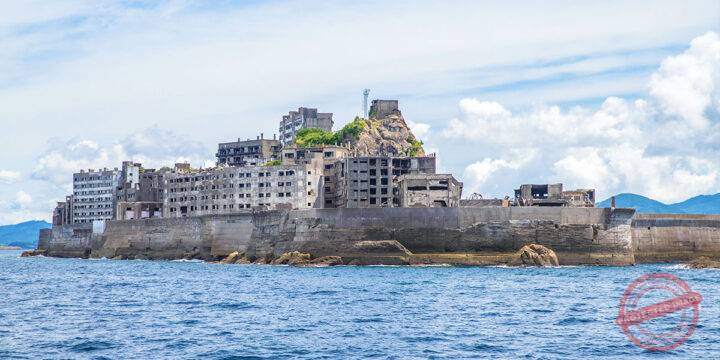
Confront the haunting industrial grandeur of Hashima Island, widely known as Gunkanjima or "Battleship Island" due to its distinct silhouette of high-rise concrete structures and massive sea walls.   Located approximately 18 kilometers from Nagasaki Port, this small undersea coal mining island serves as a profound architectural witness to Japan’s rapid modernization during the Meiji and Showa eras. The site is characterized by its pioneering reinforced concrete apartment blocks. The layout reflects a disciplined, self-contained urban environment where residential, educational, and industrial spaces were compressed into a mere 6.3 hectares, all fortified by massive sea walls.The significance of Gunkanjima lies in its status as a UNESCO World Heritage site under the "Sites of Japan’s Meiji Industrial Revolution" designation. It provides an authoritative perspective on the life of the miners and…
Read More
Kigatsu Catholic Church

Kigatsu Catholic Church

Sightseeing
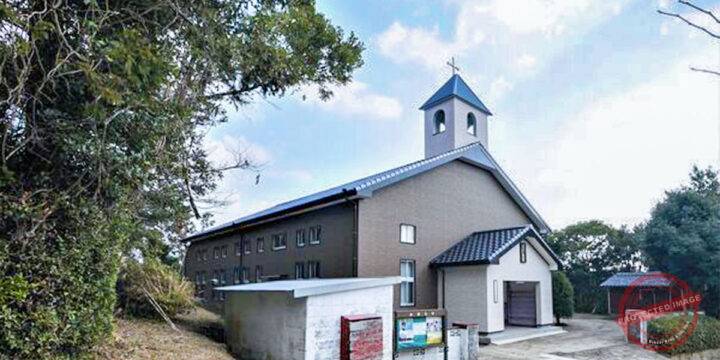
Observe the serene architectural legacy of Kigatsu Catholic Church, a historic wooden structure situated along the quiet shoreline of Hirado Island that exemplifies the humble and persistent faith of Nagasaki’s Christian communities. The church is architecturally defined by its modest wooden construction, a hallmark of early ecclesiastical design in rural Japan during the Meiji and Taisho eras. Completed in 1962 to replace an older structure dating back to the late 19th century, the current building maintains a disciplined and unpretentious aesthetic that harmonizes with the surrounding coastal village. The interior features a soft, diffused lighting scheme that filters through simple stained-glass windows, illuminating a vaulted ceiling and a clean, linear nave. This layout reflects the practical yet spiritual focus of local fishing communities, where the church served as both a…
Read More
Himosashi Catholic Church

Himosashi Catholic Church

Sightseeing
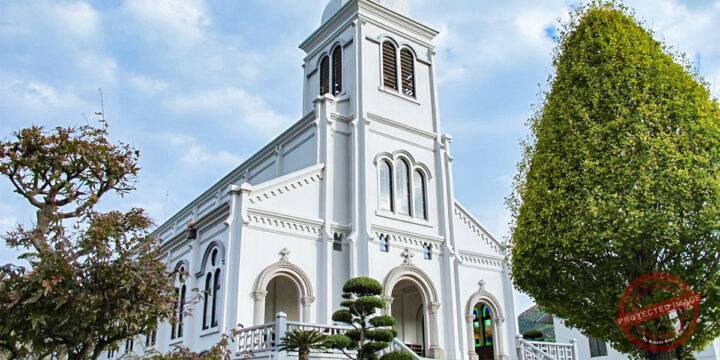
Admire the architectural grandeur of Himosashi Catholic Church, a monumental structure on Hirado Island that stands as one of the largest and most significant Romanesque-style churches in Japan. The church is architecturally defined by its expansive white facade and a massive, vaulted interior that exemplifies the sophisticated craftsmanship of Yosuke Tetsukawa, a celebrated master of church architecture. Constructed in 1929 following the reconstruction of an earlier Meiji-period building, the structure utilizes a disciplined Romanesque design characterized by rounded arches, sturdy pillars, and a rhythmic arrangement of clerestory windows. The layout features a wide central nave and side aisles, creating a sense of immense spiritual volume. Notably, the interior design incorporates subtle Japanese cultural adaptations; the stained-glass windows feature unique floral motifs, including camellias and cherry blossoms, which ground the universal…
Read More
Kawabata Shopping Arcade

Kawabata Shopping Arcade

Sightseeing
Uncover the authentic merchant spirit of the Kawabata Shopping Arcade, the oldest commercial street in Fukuoka, which serves as a vital historical bridge between the ancient trading port of Hakata and the modern city. The arcade is architecturally defined by its 400-meter-long covered walkway, a structure that provides a disciplined and sheltered environment for over 100 traditional shops. This layout reflects the classic Japanese "shotengai" design, where narrow storefronts emphasize high density and community interaction. The arcade is strategically positioned as a cultural corridor, physically linking the modern Canal City Hakata complex with the sacred grounds of Kushida Shrine. This spatial arrangement allows for a rhythmic transition from contemporary retail into the preserved heart of Hakata’s religious and social life, with the architecture of the shops often featuring traditional "noren"…
Read More
Tenjin Shopping Street Area

Tenjin Shopping Street Area

Sightseeing
Navigate the high-energy urban pulse of the Tenjin Shopping Street area, the preeminent commercial and cultural heart of Fukuoka that stands as a testament to the city's dynamic postwar evolution and modernization. The district is architecturally defined by a sophisticated multi-level layout that seamlessly integrates the historic surface streets with the sprawling Tenjin Chikagai, a massive underground shopping mall. This subterranean passage, designed with a distinct 19th-century European aesthetic featuring wrought-iron accents and stone-paved floors, stretches for nearly 600 meters and acts as a climate-controlled artery connecting the area's major transit hubs. Above ground, the landscape is dominated by a disciplined arrangement of flagship department stores and sleek glass-fronted complexes, creating a vertical retail environment that maximizes urban density while maintaining pedestrian-friendly pathways.The significance of the Tenjin area lies in…
Read More
Kusasenri Milk Road

Kusasenri Milk Road

Sightseeing
Traverse the unparalleled freedom of the Aso Milk Road, a premier scenic driving route that winds along the northern outer rim of the Aso caldera, offering an authoritative perspective on the region's vast volcanic geography. Originally developed as a local access road for dairy farmers to transport milk from highland pastures, the route has evolved into a world-class destination for its "road in the sky" atmosphere. The drive is architecturally defined by its rhythmic curves that follow the natural contours of the ancient caldera rim, providing a constant and shifting dialogue with the horizon. The landscape is characterized by its expansive, emerald-green grasslands that transform into a shimmering sea of silver "susuki" grass in the autumn, reflecting the seasonal vitality of the Kumamoto highlands.The significance of the Milk Road is…
Read More