Glover Garden

Glover Garden

Sightseeing
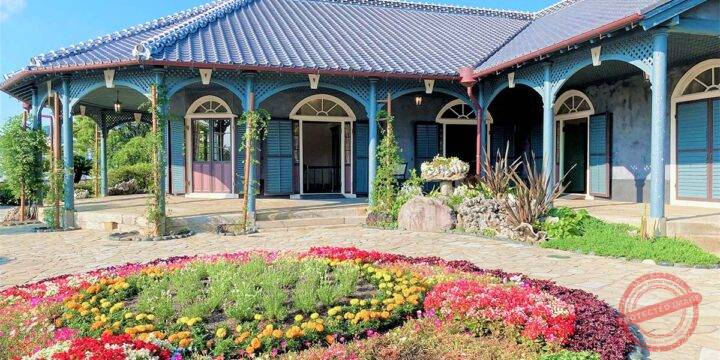
Discover the elegant architectural legacy of Glover Garden, a premier hillside estate in Nagasaki that chronicles Japan's transition into the modern era through its preserved Western-style residences. Perched on a scenic slope overlooking Nagasaki Port, the garden serves as an authoritative open-air museum. It features several historic mansions built by foreign merchants during the late 19th century. The most significant structure is the former Glover House, which was completed in 1863 and stands as the oldest Western-style wooden building in Japan. This residence is architecturally distinguished by its fusion of British colonial design and Japanese craftsmanship, featuring large verandas alongside traditional roof tiles. The layout of the estate is a disciplined arrangement of stone-paved paths and manicured greenery that allows for an expansive view of the harbor. This creates a…
Read More
Gion Hanami Yokocho

Gion Hanami Yokocho

Sightseeing
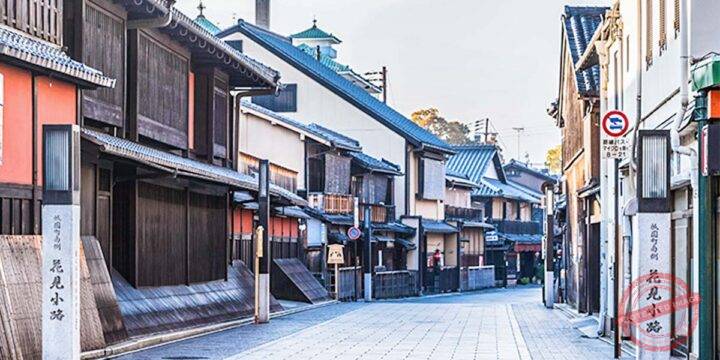
Uncover the refined elegance of Gion Hanami-koji, a historic Kyoto thoroughfare where preserved teahouses and geiko traditions reflect the pinnacle of Japanese hospitality. The Gion district, specifically the Hanami-koji area, serves as an authoritative window into the Muromachi and Edo periods. It is architecturally defined by its "machiya" townhouses. These structures feature characteristic dark wood lattices known as "koushi" and bamboo fences called "inuyarai" that protect the lower walls. The layout of the street is a disciplined arrangement of flagstone paving and low-slung buildings that have functioned as the center of Kyoto's "karyukai" or "flower and willow world" for centuries. This district was originally developed to serve the pilgrims visiting the nearby Yasaka Shrine. It eventually evolved into a sophisticated enclave for the performing arts and high-level tea ceremonies.The significance…
Read More
Fushimi Inari Taisha Shrine

Fushimi Inari Taisha Shrine

Sightseeing
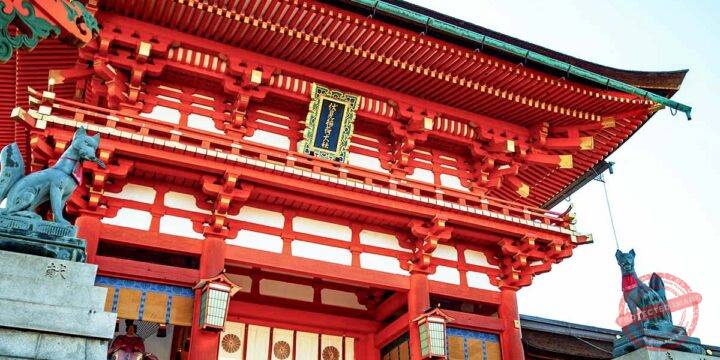
Explore the spiritual majesty of Fushimi Inari Taisha, the preeminent Shinto sanctuary in Kyoto celebrated for its iconic pathways of vermilion gates. The shrine serves as the authoritative head of over 30,000 Inari shrines throughout Japan. This spiritual complex was established in 711 and is architecturally defined by its location on the slopes of the sacred Mount Inari. The layout is characterized by the "Senbon Torii". This is a disciplined succession of thousands of vermilion-lacquered gates that form a vibrant tunnel winding up the mountainside. Each gate has been donated by a business or individual, creating a physical record of the shrine's historical role as a protector of commerce and agriculture. The structures utilize traditional Japanese joinery and are maintained with rhythmic precision to preserve their striking color against the…
Read More
Enoshima

Enoshima

Sightseeing
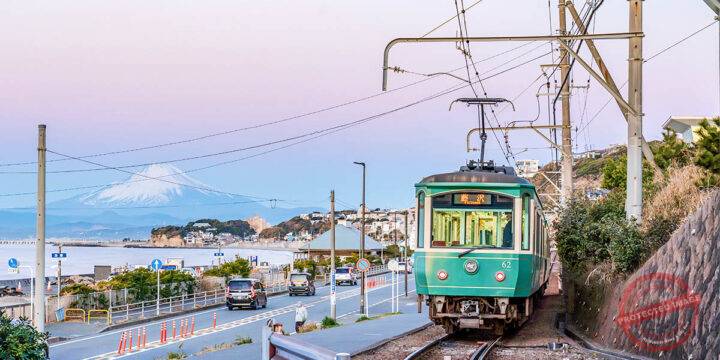
Discover the vibrant cultural legacy and maritime beauty of Enoshima, a storied island in Sagami Bay that has served as a center of spiritual devotion and leisure for over a thousand years. The island is architecturally and topographically defined by its steep, forested slopes and the winding "Benzaiten Nakamise-dori" shopping street that ascends from the mainland bridge. Its layout is centered on the Enoshima Shrine complex. This is comprised of three separate sanctuaries each dedicated to a different sea goddess. The structures feature polished vermilion-lacquered timber and traditional Shinto carpentry that reflect centuries of imperial and shogunal patronage. At the island’s highest point, the Sea Candle lighthouse provides an authoritative perspective on the Kanto coastline and the towering silhouette of Mount Fuji.The significance of Enoshima lies in its historical identity…
Read More
Asakusa (Sensoji Temple and Nakamise Shopping Street)

Asakusa (Sensoji Temple and Nakamise Shopping Street)

Sightseeing
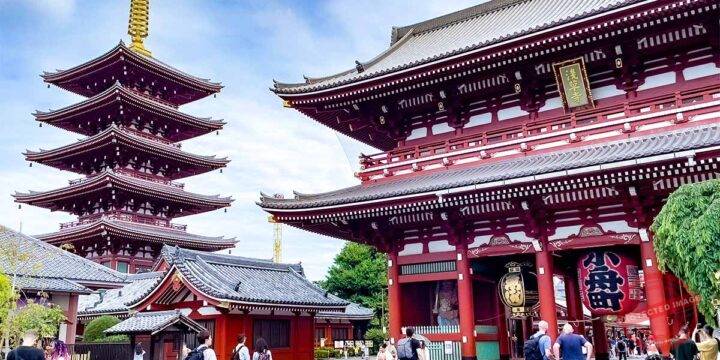
Experience the enduring spirit of Asakusa, the historic heart of Tokyo defined by the majestic Sensoji Temple and its vibrant traditional marketplace. Asakusa serves as the premier gateway to Tokyo’s Edo-period heritage. It is centered on Sensoji, the city’s oldest Buddhist temple, founded in 628 following the discovery of a golden statue of Kannon, the goddess of mercy. The architectural journey begins at the Kaminarimon, or "Thunder Gate", which features a massive red lantern and protective statues of the deities of wind and thunder. Beyond this entrance lies Nakamise-dori, a disciplined 250-meter shopping avenue that has functioned as a lively approach to the temple for centuries. The street is lined with specialized stalls offering traditional crafts and regional snacks. This commercial vibrancy transitions into the spiritual precinct of the Hozomon…
Read More
Arima Onsen Town

Arima Onsen Town

Sightseeing
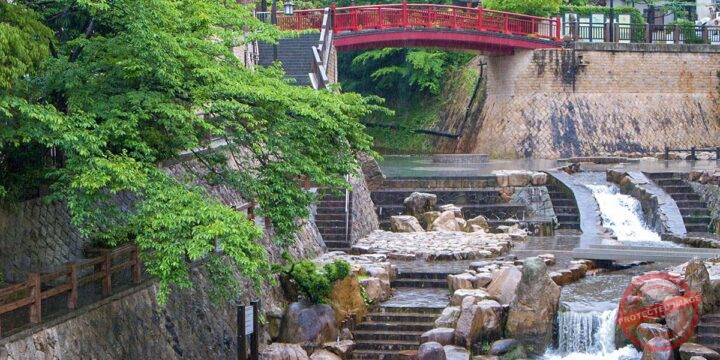
Discover the profound historical legacy of Arima Onsen, an ancient mountainside retreat in Kobe renowned for its rare mineral springs and storied heritage. Arima Onsen is architecturally defined by its steep, narrow lanes and traditional wooden structures that evoke the nostalgic atmosphere of a bygone era. The town's layout is centered around the natural hot spring vents that have been active for millennia. These springs are unique as they emerge from the earth without any association with volcanic activity. Instead, they originate from deep crustal waters. This geological distinction has earned the town a place among Japan's "Three Ancient Springs". The district is characterized by its stone-paved paths lined with heritage craft shops and traditional ryokan, creating a sense of continuity with the historical figures and pilgrims who have sought…
Read More
Arashiyama (Togetsukyo Bridge and Bamboo Forest)

Arashiyama (Togetsukyo Bridge and Bamboo Forest)

Sightseeing
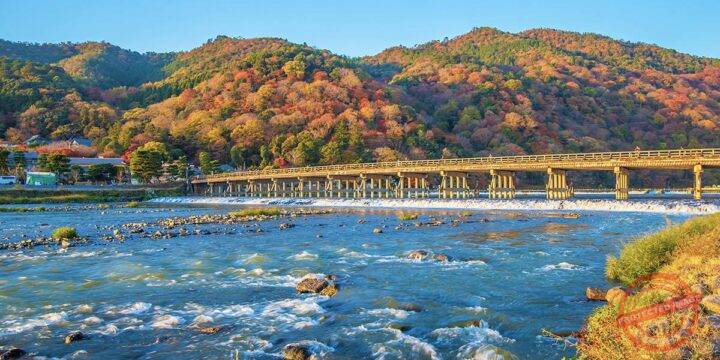
Observe the timeless elegance of Arashiyama, a celebrated Kyoto district where historic river scenery and serene bamboo groves reflect centuries of heritage. The Arashiyama district has served as a refined retreat for the Japanese imperial court and aristocracy since the Heian period. This long-standing cultural significance is anchored by the Togetsukyo Bridge, a 155-meter landmark that spans the Katsura River. While the current structure was reconstructed in 1934 using reinforced concrete, it preserves a traditional aesthetic with wooden railings that harmonize with the surrounding forested slopes. The bridge’s name translates to "Moon Crossing Bridge", a reference attributed to Emperor Kameyama who remarked on the moon’s steady passage over the span during a night boating excursion. A short distance away, the Arashiyama Bamboo Grove Path offers a disciplined 200-meter walkway that…
Read More
Arakurayama Sengen Park

Arakurayama Sengen Park

Sightseeing
Observe the breathtaking confluence of spiritual heritage and seasonal beauty at Arakurayama Sengen Park, a mountainside sanctuary that offers one of Japan's most definitive photographic perspectives. The park is architecturally and topographically defined by its location on the slopes of Mount Arakura. It features a disciplined ascent of nearly 400 stone steps known as the "Sakuya-hime Steps". At the summit of this climb stands the Chureito Pagoda, a five-storied vermilion structure built as a peace memorial in 1958. The layout of the observation deck is specifically designed to align the pagoda with the snow-capped peak of Mount Fuji in the distance. This spatial arrangement creates a perfectly balanced composition that has become a global symbol of Japanese aesthetics.The significance of the park lies in its dual identity as both a…
Read More
Kurotamagokan

Kurotamagokan

Sightseeing
Discover the unique culinary heritage of Kurotamagokan, a specialized facility dedicated to the black eggs that define the cultural identity of the Owakudani volcanic valley. The center is architecturally and functionally defined by its role as the primary hub for the production and sale of "Kuro-tamago". These are regular chicken eggs that undergo a natural chemical transformation when boiled in the valley's geothermal springs. The exterior of the facility features a disciplined and modern design that serves as a sanctuary for visitors seeking a reprieve from the intense sulfuric environment outside. Inside, the layout is organized to provide an authoritative look at the process behind the regional specialty. Large cauldrons utilize the mineral-rich waters of the "Hell Valley" to turn the eggshells a striking black through a reaction with iron…
Read More
Owakudani Hell Valley

Owakudani Hell Valley

Sightseeing
Observe the powerful primordial energy of Owakudani, a dramatic volcanic valley that serves as a testament to the enduring geothermal activity of the Hakone region. The valley is architecturally and geologically defined by its location within the crater of Mount Hakone. This was formed nearly 3,000 years ago during the volcano's final major eruption. The landscape is a stark and disciplined display of active fumaroles, where sulfurous steam rises from the mineral-rich earth against a backdrop of charred, white-stained rocks. The layout of the area is centered around the Hakone Ropeway station. This provides an authoritative aerial perspective of the "Great Boiling Valley" as visitors pass directly over the steaming vents. This vertical approach allows for a safe yet visceral encounter with the volcanic force that continues to shape the…
Read More