Nara Deer Park

Nara Deer Park

Sightseeing
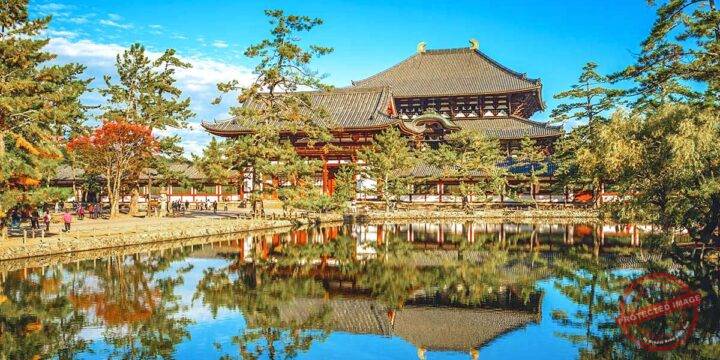
Nara Park serves as a monumental landscape of antiquity, where ancient spiritual architecture and protected wildlife coexist within a designated National Place of Scenic Beauty. The park is architecturally and topographically defined by its 660-hectare expanse at the foot of Mount Wakakusa. It functions as the authoritative setting for several components of the UNESCO World Heritage site "Historic Monuments of Ancient Nara". Established in 1880, the park integrates the precincts of the Todai-ji Temple and the Kasuga Taisha Shrine into a seamless cultural environment. The layout is characterized by a disciplined balance between manicured lawns and the primeval forest of Kasugayama. This creates a sense of profound continuity with the landscape of the 8th-century capital. The structures within the park utilize traditional timber craftsmanship and represent some of the largest…
Read More
Nada Sake Brewery District

Nada Sake Brewery District

Sightseeing
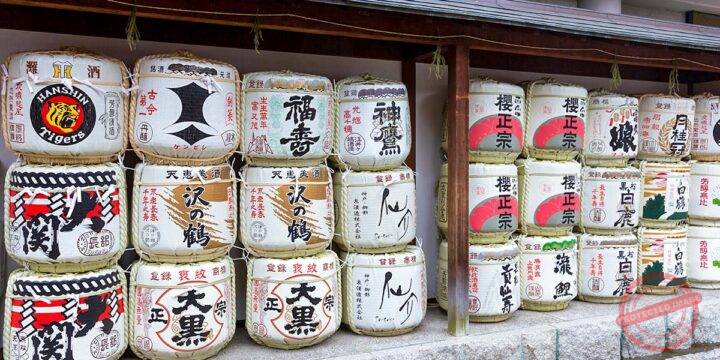
The Nada Sake Brewery District stands as the definitive heart of Japanese brewing heritage, where centuries of artisanal expertise and unique natural resources converge. This historic coastal area in Kobe represents the most prestigious of the "Nada Gogo" or Five Villages of Nada. It has led the nation in sake production since the Edo period. The district is architecturally defined by its "kura" warehouses, which feature traditional white-plastered walls and heavy timber frames designed to regulate temperature for fermentation. The layout of the region was strategically established to utilize the Miyamizu water, a mineral-rich spring that flows from the Rokko Mountains. This water is prized for its high phosphorus and carbonate content. It enables a vigorous fermentation process that produces the "Nada no Otoko-sake" or masculine sake, characterized by a…
Read More
Kotokuin Temple

Kotokuin Temple

Sightseeing
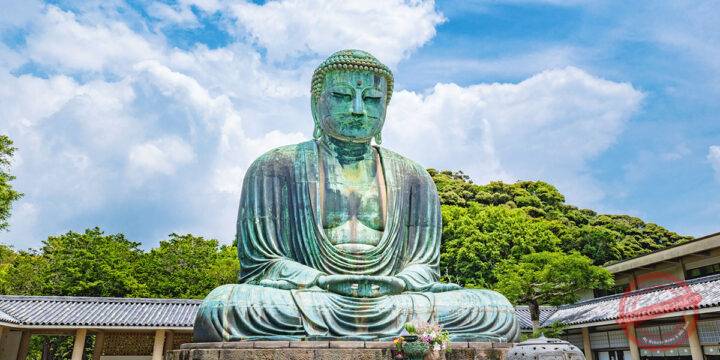
Kotoku-in Temple Kotoku-in Temple remains a site of profound historical weight, housing the Great Buddha of Kamakura as a monumental testament to 13th-century Japanese craftsmanship.   The temple is architecturally and spiritually centered on the Daibutsu, a colossal bronze statue of Amida Buddha that was cast in 1252 during the Kamakura period. This National Treasure stands approximately 11.3 meters tall and weighs over 120 tons. It represents a significant feat of medieval engineering. The statue was originally enshrined within a massive wooden hall. However, the building was destroyed by a series of typhoons and a tidal wave in the late 15th century. Since then, the Buddha has remained in the open air. This provides an authoritative sense of permanence against the elements. The bronze plates show evidence of sophisticated casting…
Read More
Komachi Street

Komachi Street

Sightseeing
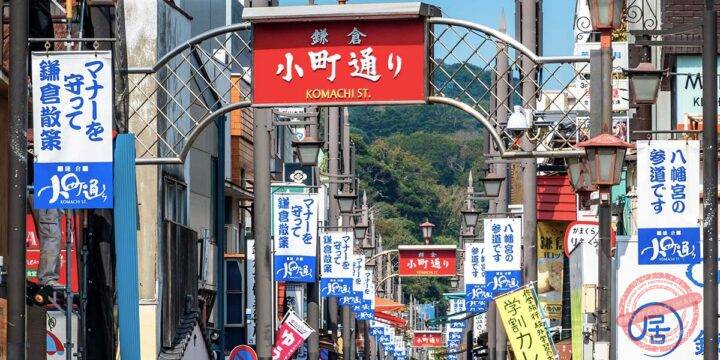
The historic Komachi Street functions as the premier cultural thoroughfare of Kamakura, bridging the city's modern commerce with its deep medieval roots. The street is architecturally defined by its 360-meter pedestrian thoroughfare, which has historically functioned as the primary secular approach to the Tsurugaoka Hachimangu Shrine. This transition from the urban center to the sacred precinct reflects Kamakura’s unique layout as a medieval coastal capital. The buildings along the path utilize a mix of traditional wooden facades and modern glass storefronts. This creates a rhythmic streetscape that has evolved since the Kamakura period. The layout is a disciplined arrangement of boutique shops, heritage confectioneries, and craft ateliers that have catered to pilgrims and travelers for centuries.The significance of Komachi Street lies in its role as a vital cultural anchor for…
Read More
Kiyomizudera Temple

Kiyomizudera Temple

Sightseeing
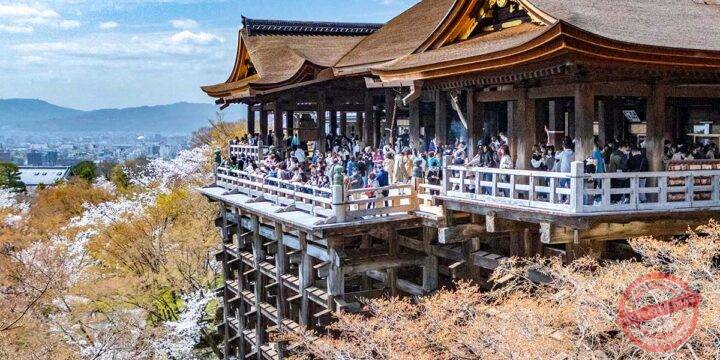
Kiyomizudera Temple stands as a monumental achievement of early Japanese engineering and spiritual devotion, offering an authoritative perspective over Kyoto from its prominent position on Mount Otowa. The temple was founded in 778 during the early Heian period and is architecturally defined by its massive wooden stage, which extends from the Main Hall. This structure is a masterpiece of traditional joinery, constructed using 139 giant zelkova pillars without the use of a single metal nail. The layout utilizes a sophisticated interlocking system known as "kake-zukuri" or overhanging construction. This allows the terrace to cling to the steep mountainside. This design was intended to accommodate the vast numbers of pilgrims who traveled to pay homage to the temple's primary deity, the Eleven-headed and Thousand-armed Kannon. The precinct is further characterized by…
Read More
Kinkakuji Temple

Kinkakuji Temple

Sightseeing
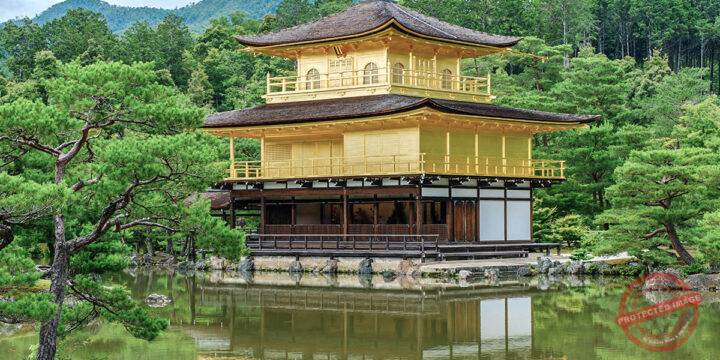
Kinkakuji Temple stands as a definitive icon of Zen Buddhist architecture, where the brilliant gold leaf of its Shariden Hall reflects the refined cultural aspirations of the Muromachi period. The temple, officially known as Rokuonji, is architecturally defined by its three-story pavilion that harmonizes three distinct styles of construction. The ground floor reflects the "shinden-zukuri" style of Heian-era palaces, while the second floor utilizes the "buke-zukuri" style associated with samurai residences. The uppermost floor is built in the Zen altar style. It is entirely gilded in pure gold leaf both inside and out. This structure was originally completed in 1397 as a retirement villa for Shogun Ashikaga Yoshimitsu. It was later converted into a Zen temple following his death. The layout is centered on the Kyoko-chi or "Mirror Pond", which…
Read More
Ishibe Yokocho (Kyoto Ishibe Kodo)

Ishibe Yokocho (Kyoto Ishibe Kodo)

Sightseeing
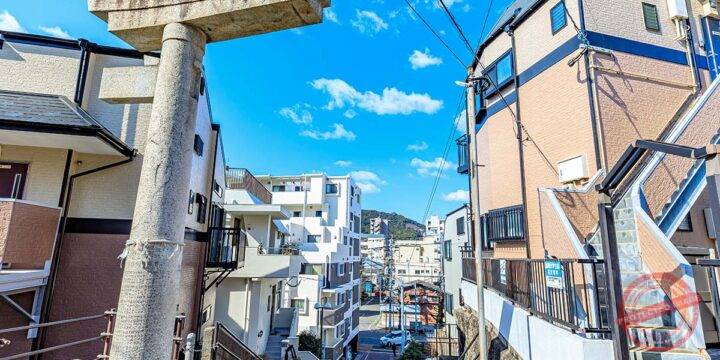
Ishibe-koji remains a quintessential example of Kyoto’s historic urban design, offering a secluded passage through the architectural heritage of the Higashiyama district. The lane is architecturally and topographically defined by its polished stone-paved paths and the refined "machiya" townhouses that line its narrow corridor. While many areas of Kyoto reflect the deep antiquity of the Heian period, Ishibe-koji was largely developed during the Taisho era. This period is characterized by a sophisticated blend of traditional Japanese aesthetics and subtle modern influences. The layout is a disciplined arrangement of cedar-walled residences and high-end "ryotei" restaurants. These are constructed using high-quality timber and traditional joinery. This spatial organization creates a sense of profound enclosure. The name "Ishibe" itself refers to the stone walls that give the alley its authoritative and grounded character.The…
Read More
Hozenji Temple

Hozenji Temple

Sightseeing
Hozenji Temple stands as a serene spiritual enclave nestled within a quiet alley of Osaka, offering a profound contrast to the vibrant energy of the nearby Dotonbori district. The temple is architecturally and topographically defined by its intimate scale and its location within the historic Hozenji Yokocho, a stone-paved lane that preserves the character of the Edo period. Established in 1637, the precinct serves as an authoritative anchor for the Namba area. It offers a stark contrast to the modern neon landscapes nearby. The layout is centered on the Mizukake Fudo statue, a representation of the deity Fudomyoo that is entirely enveloped in a thick layer of lush green moss. This distinctive feature is the result of a long-standing tradition where visitors pour water over the figure while offering prayers.…
Read More
Himeji Castle

Himeji Castle

Sightseeing
Discover the architectural brilliance of Himeji Castle, a UNESCO World Heritage site celebrated as the most pristine example of feudal Japanese fortification. Himeji Castle serves as the authoritative pinnacle of Japanese castle construction, with the current complex largely completed in 1609 under the direction of Ikeda Terumasa. The structure is architecturally defined by its brilliant white fireproof plaster walls, which earned it the name "Shirasagi-jo" or "White Heron Castle". This aesthetic choice reflects a sophisticated fusion of military utility and artistic elegance. The layout is a disciplined defensive masterpiece featuring a complex system of eighty-two buildings and a labyrinthine path to the main keep designed to confuse invaders. The primary materials consist of massive timber pillars and intricate stonework known as "fan sloping". These have allowed the castle to survive…
Read More
Kamakura Hasedera Temple

Kamakura Hasedera Temple

Sightseeing
Explore the profound spiritual legacy of Kamakura Hasedera, a hillside sanctuary established in 736 that stands as one of Japan's most venerable Buddhist institutions. The temple is architecturally and topographically defined by its terraced layout on the slopes of Mount Kamakura. This provides an authoritative vantage point over Sagami Bay. The lower grounds feature a disciplined arrangement of ponds and stroll gardens, while the upper terrace houses the Kannon-do Hall. This structure contains the temple's primary cultural treasure: a monumental eleven-headed statue of Kannon, the goddess of mercy. Carved from a single camphor tree and gilded in gold leaf, the statue stands over nine meters tall. It represents the pinnacle of Nara-period craftsmanship and religious devotion. The spatial organization of the complex encourages a meditative ascent, passing through rows of…
Read More