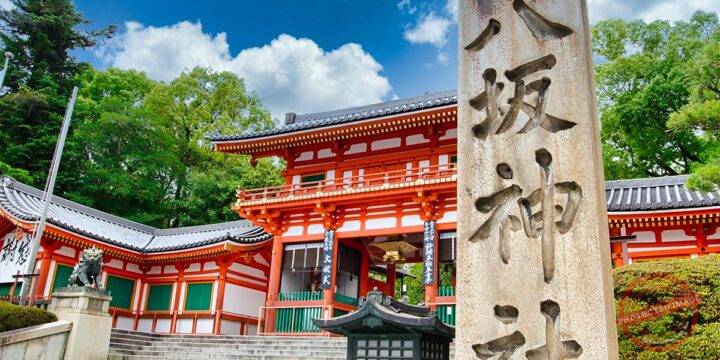
Suwa Shrine

Suwa Shrine

Sightseeing
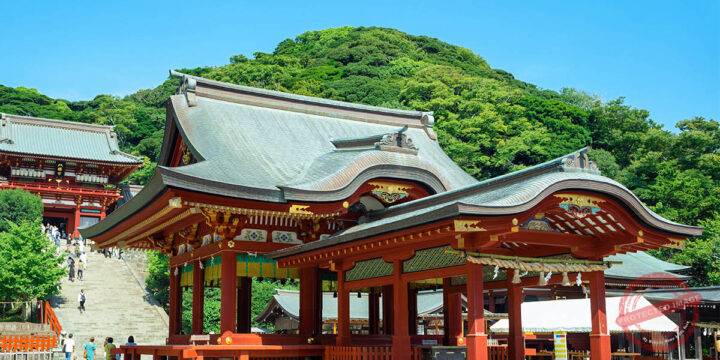
Suwa Shrine stands as a monumental hilltop sanctuary, serving as the primary spiritual anchor for Nagasaki and a witness to the city's unique historical trajectory. The shrine is architecturally defined by its commanding position on the slopes of Mount Tamazono. It is reached by ascending a disciplined series of wide stone staircases. Originally established in the 16th century and significantly expanded in 1625 during the early Edo period, the complex was designed to assert Shinto tradition in a city then deeply influenced by foreign trade and religion. The layout follows the "Gongen-zukuri" style, where the main hall and the hall of worship are joined under a single roof. This reflects the craftsmanship of the Tokugawa era. The structures are built from heavy timber and feature intricate carvings. They offer an…
Read More
Shinsaibashisuji Shopping Arcade, Dotonbori

Shinsaibashisuji Shopping Arcade, Dotonbori

Sightseeing
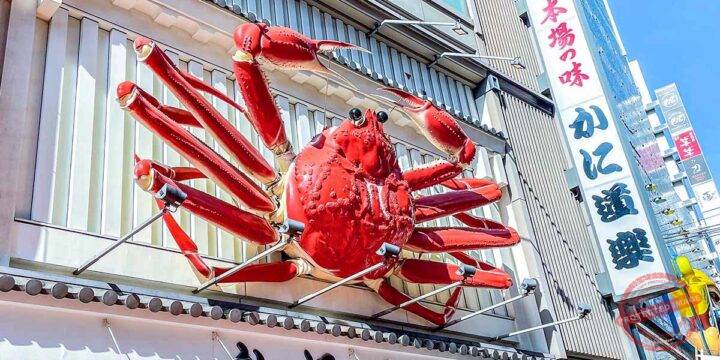
Shinsaibashi-suji Shopping Street and Dotonbori serve as the dual epicenters of Osaka’s commercial and cultural identity, merging centuries of merchant tradition with modern sensory intensity. The district is architecturally and topographically defined by the Shinsaibashi-suji arcade, a 600-meter covered thoroughfare that has functioned as a premier trading site since the early Edo period. The layout is a disciplined arrangement of multi-story department stores and historic boutiques that reflect the city's "Kuidaore" spirit of indulgence. This path leads directly to the Dotonbori canal, an area developed in the 17th century as an entertainment quarter for kabuki and bunraku theaters. The current environment is characterized by a high-density vertical landscape of neon signage, including the authoritative Glico Running Man and the mechanical Kani Doraku crab. The craftsmanship of these animated billboards defines…
Read More
Shinjuku Kabukicho

Shinjuku Kabukicho

Sightseeing
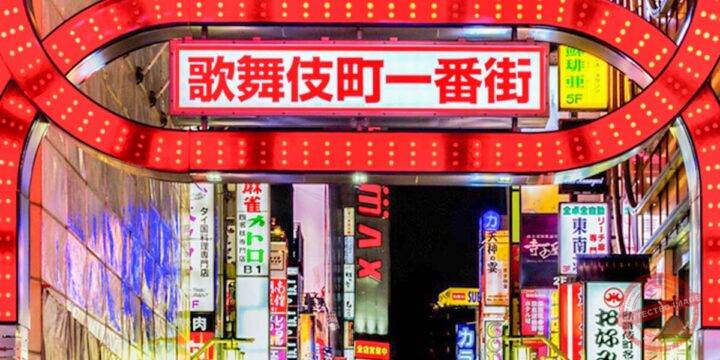
Shinjuku Kabukicho stands as a definitive hub of Tokyo’s nocturnal culture, representing a complex history of postwar reconstruction and urban evolution. The district is topographically and socially defined by its dense grid of narrow streets, located just northeast of Shinjuku Station. Originally envisioned as a site for a traditional Kabuki theater during the 1940s redevelopment, the area instead transitioned into a premier entertainment quarter characterized by a high-density vertical landscape. The layout is centered on the iconic Godzilla Road and the Shinjuku Toho Building, which serves as an authoritative modern landmark. The architecture is a rhythmic arrangement of multi-story "pencil buildings" that house an intricate network of specialized eateries, cinemas, and theaters. This structural density creates an immersive environment that has become a global symbol of Japan’s "sleepless" urban energy.The…
Read More
Shibuya Scramble

Shibuya Scramble

Sightseeing
Shibuya Scramble serves as the definitive pulse of modern Tokyo, representing a masterclass in urban synchronized movement and contemporary Japanese vitality. This landmark is architecturally and socially defined by its five-way "scramble" pedestrian crossing, situated at the heart of the Shibuya district. The intersection functions as an authoritative hub of 21st-century urban design, framed by a high-density vertical landscape of neon-lit shopping complexes and massive digital displays. The layout is engineered to facilitate the flow of up to 3,000 pedestrians during a single light cycle, creating a rhythmic and orderly surge that has become a global symbol of Japan’s organized complexity. Adjacent to the crossing stands the Hachiko statue, a bronze monument dedicated to the legendary loyal dog. It serves as a vital cultural anchor and a primary meeting point…
Read More
Osaka Castle Park

Osaka Castle Park

Sightseeing
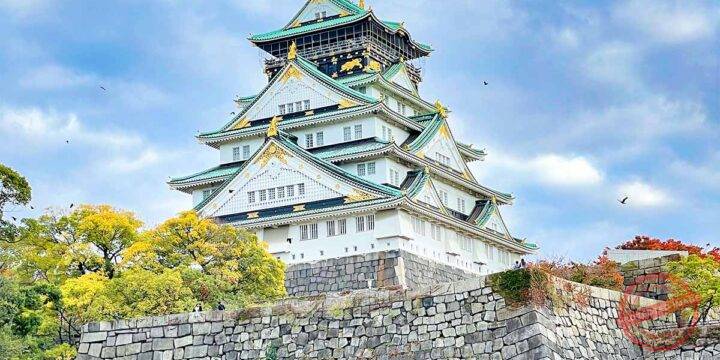
Osaka Castle Park stands as a monumental landmark of Japanese unification, serving as a vital cultural anchor that reflects the city’s historical role as a center of political and military power. The park is architecturally defined by the massive stone fortifications and deep moats that surround the central castle keep. Originally commissioned in 1583 by Toyotomi Hideyoshi, the site was intended to be the most formidable fortress in the nation. The layout is a disciplined arrangement of secondary citadels, massive stone walls constructed from granite blocks weighing several tons, and historic gates such as the Ote-mon. The current castle tower, reconstructed in 1931, utilizes reinforced concrete to replicate the aesthetic grandeur of the Azuchi-Momoyama period while featuring intricate gold-leaf ornamentation and "shachihoko" roof ornaments. This structure sits atop a towering…
Read More
Itsukushima Shrine in Miyajima

Itsukushima Shrine in Miyajima

Sightseeing
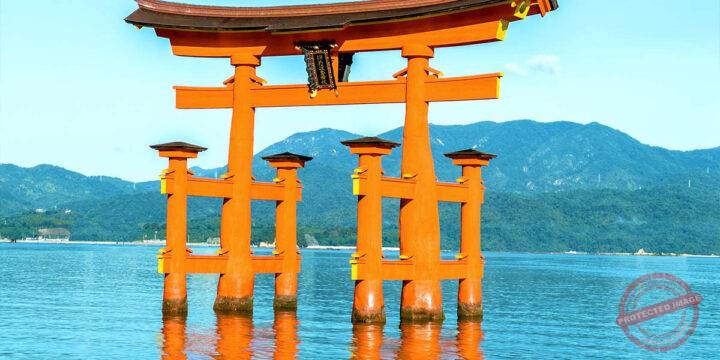
Miyajima Shrine stands as a quintessential masterpiece of Shinden-style architecture, defined by its sophisticated integration of vermilion structures and the tidal landscape. The shrine is architecturally unique for its primary construction over the waters of the Seto Inland Sea, a design choice necessitated by the island’s historically sacred status. Founded in 593 and reaching its current aesthetic peak under the patronage of Taira no Kiyomori in 1168, the complex utilizes a series of boardwalks and piers that elevate the sanctuary above the shifting tides. The layout is centered on the iconic "O-torii" gate, which is constructed from rot-resistant camphor wood and stands approximately 160 meters offshore. This gate utilizes its own weight and a sophisticated four-legged "ryobu" design to remain stable without being buried in the seabed. The craftsmanship of…
Read More
One Pillared Torii Gate

One Pillared Torii Gate

Sightseeing
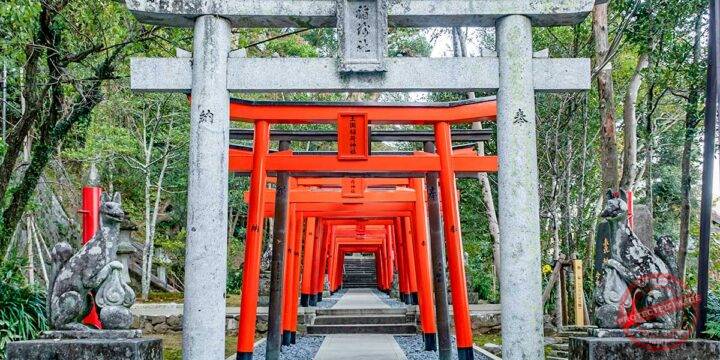
The One-Pillared Torii Gate stands as a singular monument of resilience in Nagasaki, serving as a profound physical witness to the events of August 1945. This structure is architecturally defined by its solitary upright pillar, which remains standing at the entrance to the Sanno Shrine. Originally a traditional four-gate approach, the second torii was struck by the atomic blast's pressure wave approximately 800 meters from the epicenter. The explosion decimated one side and the upper crossbeams, yet the remaining half was miraculously left upright on its pedestal. The layout of the surviving masonry provides an authoritative visual record of the blast's direction and force. It remains a rare and significant relic of the city's pre-war religious architecture. The craftsmanship of the original stone remains visible in the surviving pillar, offering…
Read More
Lake Kawaguchi, Oishi Park

Lake Kawaguchi, Oishi Park

Sightseeing
Lake Kawaguchi and Oishi Park offer a refined landscape where seasonal flora and calm waters provide an authoritative frame for the silhouette of Mount Fuji. The region is topographically defined by its volcanic origins as one of the Fuji Five Lakes. It has served as a vital cultural anchor for Fuji pilgrimage traditions since the Edo period. Oishi Park, situated on the northern shore, functions as a sophisticated vantage point designed to harmonize with the mountain's symmetrical profile. The park is characterized by its "Flowers Road", a disciplined succession of curated gardens that bloom in rhythmic stages throughout the year. The layout is purposefully unobstructed. This preserves the visual integrity of the landscape and offers a sense of profound detachment from the more developed southern shores.The significance of the site…
Read More
Odawara castle

Odawara castle

Sightseeing
Odawara Castle stands as a formidable landmark of the Sengoku period, serving as the historical seat of the Hojo clan and a vital defensive bastion for the Kanto region. The castle is architecturally defined by its strategic coastal positioning and its multi-layered system of moats and earthworks. Originally established in the mid-15th century, the site reached its defensive peak as an "impregnable" fortress that resisted several major sieges. The main keep was reconstructed in 1960 using reinforced concrete to replicate the original Edo-period aesthetic, featuring the distinctive "irimoya" gables and white plaster walls. The layout is a disciplined arrangement of massive gates, such as the Tokiwagi Gate and the Akane Gate, which utilize heavy timber and iron-reinforced joinery. These structures were meticulously restored using traditional techniques to preserve the castle’s…
Read More
Ninenzaka, Sannenzaka

Ninenzaka, Sannenzaka

Sightseeing
Ninenzaka and Sannenzaka serve as the definitive architectural transition to the sacred heights of Higashiyama, preserving the quintessential atmosphere of Kyoto's merchant heritage. These historic pedestrian slopes are topographically defined by their stone-paved paths and steep gradients. They have functioned as a primary approach to Kiyomizudera since the early Heian period. The streetscape is characterized by "machiya" townhouses that exhibit the refined wooden aesthetics of the late Edo and Taisho eras. The layout is a disciplined arrangement of two-story structures featuring dark timber lattices and traditional tiled roofs. Each building is constructed to follow the natural curvature of the mountainside. This creates a rhythmic and enclosed environment that isolates the traveler from the modern city. The names Ninenzaka and Sannenzaka refer to the "two-year" and "three-year" slopes. These terms are…
Read More