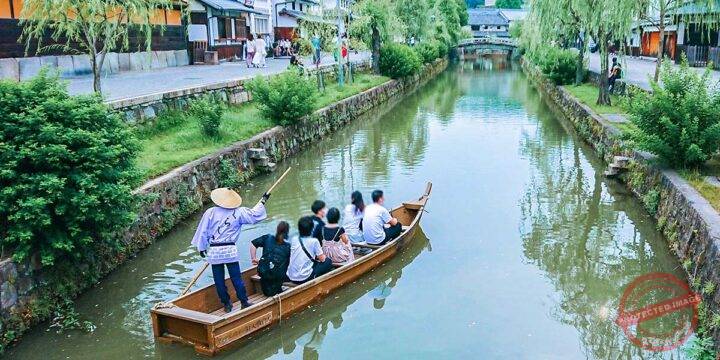
Kurashiki River Boat Ride

Kurashiki River Boat Ride

Sightseeing
The Kurashiki River Boat Ride stands as a quintessential maritime experience, providing a rhythmic and authoritative vantage point of the Bikan Historical Area from its central canal. This activity is architecturally and topographically defined by the use of traditional "Tenma-bune" or flat-bottomed wooden boats, which were historically used for transporting rice and textiles. The route follows the gentle curve of the Kurashiki River, a waterway that served as the primary commercial artery for the region during the Edo period. The experience is characterized by the craftsmanship of the boatmen, who utilize long bamboo poles to navigate the shallow waters with disciplined precision. The layout of the journey takes passengers beneath historic stone bridges and alongside the white-plastered walls of ancient storehouses. This creates a sensory experience that emphasizes the scale…
Read More
Kurashiki Bikan Historical Area

Kurashiki Bikan Historical Area

Sightseeing
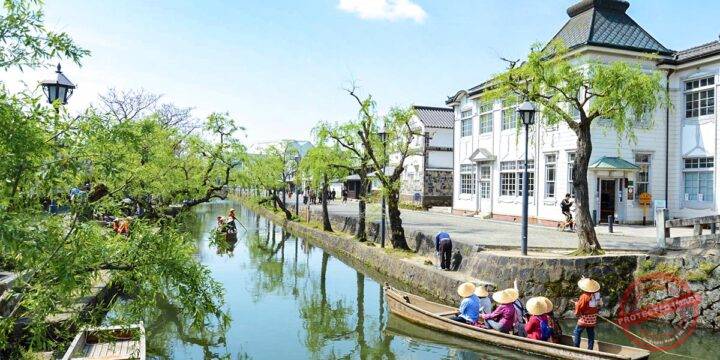
The Kurashiki Bikan Historical Area stands as a monumental preservation site, serving as a vital cultural anchor that reflects the mercantile sophistication of the Edo and Meiji periods. The district is architecturally defined by its distinctive "Kura" or white-plastered storehouses, which are situated along the willow-lined Kurashiki River. These structures utilize a disciplined construction method featuring black-tiled walls and white mortar in a diamond pattern known as "Namako-mabe". This style provided both fireproofing and an authoritative aesthetic for the city's wealthy rice merchants. The layout is characterized by the integration of traditional stone bridges and narrow flagstone streets that have remained largely unchanged since the 17th century. The craftsmanship is evident in the preserved townhouses, which often feature "Kurashiki-mado" windows designed for both ventilation and security.The significance of the area…
Read More
Gensui Sake Brewery & Sake Tasting

Gensui Sake Brewery & Sake Tasting

Sightseeing
Gensui Sake Brewery stands as a monumental center of fermentation excellence in Kurayoshi, serving as a vital cultural anchor for the region’s traditional brewing arts. The brewery is architecturally and topographically defined by its location within the historic White-Walled Storehouse district. It utilizes the pure groundwater from the Chugoku Mountains, which is an authoritative component of its production process. The layout of the main store and brewing facilities reflects the disciplined standards of the Edo period. The structure features high timber ceilings and thick plaster walls that maintain the stable temperatures necessary for high-quality sake. The craftsmanship of Gensui is characterized by the use of local "Yamada Nishiki" and "Tamaka" rice varieties. These are processed using techniques that have been refined since the brewery's founding in 1855.The significance of Gensui…
Read More
Kurayoshi White-Walled Storehouses

Kurayoshi White-Walled Storehouses

Sightseeing
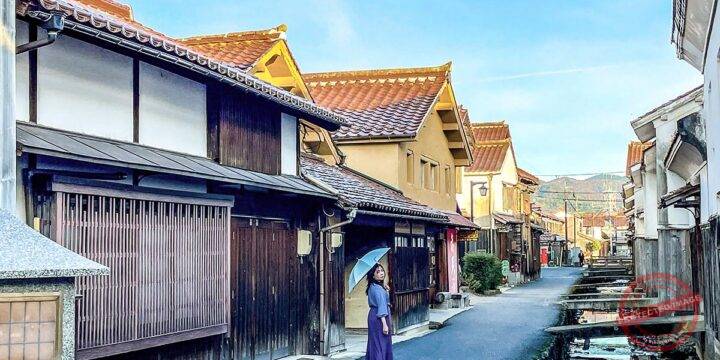
The Kurayoshi White-Walled Storehouse district stands as a monumental preservation site, serving as a vital cultural anchor that reflects the mercantile prosperity of the Edo and Meiji periods. The district is architecturally defined by its distinctive "Shirakabe" or white-plastered storehouses, which are situated along the narrow Tamagawa River. These structures utilize a disciplined construction method where the lower sections are clad in burnt cedar weatherboarding, providing an authoritative contrast to the brilliant white of the upper walls. The layout is characterized by the integration of red-tiled roofs, a hallmark of the San'in region’s craftsmanship. The stone bridges that span the river provide access to the rear entrances of these warehouses, creating a rhythmic and functional urban design. Many of these buildings originally functioned as soy sauce breweries and sake distilleries.…
Read More
Sand Museum

Sand Museum

Sightseeing
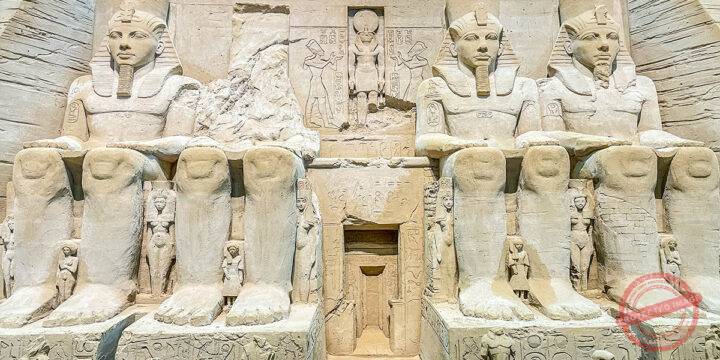
The Sand Museum serves as the world’s first indoor exhibition space dedicated entirely to the art of sand sculpture, providing a sophisticated cultural complement to the adjacent Tottori Sand Dunes.   The Sand Museum serves as the world’s first indoor exhibition space dedicated entirely to the art of sand sculpture, providing a sophisticated cultural complement to the adjacent Tottori Sand Dunes. The museum is architecturally defined by its vast, open-plan hall designed to accommodate monumental sculptures that often reach several meters in height. Established in 2006 and moved to its current permanent structure in 2012, the facility utilizes a disciplined curation process where every grain of sand is sourced directly from the local dunes. The layout is reorganized annually around a specific thematic focus, such as a particular continent or…
Read More
Tottori Great Sand Dune

Tottori Great Sand Dune

Sightseeing
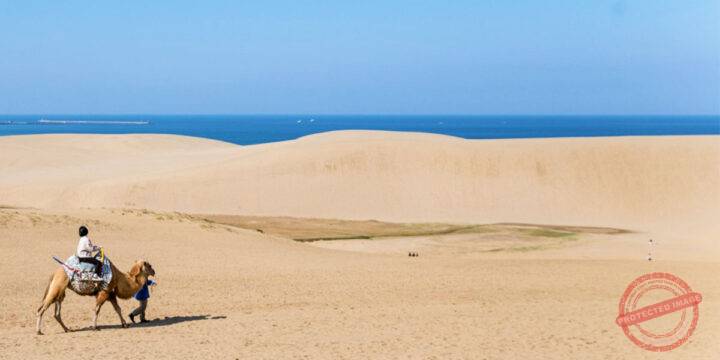
The Tottori Sand Dunes stand as a monumental coastal formation, representing the most expansive dune system in Japan and a vital ecological anchor for the San'in region. The site is topographically defined by a vast landscape of sediment deposited over nearly 100,000 years, primarily sourced from the Chugoku Mountains by the Sendai River and shaped by the relentless winds of the Sea of Japan. The dunes encompass an area approximately sixteen kilometers in length and two kilometers in width. They feature dramatic elevations such as "Umanose" or the Horse’s Back, which rises nearly 50 meters above sea level. The environment is characterized by a disciplined and ever-shifting geometry. The wind creates "fumon" or sand ripples that decorate the surface in intricate, rhythmic patterns. This creates a sensory experience defined by…
Read More
Kyoto Yasaka Shrine

Kyoto Yasaka Shrine

Sightseeing
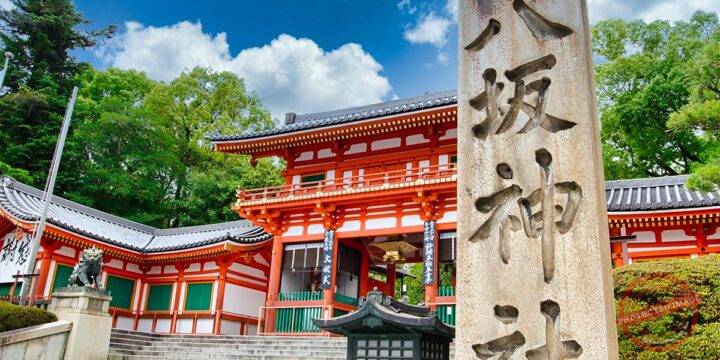
Yasaka Shrine serves as a monumental spiritual gateway at the intersection of the Gion district and Higashiyama, functioning as a vital cultural anchor for Kyoto’s religious and social identity. The shrine is architecturally defined by its unique "Gion-zukuri" style, a rare construction method where the main sanctuary and the hall of worship are unified under a single, expansive roof. Originally established in 656, the current main hall dates to 1654 and represents the authoritative craftsmanship of the early Edo period. The layout is characterized by the vermilion Nishi-romon gate, which faces Shijo Street and acts as a definitive landmark for the city’s traditional merchant quarters. The complex is further distinguished by a central dance stage adorned with hundreds of paper lanterns. Each lantern bears the name of a local business…
Read More
Tsurugaoka Hachimangu Shrine

Tsurugaoka Hachimangu Shrine

Sightseeing
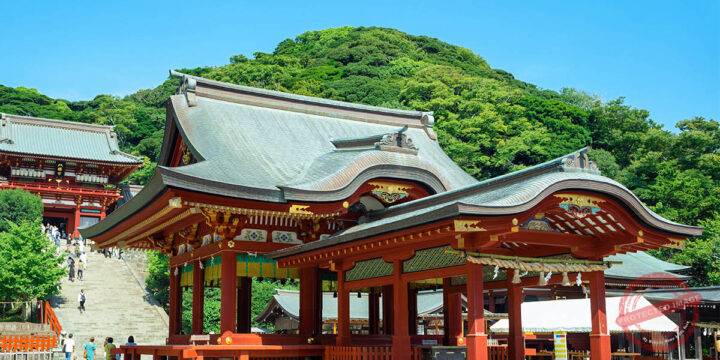
Tsurugaoka Hachimangu stands as a monumental landmark of the Kamakura period, serving as the definitive spiritual and political anchor for the city’s samurai heritage. The shrine is architecturally and topographically defined by its elevated position at the terminus of Wakamiya Oji, the city's primary ceremonial axis. Established in its current location in 1180 by Minamoto no Yoritomo, the founder of the Kamakura Shogunate, the complex was designed to project the authoritative presence of the warrior class. The layout follows the "Ishi-no-ma-zukuri" style, where the main oratory and the inner sanctum are connected by a stone-floored room. This reflects the disciplined aesthetic of the 12th century. The structures are characterized by their vibrant vermilion lacquer and the massive stone staircase that leads to the Hongu, or Senior Shrine. The precinct's design…
Read More
Todaiji Temple (the Great Buddha)

Todaiji Temple (the Great Buddha)

Sightseeing
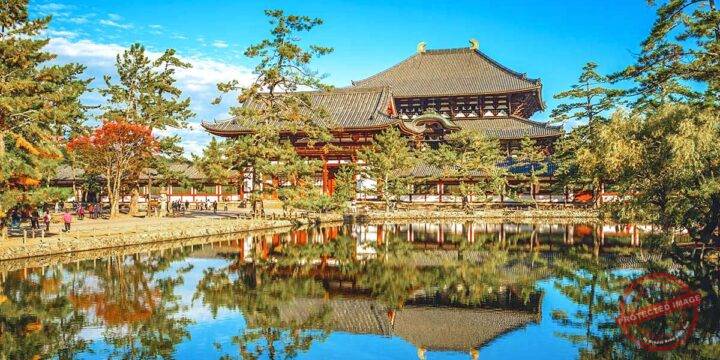
The Great Buddha Hall of Todaiji Temple stands as a monumental achievement of classical Japanese engineering, serving as the definitive spiritual heart of ancient Nara. The temple is architecturally defined by the Daibutsuden, or Great Buddha Hall, which remains one of the largest timber structures in the world. Originally commissioned in 743 by Emperor Shomu, the complex was designed to function as the head temple of all provincial temples, projecting an authoritative image of a unified state. The current structure, reconstructed in 1709, houses the Daibutsu, a colossal bronze statue of the Vairocana Buddha that weighs approximately 500 tonnes. The layout of the precinct includes the massive Nandaimon gate, which features the formidable Agyo and Ungyo guardian statues. These figures exhibit the disciplined and powerful realism of the Kei school…
Read More
Tokyo Tower, Main Desk (150m)

Tokyo Tower, Main Desk (150m)

Sightseeing
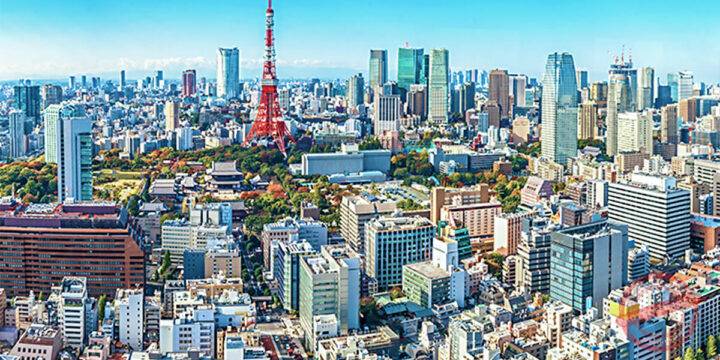
The Observation Deck - First Floor of Tokyo Tower serves as a monumental vantage point, representing the definitive skyline of Japan's capital since its completion in 1958. The deck is architecturally and topographically defined by its position 150 meters above the Minato district. It functions as the primary observation level of the 333-meter lattice tower. Inspired by the Eiffel Tower and designed by Tachu Naito, the structure was constructed using steel, a portion of which was recycled from American tanks used in the Korean War. The layout of the Main Deck provides a 360-degree panoramic view through expansive glass walls. This allows for an authoritative perspective of the Tokyo urban landscape. A distinctive feature of this level is the "Skywalk Window". This consists of reinforced glass floor panels that provide…
Read More