Top 22 Spots to See Fall Leaves in Japan

Top 22 Spots to See Fall Leaves in Japan

Blog EN
Notice: JavaScript is required for this content. share on Get ready to be swept away by the magic of fall! As the cool breeze starts to kiss your skin and the air turns crisp, it’s the perfect time to set out and witness nature's grand finale, the stunning transformation of leaves into a riot of fiery reds, oranges, and golds. This season, we're not just talking about taking strolls through parks (though we've found some breathtaking ones!). Instead, soar over treetops on a ropeway, glide across serene waters on a sightseeing boat, or witness the enchantment of illuminated fall leaves at night,  mesmerizing contrast to their daytime glow. These vibrant displays won’t last forever. So, grab your camera, your sense of adventure, and dive into the dazzling colors of fall!…
Read More
8 Popular Fruit Picking Experiences in Japan for Building Family Ties

8 Popular Fruit Picking Experiences in Japan for Building Family Ties

Blog EN
Notice: JavaScript is required for this content. share on Let's go to pick the season's freshest fruits! Start with the sweet of summer like cherries, peaches, grapes and melons, then savor the rich flavors of fall with mandarin orange, persimmon and apples. Discover the perfect timing for each fruit for an unforgettable fruit-picking experience! Check out the popular fruit picking seasons! Fruit Picking Calendar: Introducing the Best Times to Pick Fruits by Type! Since the seasons can vary depending on the weather and region, be sure to check ahead. Cherry Picking Season: June to July. Many are grown indoors, so you don’t have to worry about the rain♪ Pear Picking Season: July to September. Enjoy the fresh and gentle taste♪ Peach Picking Season: July to August. Peaches, juicy and loved…
Read More
Tips for Exchanging Money in Japan

Tips for Exchanging Money in Japan

Blog EN
  How to exchange currency in Japan? Here are a few Japan currency exchange tips. Tips for Exchanging Money in Japan. While Japan is a technologically advanced country, cash remains prevalent, and some places may not accept international credit cards. Tip 1: If your home country's currency is weaker than Japan's, it's advisable to exchange money before departing. This tends to be more economical and convenient. Tip 2: Upon arrival, if you haven't exchanged money, consider exchanging a small amount at the airport, or use a credit card for initial expenses. Tip 3: Many banks in Japan do not offer currency exchange services. Avoid standalone 'money exchange' booths, as they often have unfavorable rates. Tip 4: Automatic money exchange machines typically offer lower exchange rates, even though they don't charge…
Read More
Key manners in Japan

Key manners in Japan

Blog EN
What are manners in Japan? When you visit another country, you might unwittingly become an ambassador for your own nation. Moreover, people often perceive that adhering to manners correlates with a country's level of education and civilization, reflecting its development. Therefore, let's learn about some important dos and don'ts when traveling in Japan. 10 key manners in Japan Ensure punctuality; it's expected in Japan. Don't be late. Upon entering a house, actively remove your shoes. Act to maintain closed, unused rooms. Act with restraint; avoid phone calls on trains. Take action against vandalism, especially on monuments and natural landscapes. Display commitment to meticulous waste sorting, aligning with Japan's recycling practices. Refrain from singing karaoke or playing musical instruments in non-soundproof rooms. Demonstrate consideration by keeping noise levels down at night.…
Read More
Japan Travel Guide Basic Information

Japan Travel Guide Basic Information

Blog EN
Notice: JavaScript is required for this content. share on Few things are more frustrating than arriving in a new country for vacation only to discover that you can’t plug in your devices, don’t have the right clothes for the season, or run into issues with your bank cards. Here is some basic information for first-time travelers to Japan. Index of This Article Money Exchange While most stores in major cities like Tokyo and Osaka accept credit cards, some may not accept cards issued outside Japan, even if they are VISA or MasterCard. In rural areas, cash is essential, so be sure to carry some yen with you. Here are some tips on where you can exchange currency. Sockets Japan commonly uses Type A sockets, similar to those in the USA.…
Read More
Japan’s Electronic Visa (Japan eVisa)

Japan’s Electronic Visa (Japan eVisa)

Blog EN
Japan's Electronic Visa Program, known as the Japan eVisa, is a significant system that allows applicants to apply for visas online. It issues electronic visas for short-term stays, primarily for tourism purposes, in the Land of the Rising Sun. Let's explore the key details about the Japan eVisa. Eligibility for Japan's Electronic Visa Program: As of June 19, 2023, citizens and foreign residents of the following countries or regions are eligible to apply for a Japan eVisa: Brazil, Cambodia, Canada, Mongolia, Saudi Arabia, Singapore, South Africa, Taiwan, the United Arab Emirates, the United Kingdom, and the United States. Important Points to Note: Citizens from countries or regions that are exempt from Japan's visa requirements do not need to apply through the Japan eVisa process. A list of these visa-exempt countries…
Read More
Japan Hotels and Ryokans

Japan Hotels and Ryokans

Blog EN
In this article, we will explore the distinctions in hotel classifications between Japan hotels, ryokan and other countries. Japan employs a unique hierarchical system, developed by its domestic hotel corporations. This system significantly differs from international standards. Moreover, global hotel chains like Hyatt, Marriott, and Hilton maintain consistent service and room quality worldwide. Additionally, the focus of our discussion on hotel classification will primarily be on how Japan's domestic hotel chains contrast with those in other countries. Japan hotels room size In Japan, a 4-star hotel typically features rooms ranging from 16 m2 to 25 m2 (172 sqf ~ 269 sqf). However, this is considerably smaller compared to the 28 m2 to 38 m2 (301 sqf ~ 409 sqf) found in similar hotels in other countries. Furthermore, standard rooms in…
Read More
Five Restrictions When Entering Japan

Five Restrictions When Entering Japan

Blog EN
As you prepare for your journey to Japan, it's crucial to understand the country's immigration regulations, including Japan restrictions, to avoid potential issues. Japan has specific rules about what items you can bring in, and non-compliance can lead to serious consequences.   Medicine: A key point of attention is the transportation of medication. Firstly, cannabis and products containing cannabis, even for medical purposes, are strictly prohibited. Moreover, drugs containing amphetamines, along with certain prescription medications and over-the-counter drugs like pain relievers, sedatives, antidepressants, decongestants, and anti-allergy medications, are not allowed without prior approval from the Japanese Ministry of Health. If you require these medications in Japan, it's essential to secure permission beforehand by contacting the Ministry. Be sure to provide detailed information, including the medication's name, active ingredients, dosage, and…
Read More
15 Must See Sightseeing Spots of Mount Fuji

15 Must See Sightseeing Spots of Mount Fuji

Blog EN
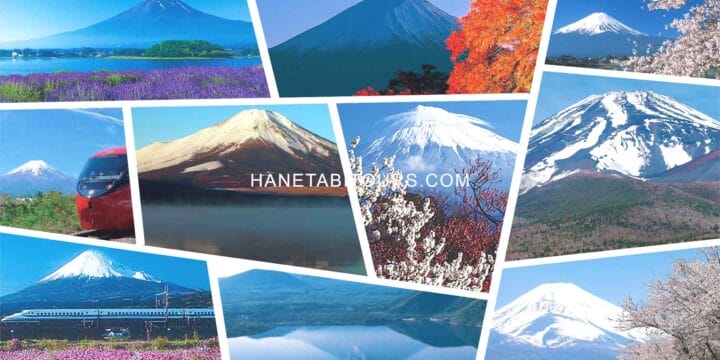
Join us in exploring the 15 hidden gems among the must see Mount Fuji sightseeing spots! 1. Oishi Park (Fujikawaguchi-ko Town) Oishi Park, situated in Fujikawaguchi-ko Town, offers a serene escape where visitors can immerse themselves in the splendor of Mount Fuji and Lake Kawaguchi. In early summer, the park bursts into life, adorned with lavender blooms, marking the start of the Kawaguchi-ko Herb Festival. In autumn, a palette of fiery hues graces the foliage, and winter blankets the landscape in snow. This ensures that Oishi Park remains a picturesque haven year-round for those seeking to capture the enduring beauty of Mount Fuji in the Mount Fuji sightseeing area. 2. Nashikawa Red Leaf Road (Fujikawaguchi-ko Town) Nashikawa Red Leaf Road in Fujikawaguchiko Town is a must-visit destination to experience the…
Read More
10 Types of Hot Springs in Japan

10 Types of Hot Springs in Japan

Blog EN
Notice: JavaScript is required for this content. share on It's true that Japanese hot springs (onsen) are known for their diverse characteristics, including chemical components, taste, and texture. These factors contribute significantly to their perceived health benefits and appeal. In Japan, hot springs are classified based on their chemical composition, regardless of their therapeutic efficacy. However, it's often believed that certain minerals in the water can have health benefits. Index of This Article Simple hot spring Characterized by its gentle touch, non-irritating nature, and skin-friendly attributes, a Simple Hot Spring becomes notable for the soothing sensation it imparts. Alkaline variations further enhance this experience, leaving your skin remarkably "smooth" after each bath. Recommended for conditions such as autonomic instability, insomnia, and depression. Chloride spring Springs are categorized into sodium-chloride, calcium-chloride,…
Read More