Kanazawa Castle

Kanazawa Castle

Sightseeing
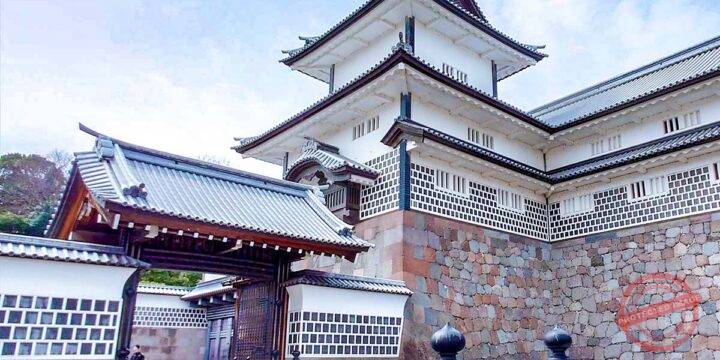
Kanazawa Castle stands as a monumental landmark in central Kanazawa, serving as a vital cultural anchor and a testament to the immense political authority of the Maeda clan. The castle is architecturally and topographically defined by its strategic position on a high ridge between two rivers, which allowed it to function as the military and administrative heart of the Kaga Domain. The layout is characterized by expansive grounds featuring reconstructed wooden gates, storehouses, and massive stone fortifications that demonstrate advanced Edo-period engineering. The craftsmanship of the site is reflected in its distinctive lead-tiled roofs and white mortar walls, which were designed for both aesthetic elegance and fire resistance. The Hishi Yagura, Goju-jukkan Nagaya, and Hashizume-mon Tsuzuki Yagura are particularly notable as they are meticulously reconstructed functional buildings using traditional joinery…
Read More
Kenrokuen Japanese Garden

Kenrokuen Japanese Garden

Sightseeing
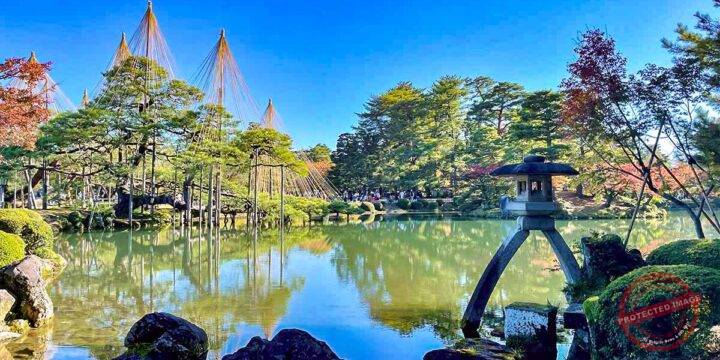
Kenrokuen stands as a monumental landscape masterpiece in the heart of Kanazawa, serving as a vital cultural anchor and widely regarded as one of the three most beautiful gardens in Japan. The garden is architecturally and topographically defined by its central location adjacent to Kanazawa Castle and its elevated position which affords sweeping vistas of the city and the surrounding mountains. Originally developed over several centuries by the Maeda clan of the Kaga Domain, the layout is specifically designed to embody six aesthetic ideals: spaciousness, seclusion, artifice, antiquity, water-courses, and panoramas. The craftsmanship of the site is reflected in its complex water system, which draws from a distant river to feed the expansive Kasumigaike Pond and the oldest fountain in Japan.The significance of the garden lies in its representation of…
Read More
Samurai Residence Nomura Family Mansion

Samurai Residence Nomura Family Mansion

Sightseeing
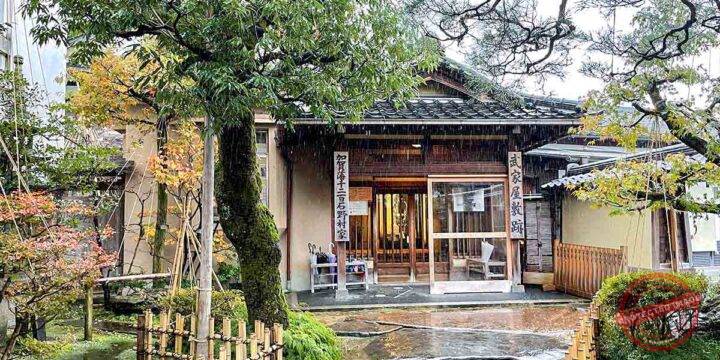
The Nomura Clan Samurai Home stands as a monumental historical landmark in the Nagamachi district of Kanazawa, serving as a vital cultural anchor for the understanding of the Kaga domain’s warrior elite. The residence is architecturally defined by its integration of the traditional "shoin-zukuri" style, featuring refined tatami rooms, fusuma sliding doors adorned with intricate paintings, and a sophisticated ceiling of cypress wood. The layout centers on a compact but world-renowned courtyard garden that incorporates ancient trees, stone lanterns, and a multi-level water feature fed by the historic Onshogawa Canal. The craftsmanship is evident in the "Jodan-no-ma" or the formal reception room, which showcases opulent materials such as ebony and rosewood, reflecting the authoritative status of the Nomura family during the Edo period.The significance of the mansion lies in its…
Read More
Kanazawa 21st Century Museum of Contemporary Art

Kanazawa 21st Century Museum of Contemporary Art

Sightseeing
The 21st Century Museum of Contemporary Art, Kanazawa stands as a monumental cultural anchor in central Kanazawa, serving as a vital center for the integration of modern artistic vision and traditional civic life. The museum is architecturally defined by its innovative circular structure and transparent glass perimeter, which eliminates the distinction between front and back and allows for multiple entry points. This open layout, designed by the authoritative architectural firm SANAA, facilitates a disciplined yet accessible environment where art is integrated into the public landscape. The craftsmanship of the site is reflected in its specialized exhibition spaces, which vary in height and light conditions, and its seamless connection to the surrounding parkland.The significance of the museum lies in its role as a leader in interactive and community-oriented contemporary art. The…
Read More
Gassho-zukuri Village in Gokayama

Gassho-zukuri Village in Gokayama

Sightseeing
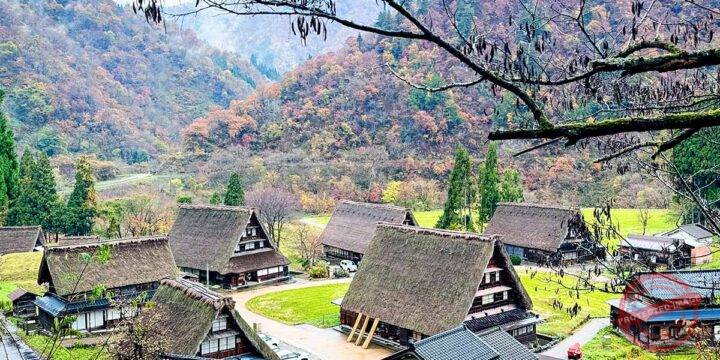
The Gassho-style Houses in Gokayama stand as a monumental architectural sanctuary in the deep mountains of Toyama Prefecture, serving as a vital cultural anchor and a UNESCO World Heritage site alongside its neighbor, Shirakawa-go. The village is topographically defined by its isolation within a narrow river valley, where steep terrain and heavy winter snowfall dictated the evolution of the "gassho-zukuri" or prayer-hands construction. These houses are architecturally characterized by their massive, steeply pitched thatched roofs designed to shed immense volumes of snow. The layout of the village incorporates terraced rice fields, ancient stone walls, and "yukiyoke-rin" or snow-holding forests that provide an authoritative defense against avalanches. The craftsmanship required to maintain these structures involves a communal system of labor known as "yui", where the entire village collaborates to replace the…
Read More
Miyagawa Morning Market

Miyagawa Morning Market

Sightseeing
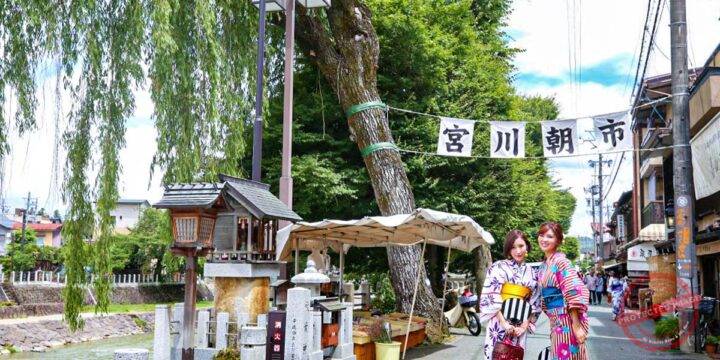
Miyagawa Morning Market stands as a monumental cultural anchor in the Hida Takayama region, serving as a vital link to the town's Edo-period origins and its enduring agricultural heritage. The market is topographically defined by its linear arrangement along the eastern bank of the Miyagawa River, stretching from the Kaji-bashi Bridge to the Yayoi-bashi Bridge. This layout provides a disciplined and scenic pedestrian environment where visitors can engage with local producers against the backdrop of the river's clear waters. The craftsmanship of the region is reflected in the diverse array of handmade goods on display, ranging from traditional wooden crafts to the iconic Sarubobo dolls.The significance of the market lies in its status as one of the largest and most historic morning markets in Japan. The environment is characterized by a…
Read More
Gujo Hachiman Expo Museum

Gujo Hachiman Expo Museum

Sightseeing
The Gujohachiman Hakurankan Museum stands as a monumental cultural gateway in Gifu Prefecture, serving as a vital anchor for visitors seeking to understand the historical and artistic identity of the region. Housed in a repurposed government building dating from the Taisho era, the museum functions as a comprehensive archive of the town's evolution, from its origins as a castle settlement to its modern status as a center for traditional crafts. The layout is organized into specialized zones that provide a disciplined overview of the local industry, the engineering of the town's unique waterways, and the heritage of artisanal production. Visitors can observe the meticulous craftsmanship involved in local indigo dyeing and the creation of detailed food replicas, which are authoritative exports of the Gujo area.The significance of the museum is…
Read More
Gujo Hachiman Artisan Town Old Streets

Gujo Hachiman Artisan Town Old Streets

Sightseeing
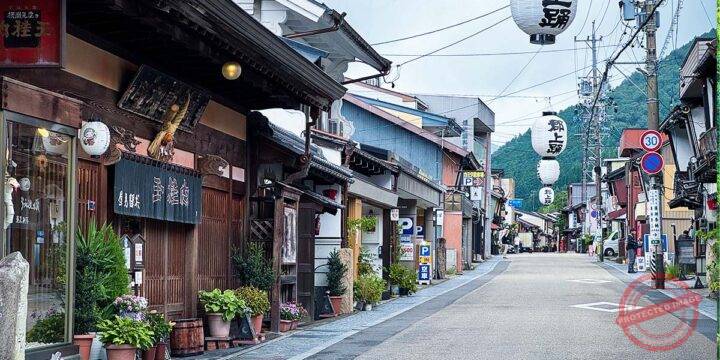
Gujo Hachiman Artisan Town stands as a monumental cultural anchor in Gifu Prefecture, serving as an authoritative portrait of a castle town where Edo-period urban planning and traditional craftsmanship remain integral to daily life. The district is architecturally and topographically defined by its "Machiya" style townhouses, which feature intricate lattice fronts and a rhythmic grid layout that dates back centuries. A defining characteristic of the town is its sophisticated network of waterways and stone gutters, which were originally engineered for fire prevention and household use. The craftsmanship of the region is reflected in the numerous artisan workshops that line the narrow streets, specializing in traditional skills such as indigo dyeing and the production of food replicas.The environment is characterized by a polished sense of continuity and the constant sound of…
Read More
Monet’s Pond

Monet’s Pond

Sightseeing
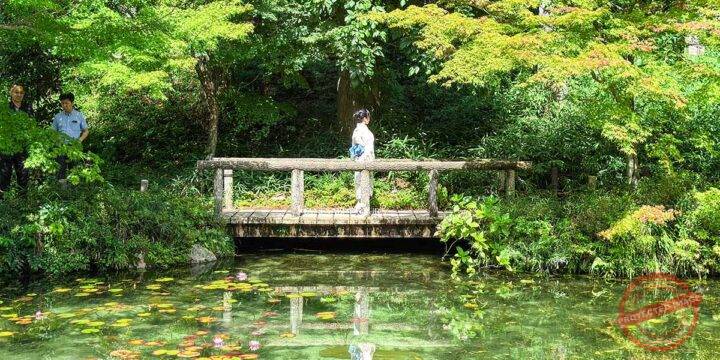
Monet's Pond Monet's Pond stands as a monumental natural masterpiece in the rural town of Seki, serving as a vital cultural anchor and a testament to the ethereal beauty of the Gifu prefecture.   The pond is topographically defined by its location in front of the Nemichi Shrine, where crystal-clear spring water flows from the surrounding mountains. The environment is characterized by a polished sense of clarity. The water is so transparent that the colorful koi fish and vibrant water lilies appear to be suspended in mid-air. The craftsmanship of nature is evident in the rhythmic interplay of light and shadow on the pond’s surface. This creates a visual experience that mirrors the Impressionist style of Claude Monet's "Water Lilies" series. The significance of the site lies in its transformation…
Read More
Miyajima Island

Miyajima Island

Sightseeing
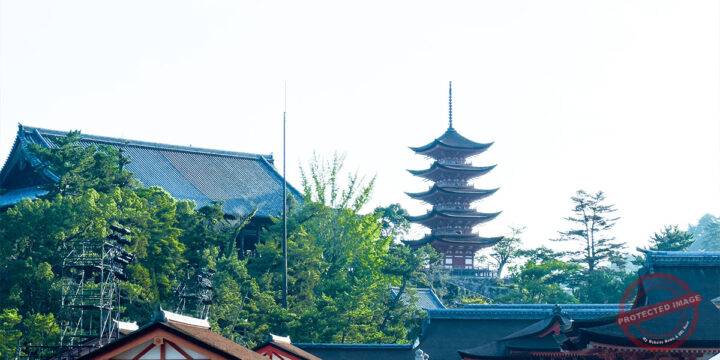
Miyajima Island stands as a monumental sacred site within the Seto Inland Sea, serving as a vital cultural anchor and one of the three most celebrated scenic places in Japan. The island is architecturally and topographically defined by its dramatic mountainous interior, centered on Mount Misen, and its integration with the tidal flats. The layout is dominated by the centuries-old shinden-zukuri style architecture of Miyajima Jinja, which appears to float on the water during high tide. The craftsmanship is evident in the vermilion corridors and the iconic torii gate, which is an authoritative symbol of the boundary between the spirit and human worlds. This environment is characterized by a disciplined preservation of both religious heritage and natural primeval forests.The significance of the island lies in its status as a UNESCO…
Read More