Yokohama Ramen Museum

Yokohama Ramen Museum

Sightseeing
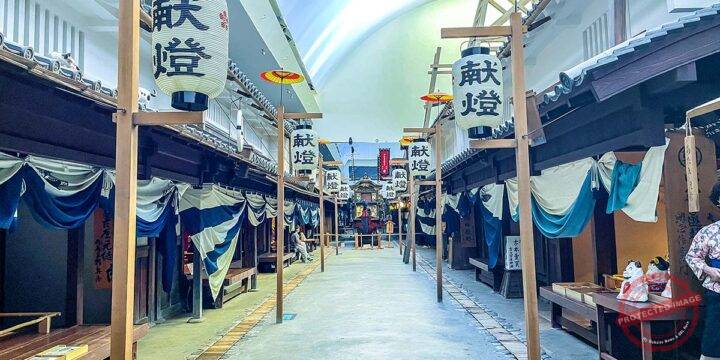
The Yokohama Ramen Museum serves as an immersive cultural anchor in the Shin-Yokohama district. It is a premier destination for those seeking to understand the evolution of Japan's most celebrated street food. The facility is topographically unique, featuring a meticulously designed subterranean space that recreates a Japanese townscape from the year 1958. This specific year was chosen to honor the dawn of instant ramen and the cultural shift toward modern convenience. The layout is characterized by a nostalgic, dimly lit atmosphere featuring weathered facades, vintage movie posters, and traditional storefronts. This environment creates a disciplined sense of immersion into the mid-twentieth-century "shitamachi" or lower-town culture. The craftsmanship of the museum is reflected in its role as the world’s first food-themed amusement park. It offers a curated selection of ramen shops…

Read More
Origami Museum

Origami Museum

Sightseeing
The Tokyo Origami Museum serves as a refined center for the preservation of paper-folding traditions. It is a vital cultural anchor for the study of this Japanese art form. The facility is topographically situated in the Sumida district, serving as the headquarters for the Nippon Origami Association. It was established to document the historical evolution of the craft from its ceremonial Edo-period origins to its modern application in mathematics and engineering. The interior is characterized by a disciplined and minimalist layout that prioritizes the intricate geometry of the exhibits. The craftsmanship of the museum is reflected in its vast collection of thousands of models. These range from traditional "tsuru" cranes to complex, modular sculptures created from a single, uncut square of paper. The collection includes authoritative masterworks by renowned folders,…
Read More
Saiko Iyashinosato Nemba

Saiko Iyashinosato Nemba

Sightseeing
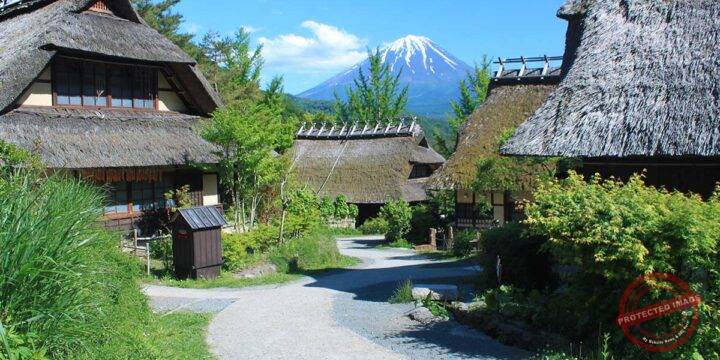
Saiko Iyashinosato Nemba is a reconstructed village of thatched-roof houses situated on the shores of Lake Saiko. It offers a dignified perspective on traditional life. The site is topographically defined by its position on the northern slopes of Mount Fuji, occupying the former location of a traditional farming village destroyed by a landslide in 1966. The reconstruction, completed in 2006, serves as a monumental tribute to the resilient agrarian heritage of the region. The layout features twenty "kabuto-zukuri" or helmet-style thatched-roof houses. These structures are named for their distinctive shape which resembles the helmets worn by samurai. The craftsmanship of the buildings is reflected in the traditional weaving of the reeds and the heavy timber frames that were designed to withstand the significant snowfall of the Yamanashi highlands.The significance of…
Read More
Harajuku

Harajuku

Sightseeing
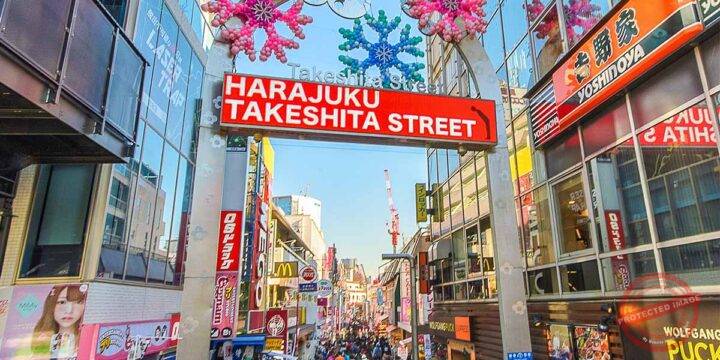
Harajuku stands as a monumental cultural anchor in Tokyo, serving as a global epicenter for street fashion and the quintessential birthplace of Japan’s "kawaii" or cute aesthetic. The district is topographically defined by its position in the Chiyoda ward, evolving from a post-war black market for radio components into an authoritative "Electric Town". Its architecture is characterized by a dense, rhythmic layout of high-rise commercial buildings adorned with multi-story neon signage and vibrant character advertisements. This visual landscape reflects a shift from industrial hardware toward a complex software and media identity. The craftsmanship of the area is evident in the specialized retail stalls beneath the railway tracks and the sprawling megastores like Yodobashi Camera. These establishments offer a disciplined focus on high-technology and rare collectibles that cannot be found elsewhere.The…
Read More
Akihabara

Akihabara

Sightseeing
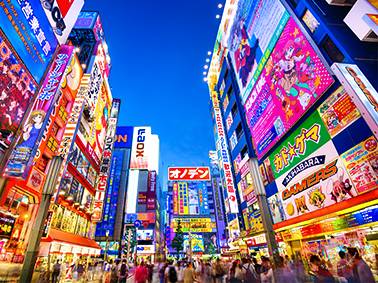
Akihabara stands as a monumental cultural anchor in Tokyo, serving as a global epicenter for electronics, anime, and the evolved "otaku" subculture. The district is architecturally defined by a dense, rhythmic layout of high-rise commercial buildings adorned with massive, multi-story neon signs and colorful character advertisements. This visual landscape is an authoritative expression of Japan's contemporary urban identity, where the transition from post-war black market activity to a high-tech "Electric Town" is still visible in the specialized stalls beneath the railway tracks. The craftsmanship of the area is reflected in the sheer concentration of niche retail, ranging from tiny shops selling specific electronic components to sprawling megastores like Yodobashi Camera and the iconic Radio Kaikan.The significance of Akihabara lies in its role as a sanctuary for passionate fans of anime,…
Read More
Ueno Ameyoko

Ueno Ameyoko

Sightseeing
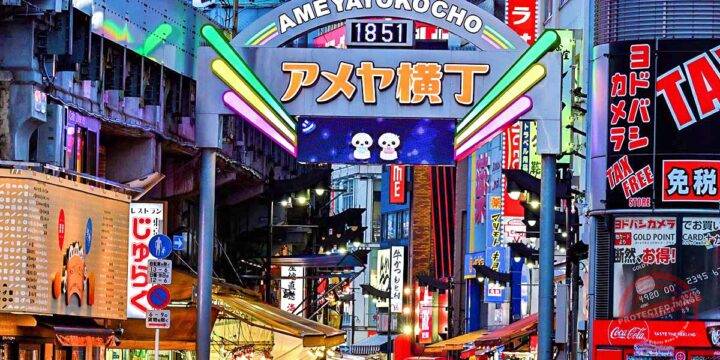
Ueno Ameyoko stands as a monumental commercial hub in Tokyo, serving as a vital cultural anchor and a living archive of the city’s post-war economic resurgence. The market is topographically defined by its location along the elevated railway tracks of the Yamanote Line, stretching between Ueno and Okachimachi Stations. The layout originated in the chaotic period following the Second World War when the area functioned as a critical black market for scarce goods. The name "Ameyoko" serves as an authoritative nod to this history, derived from "Ameya" for the candy shops that dominated the scene and "Ame" for the surplus American military goods that were once sold here. The environment is characterized by a rhythmic and high-energy atmosphere where vendors employ traditional "daikon-uri" style vocal performances to attract customers with…
Read More
Tenjinbashi Shotengai

Tenjinbashi Shotengai

Sightseeing
Tenjinbashi-suji Shopping Street stands as a monumental commercial artery in Osaka, serving as a vital cultural anchor and officially recognized as the longest shopping arcade in Japan. The thoroughfare is architecturally defined by its continuous covered arcade that stretches for approximately 2.6 kilometers, divided into seven distinct "chome" or blocks. The layout originated in the early seventeenth century as a humble wholesale vegetable market and an essential approach for worshippers heading toward the Osaka Tenmangu Shrine. The craftsmanship of the district is reflected in the diverse range of approximately 800 independently owned shops, including traditional blade-smiths, tea merchants founded in the nineteenth century, and local diners that have served the community for generations. The environment is characterized by a polished sense of "shitamachi" or old-town friendliness, where the rhythmic exchange…
Read More
Meet a Real Maiko

Meet a Real Maiko

Sightseeing
The Meet a Real Maiko experience stands as a monumental cultural anchor in Kyoto, serving as a vital gateway for those seeking to understand the disciplined world of the "flower and willow" districts. The performance is architecturally and contextually defined by its setting within traditional Kyoto venues, often featuring the refined aesthetics of tatami flooring and paper screens. The layout of the engagement is a deliberate sequence designed to provide an authoritative introduction to the apprentice geiko known as maiko. This includes the presentation of classical "Kyo-mai" dance, which is characterized by rhythmic, minimalist movements and a composed facial expression. The craftsmanship of the maiko’s presence is reflected in her handcrafted attire, including the specialized "hikizuri" kimono with its trailing hem and the intricate "darari" obi that can extend up…
Read More
Byodo-in Hoshokan Museum

Byodo-in Hoshokan Museum

Sightseeing
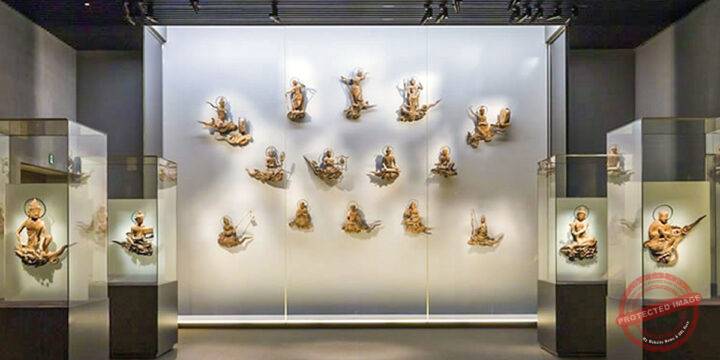
The Byodo-in Hoshokan Museum stands as a monumental cultural anchor within the temple grounds, serving as a vital facility for the preservation and display of National Treasures from the Heian period. This facility is architecturally defined by its innovative subterranean design, which was constructed to harmonize with the historical landscape while providing a climate-controlled environment for sensitive artifacts. The layout is characterized by a series of minimalist galleries that emphasize the artistic and spiritual gravity of the collection. The craftsmanship of the museum is reflected in its specialized lighting and display techniques that highlight the intricate details of nearly millennium-old masterpieces.The significance of the museum lies in its role as a safeguard for the original artistic elements of the Byodoin complex. The environment is characterized by a polished sense of…
Read More
Byodoin Temple and Phoenix Hall

Byodoin Temple and Phoenix Hall

Sightseeing
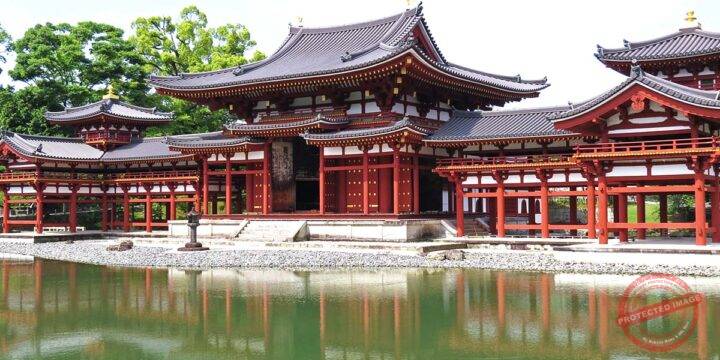
Byodoin Temple stands as a monumental landmark in Uji, serving as a vital cultural anchor and a sublime representation of the Buddhist Pure Land on earth. The temple is architecturally defined by the Phoenix Hall, or "Hōō-dō", which was originally established in 1053. The layout features a central hall flanked by two wing corridors and a tail corridor, a configuration that creates the rhythmic silhouette of a phoenix spreading its wings. The craftsmanship of the hall is reflected in its status as one of the few original wooden structures to survive from the Heian period. It avoided the fires that destroyed much of the surrounding complex. The central hall houses a 2.4-meter-tall seated statue of the Amida Buddha, an authoritative work confirming the mastery of the sculptor Jōchō. This statue…
Read More