Nagai Park or Tsurumi Ryokuchi Park

Nagai Park or Tsurumi Ryokuchi Park

Sightseeing
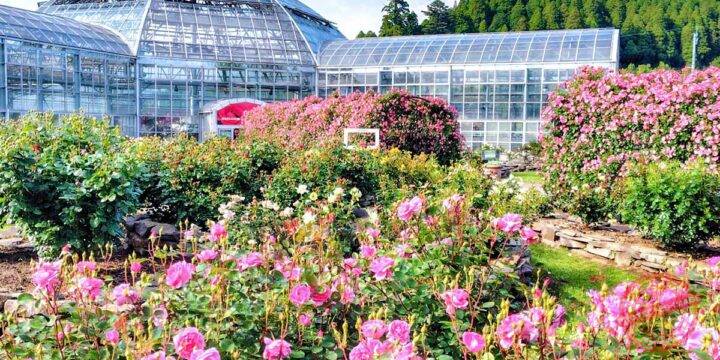
Nagai Park serves as a monumental green space in southern Osaka. It is a vital cultural and athletic anchor for the city. While Tsurumi Ryokuchi Park stands as a refined horticultural landscape in northeastern Osaka. It serves as an authoritative testament to global gardening traditions and urban restoration. Nagai Park is topographically defined by its expansive 65 hectares in the Higashisumiyoshi district. This area was developed into a comprehensive urban retreat that harmonizes horticultural excellence with world-class sports infrastructure. The layout is characterized by its rhythmic transition from dense botanical collections to the massive concrete proportions of the Yanmar Stadium. The craftsmanship of the grounds is best represented by the Nagai Botanical Garden. This facility features a disciplined arrangement of thousands of plant species centered around a large ornamental pond.…
Read More
Amanohashidate

Amanohashidate

Sightseeing
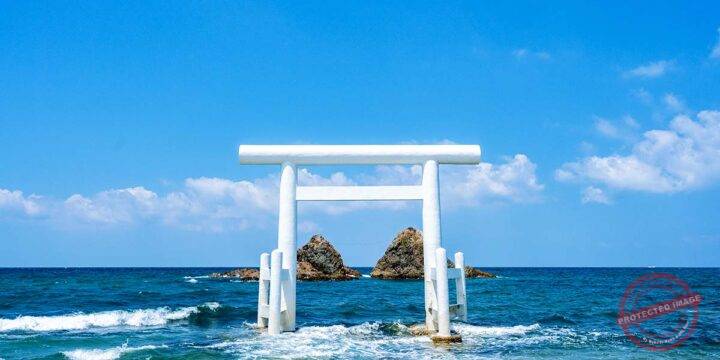
Amanohashidate rises as a monumental sandbar in northern Kyoto Prefecture. It serves as an authoritative cultural anchor and is recognized as one of the three most celebrated scenic views in Japan. The site is topographically defined by a narrow, three-kilometer strip of land that spans the Miyazu Bay. This natural formation was created over millennia by the rhythmic deposition of sand and sediment from the Sea of Japan. The layout features a dense forest of approximately eight thousand pine trees that have been meticulously maintained for generations. The craftsmanship of the landscape is reflected in the winding trails that connect the Monju and Fuchu areas. These paths provide a disciplined transition between the coastal shrines and the elevated observation points on the surrounding mountains. The atmosphere is most visually compelling…
Read More
Tokyo Skytree

Tokyo Skytree

Sightseeing
Tokyo Skytree stands as a monumental landmark of modern engineering in the Sumida district. It serves as a vital cultural and technological anchor for the capital. The structure is topographically defined by its height of 634 meters, a figure chosen as a mnemonic for the word "Musashi", the historic name of the region. This height was necessary to provide stable digital broadcasting across the dense urban topography of the Kanto Plain. The layout is characterized by a fusion of traditional aesthetics and advanced seismic technology, featuring a central pillar system inspired by the architectural principles of ancient five-story pagodas. The craftsmanship of the tower is reflected in its color, "Skytree White". This is a custom hue based on "aijiro", the palest shade of traditional Japanese indigo. This aesthetic choice allows…
Read More
Outer garden of Imperial Palace

Outer garden of Imperial Palace

Sightseeing
The Outer Garden of the Imperial Palace serves as a monumental historic seat of authority in the heart of Tokyo. It is a refined landscape where the defensive legacy of the Edo period meets the ceremonial dignity of the modern era. The site is topographically defined by its expansive plazas and the massive stone fortifications that once protected Edo Castle, the seat of the Tokugawa Shogunate. This layout originated in the seventeenth century and underwent significant transformation during the Meiji Restoration, when the site was designated as the residence of the Imperial family. The craftsmanship of the grounds is reflected in the colossal granite walls and the meticulously maintained black pine groves, which consist of approximately two thousand trees pruned into aesthetic perfection. These natural and structural elements are anchored…
Read More
Hakodate Motomachi Street

Hakodate Motomachi Street

Sightseeing
Hakodate Motomachi serves as a monumental historic district that captures the city’s early transition into an international port. It is a refined landscape where Western architectural influence meets traditional Japanese design. The district is topographically defined by its location at the base of Mount Hakodate. It is characterized by steep, stone-paved slopes that offer authoritative views of the harbor. This layout originated in the mid-nineteenth century following the Treaty of Amity and Commerce. That agreement established Hakodate as one of the first Japanese ports open to global trade. The craftsmanship of the area is reflected in the diverse range of preserved structures. These include red-brick warehouses, former consulates, and religious landmarks. The atmosphere is most visually compelling along the Hachiman-Zaka Slope. There, the rhythmic alignment of trees and historic street…
Read More
Ine Cruise

Ine Cruise

Sightseeing
Ine Bay serves as a monumental example of coastal preservation and maritime heritage. The boat tour provides a refined perspective on this secluded fishing village where traditional architecture is defined by a unique relationship with the Sea of Japan. The excursion is topographically defined by the five-kilometer arc of the bay, a naturally sheltered inlet on the northern tip of the Kyoto Prefecture. This protected position has allowed for the preservation of approximately 230 "funaya" or boat houses, which were developed to maximize the narrow space between the mountains and the shoreline. The layout of the cruise follows the gentle curve of the coast, offering an authoritative view of these two-story wooden structures. The lower levels of the dwellings serve as private docks for fishing vessels. The upper levels provide…
Read More
Ine Bay and Funaya

Ine Bay and Funaya

Sightseeing
Ine Bay serves as a monumental example of coastal preservation and maritime heritage. It is a secluded fishing village where traditional architecture is defined by a unique relationship with the Sea of Japan. The village is topographically situated along a five-kilometer stretch of coastline on the northern tip of the Kyoto Prefecture. It is protected by a naturally sheltered bay. The layout is characterized by approximately 230 "funaya" or boat houses, which were developed to maximize the narrow space between the mountains and the sea. These two-story wooden structures feature a specialized lower level that serves as a private dock for fishing vessels. The upper level provides a residential space for the inhabitants. The craftsmanship of these dwellings is reflected in their ability to withstand the saline environment. This is…
Read More
Winery Experience and Vineyard Walk

Winery Experience and Vineyard Walk

Sightseeing
This vineyard experience provides an authoritative look at Japan’s viticultural heritage. It is a refined journey through the historic wine-producing landscapes of the Yamanashi region.   The excursion is topographically defined by the fertile Koshu Valley, an area protected by the surrounding mountains and fed by mineral-rich volcanic soil. This location serves as the vital cultural anchor for Japanese winemaking, which began its modern evolution in the late nineteenth century. The layout of the experience includes a guided walk through ancestral vineyards where the indigenous Koshu grape is cultivated using traditional overhead trellises. The craftsmanship of the region is further represented by a visit to a historic "Budo-dera" or Grape Temple. This site features a sanctuary with hand-drawn grape motifs on the ceiling, signifying the deep-rooted spiritual and agricultural connection…
Read More
Arashiyama Highway Observatory

Arashiyama Highway Observatory

Sightseeing
The Arashiyama Highway Observatory provides an elevated perspective of Kyoto’s western mountains. It is a premier location for witnessing the seasonal shifts of the Hozu River valley. The site is topographically defined by its position along the Arashiyama-Takao Parkway, a scenic route that winds through the ridges of Mount Ogura and the surrounding peaks. This private thoroughfare provides an authoritative vantage point that is largely inaccessible from the traditional walking paths in the valley below. The layout features several dedicated observation decks strategically placed to capture the panoramic scale of the region. The craftsmanship of the route is reflected in its well-maintained overlooks and recreational facilities that have served travelers since the mid-twentieth century. These points offer a disciplined view of the rhythmic curves of the river and the historic…
Read More
Kozanji Temple

Kozanji Temple

Sightseeing
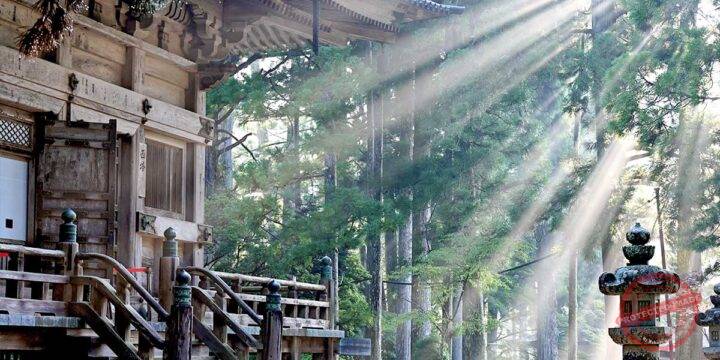
Kosanji Temple stands as a monumental mountain sanctuary in the Toganoo district of Kyoto. It serves as a vital cultural anchor and a designated UNESCO World Heritage site. The temple is topographically defined by its secluded location within a dense forest of ancient cedars and maples. This provides an authoritative sense of isolation from the urban center. Originally established in the late eighth century and later restored by the priest Myōe in 1206, the site is recognized as the birthplace of tea cultivation in Japan. The layout is characterized by its integration with the natural terrain. The craftsmanship of the structures is most elegantly represented by the Sekisui-in, the only original Kamakura-period building remaining on the grounds. This hall is noted for its refined joinery and its open design which…
Read More