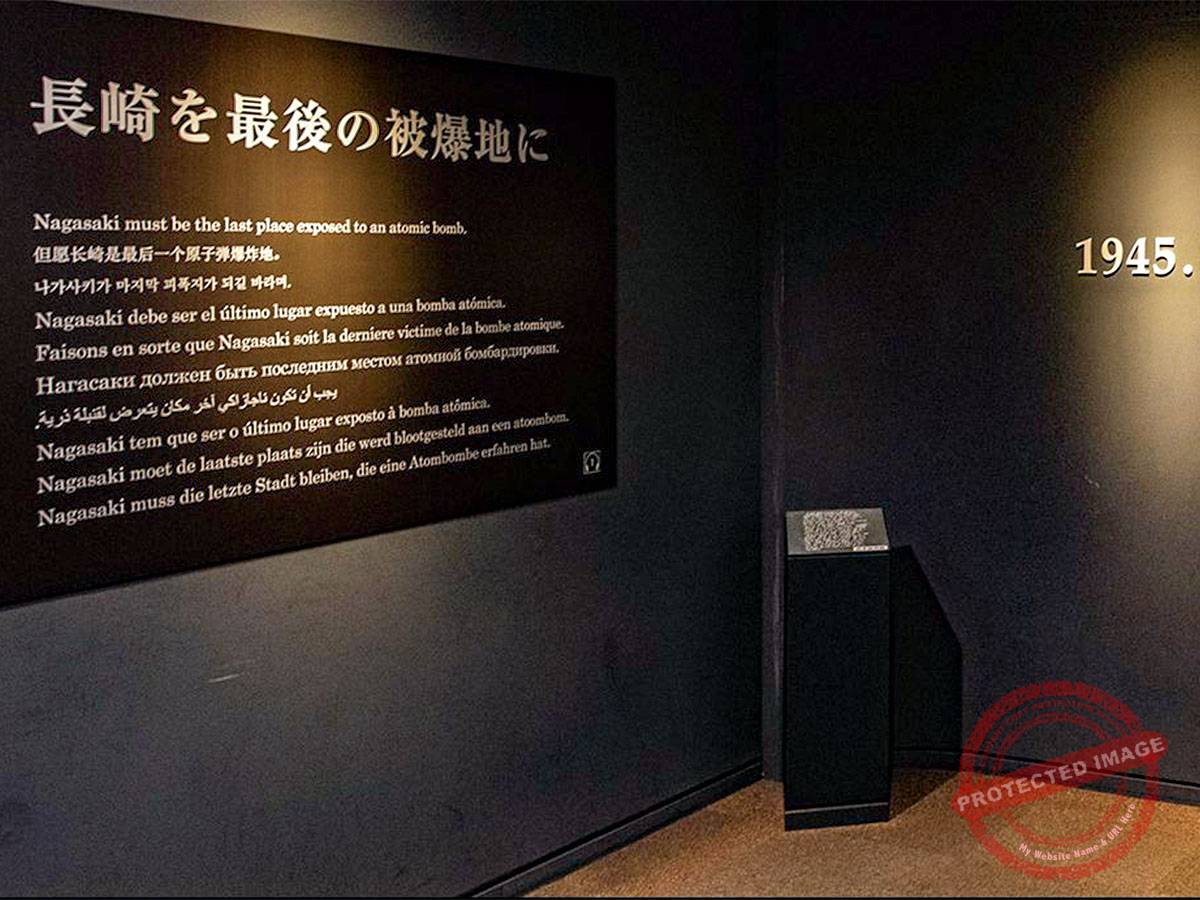
The Nagasaki Atomic Bomb Museum stands as a dignified and authoritative institution dedicated to the preservation of history and the global advocacy for nuclear disarmament.
The museum’s architecture is designed to lead visitors on a transition from the darkness of the past to the light of a peaceful future. The entrance is marked by a circular, descending path that prepares the visitor for the gravity of the exhibits within. The interior design utilizes a disciplined arrangement of space, where the structural remains of the city are highlighted against minimalist backdrops to emphasize their historical weight. This includes the reconstruction of a portion of the Urakami Cathedral wall, which serves as a powerful architectural witness to the scale of the destruction.
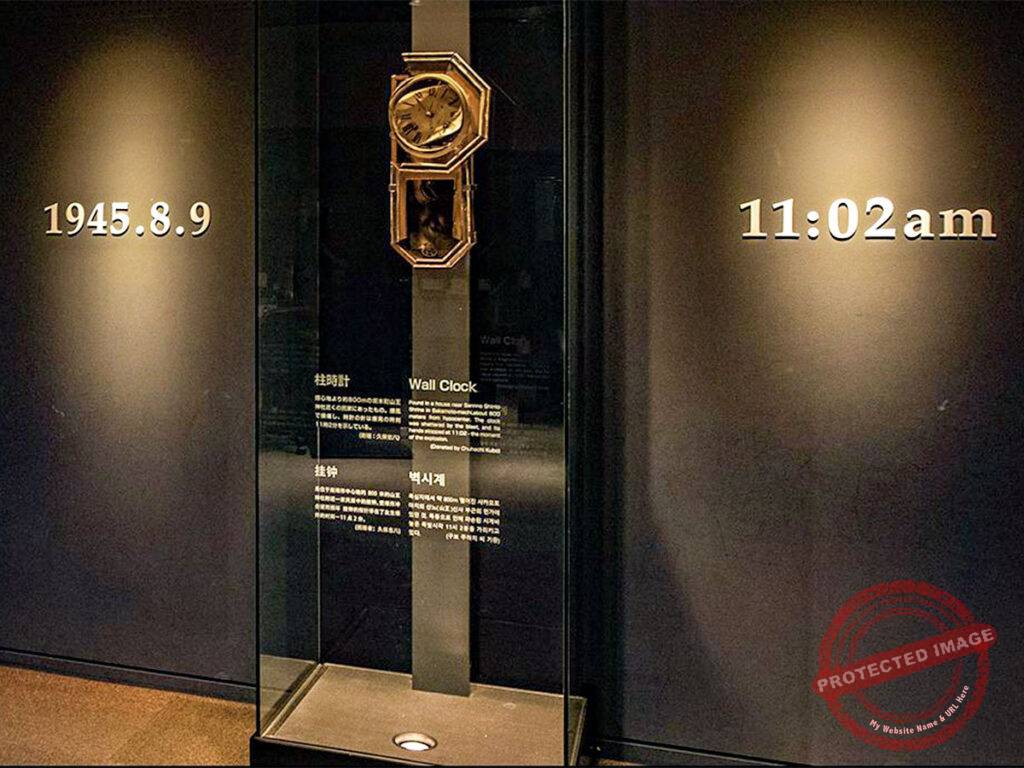
The significance of the collection lies in its meticulous documentation of the events of August 9, 1945. The museum houses a wide array of artifacts, such as a clock frozen at 11:02, charred personal belongings, and photographs that record the immediate humanitarian aftermath. These items are presented alongside technical explanations of the explosion’s physics and the long-term medical effects of radiation, providing a comprehensive and intellectual understanding of the catastrophe. The narrative concludes in the “Peace Hall”, a space designed for quiet contemplation and the expression of a shared hope for a world free of nuclear weapons.
For the international traveler, the museum offers a composed and deeply informative atmosphere. It serves as a vital cultural anchor in Nagasaki, grounding the visitor in the authentic reality of the atomic age while fostering a dialogue on global ethics. It remains a definitive destination for those seeking to understand the resilience of the human spirit and the city’s enduring commitment to the “Nagasaki Commitment” for peace.