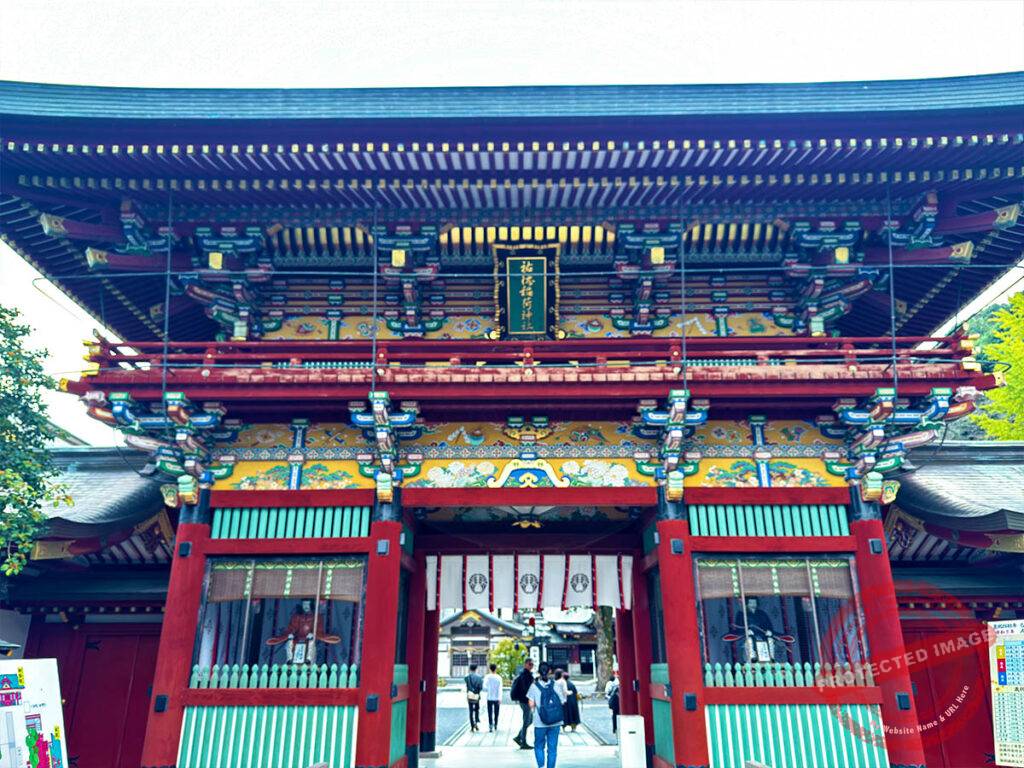
Recognized as one of Japan’s three most significant Inari shrines, Yutoku Inari Shrine is a masterpiece of 17th-century religious architecture set against the lush hillsides of Kashima.
Established in 1687 by the Nabeshima family of the Hizen-Kashima Domain, the shrine is dedicated to Inari, the deity of prosperity, agriculture, and protection. The architecture is famously nicknamed “Kyushu’s Nikko” due to its brilliantly colored vermilion wood and intricate gold-leaf ornamentation. The main hall is constructed on an impressive raised wooden platform, similar to the “kake-zukuri” (overhang) style found at Kiyomizu-dera in Kyoto, which offers an authoritative view of the surrounding valleys and seasonal landscapes.
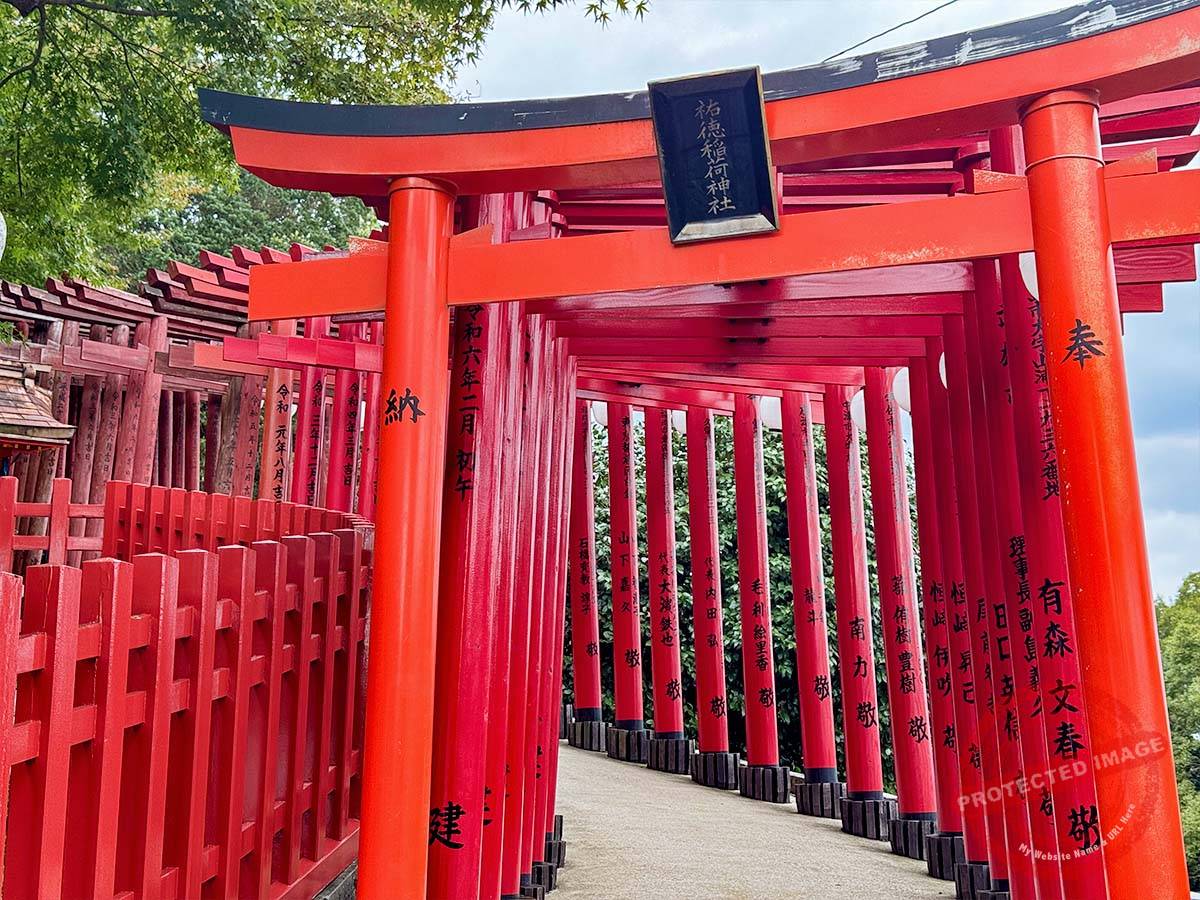
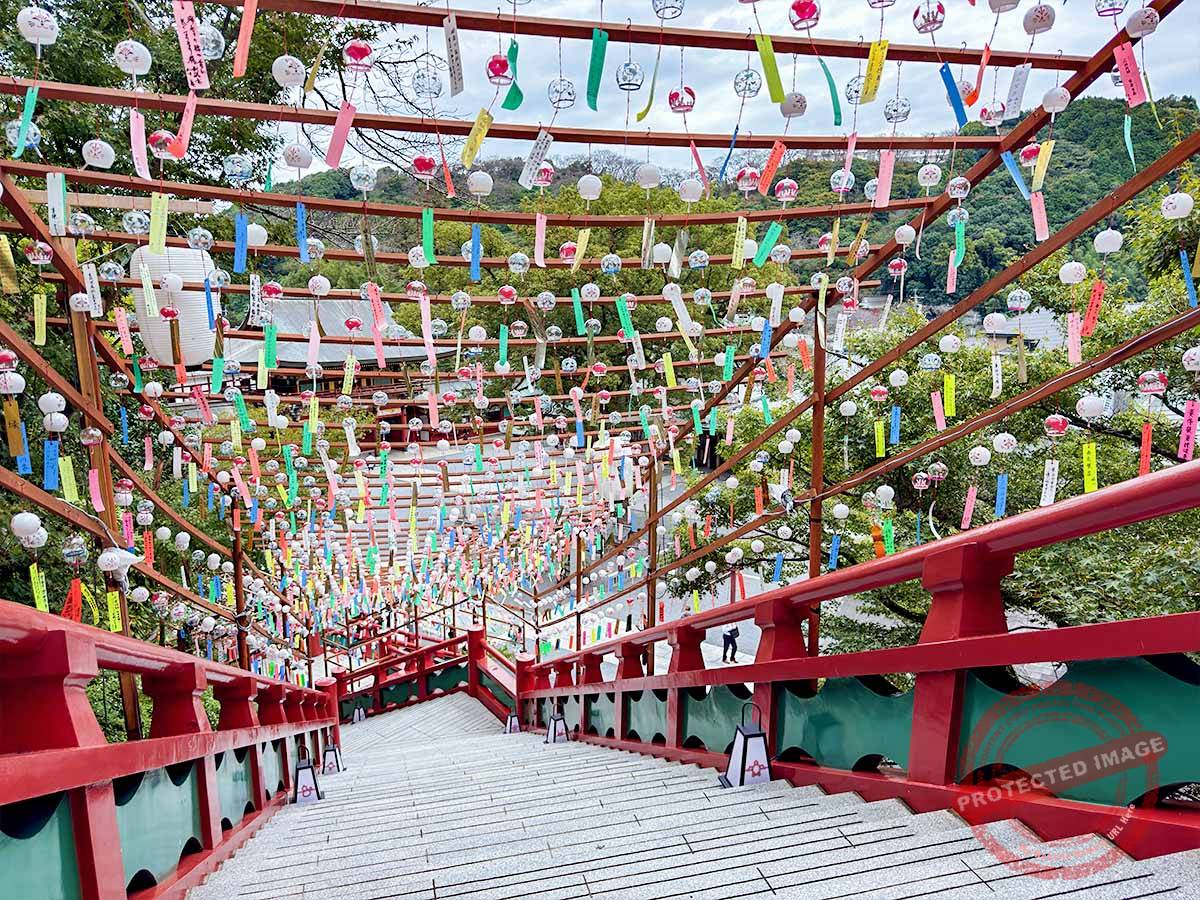
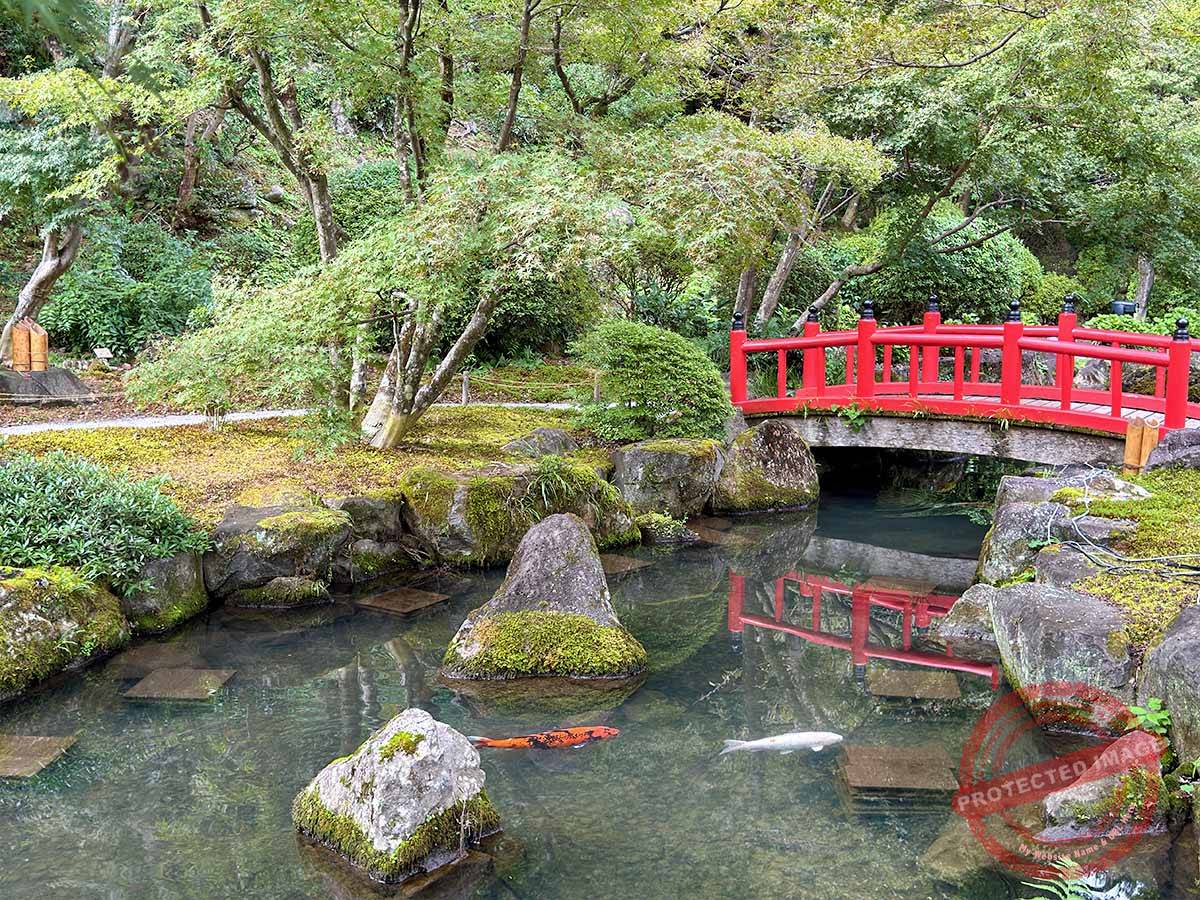
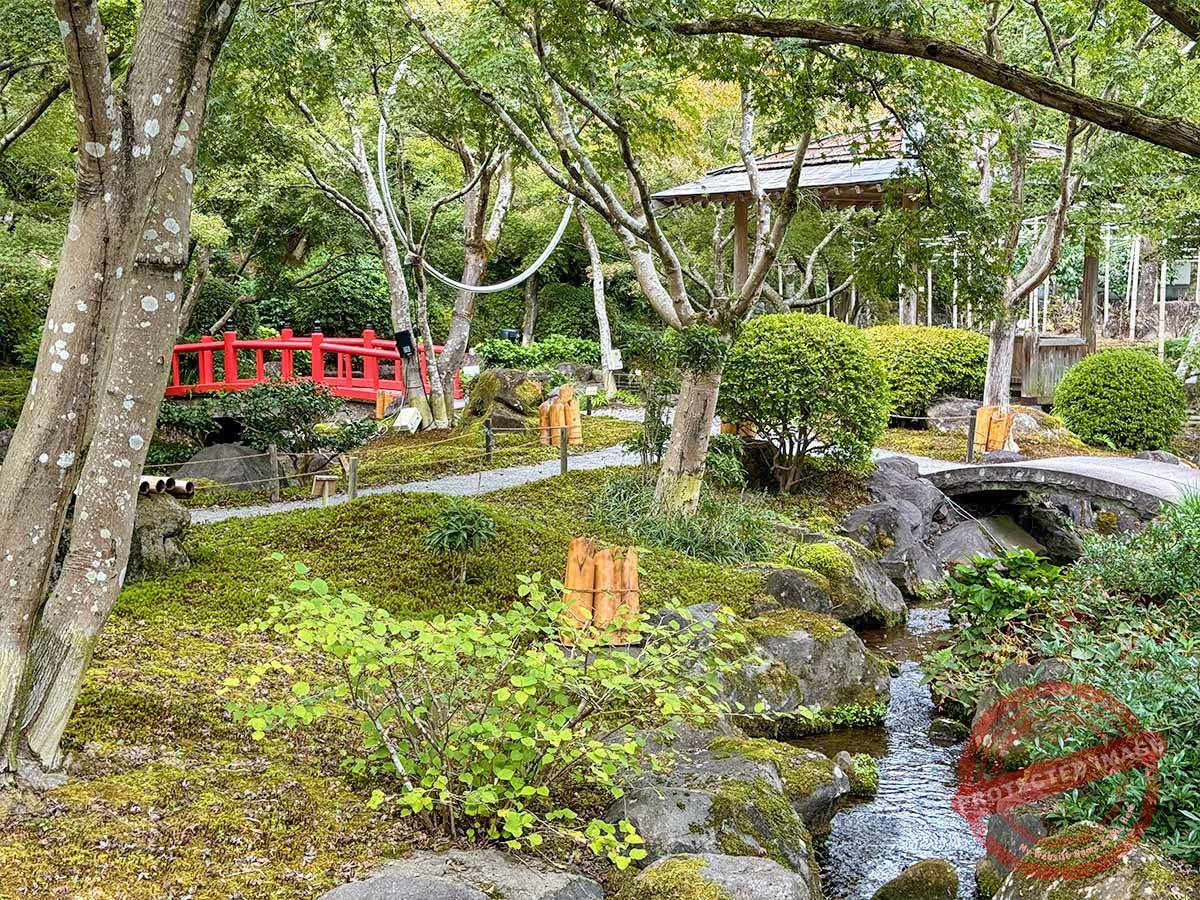
The landscape features a dramatic hillside approach with stone stairways that lead through numerous vermilion “torii” gates toward the inner sanctuary. These expansive grounds also include a Japanese-style garden with a large pond and seasonal blooms, most notably cherry blossoms in spring and vibrant maples in autumn. For those seeking historical context, the Yutoku Museum preserves a sophisticated collection of artifacts, including ceremonial armor used by the Nabeshima clan and traditional local crafts. Furthermore, the “Okunoin” (Inner Sanctuary) at the peak of the hill provides a disciplined hiking experience for visitors, rewarding them with panoramic vistas of the Ariake Sea.
The atmosphere is one of vibrant energy and historical dignity, marking the shrine as a vital cultural anchor for the Kyushu region. It remains a definitive destination for those interested in the evolution of Shinto aesthetic traditions and the enduring legacy of the Edo-period daimyo.