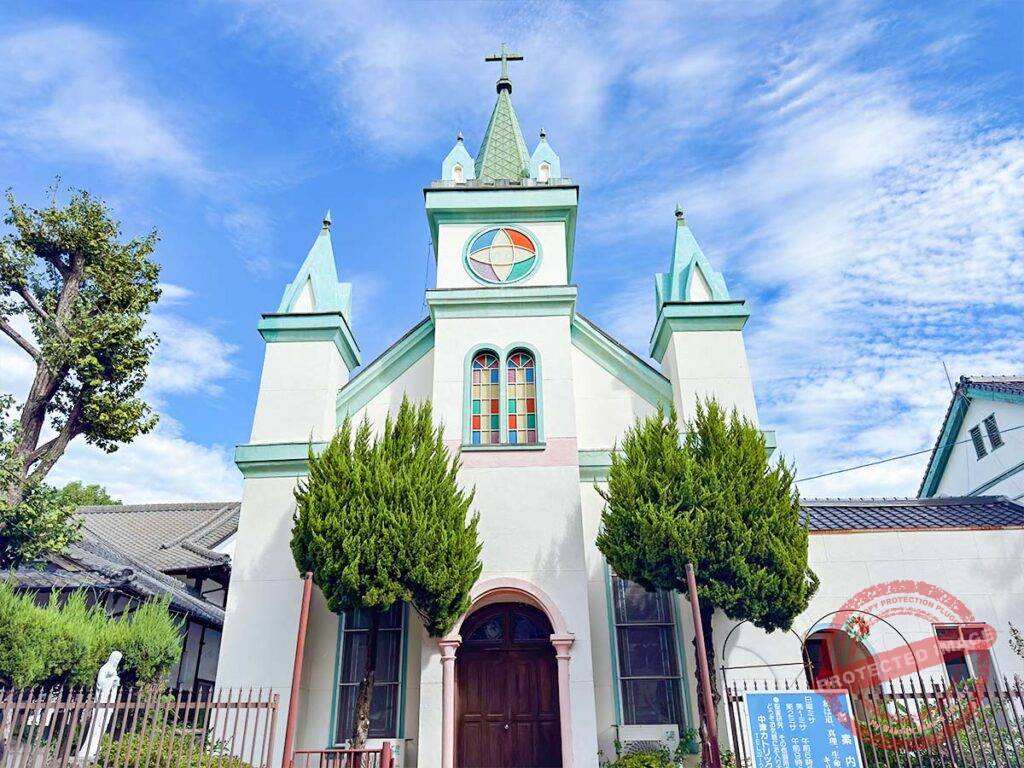
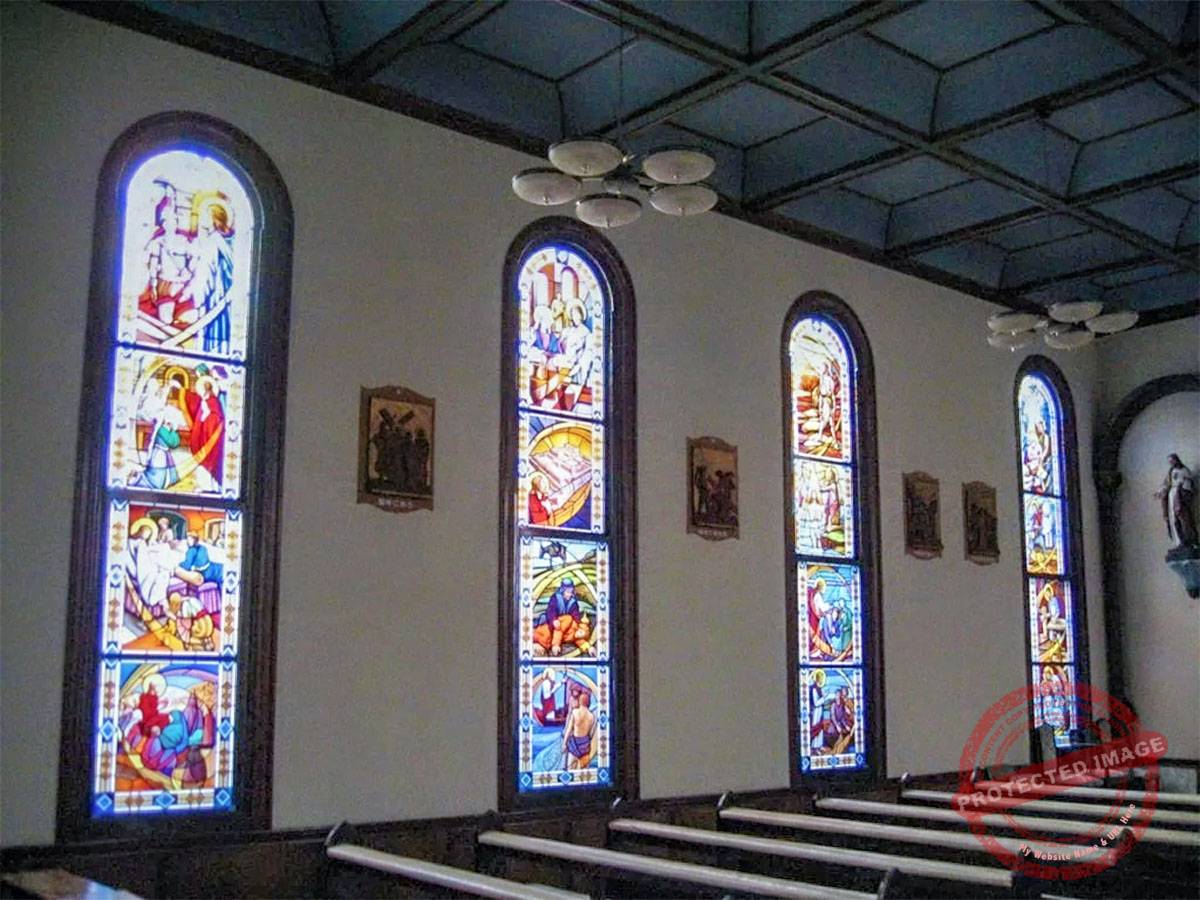
Discover the artistic and historical depth of the Nakatsu Church, a structure celebrated for its world-class stained glass and its deep roots in the early missionary history of Kyushu.
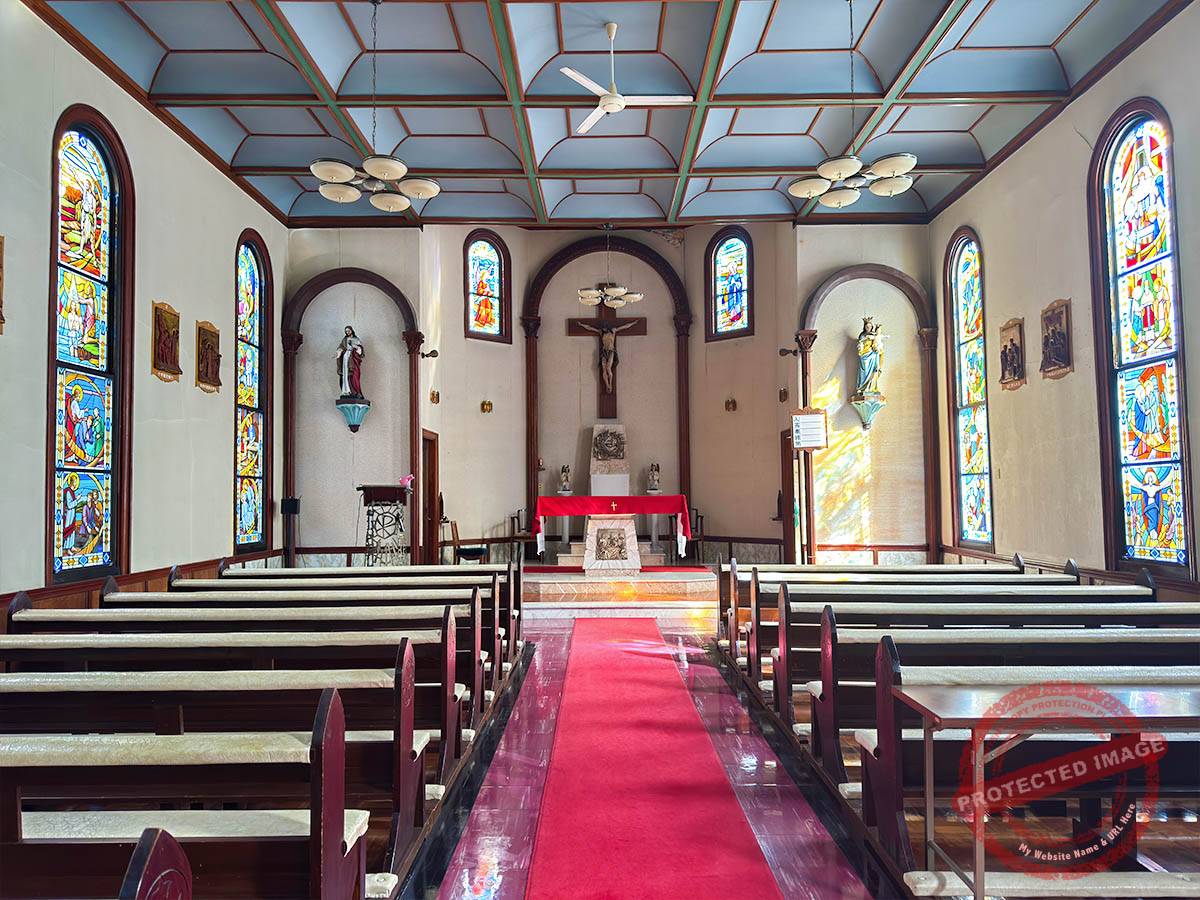
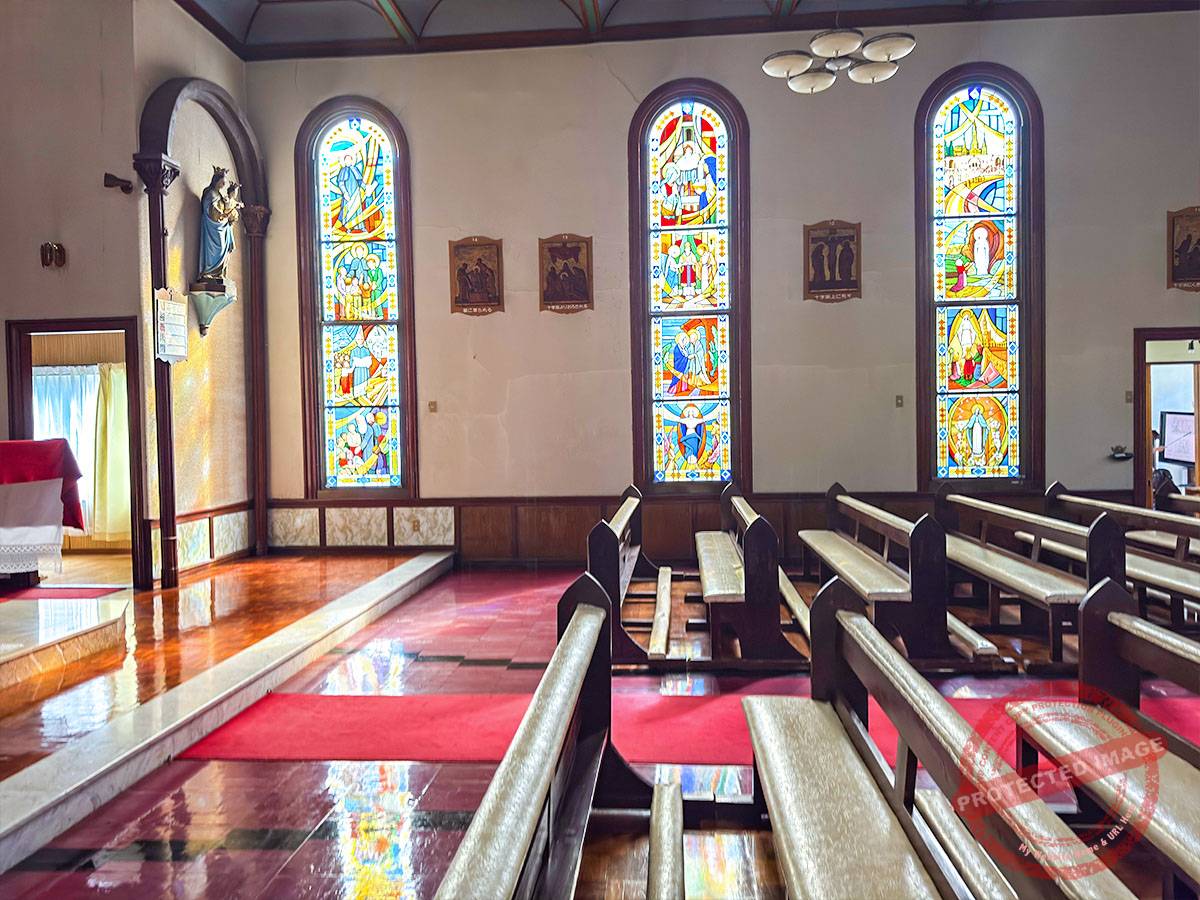
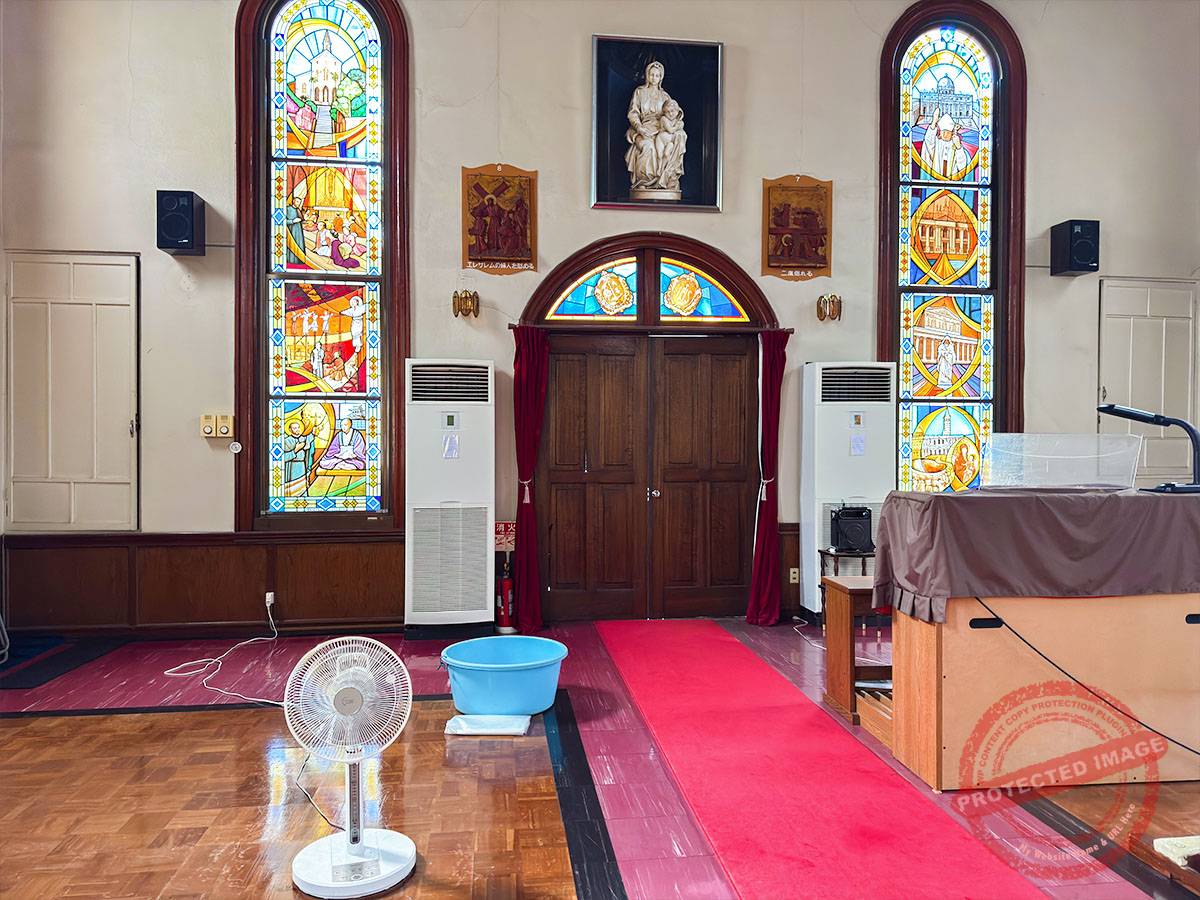
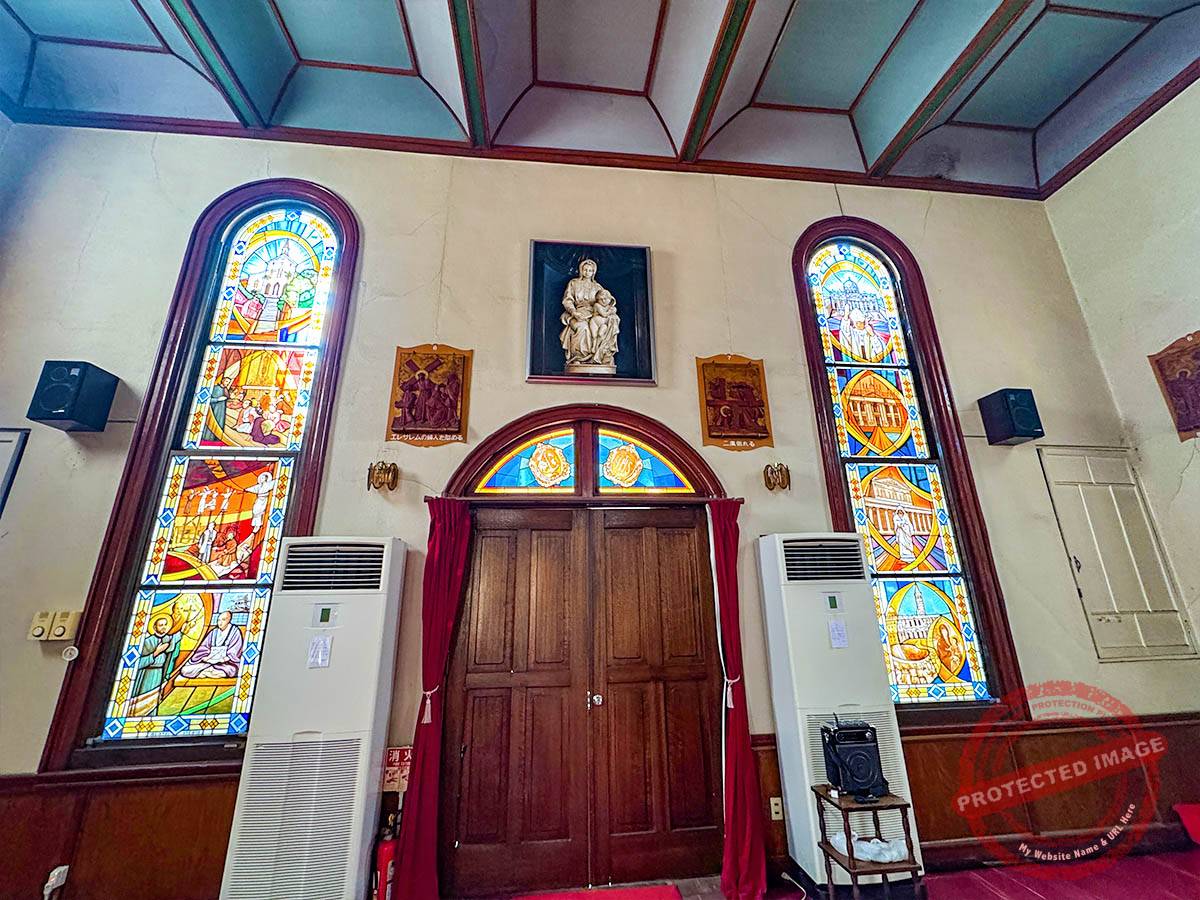
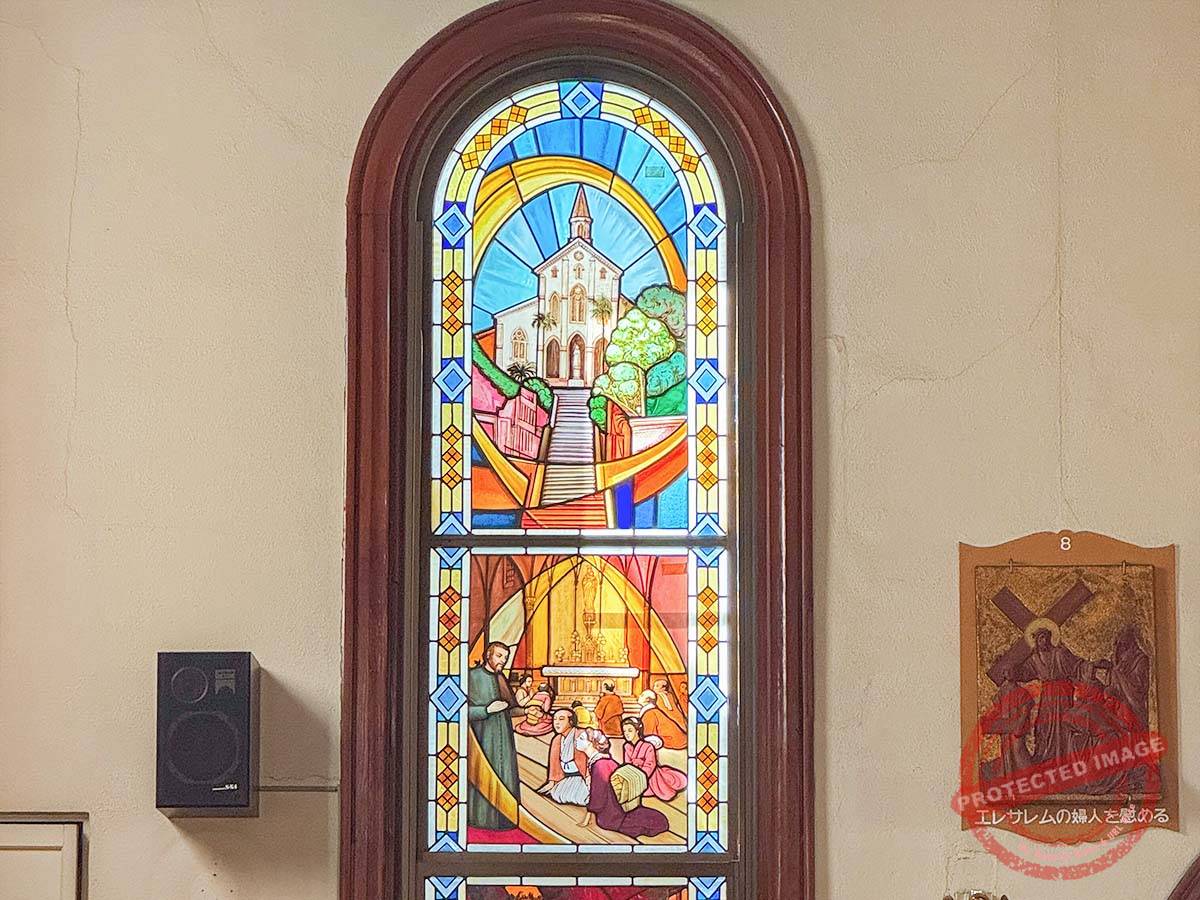
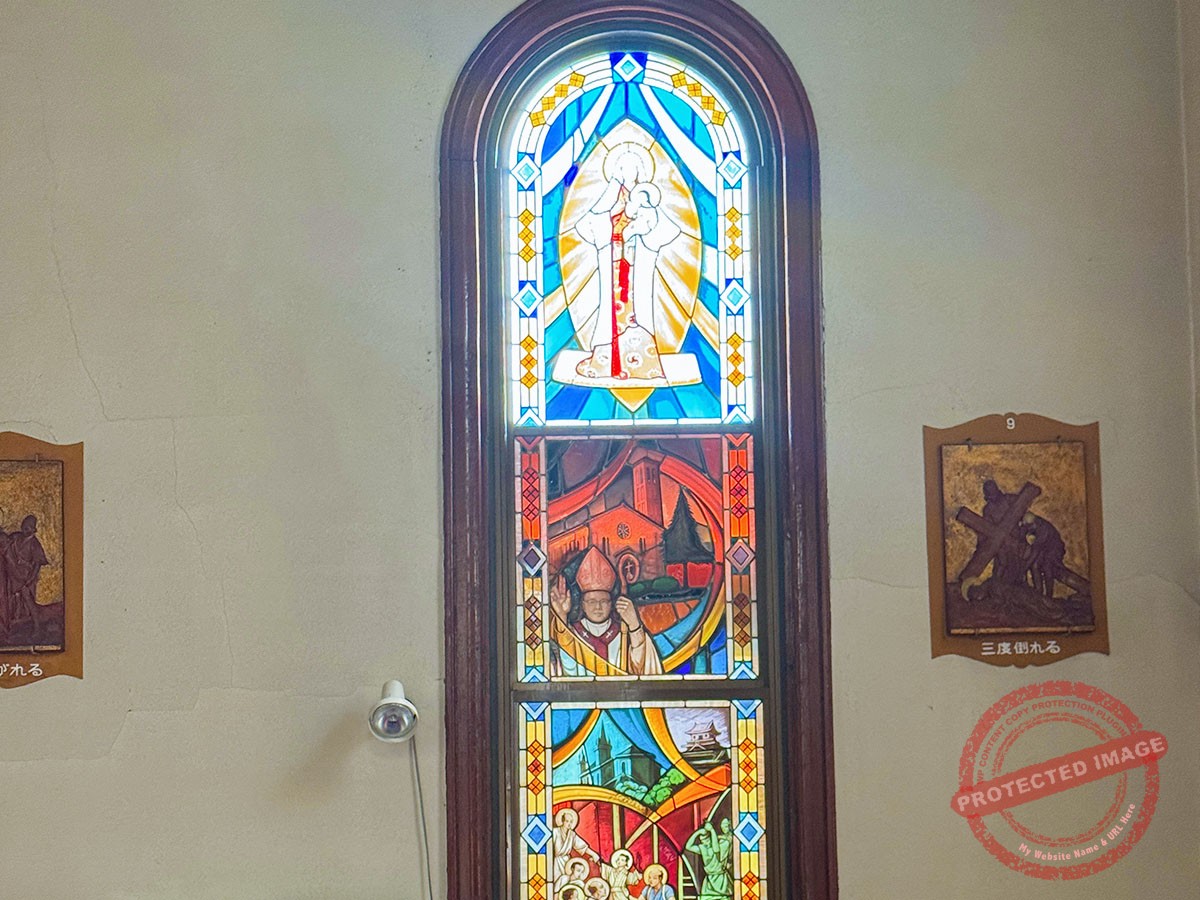
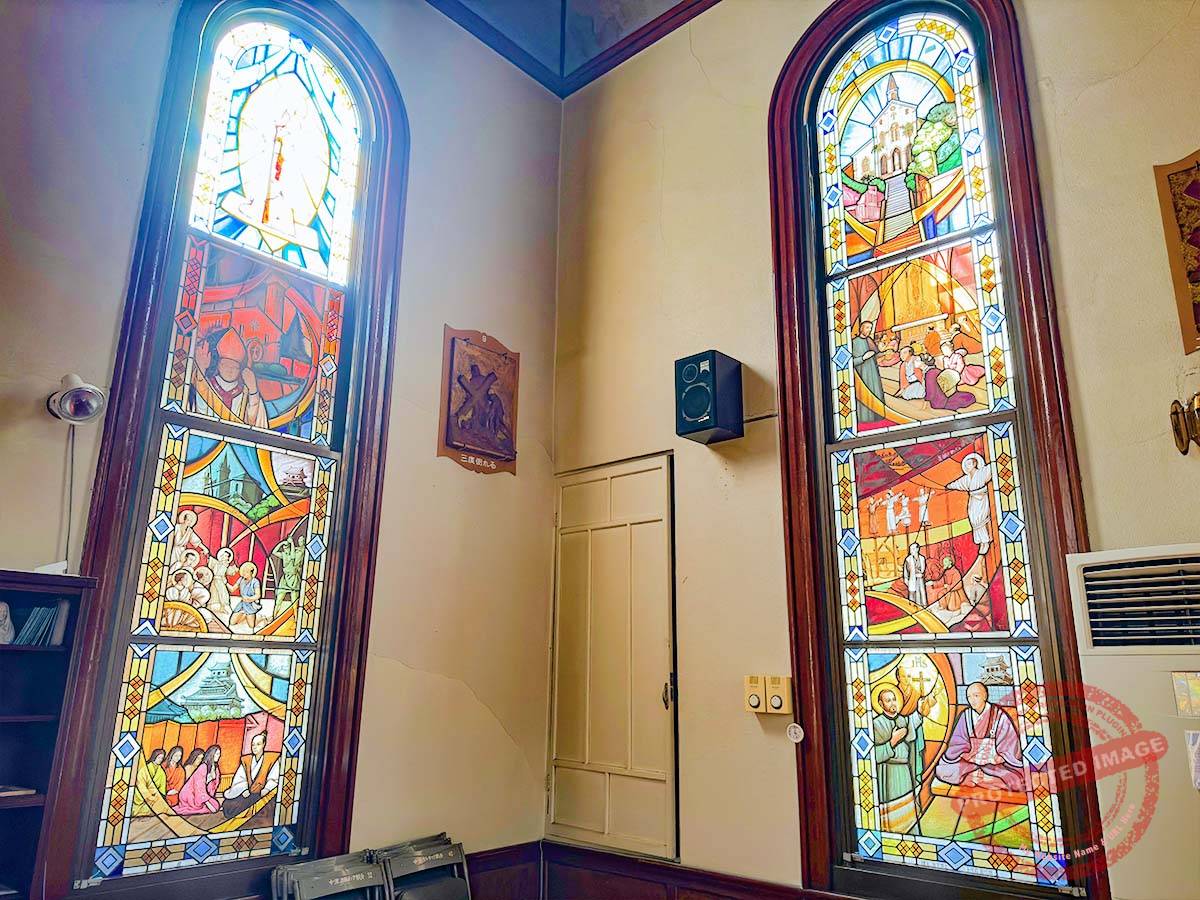
The Nakatsu Church is an architectural testament to international collaboration. While the original parish was established in 1887 by Father Belair of the Paris Foreign Missions Society, the current cathedral was completed in 1938. The building underwent a transformative renovation in 1982 led by the Italian priest Father Secchi, who integrated high-quality craftsmanship from his home country into the Japanese structure. The most striking feature of the interior is the collection of 48 stained-glass windows, which were commissioned and imported directly from Italy. These windows utilize light and color to create a radiant, contemplative environment that bridges European artistic tradition with local Japanese narratives.
The significance of the church lies in its localized iconography. The stained glass does not only depict universal biblical scenes but also commemorates specific regional histories, such as “The Martyrs of Nakatsu” and “The Faith of Hosokawa Gracia”, a famous high-born convert of the 16th century. This makes the cathedral an authoritative site for understanding how Catholic identity has been woven into the historical fabric of the Nakatsu area. The precision of the Italian glasswork combined with the church’s modest, stable architecture offers a sense of place that is both internationally connected and regionally grounded.
For the heritage traveler, the church provides a serene atmosphere of intellectual and spiritual reflection. The play of light through the narrative windows offers a polished perspective on the resilience of the local faith community. It remains a vital cultural landmark in Nakatsu, preserving a unique visual record of the intersection between Japanese history and global religious art.