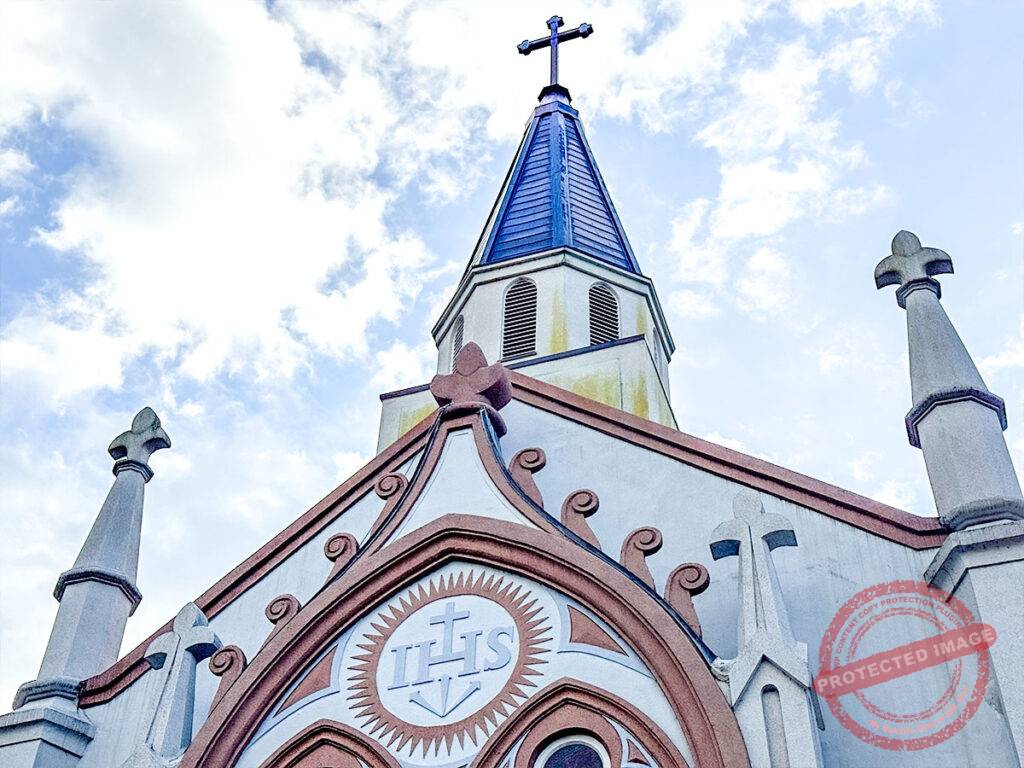
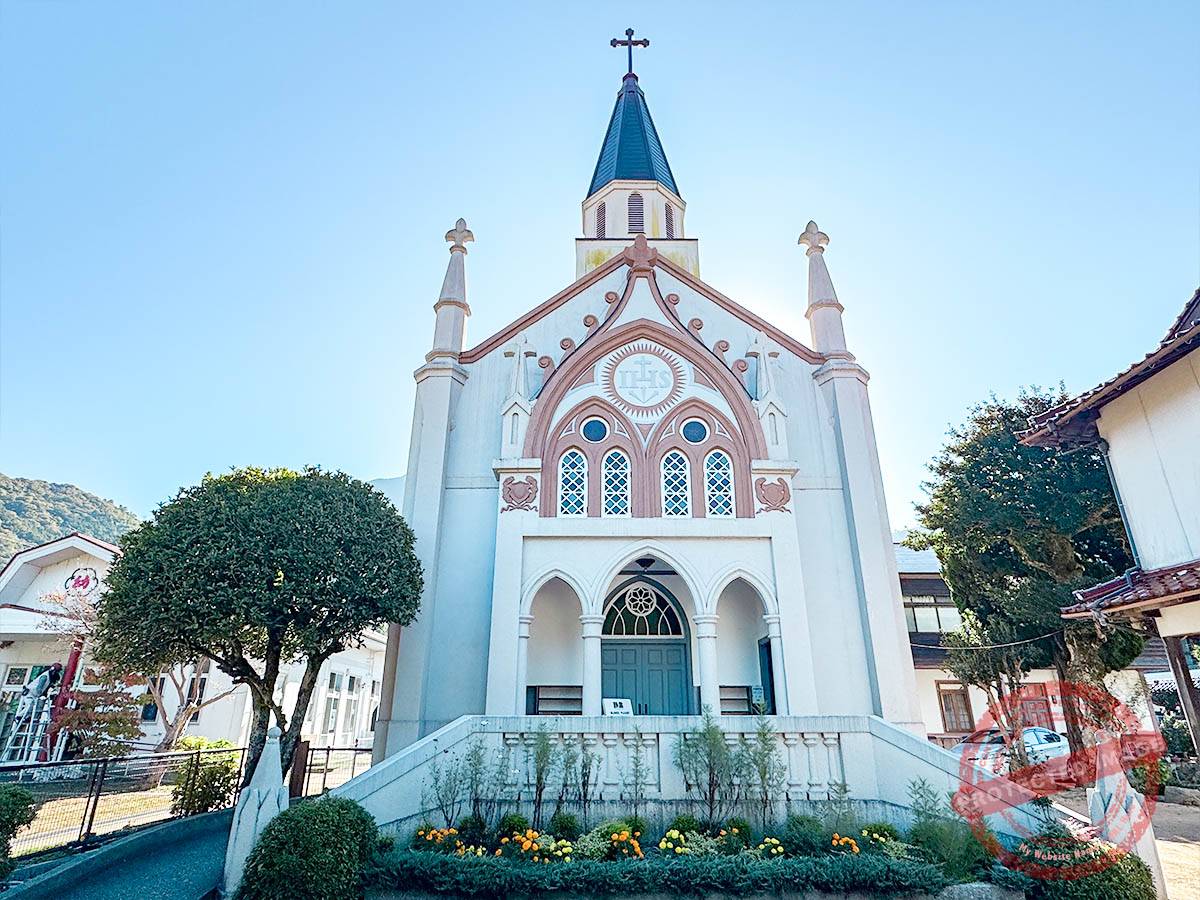
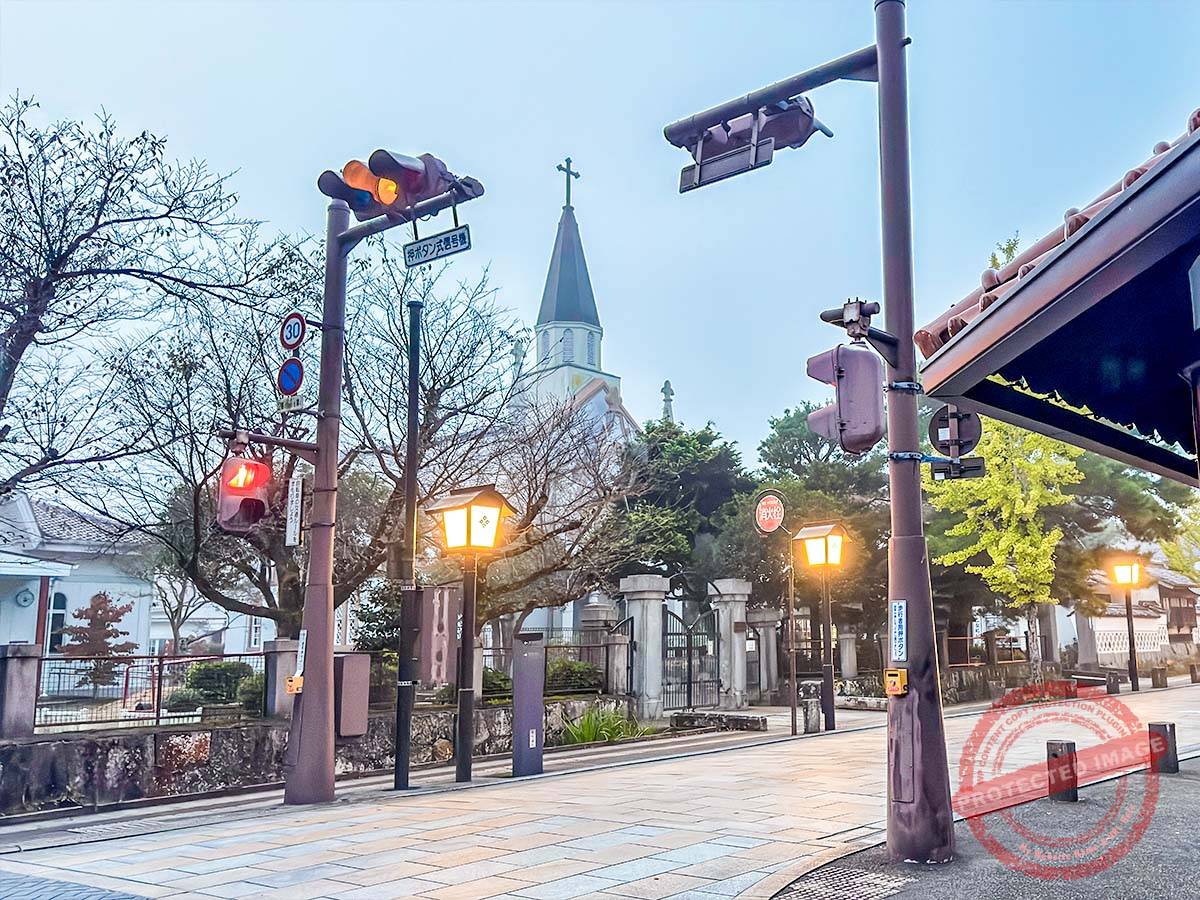
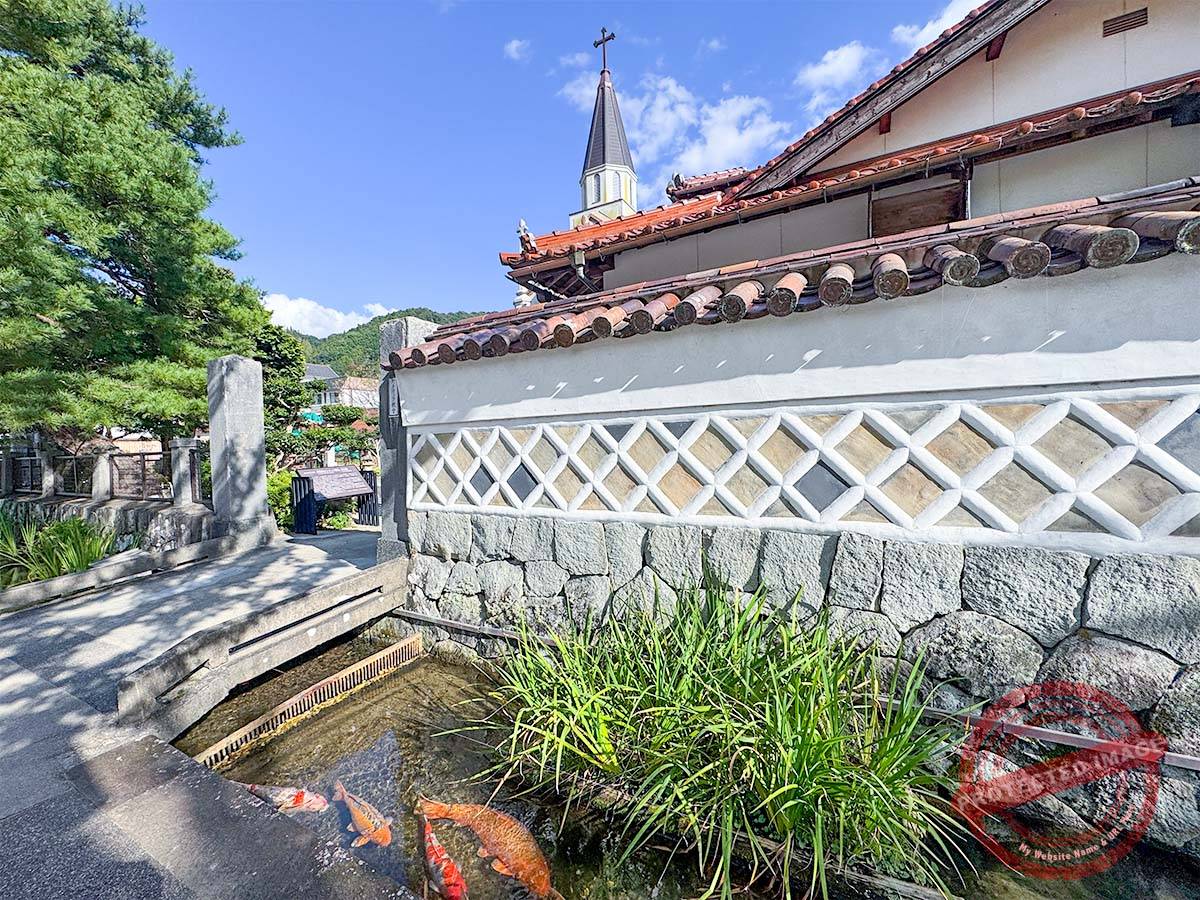
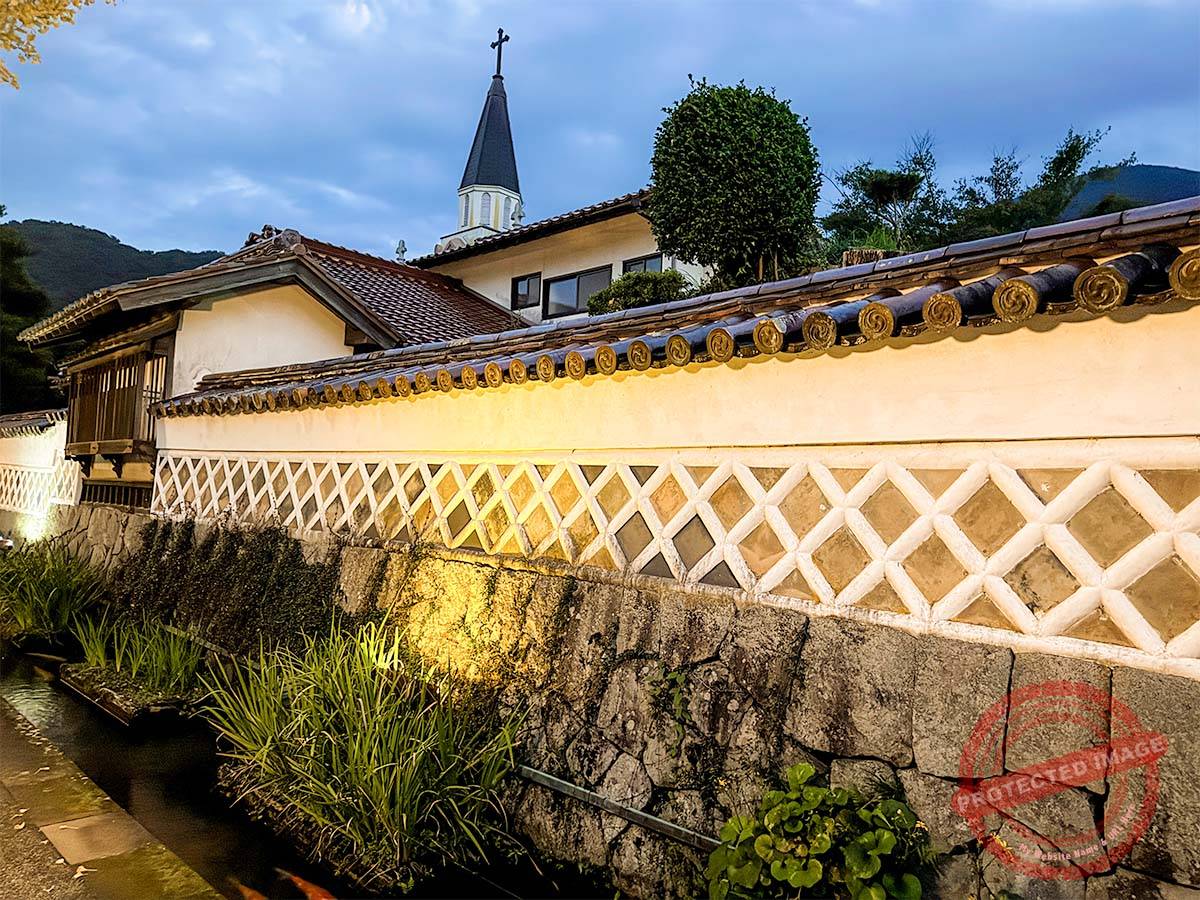
Discover the understated elegance of the Tsuwano Church, a structure that harmonizes European Gothic motifs with the traditional wooden craftsmanship of the San’in region.
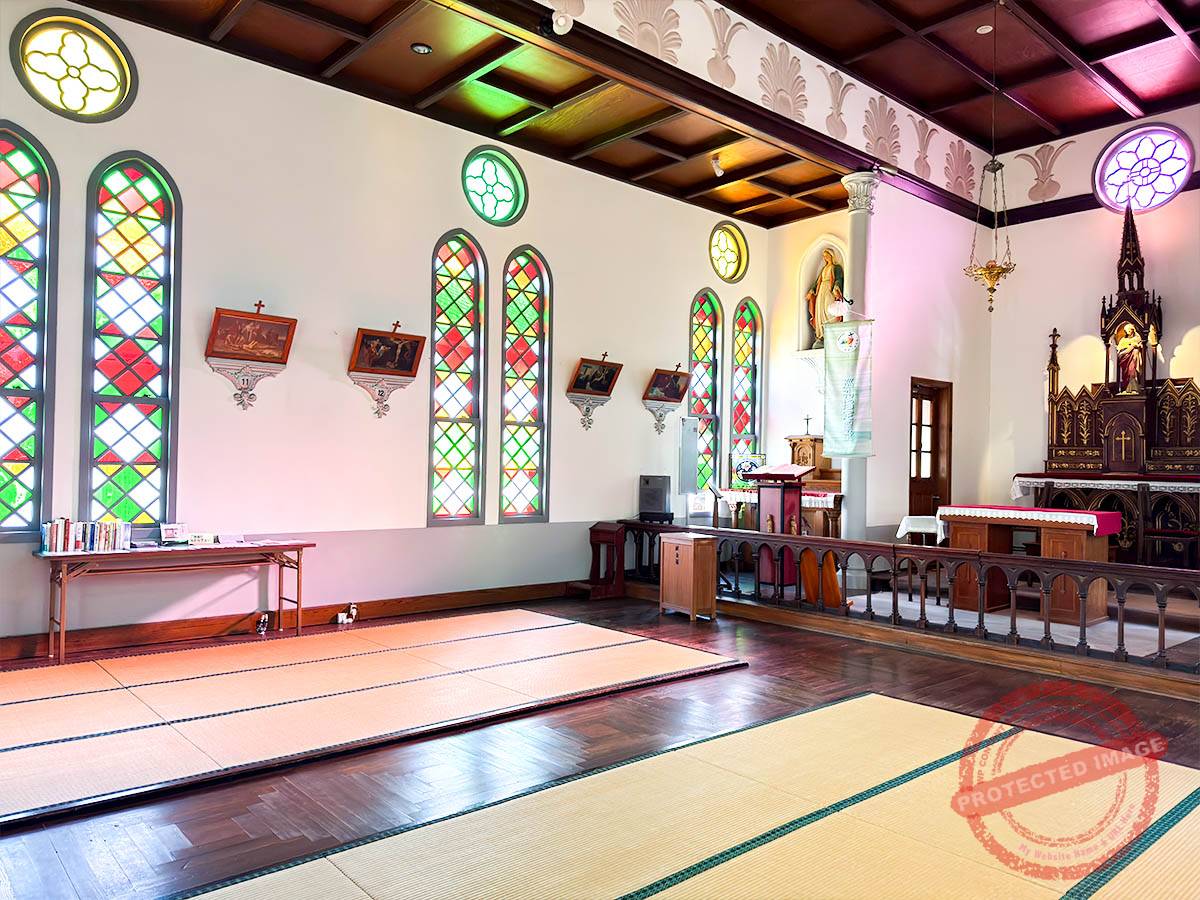
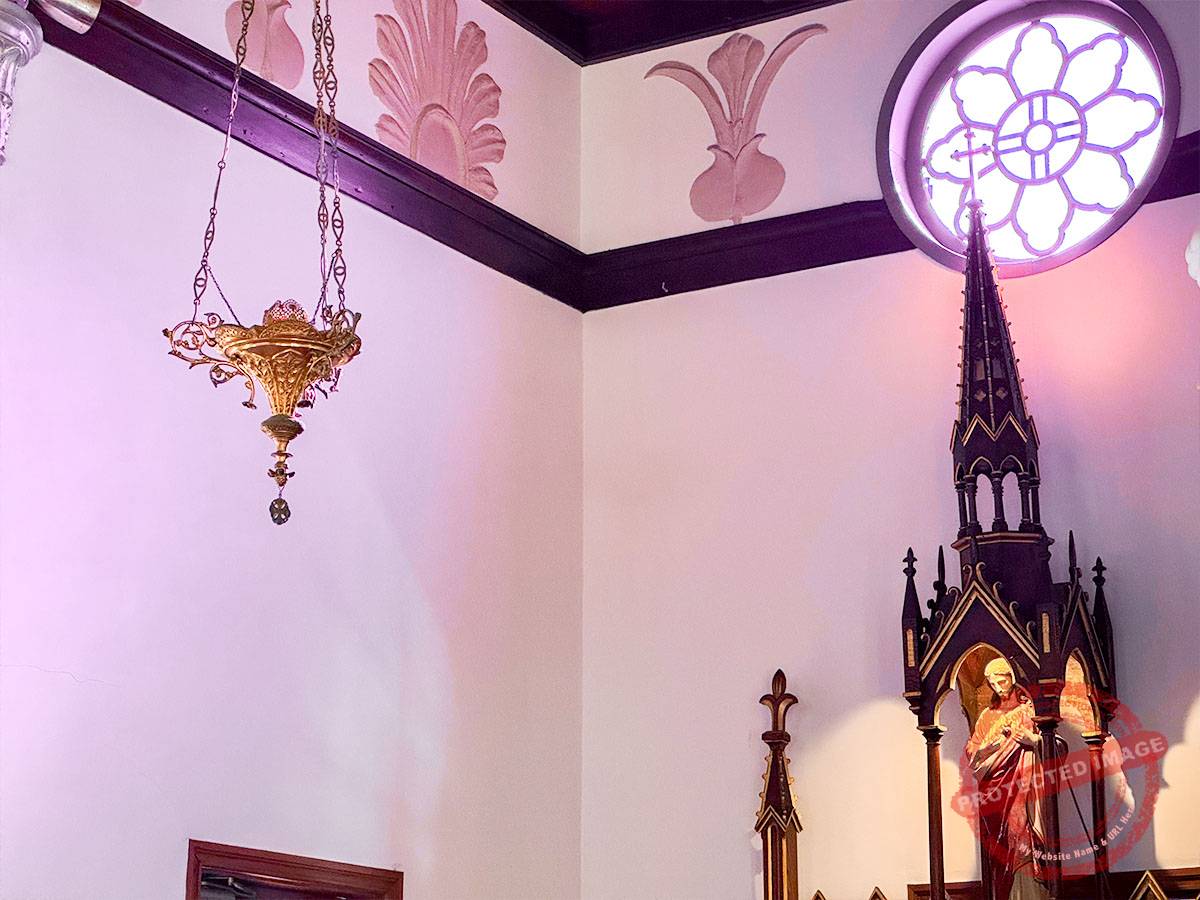
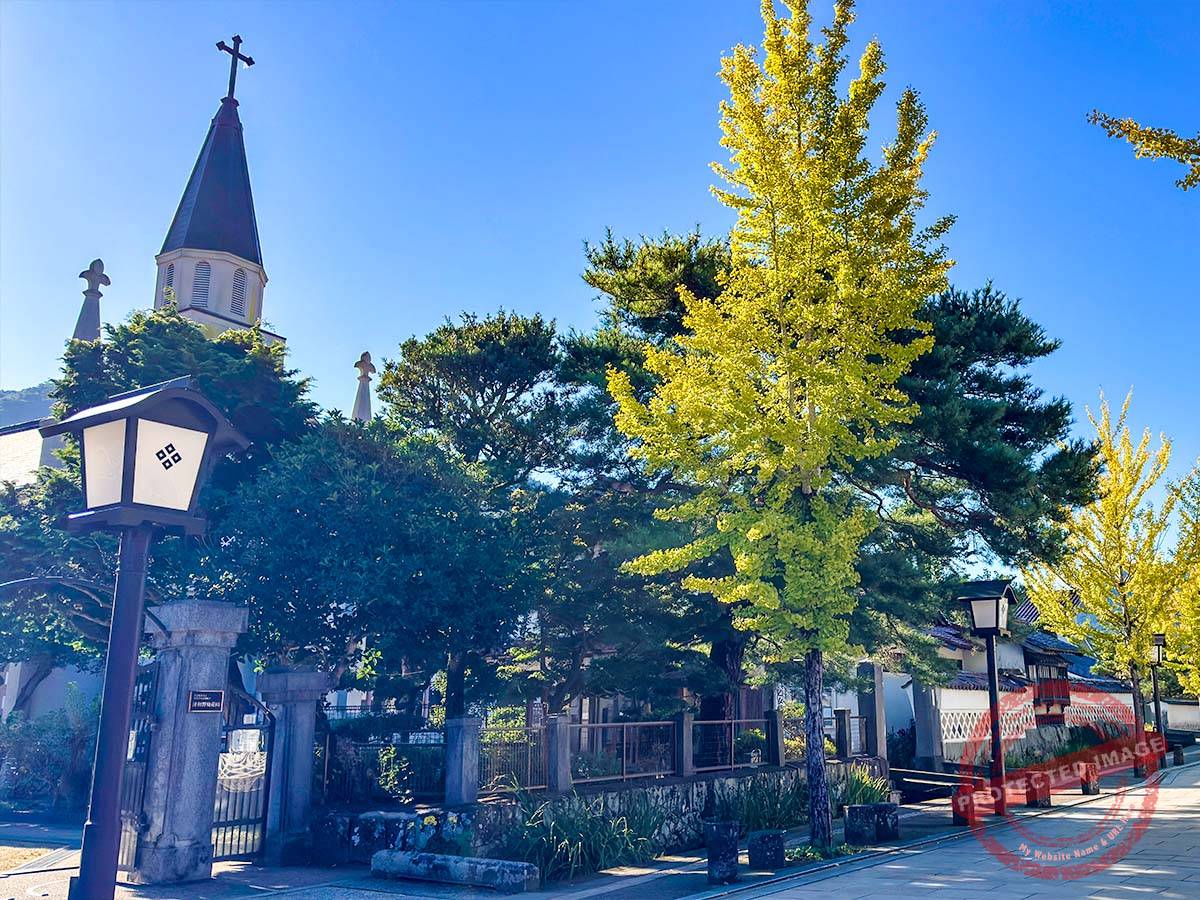
Completed in 1931 under the guidance of Father Paul Aimé Marie Bonnet, the Tsuwano Church stands as a significant architectural landmark within the town’s historic Tonomachi district. While the exterior features the classic lines and pointed arches of Western Gothic design, the interior reveals a surprising and refined departure from European norms. In place of traditional wooden pews, the nave is laid with “tatami” mats, a deliberate integration of Japanese domestic customs into the ecclesiastical space. This feature reflects a sophisticated cultural synthesis, allowing for a worship environment that felt both sacred and familiar to the local community.
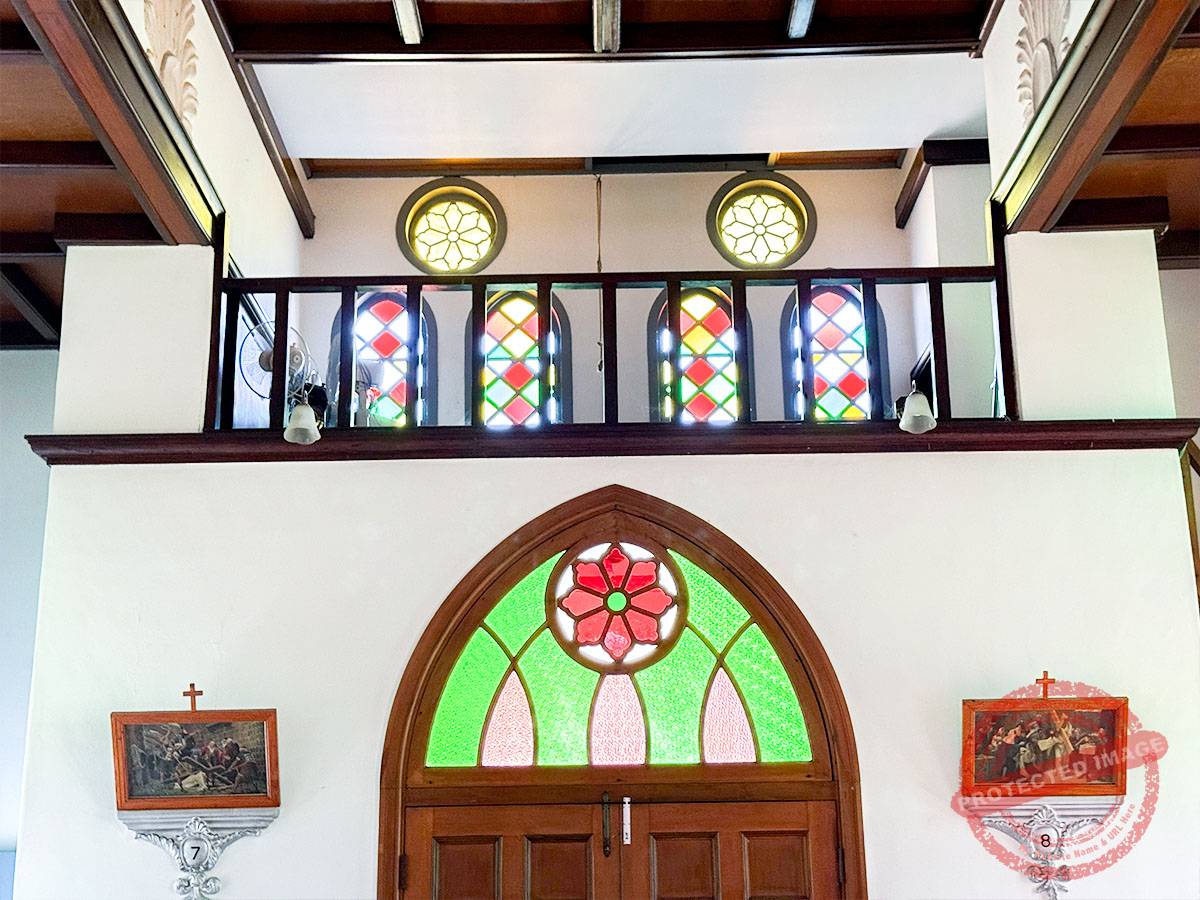
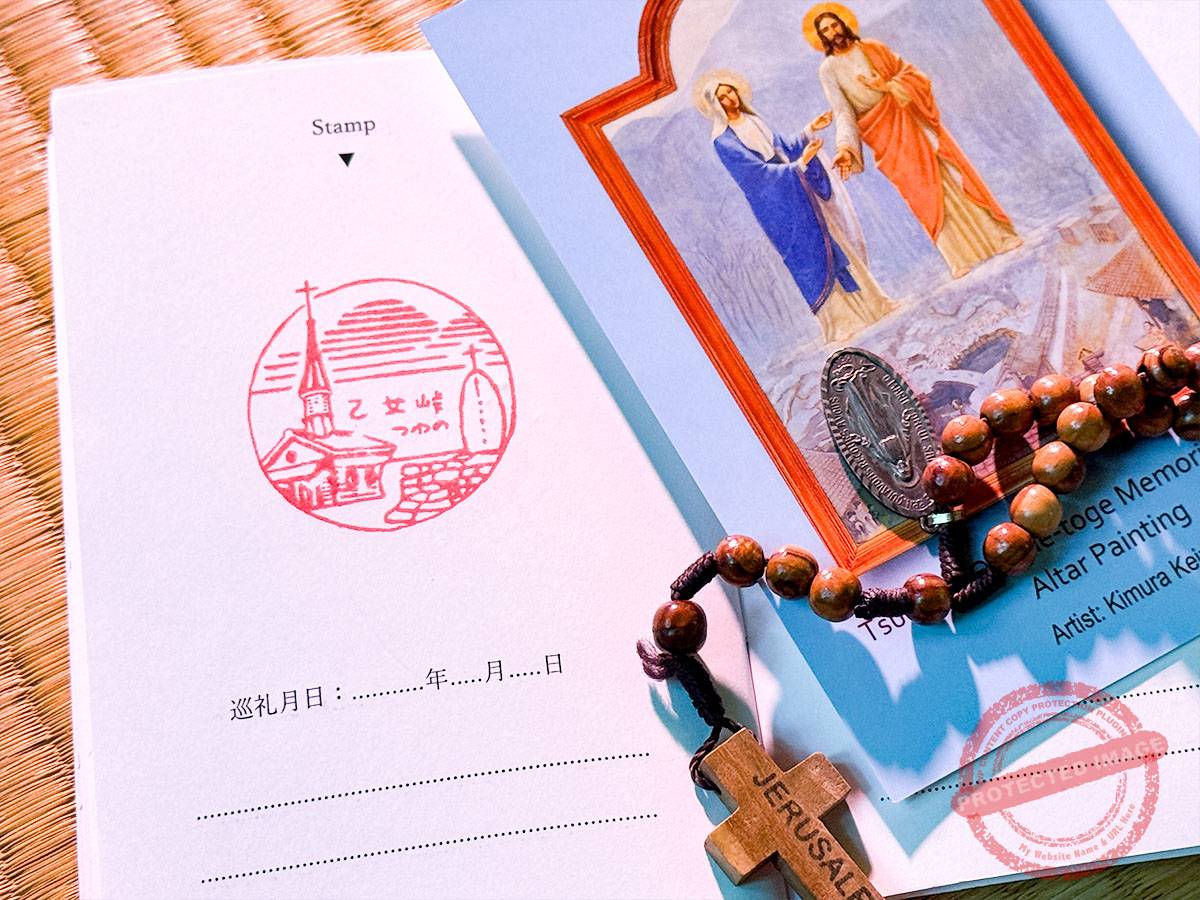
The church is further distinguished by its vibrant stained-glass windows, which depict the history of the “Hidden Christians” who were exiled to Tsuwano during the late 19th century. These windows filter natural light into the wooden interior, creating a contemplative atmosphere that honors the resilience of the local faith. The craftsmanship of the timber arches and the simplicity of the altar emphasize a sense of historical dignity and continuity.
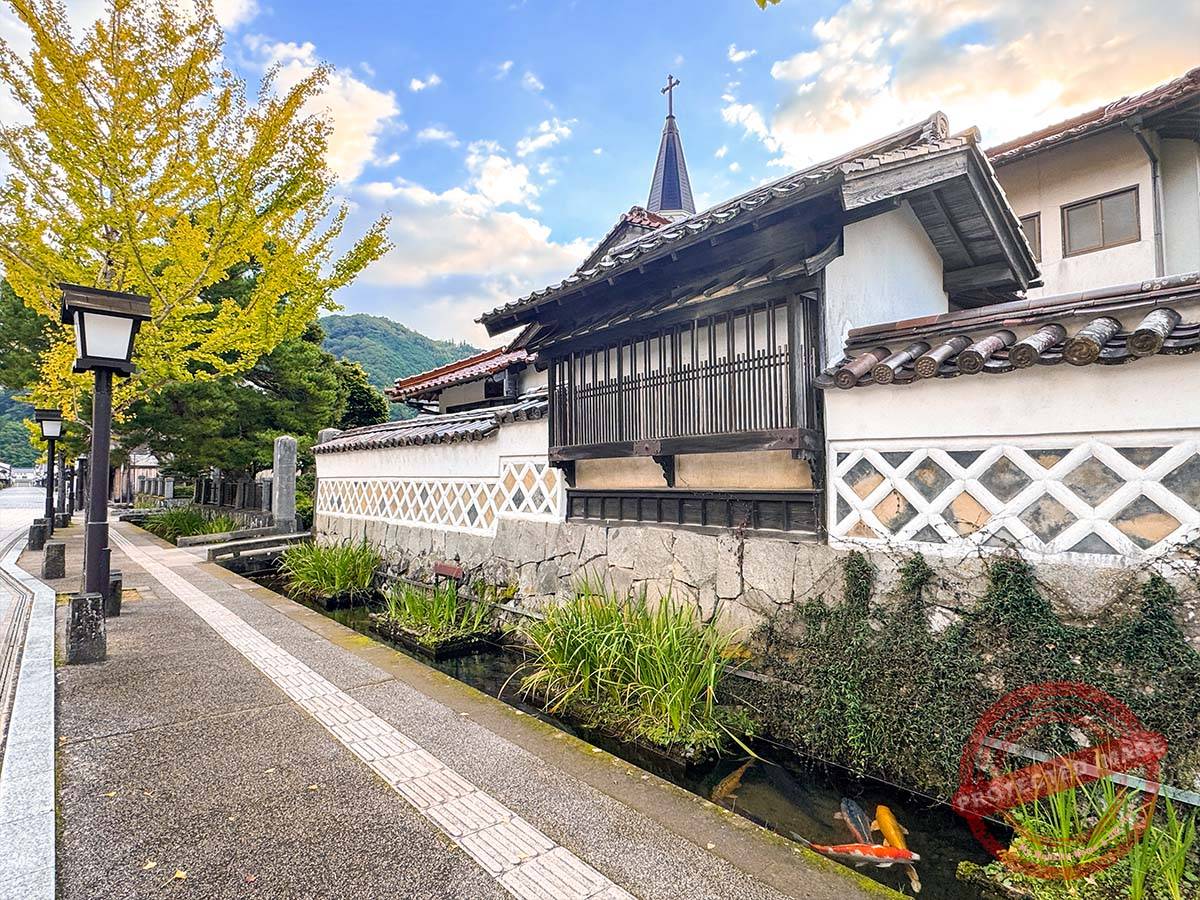
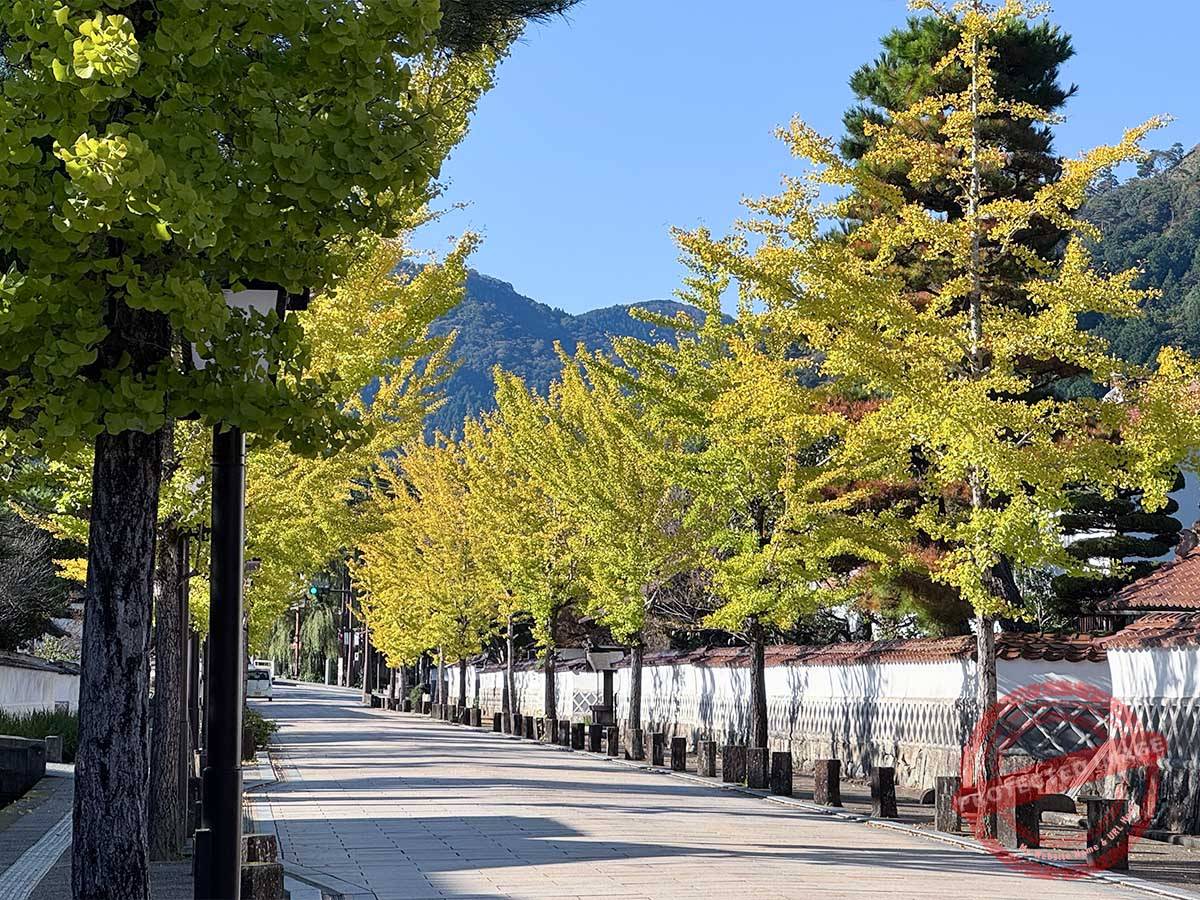
As an integral part of Tsuwano’s multicultural townscape, the church offers an authoritative perspective on the early 20th-century missionary efforts in rural Japan. The quiet garden surrounding the building provides a peaceful retreat, grounding the site in its natural mountain valley setting. For the cultural traveler, the church represents a rare and authentic example of how global religious heritage can be gracefully woven into the local fabric of a traditional Japanese castle town.