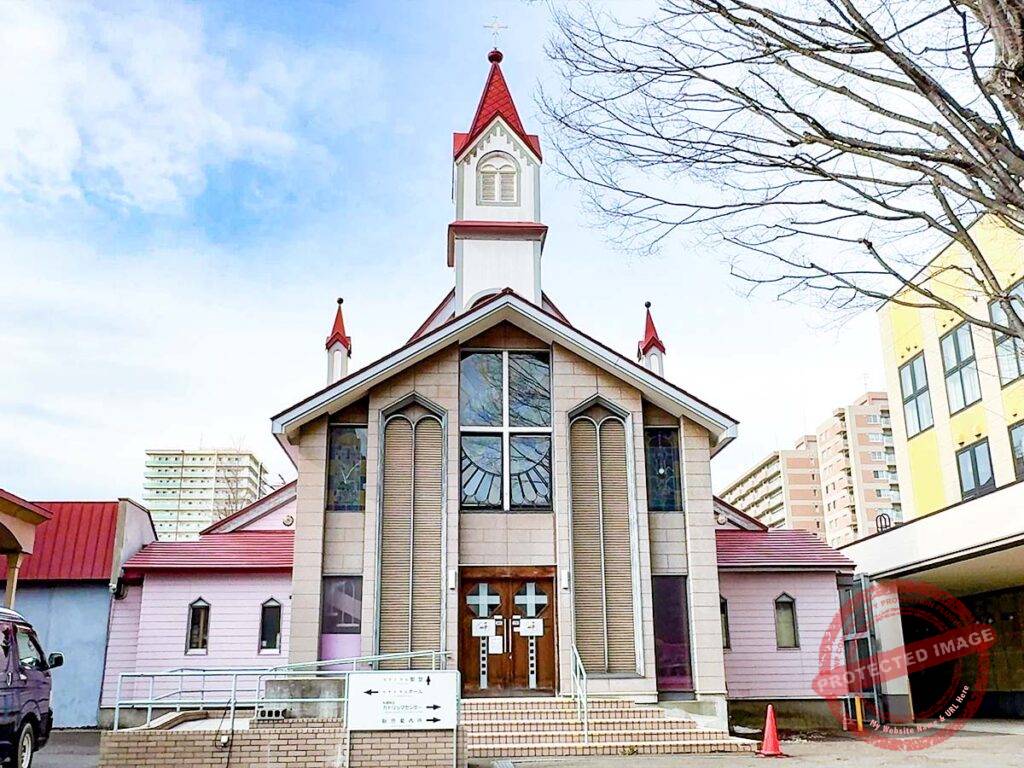
Known as the Kita-Ichijo Cathedral, this church serves as a cornerstone of architectural heritage and the historic center of the Catholic community in Hokkaido.
Originally established in its current cathedral form in 1916, the Sapporo Church serves as the episcopal seat for the Diocese of Sapporo. The building is a sophisticated example of early 20th-century Western architecture, constructed primarily from Sapporo soft stone. This choice of material not only provided the structural resilience required for the harsh northern climate but also integrated the building into the specific geological and aesthetic fabric of the city. The facade, characterized by its twin spires and symmetrical proportions, reflects a transition from the Romanesque to the Gothic Revival style, echoing the European roots of the missionaries who settled in the region.
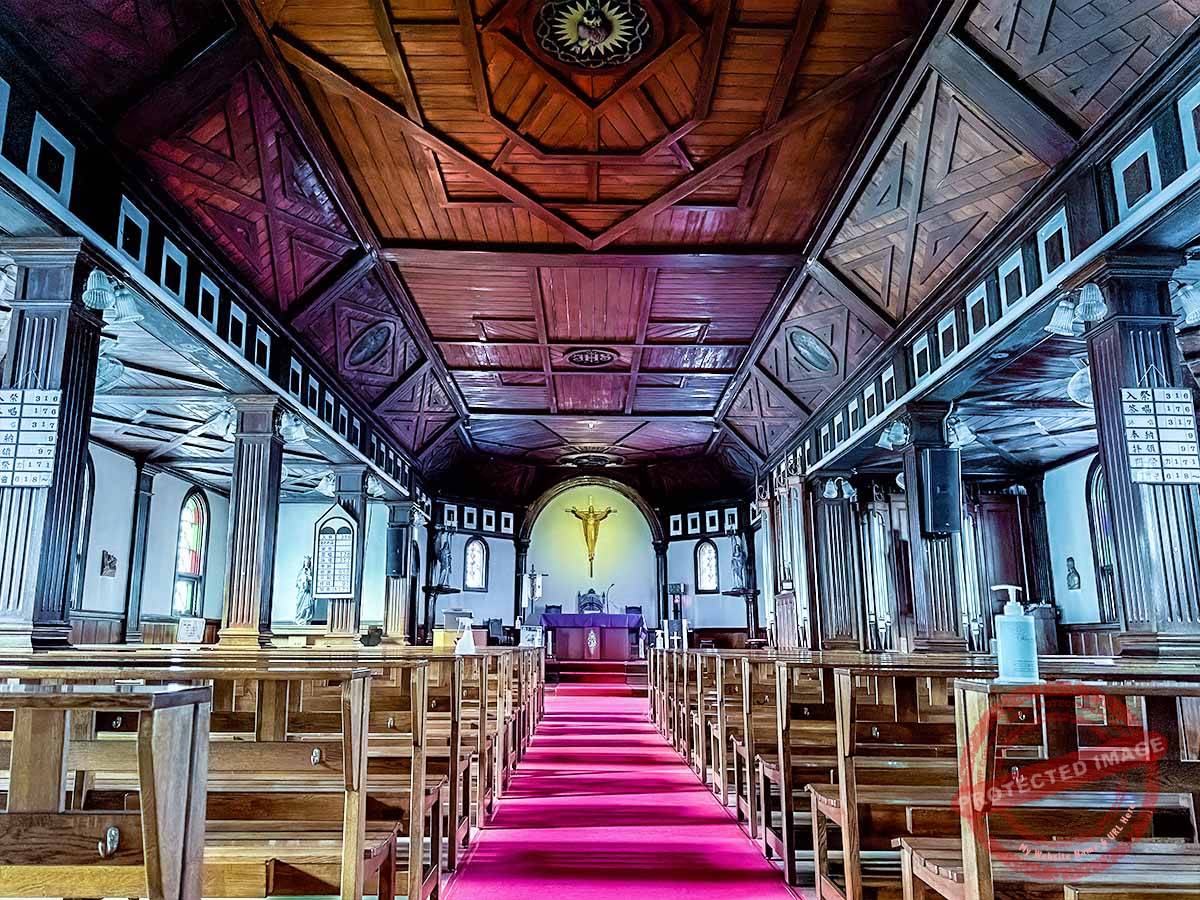
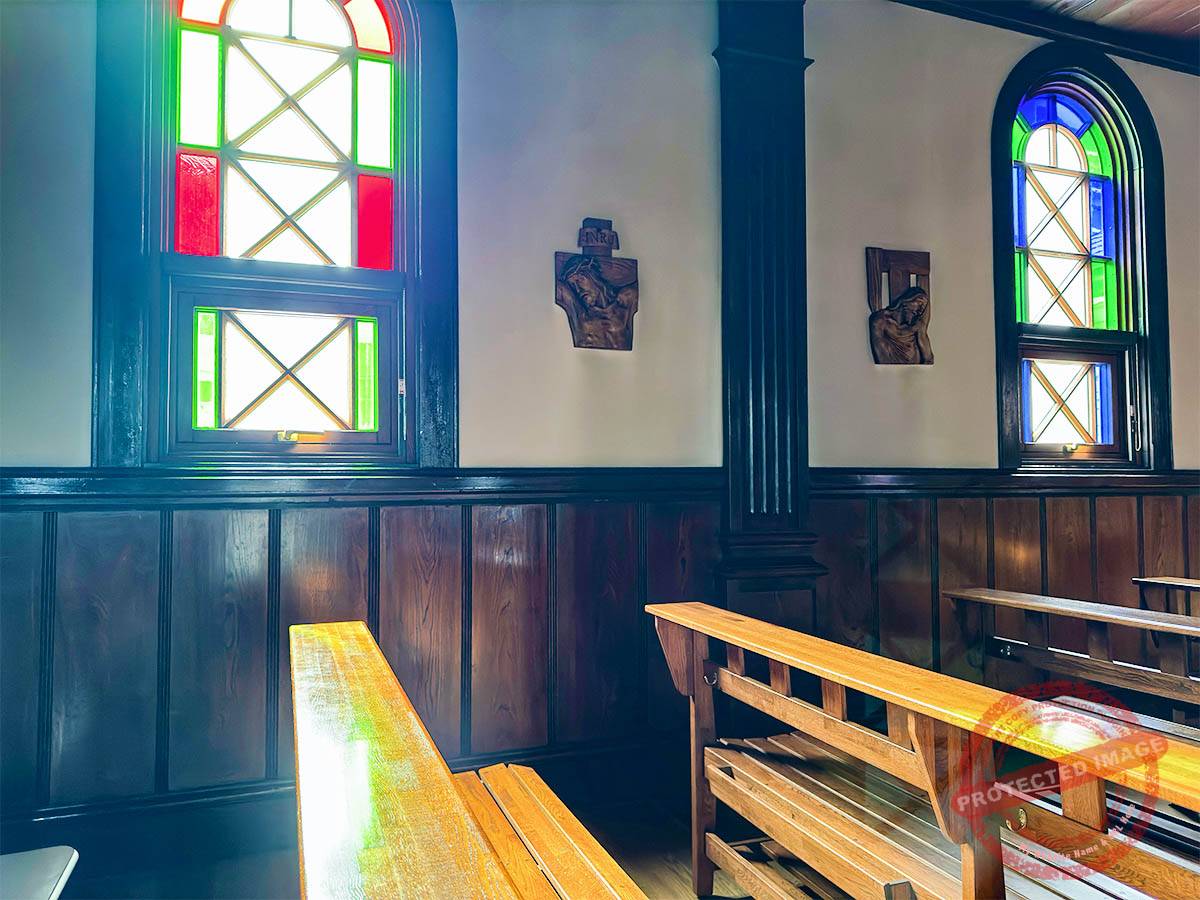
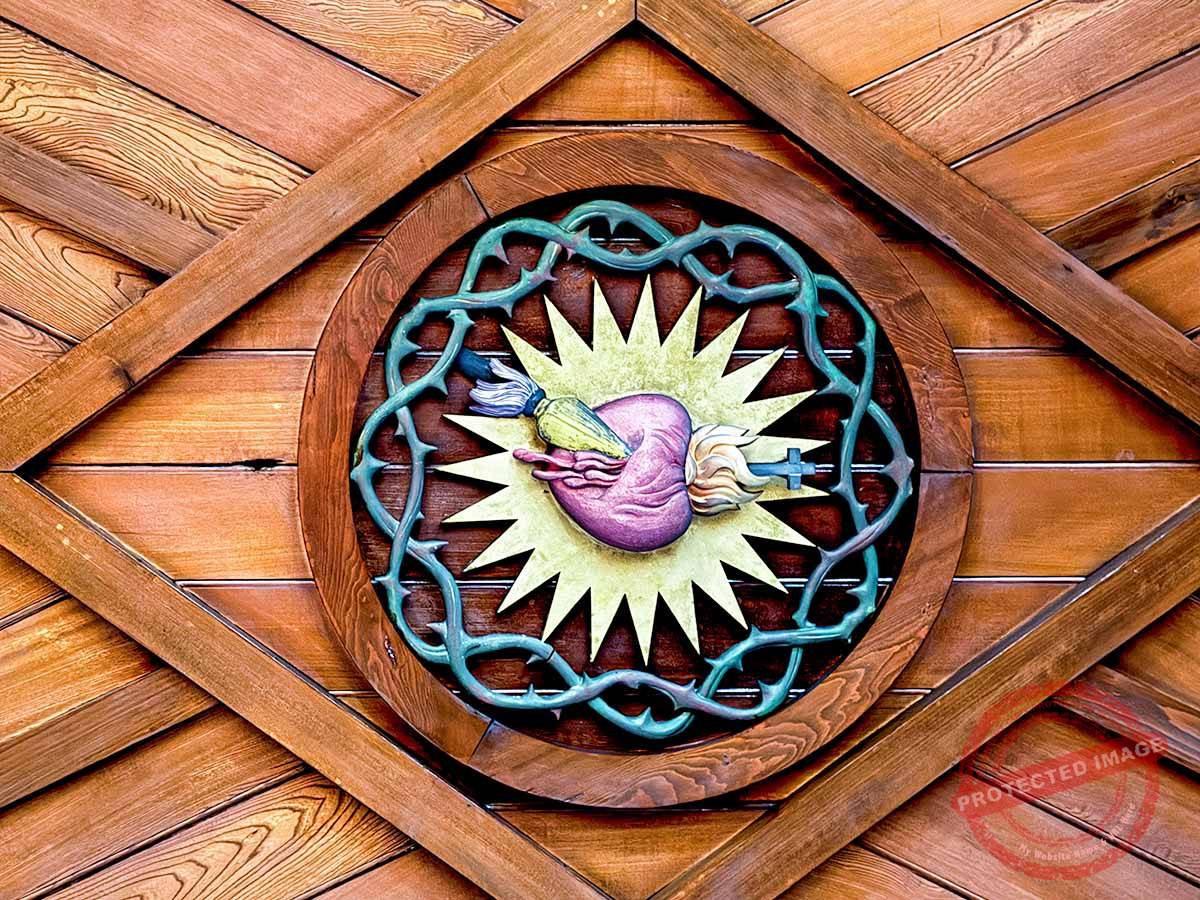
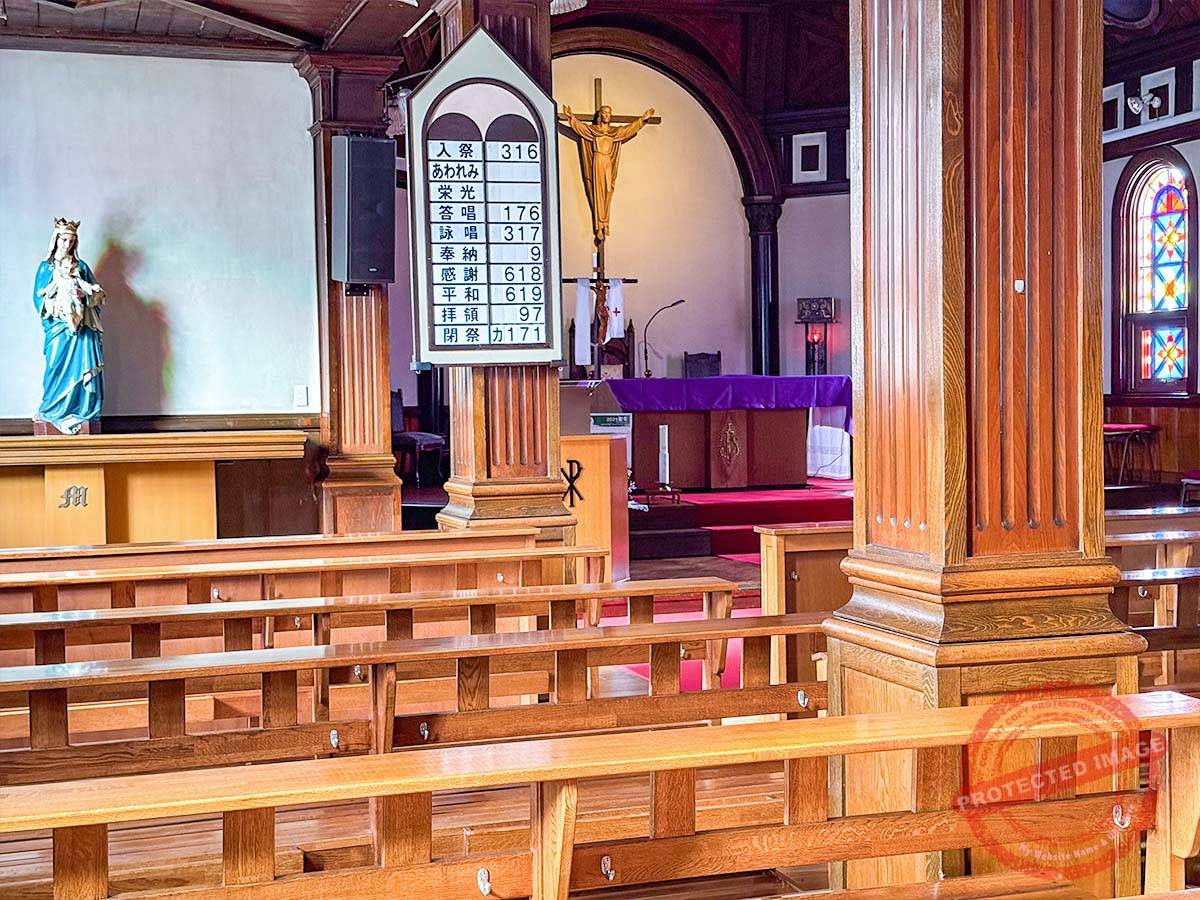
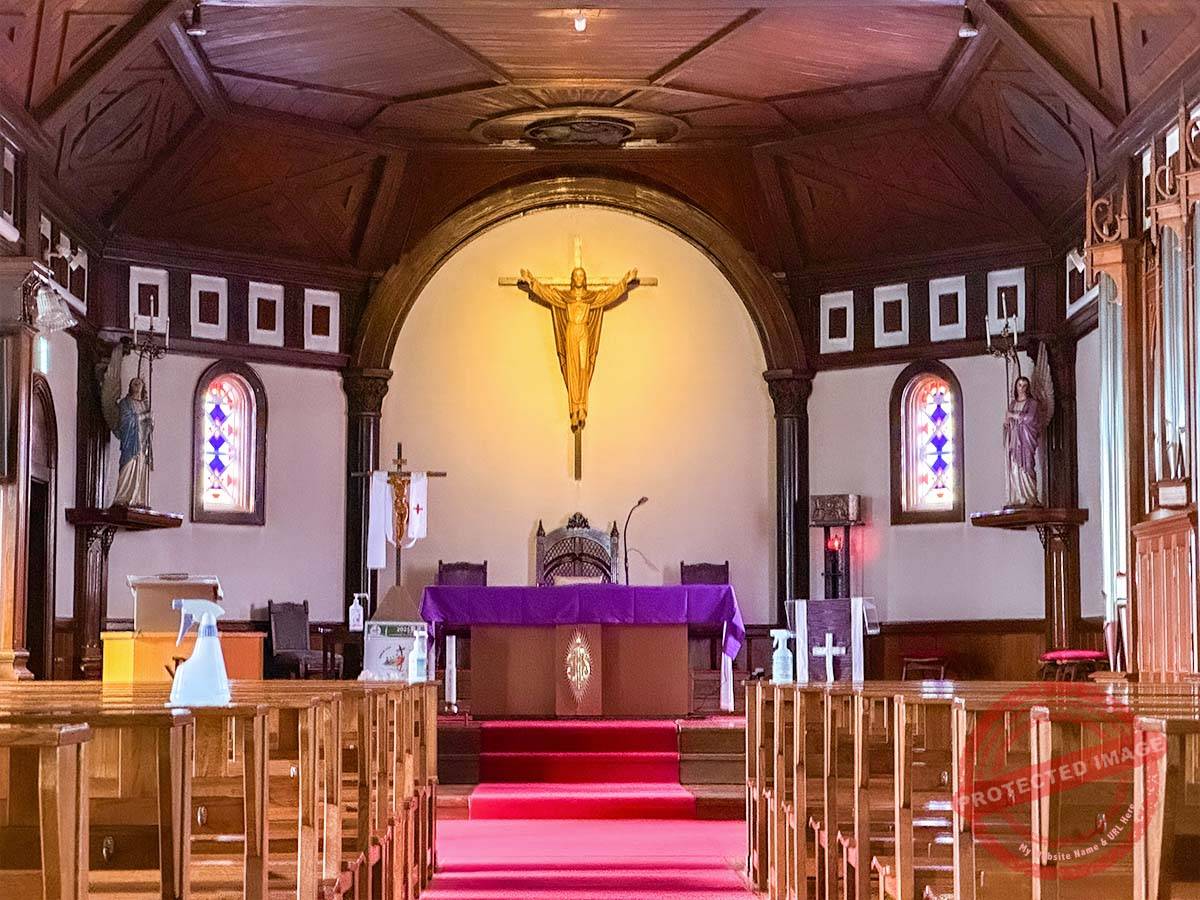
The interior is defined by a sense of restrained elegance and continuity. The high ceilings and traditional nave are complemented by historical artifacts that trace the growth of the parish from the Meiji era to the present day. Unlike the more decorative styles found in southern Japan, the craftsmanship here is practical and sturdy, mirroring the Northeastern Japanese spirit while maintaining a reverent atmosphere. Its significance lies in its role as a cultural and historical anchor, representing over a century of continuous presence in Sapporo. For travelers exploring Hokkaido’s urban history, the cathedral offers a quiet, authoritative perspective on the diverse cultural influences that shaped the island’s capital.