|
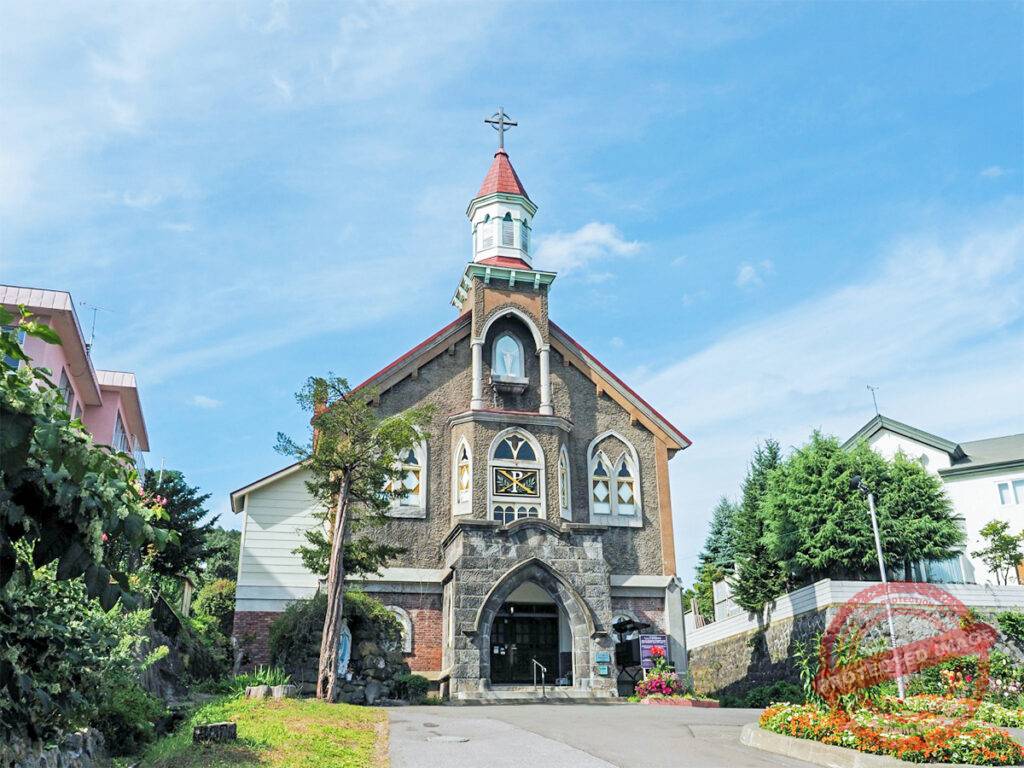
Established during a period of significant growth for the port city of Otaru, the Catholic Otaru Church stands as a premier example of Gothic-inspired architecture in northern Japan. Completed in 1929, the structure is characterized by its refined stonework and a striking red-roofed spire that has punctuated the city’s skyline for nearly a century. The building’s design adheres to the traditional aesthetics of European ecclesiastical architecture, featuring pointed arches and a symmetrical facade that conveys a sense of permanence and dignity.
The interior is noted for its collection of stained glass, which filters natural light to create a tranquil, contemplative environment. These artisanal windows, alongside the church’s preserved wooden pews and quiet chapels, serve as a testament to the early 20th-century craftsmanship that sought to bridge Western religious tradition with Japanese urban landscapes. As a central site for the Catholic community in Otaru, the church represents a vital link to the historical continuity of the region’s international origins.
For the cultural traveler, the site offers more than just architectural interest. It provides a direct connection to the cosmopolitan history of Hokkaido. The church’s elevated position offers a calm vantage point over the city, emphasizing its role as a peaceful anchor within the busy maritime district. Its presence remains a dignified reminder of the cultural exchange that shaped the port’s unique identity.
|