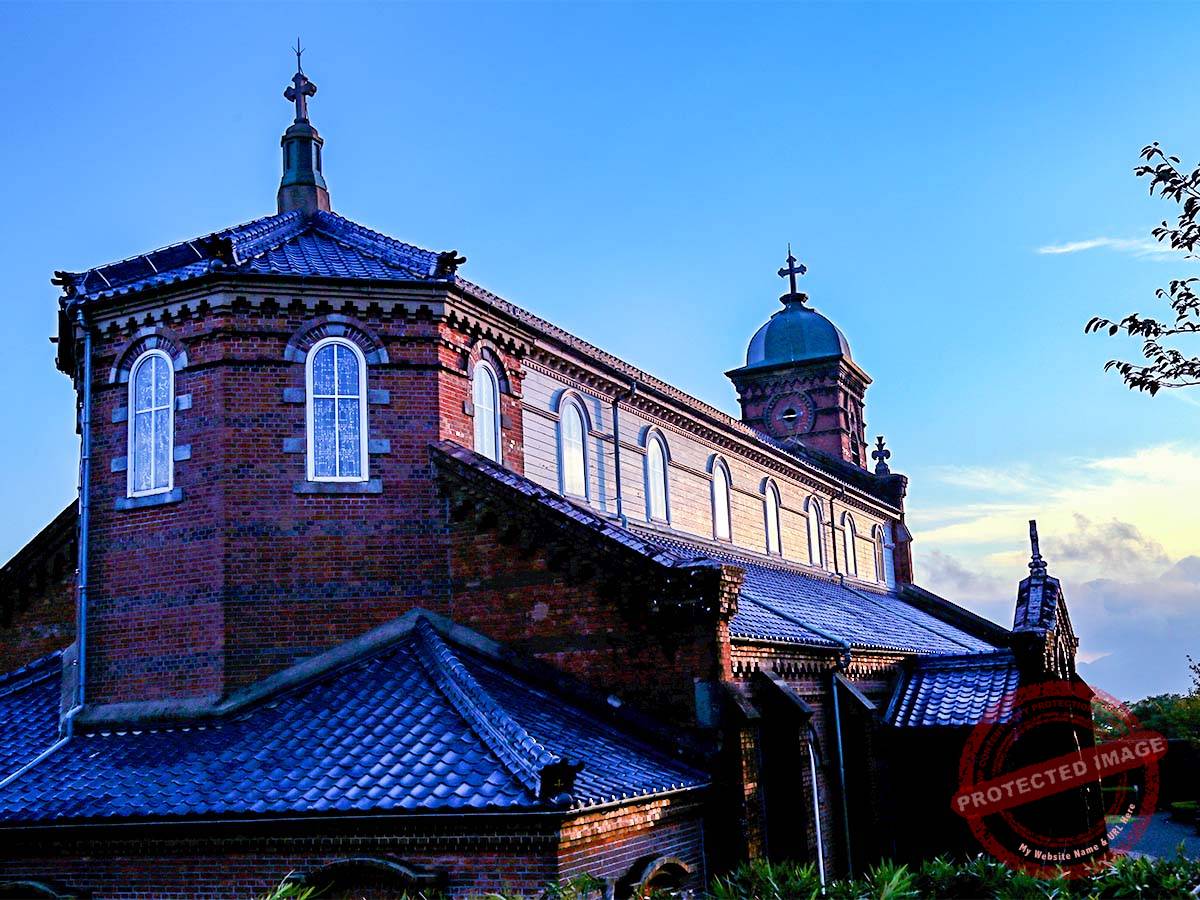
A red-brick Romanesque masterpiece and the final major work of master builder Yosuke Tetsukawa, symbolizing deep-rooted communal faith.
Tabira Cathedral stands as a definitive achievement in Japanese ecclesiastical architecture, representing the final brick-built masterpiece by the renowned master craftsman Yosuke Tetsukawa. The origins of the parish date back to 1886, established by families who migrated from the islands of Kuroshima and the coastal region of Sotome. These settlers, supported by the dedicated efforts of French missionaries Fathers Laguet and de Rotz, sought to establish a permanent center for their community. The project culminated in 1918 with the completion of the current structure, a feat made possible through the leadership and financial contributions of Father Tokichi Nakata.
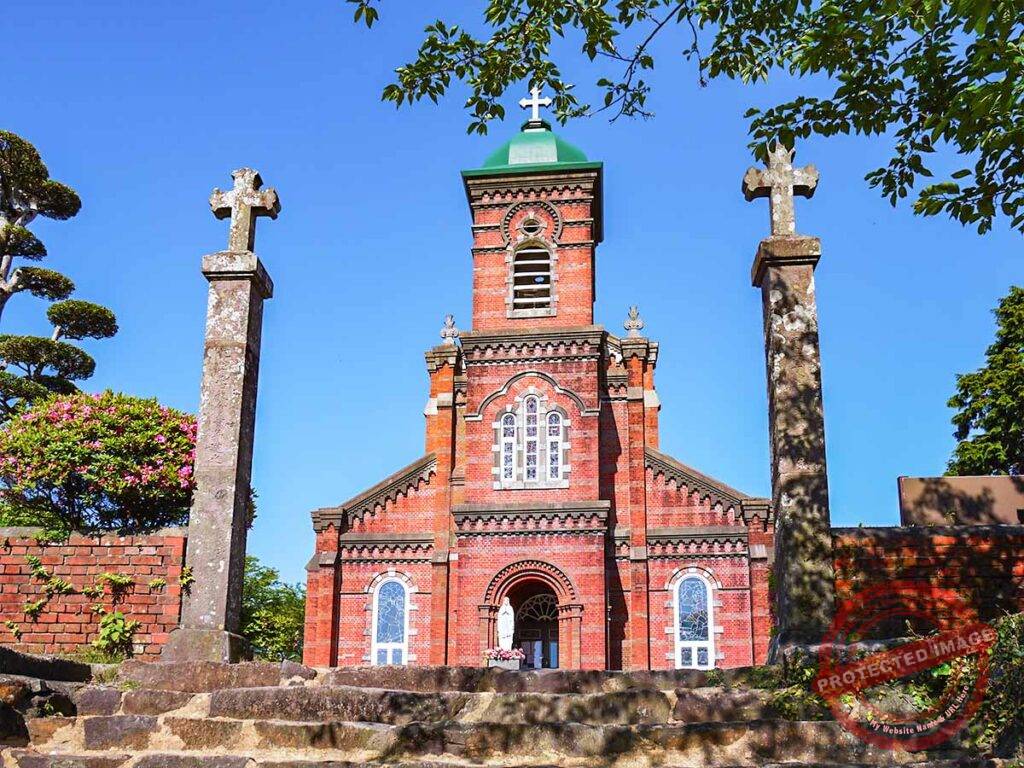
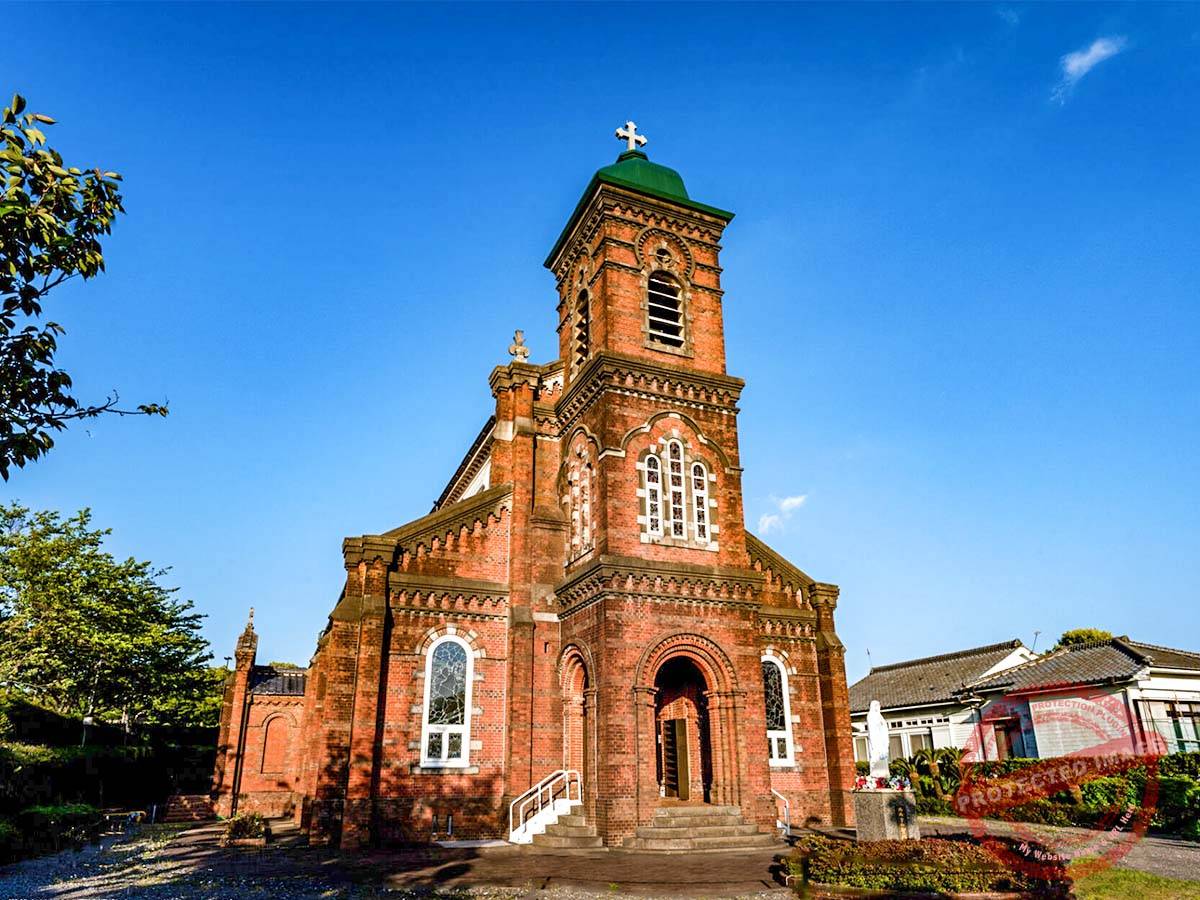
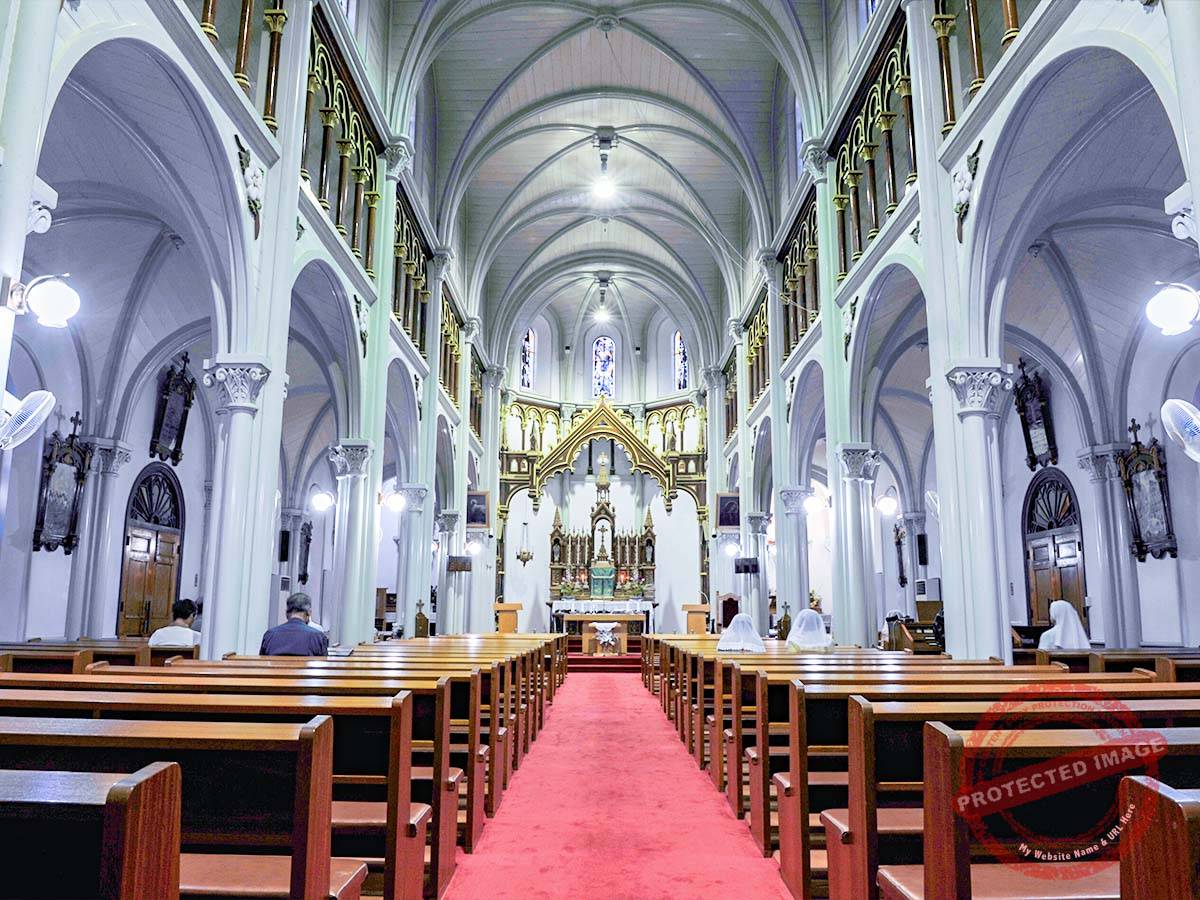
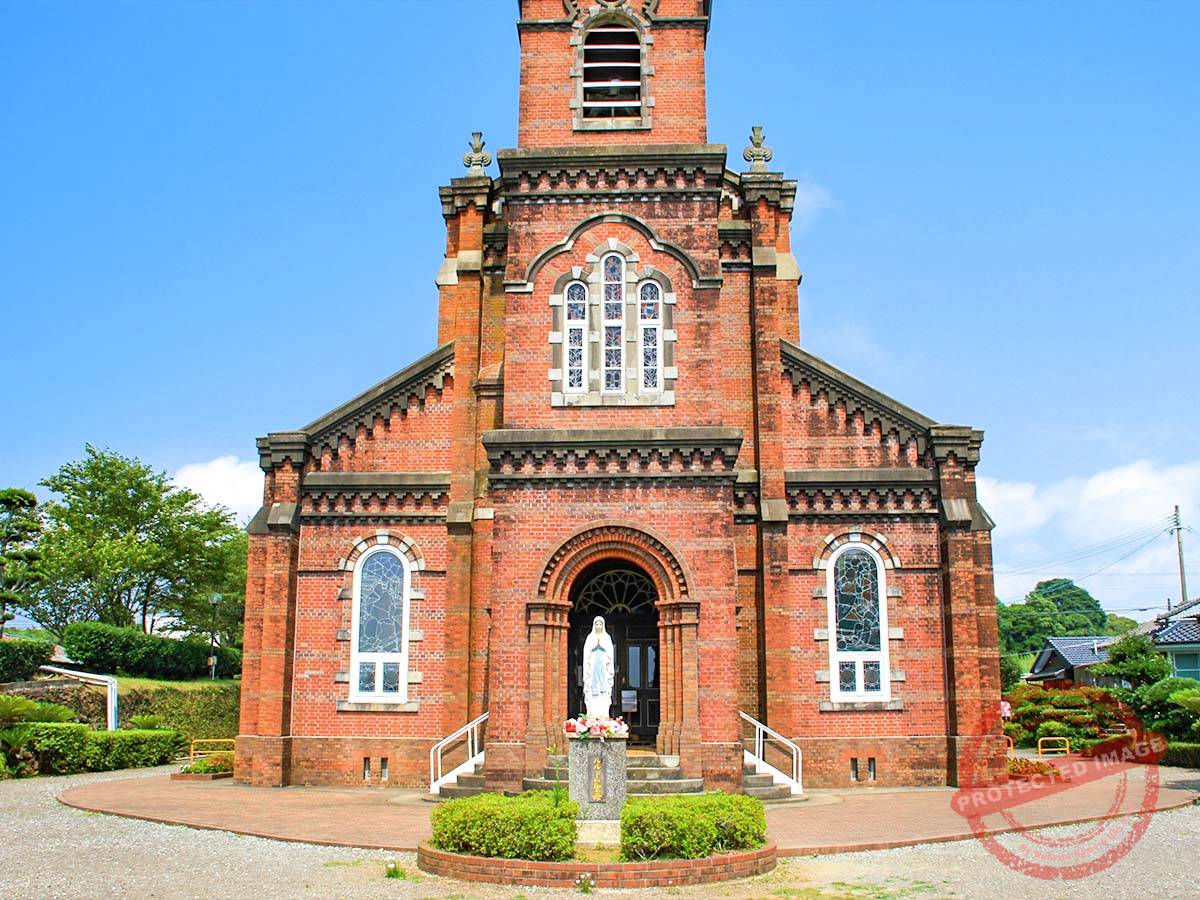
The cathedral is a sophisticated example of Romanesque design, distinguished by its intricate brickwork and a three-story octagonal bell tower that serves as a landmark for the surrounding coastal landscape. Tetsukawa’s mastery is evident in the precision of the masonry and the harmonious proportions of the interior, which features rib-vaulted ceilings that reflect European influence adapted through a Japanese lens. The red-brick exterior, accented with traditional local materials, anchors the building firmly within its pastoral setting.
Recognized for its immense cultural value, the cathedral was designated an Important Cultural Property of Japan in 2003. It remains an active place of worship and a symbol of the resilience and craftsmanship of the Nagasaki region’s Catholic heritage. For the heritage traveler, Tabira offers a serene atmosphere of historical continuity, representing the pinnacle of a unique architectural era that bridged the gap between foreign design and domestic artistry.