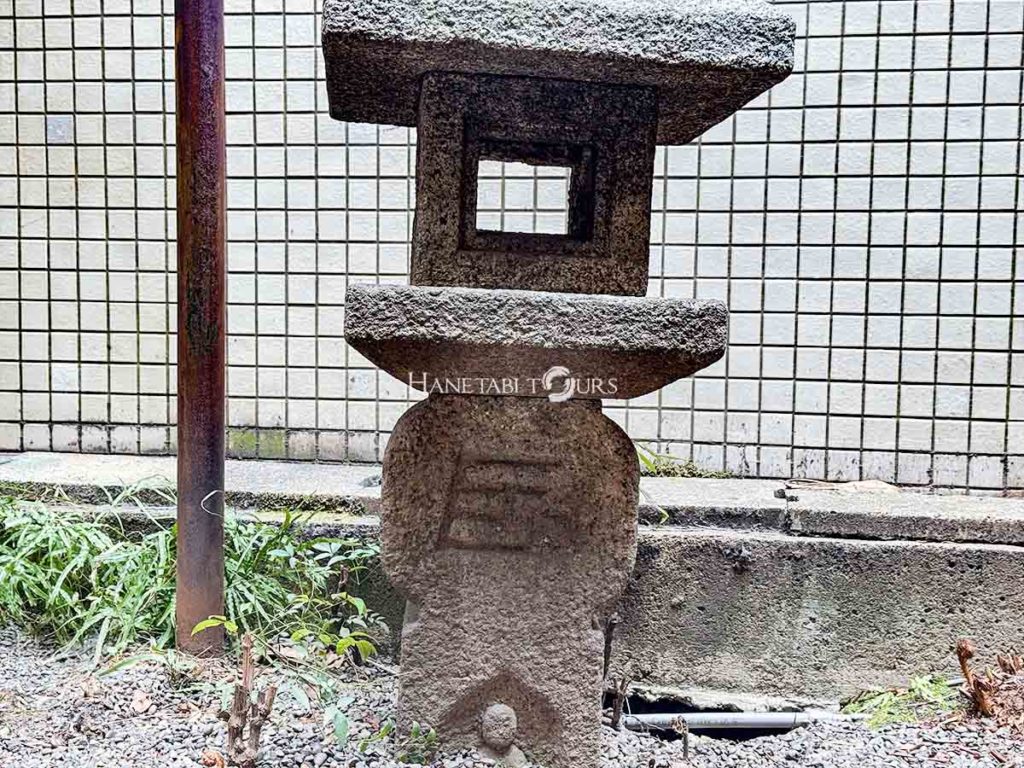
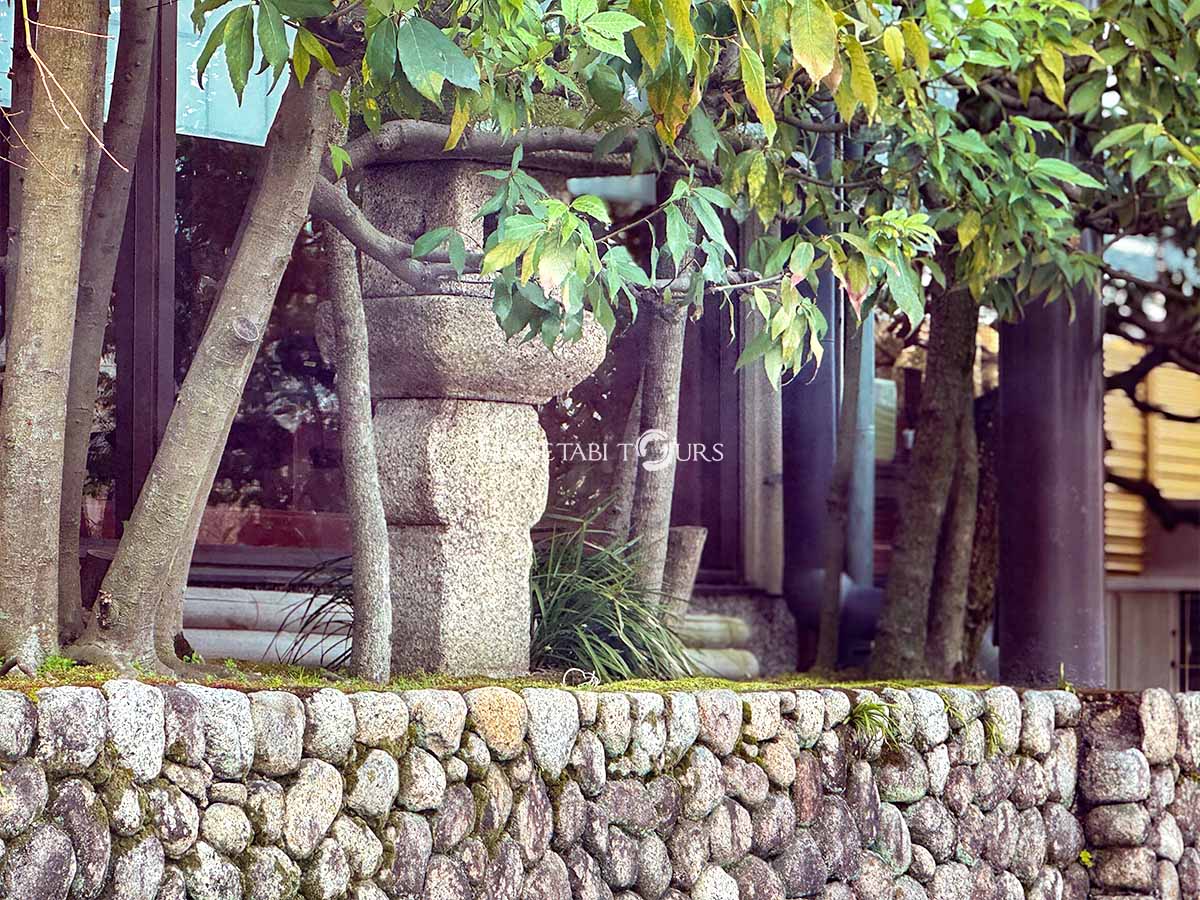
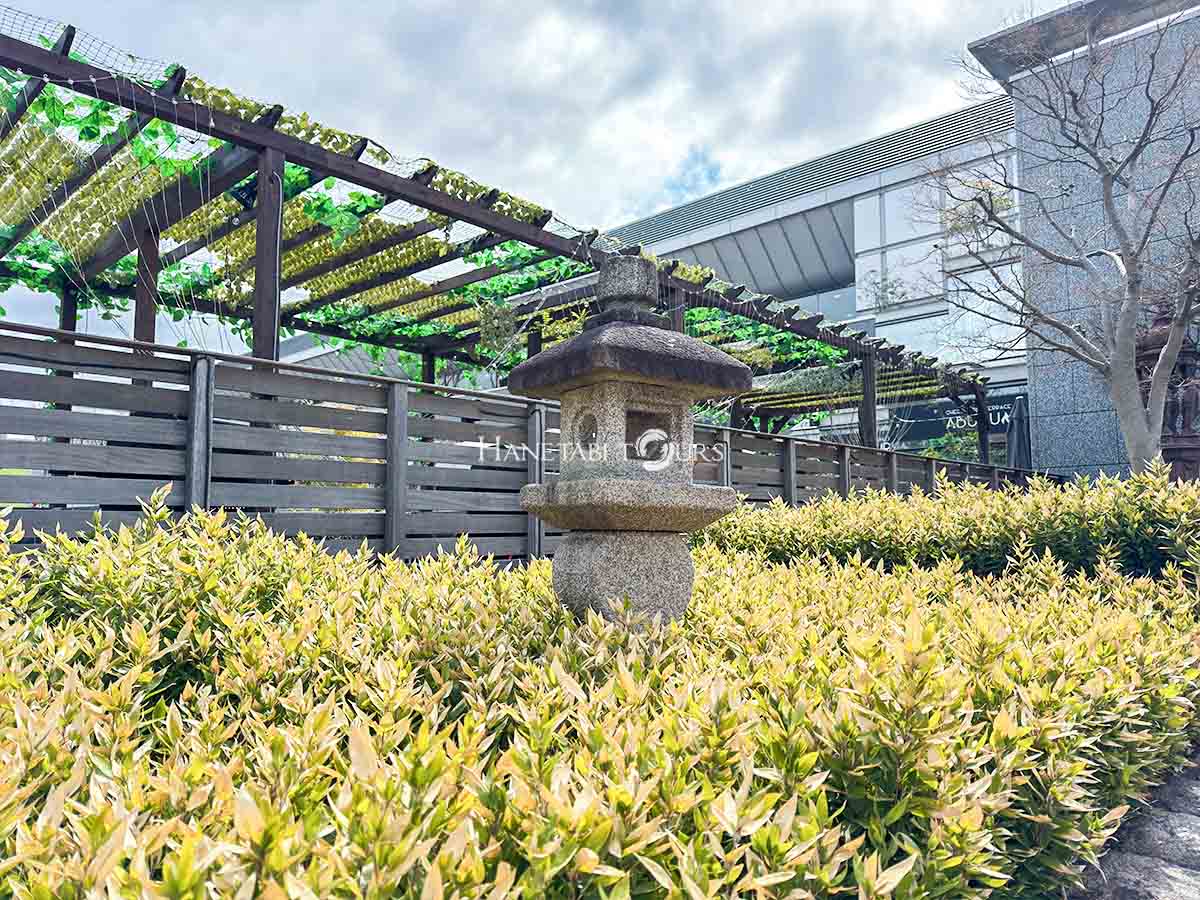
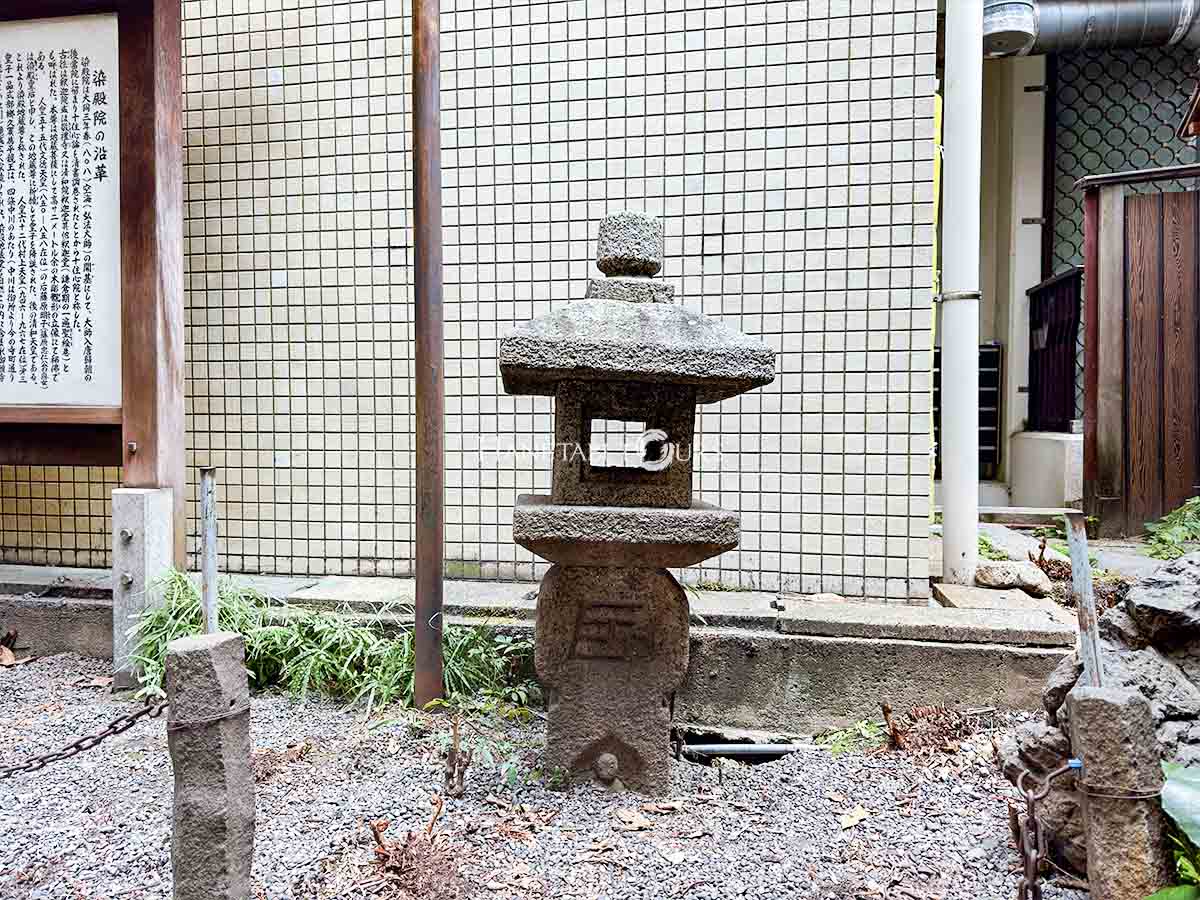
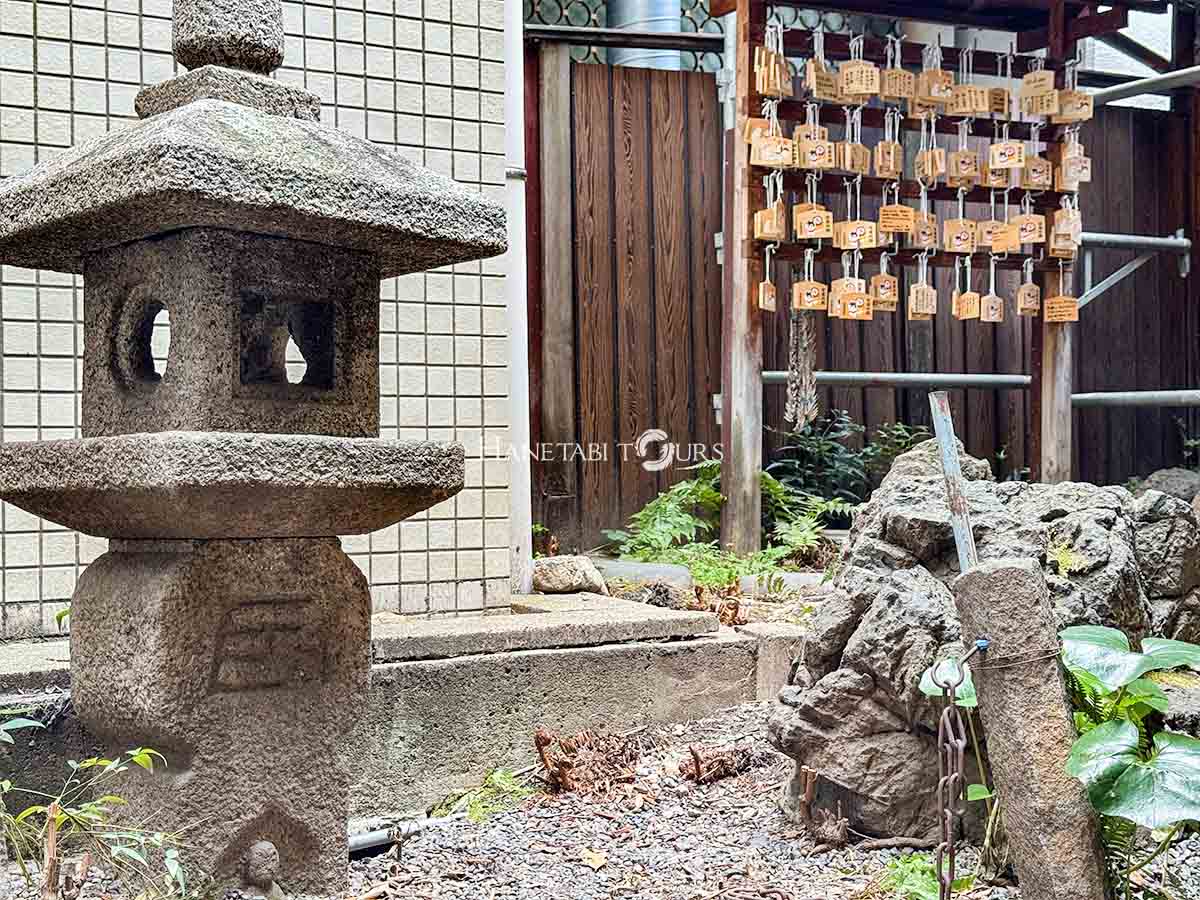
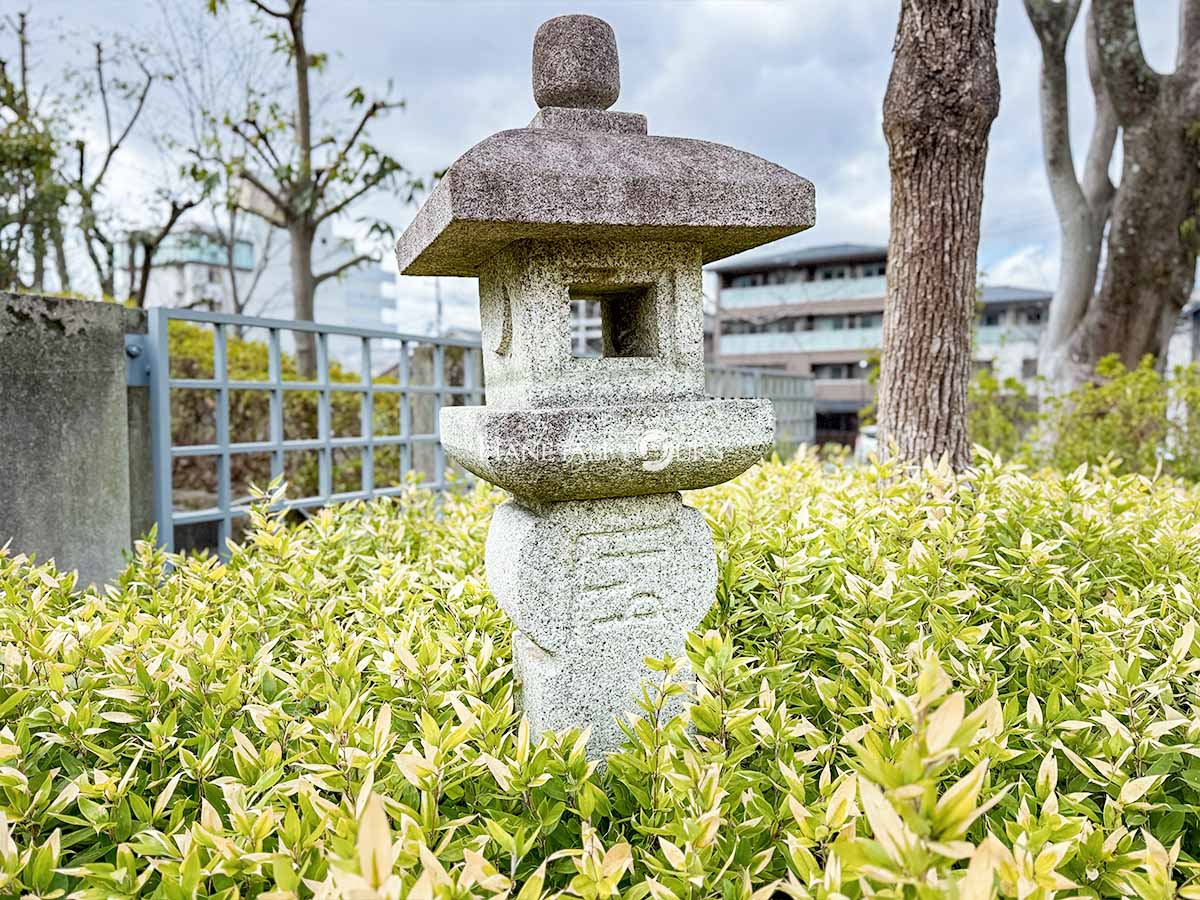
A legacy of hidden faith awaits discovery through the art of the Japanese lantern, revealing a refined cultural response to spiritual suppression in early Japan.
After Christianity was banned and missionaries were expelled in Japan, many churches and chapels were destroyed, and executions of Catholics took place in Nagasaki. As restrictions tightened, believers found it increasingly difficult to openly venerate sacred figures such as Jesus Christ, the Virgin Mary, and the cross.
Prominent Christian figures convened in secrecy. Recognizing the improbability of reversing the prohibition under shogunate rule, they held numerous private gatherings to consider the future of their faith and methods of quiet evangelism.
In response, these believers sought a culturally resonant solution, one that would allow spiritual continuity without attracting scrutiny. They conceived a Japanese adaptation to represent Jesus Christ, the Virgin Mary, and the cross, ultimately turning to the traditional lantern as a symbolic vessel. Through careful deliberation, they explored how to embed devotional meaning within its form, blending indigenous aesthetics with elements of Western religious folk art to create a discreet yet enduring expression of faith.