Mount Fuji Through the Seasons
Compare visibility, the iconic snow-capped peak, and exclusive comfort for refined luxury views of Mount Fuji.
To maximize the return on a luxury investment in Japan, the distinction between early summer and late autumn is significant. For travelers seeking a reliable, high-aesthetic experience, the transition into late autumn (late October – late November) provides a statistically superior environment across all luxury metrics.
1. The “Guarantee” of Luxury: Visibility Metrics
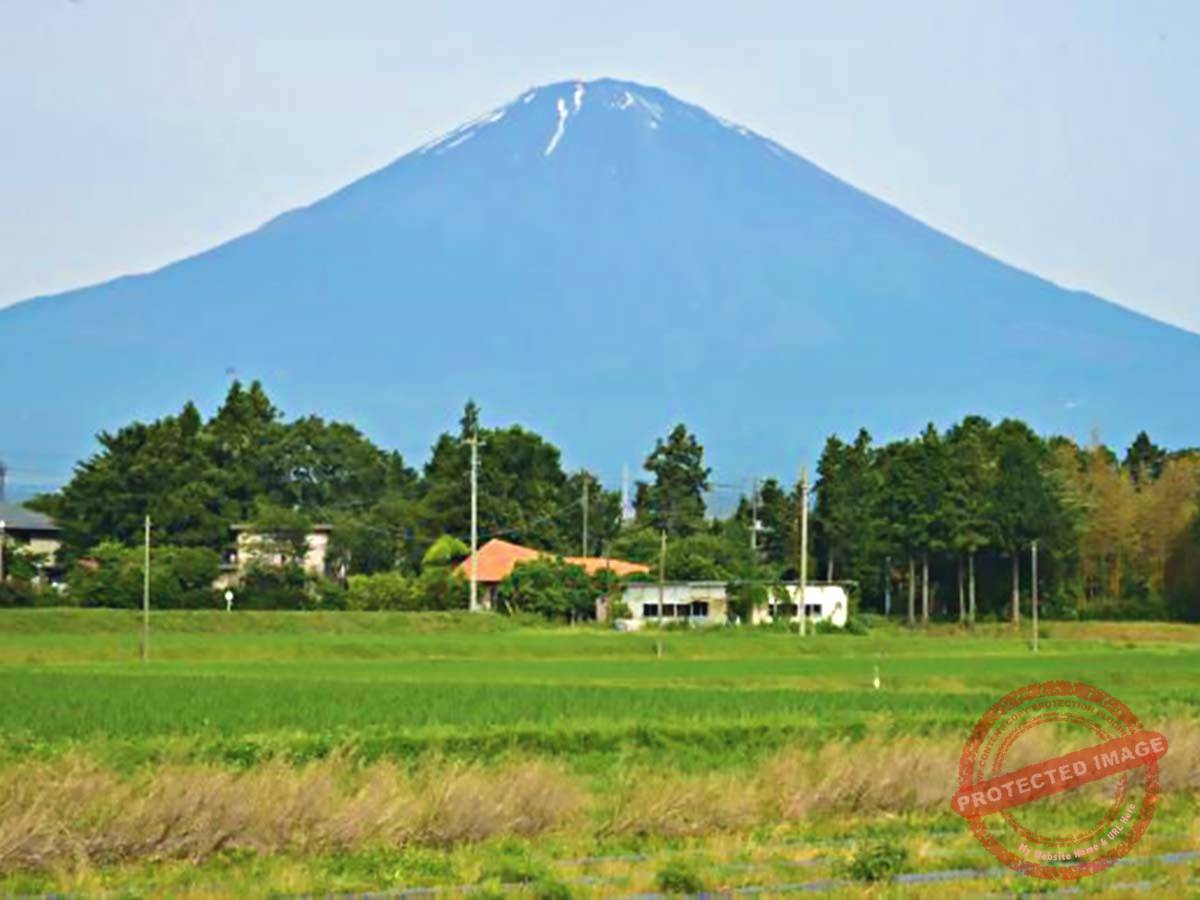
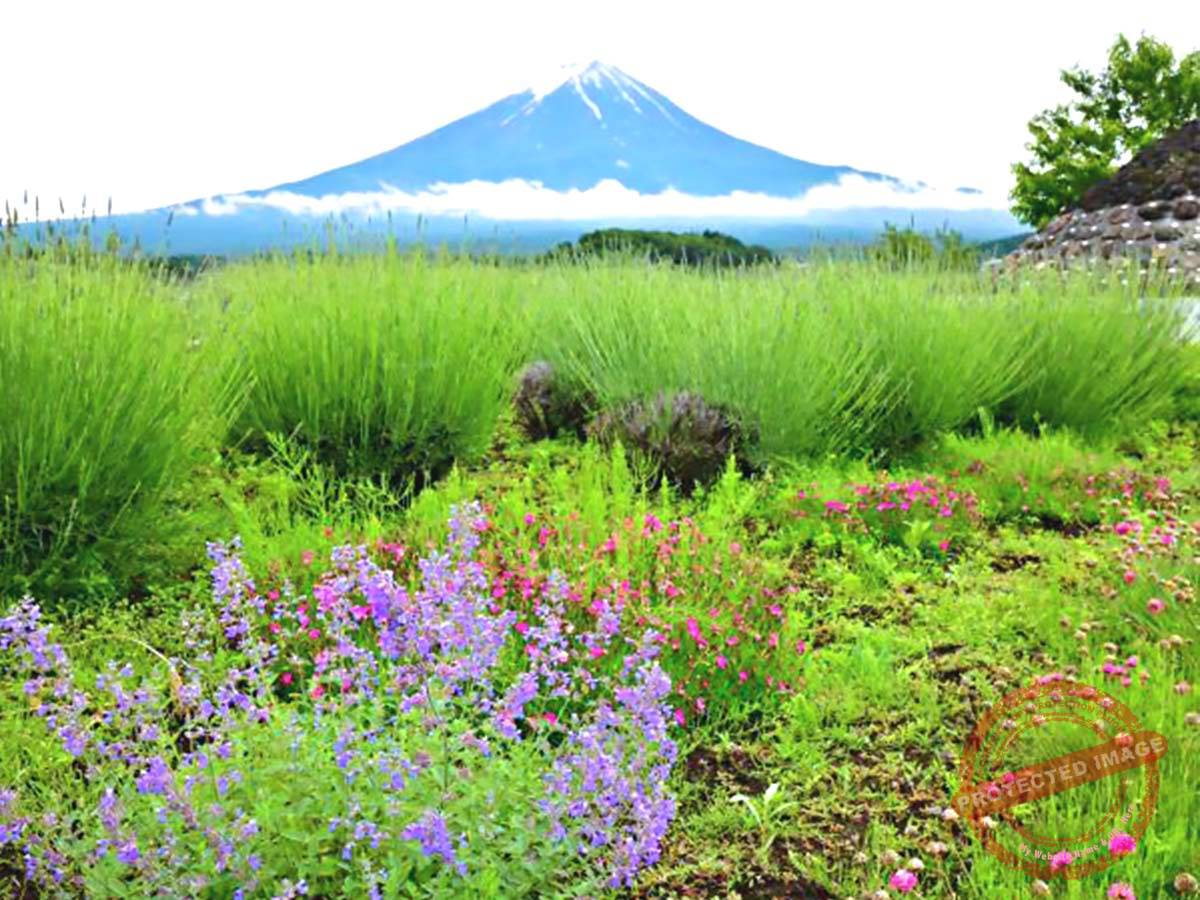
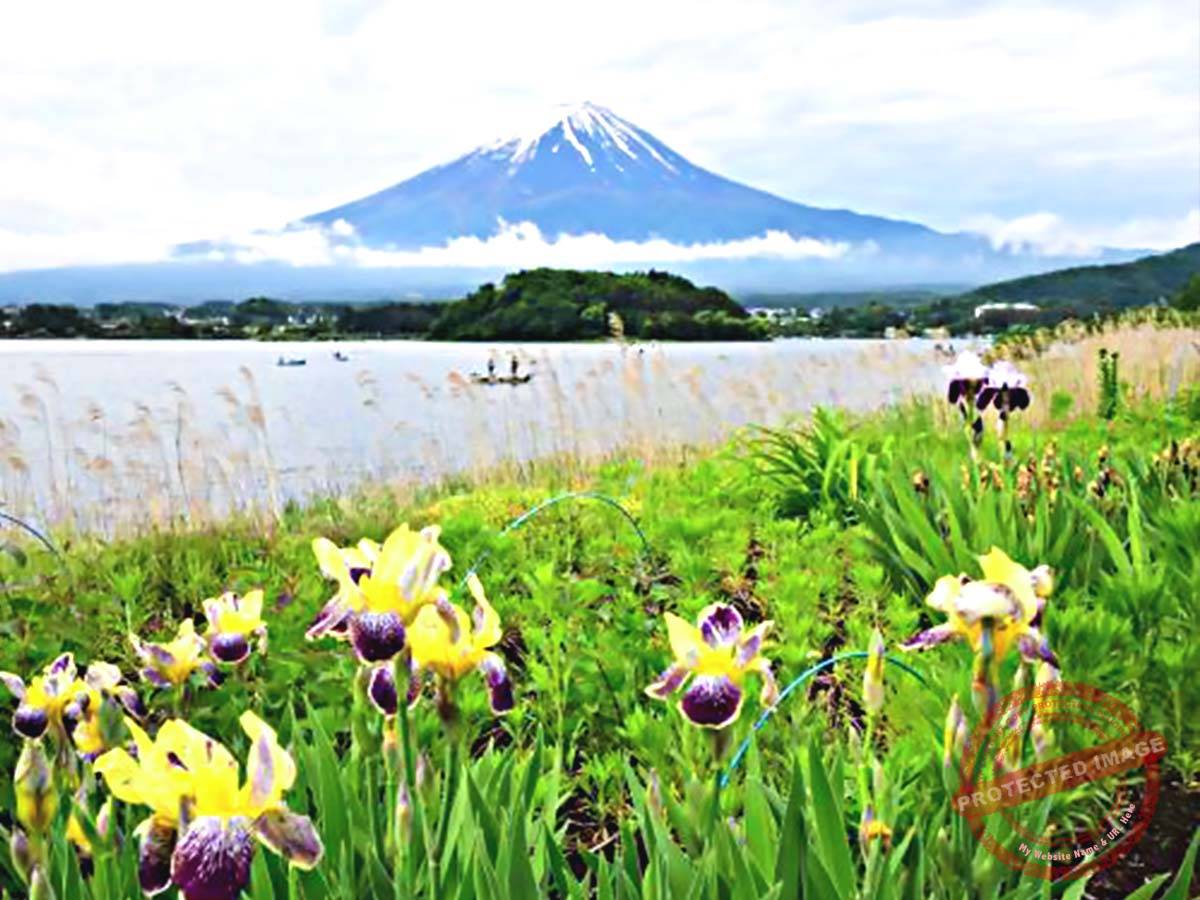
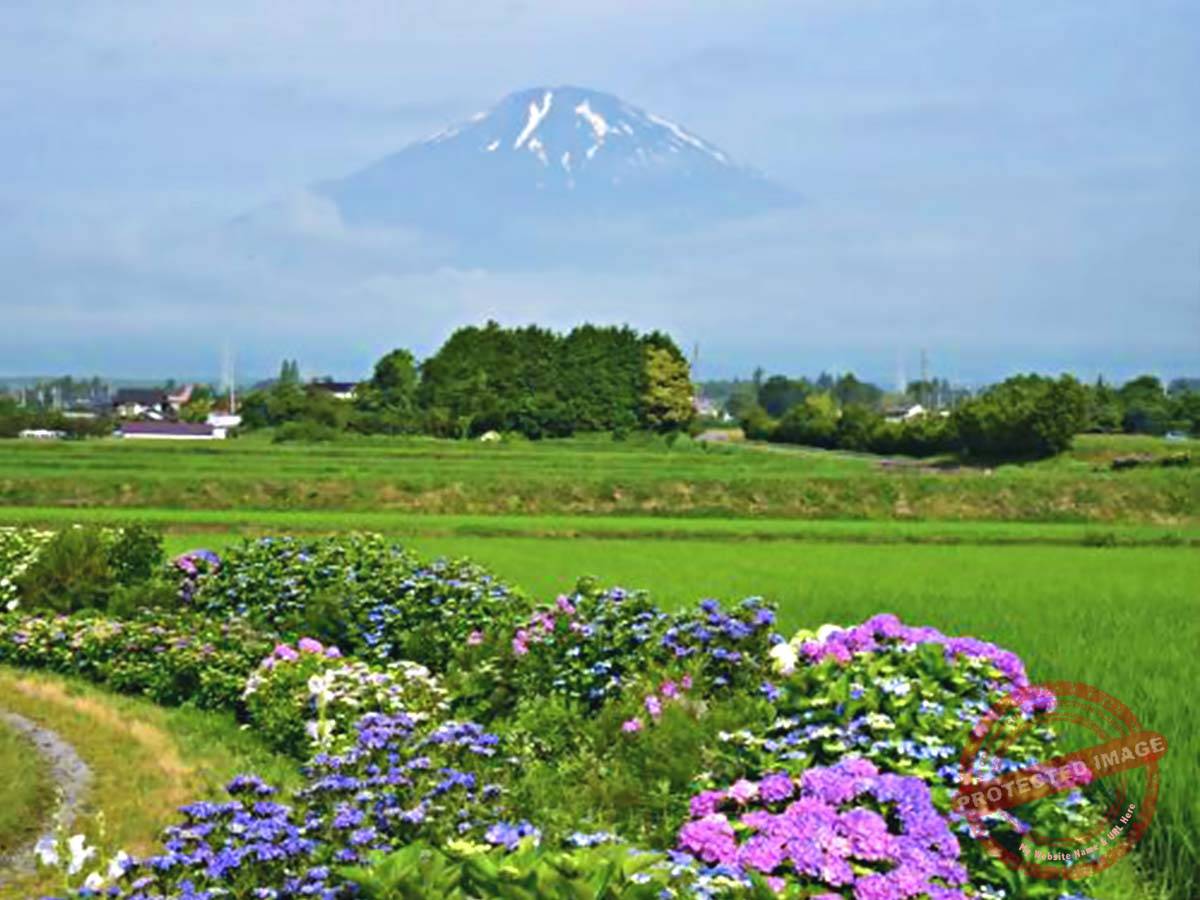
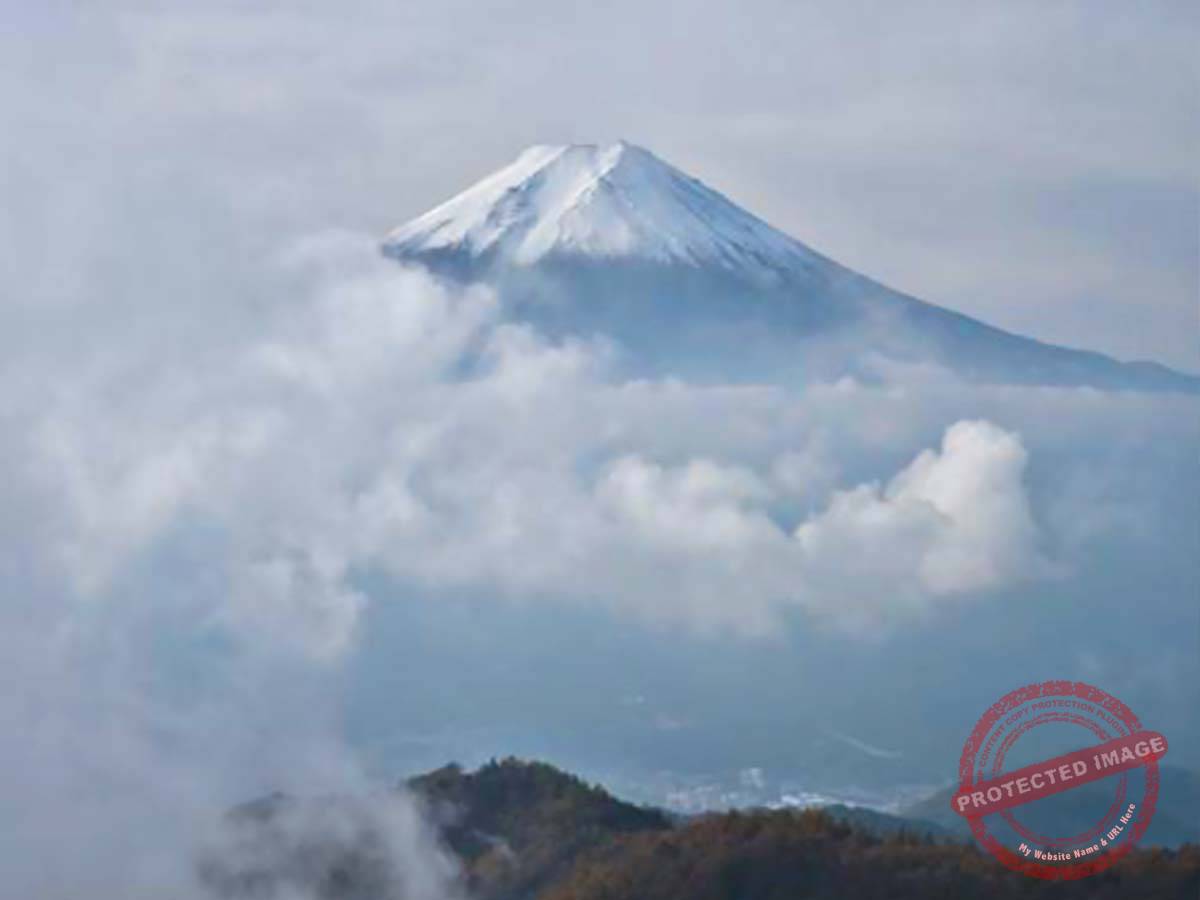
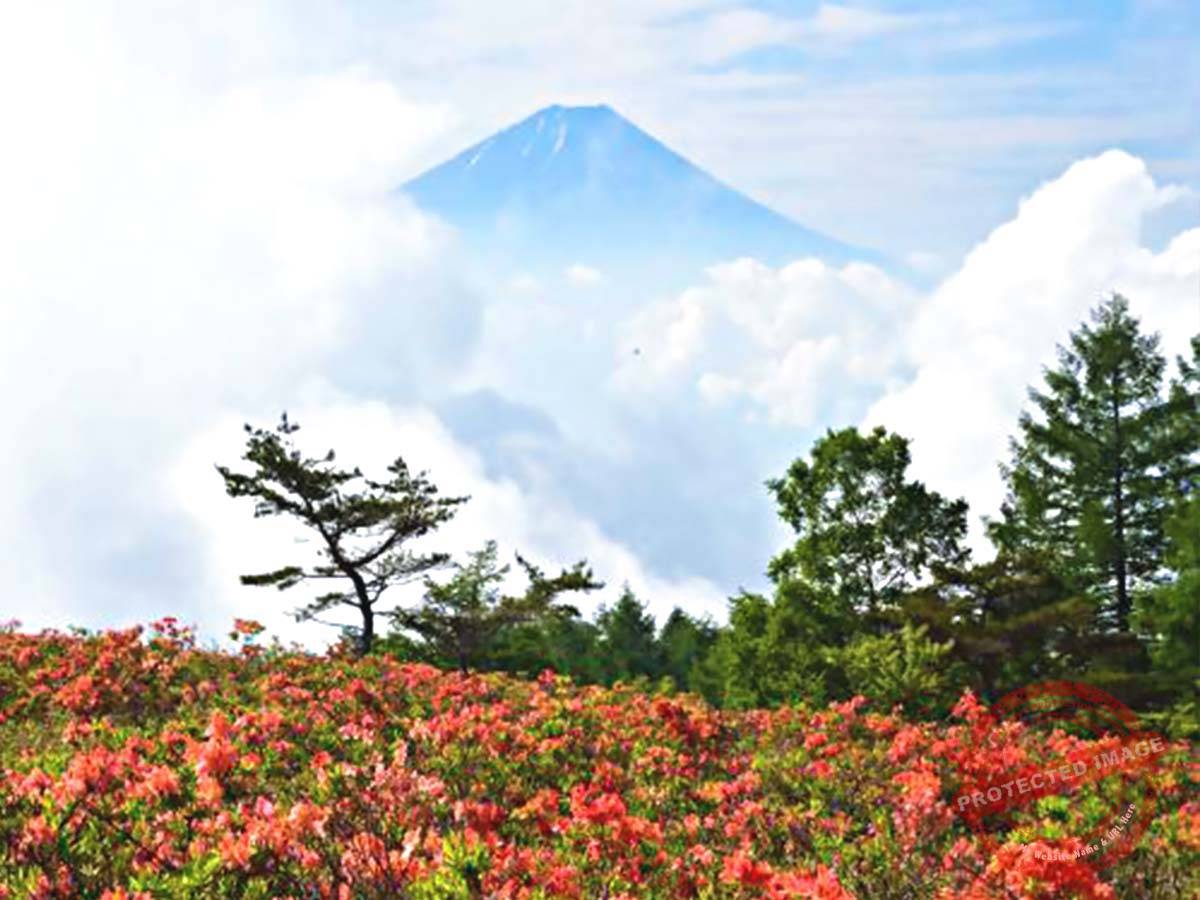
In the high-end travel sector, reliability is the primary luxury. During late May and June, the onset of the Tsuyu (plum rain) season and rising humidity significantly degrade visibility.
- Late June: Full visibility of the mountain drops to approximately 10–18%, with a 67% chance of the mountain being entirely obscured.
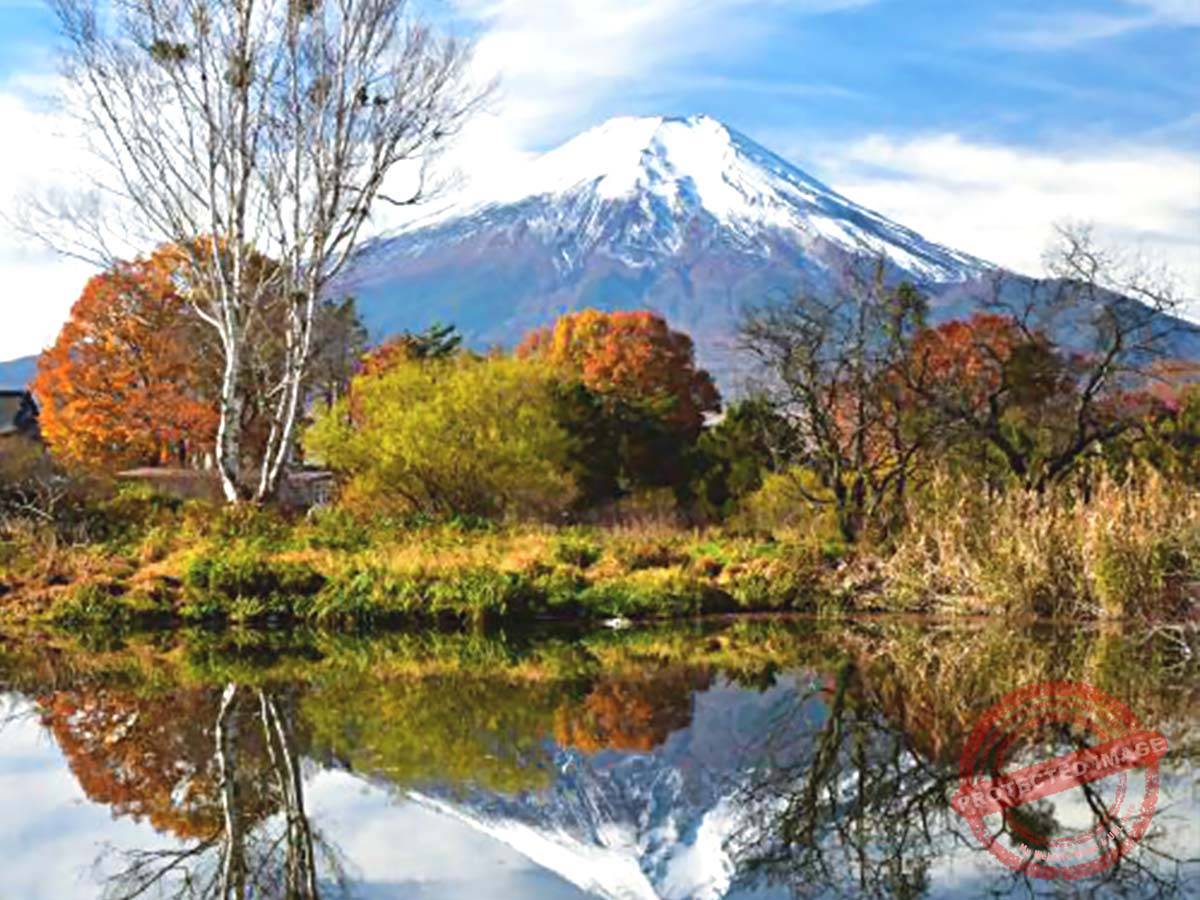
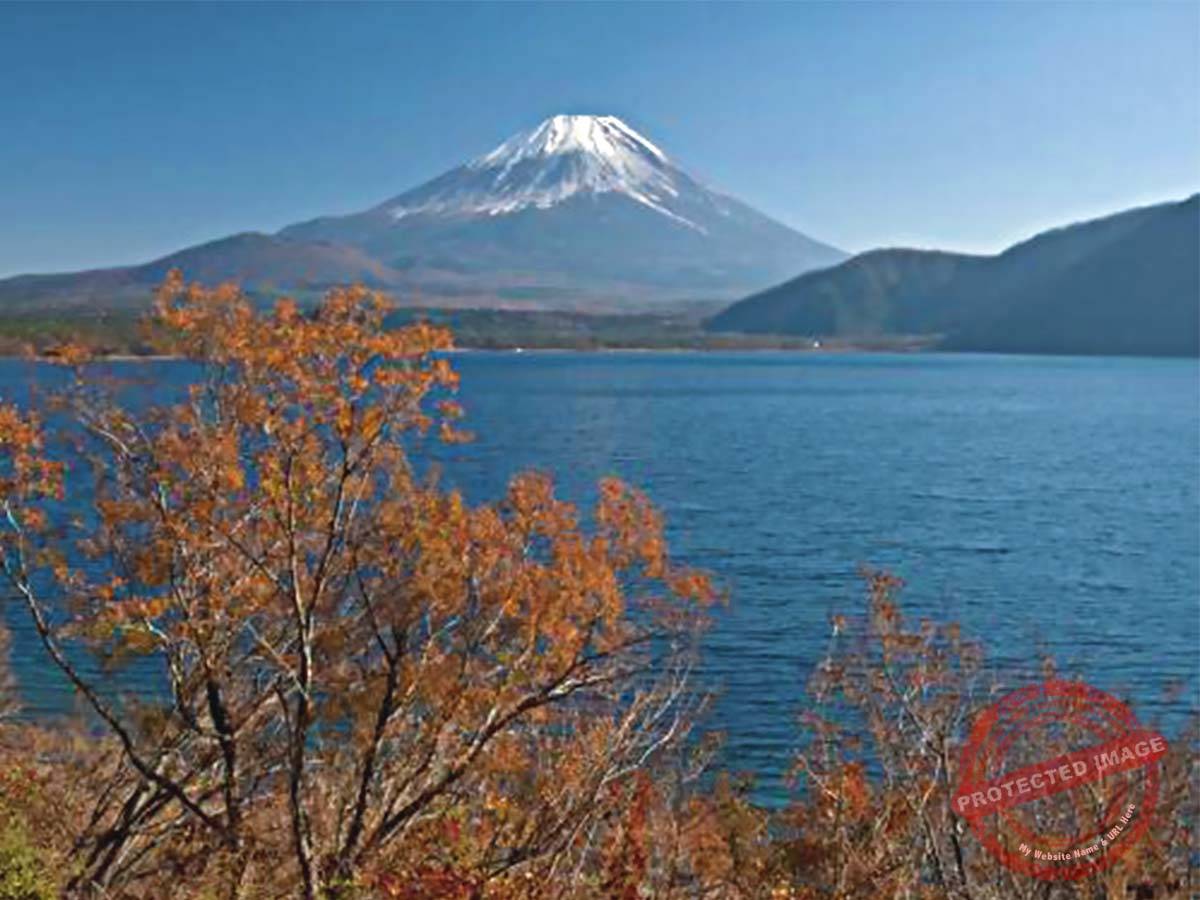
- Late November: The success rate for a clear, unobstructed view climbs to 90%. The dry, high-pressure systems of November strip the atmosphere of summer haze, ensuring that the centerpiece of your itinerary is visible from your private suite or charter.
2. The Aesthetic Standard: The Snow-Capped Silhouette
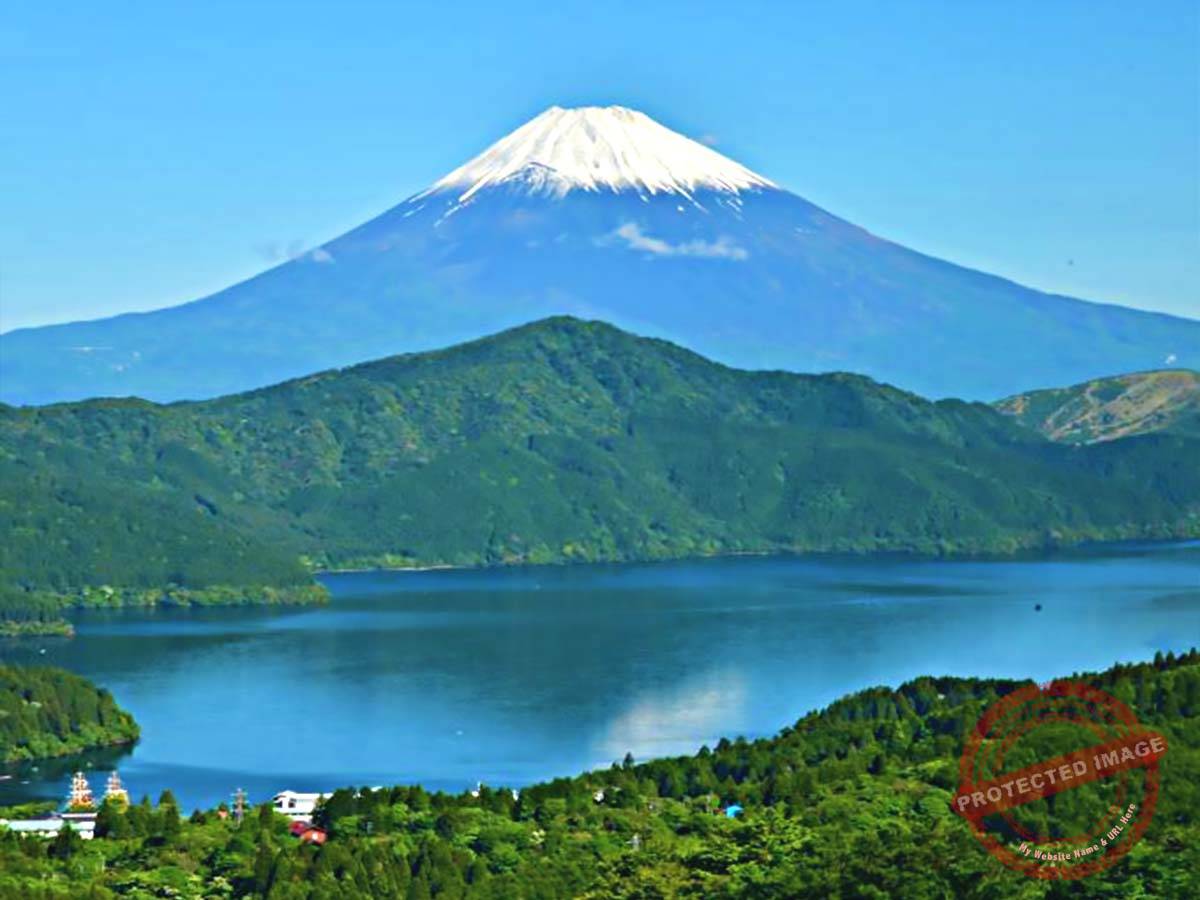
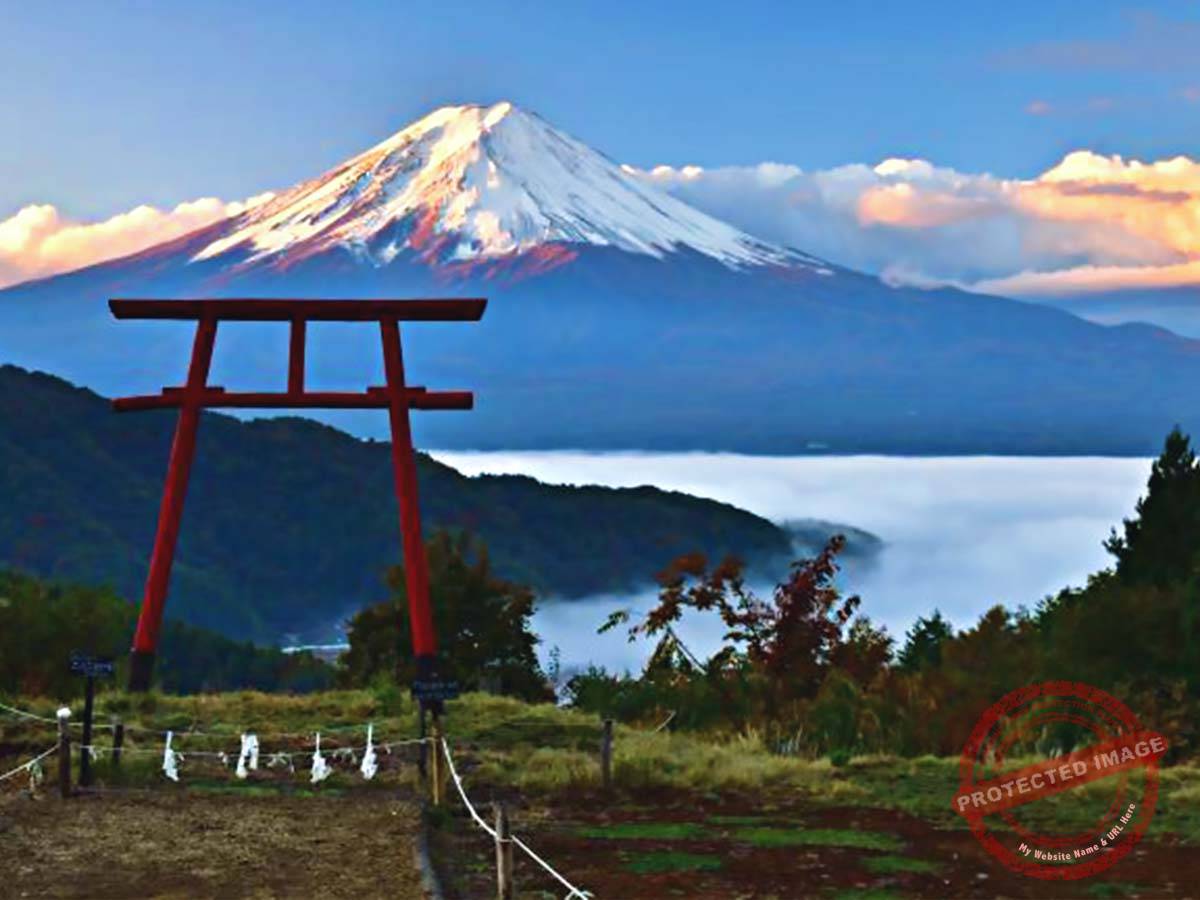
The global visual standard for Mount Fuji is its iconic white-capped peak.
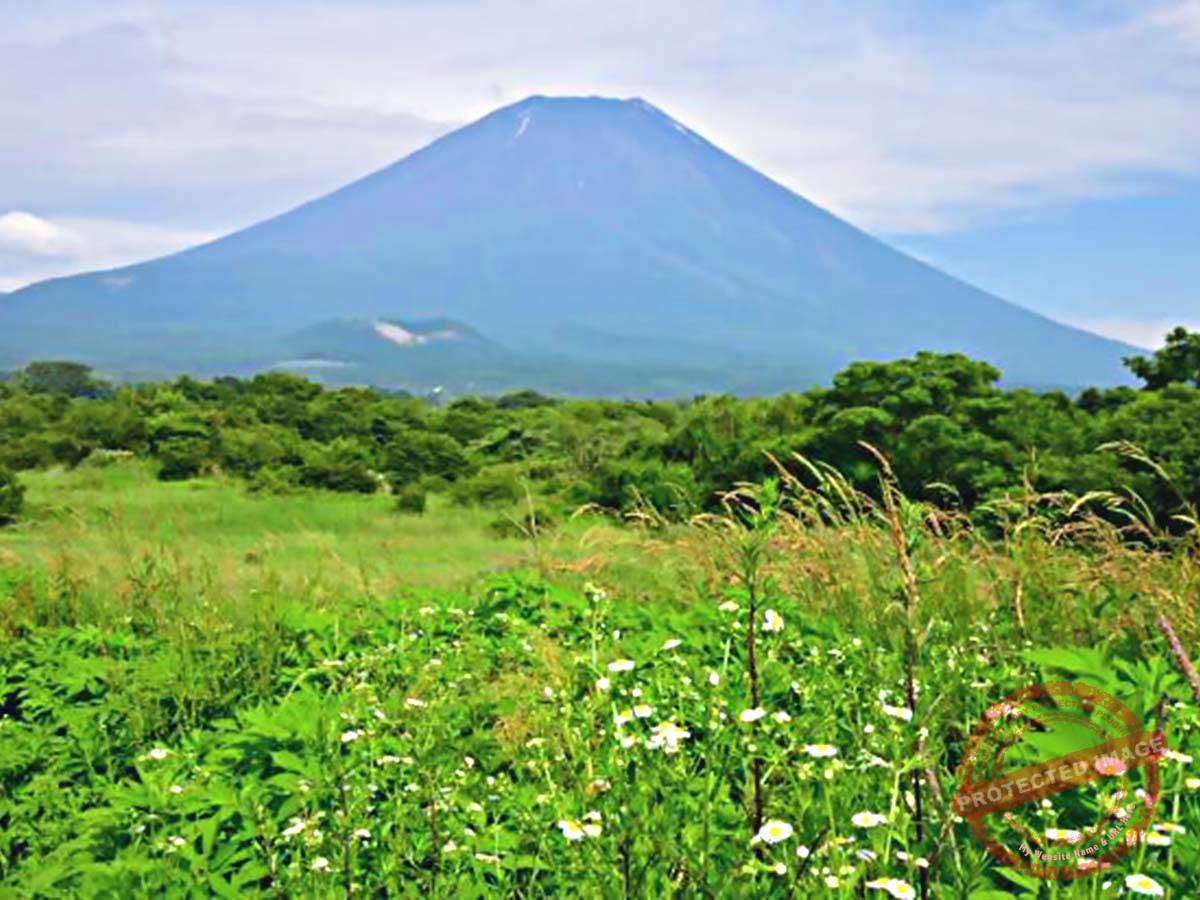
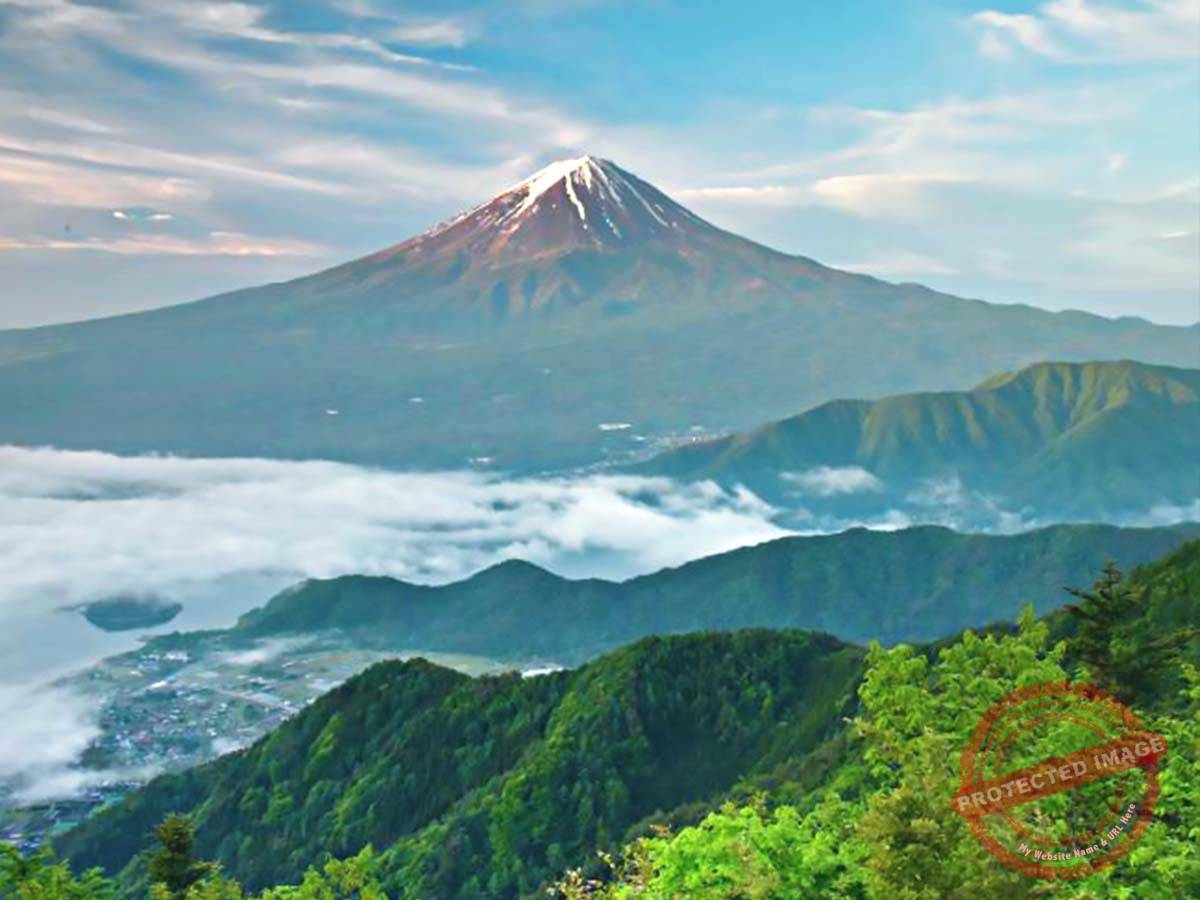
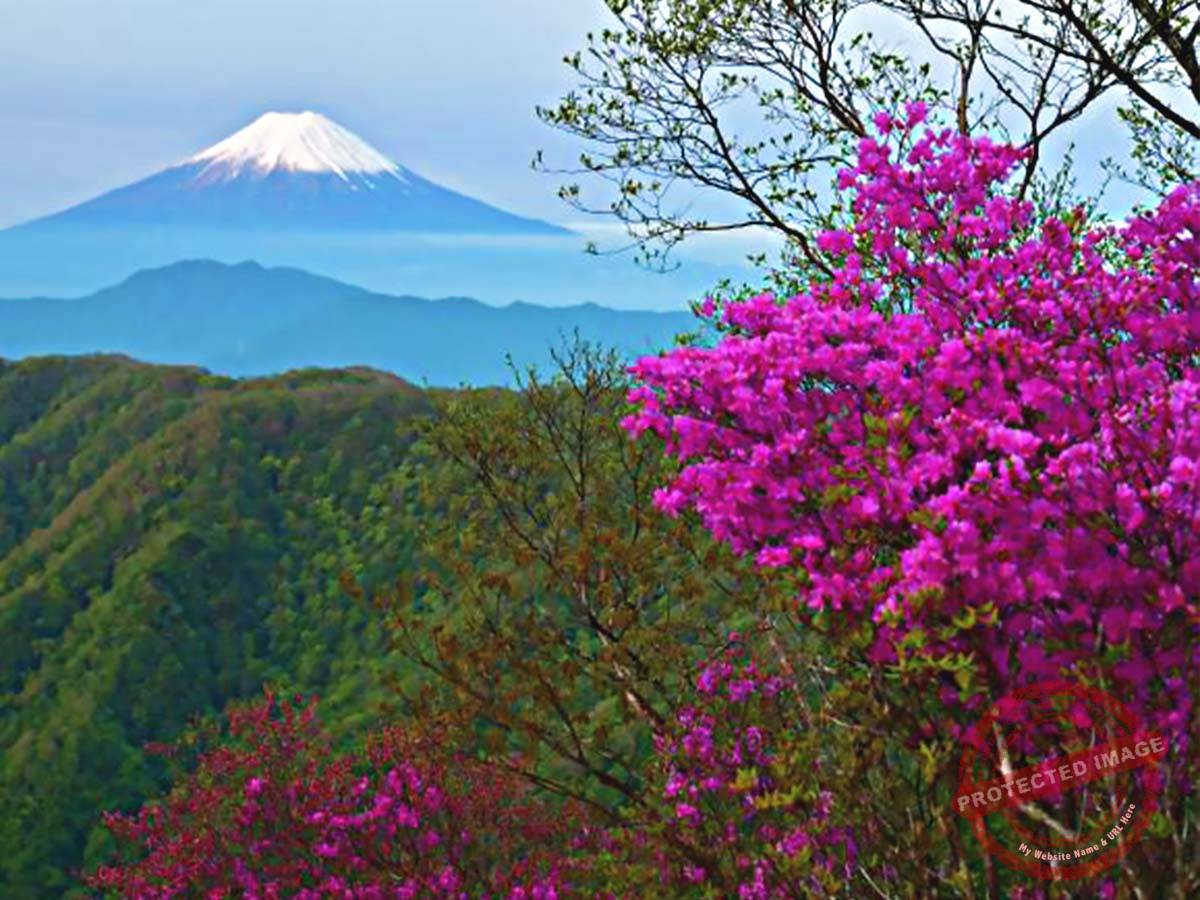
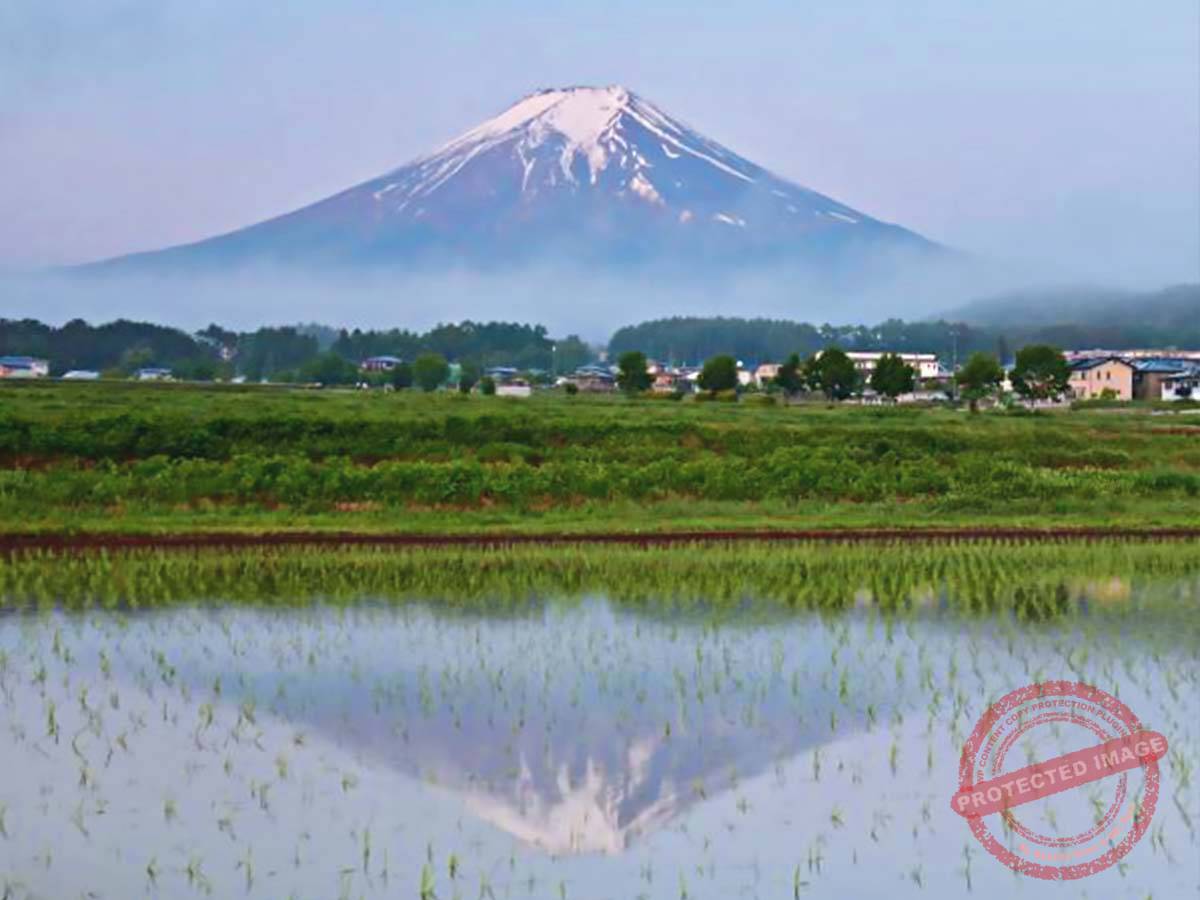
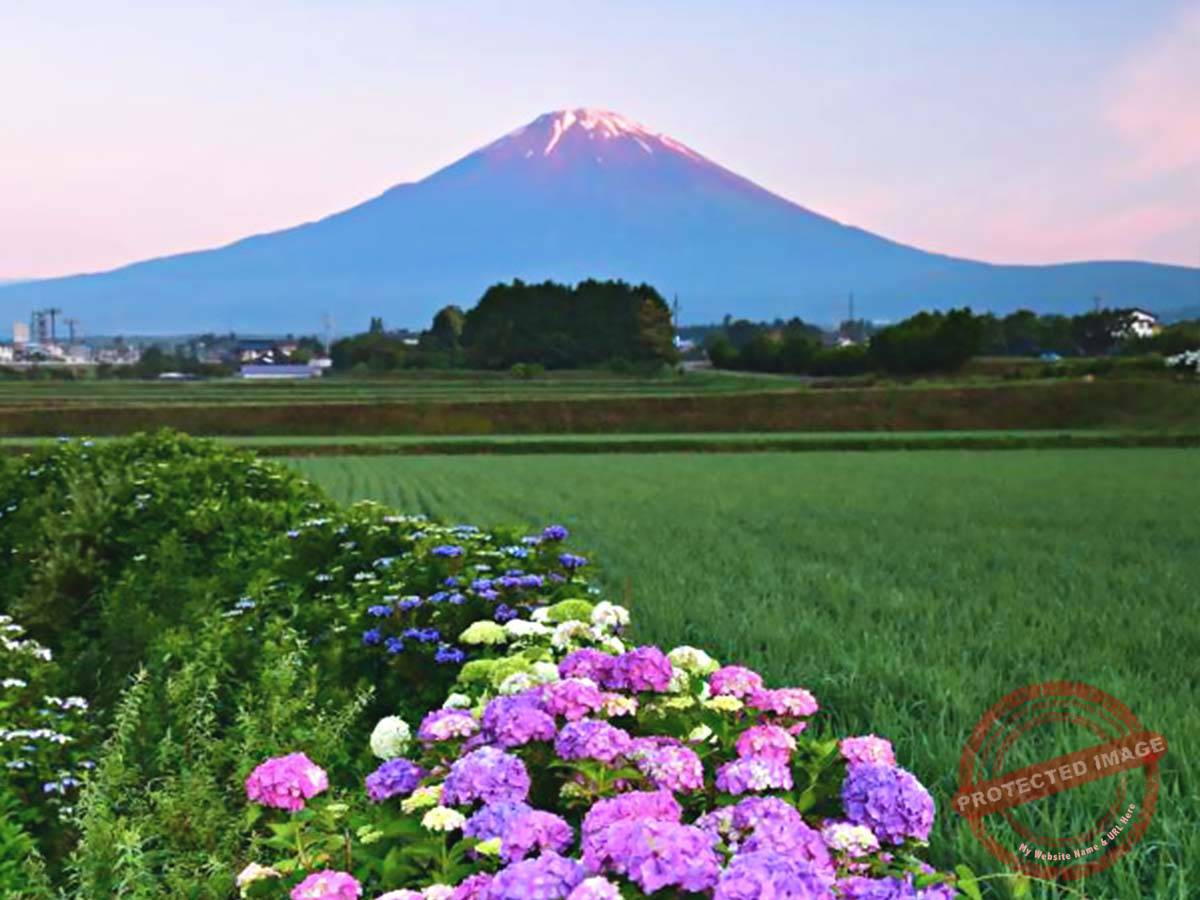
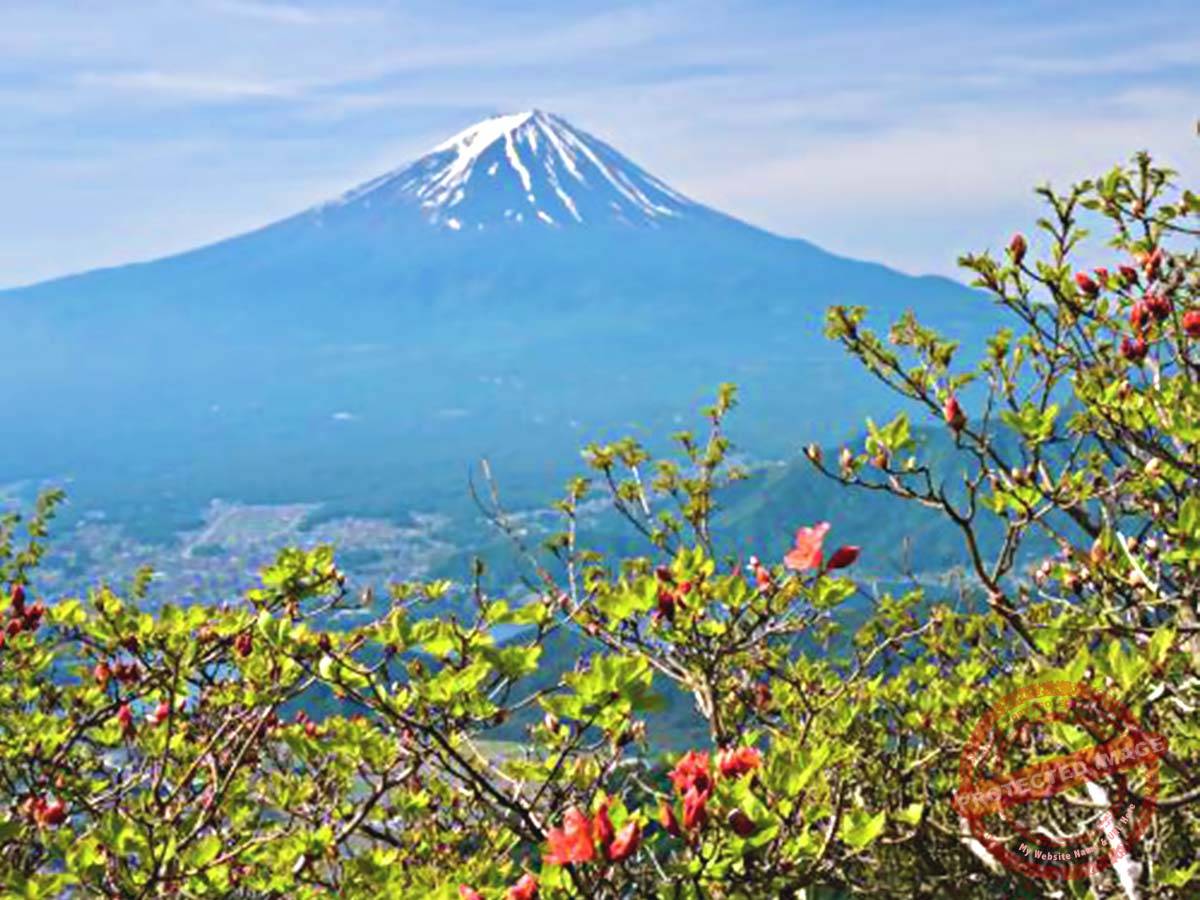
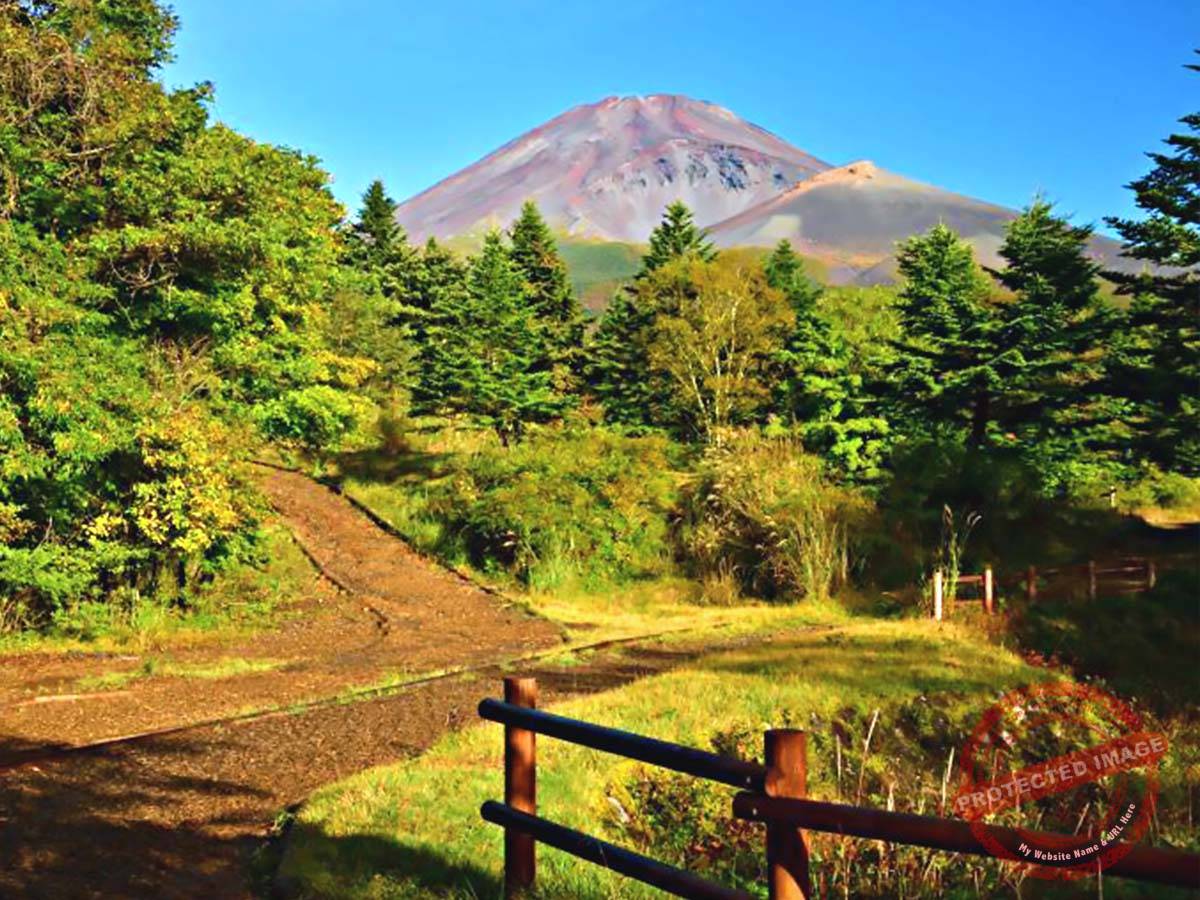
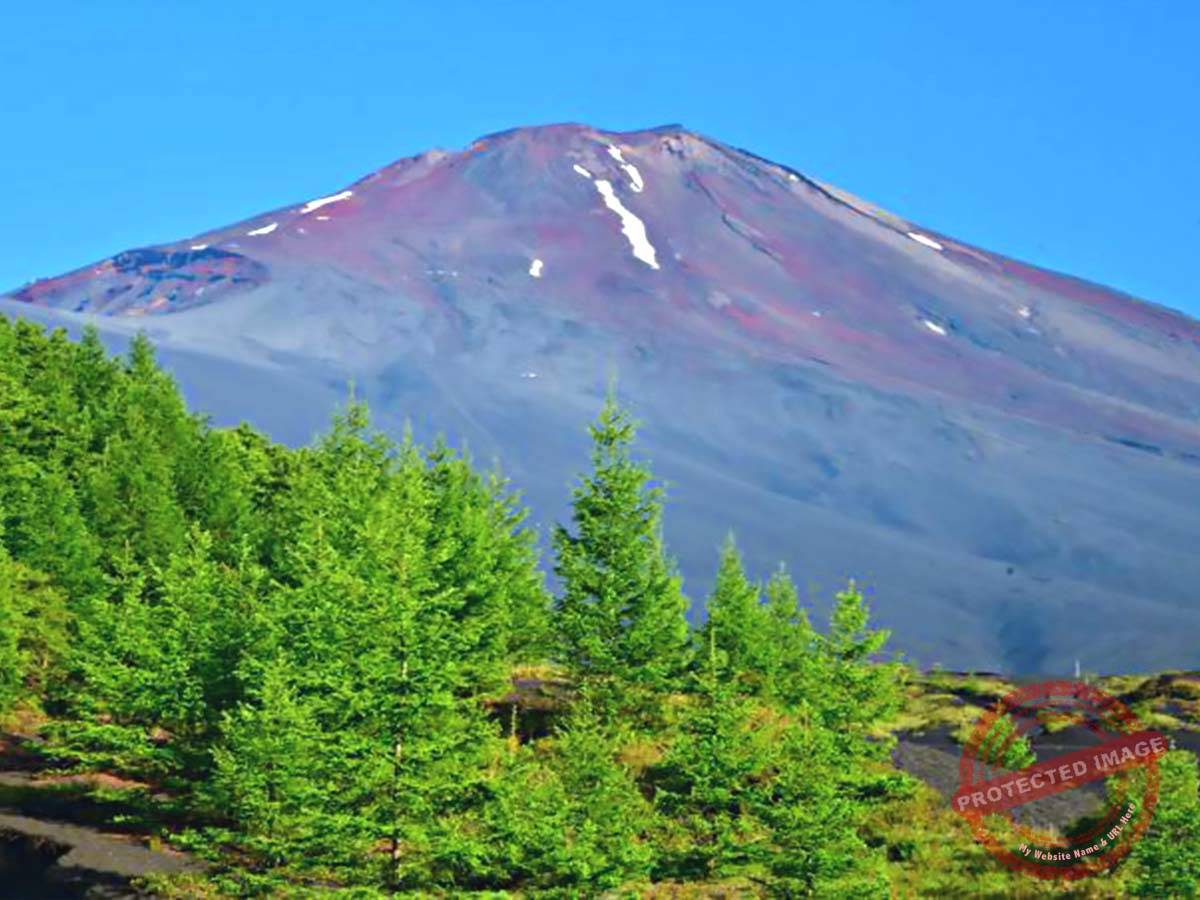
- Late Spring/June: The snow cap is often patchy or has entirely receded, leaving the mountain as a dark volcanic cone.
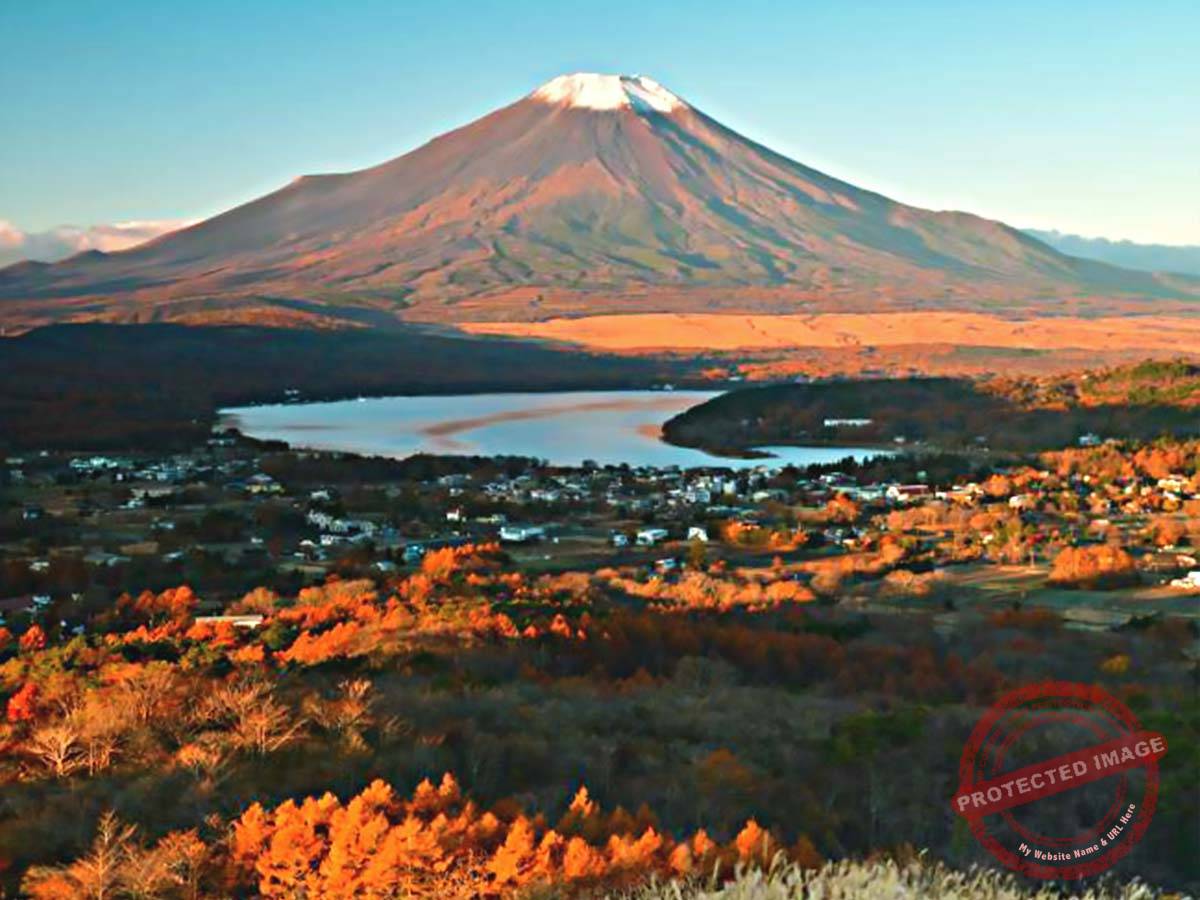
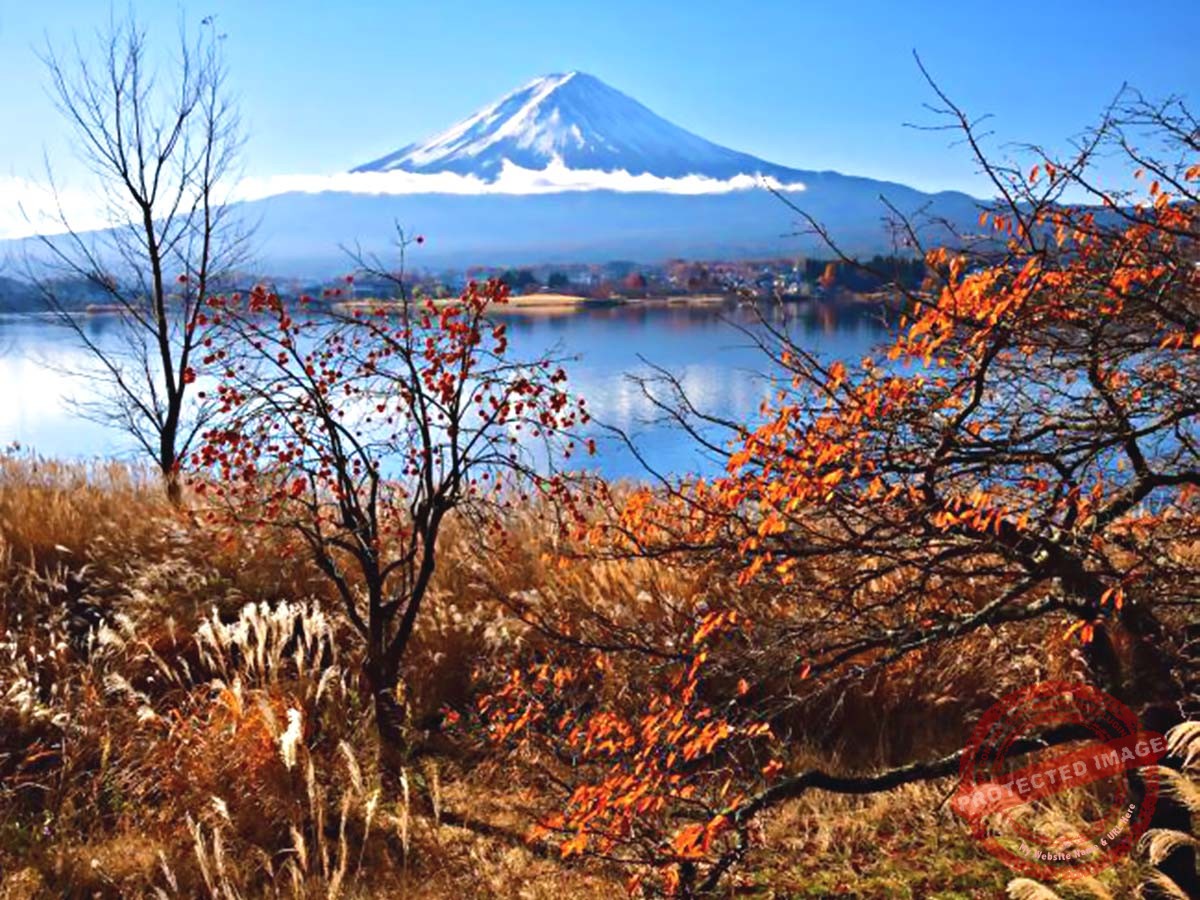
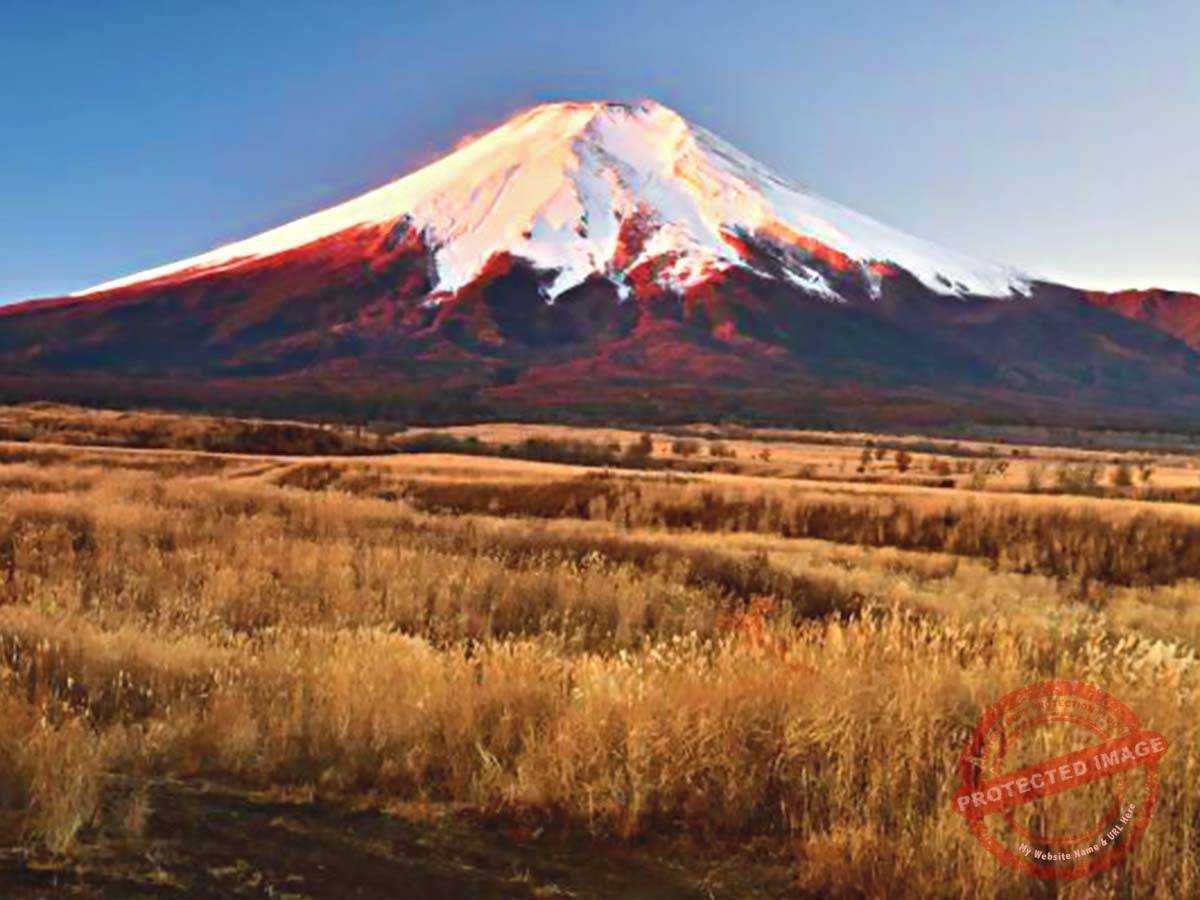
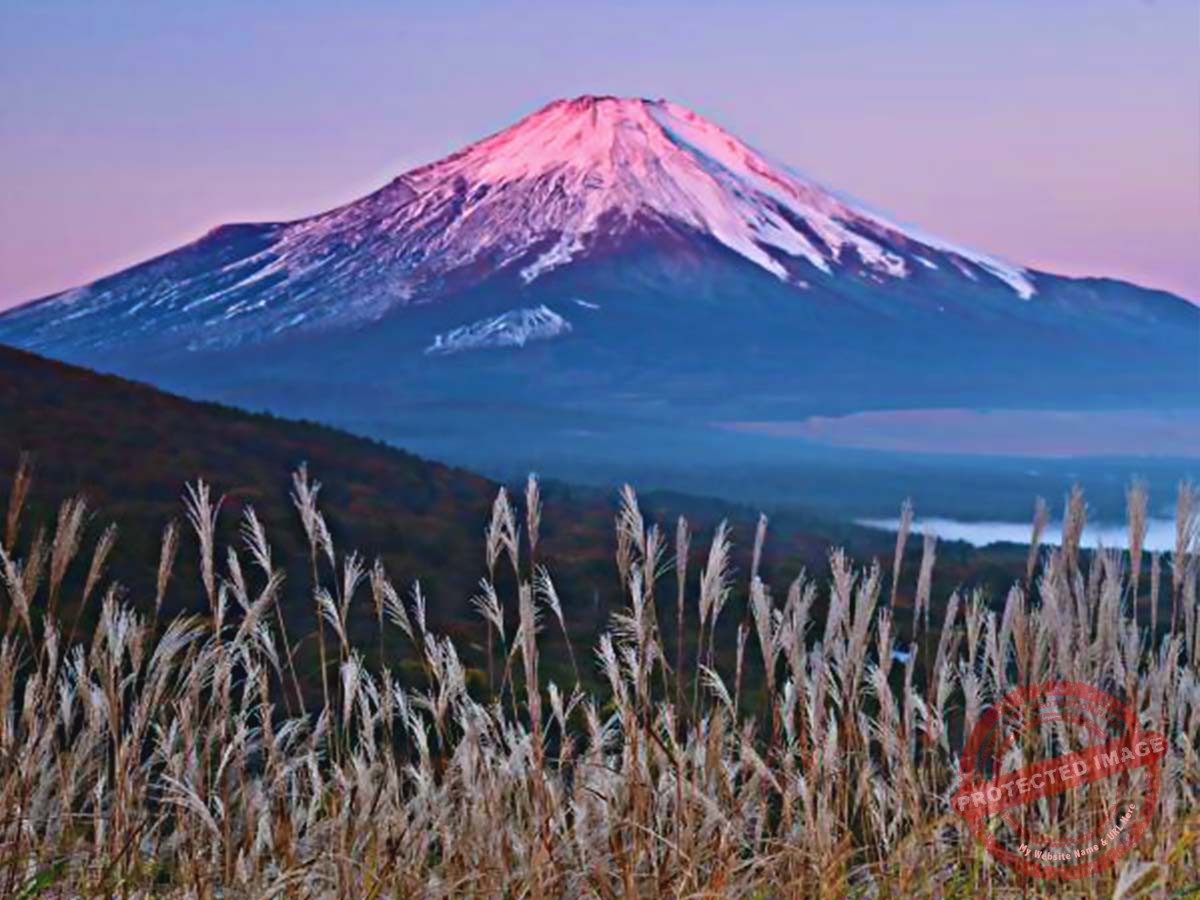
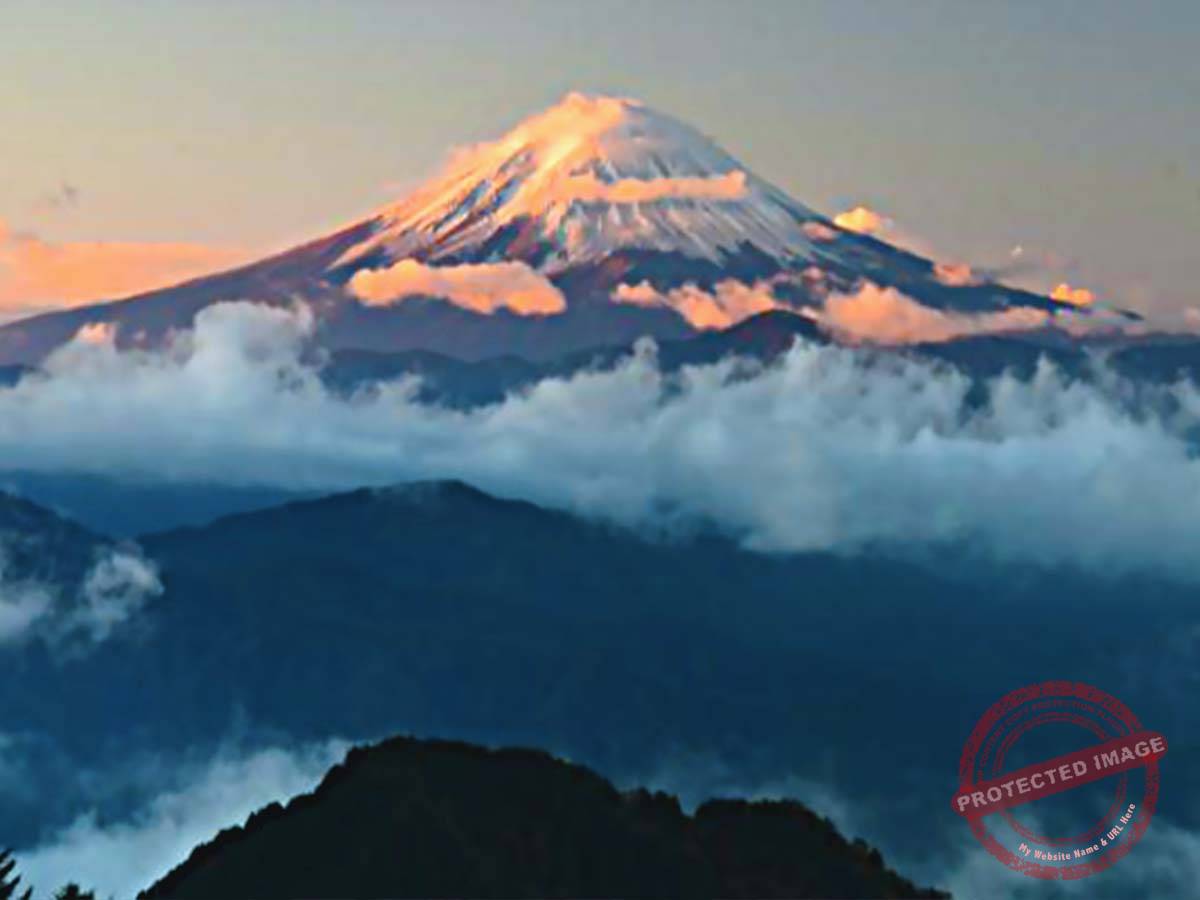
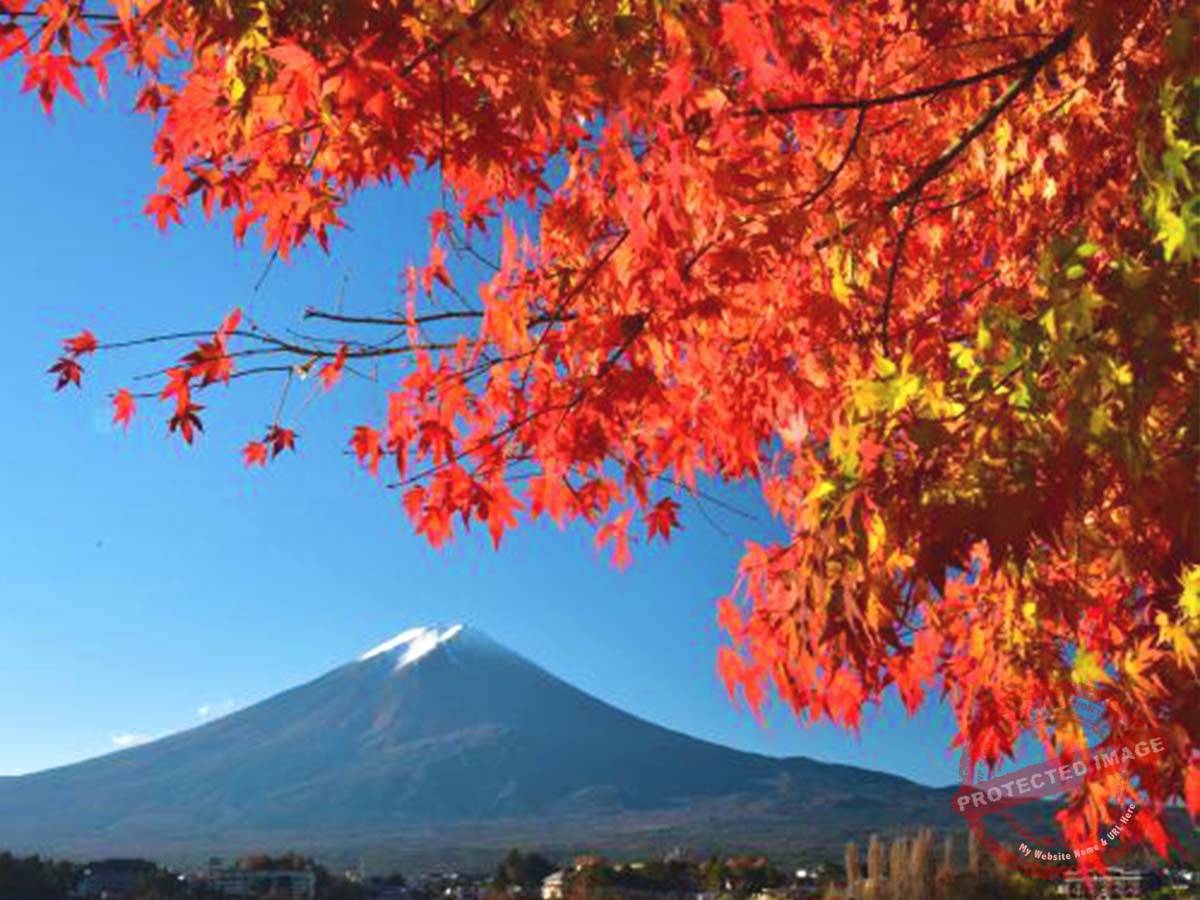
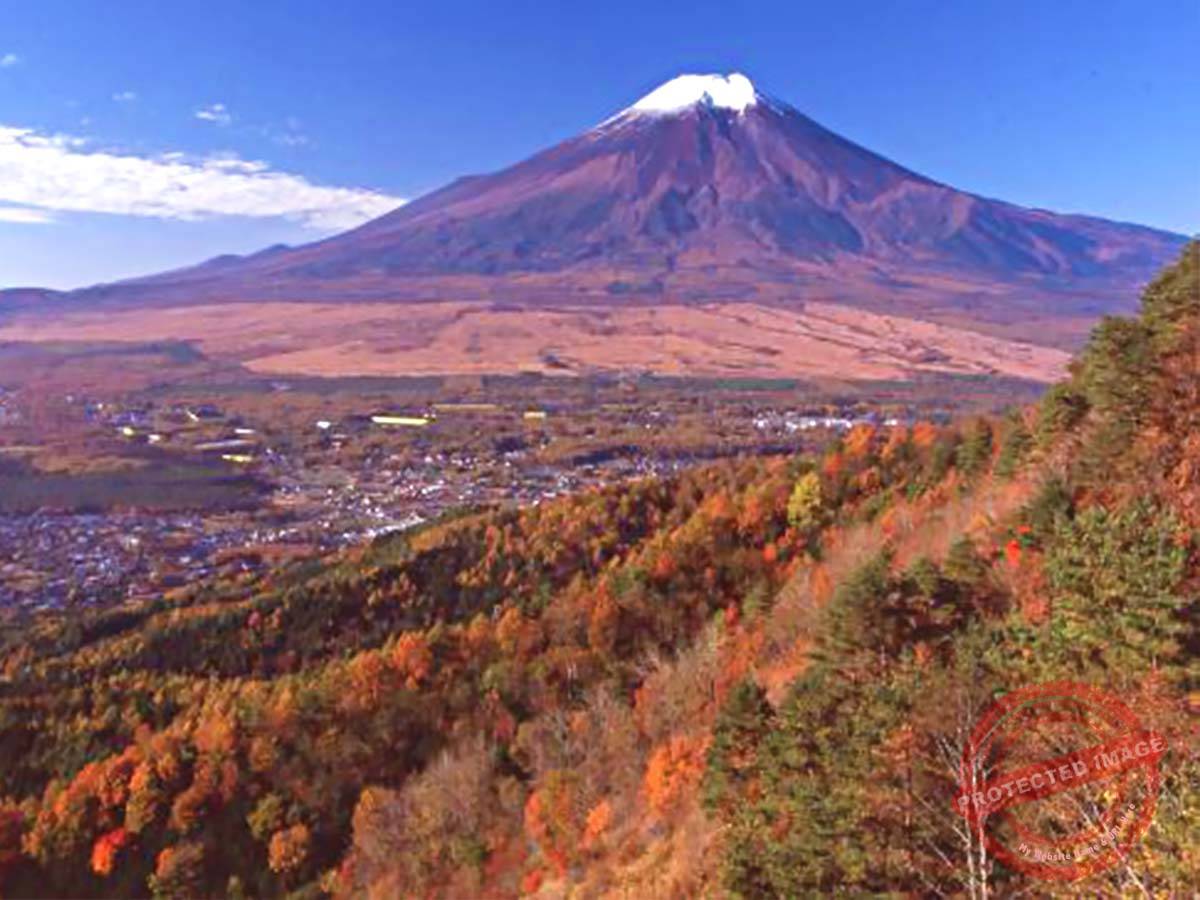
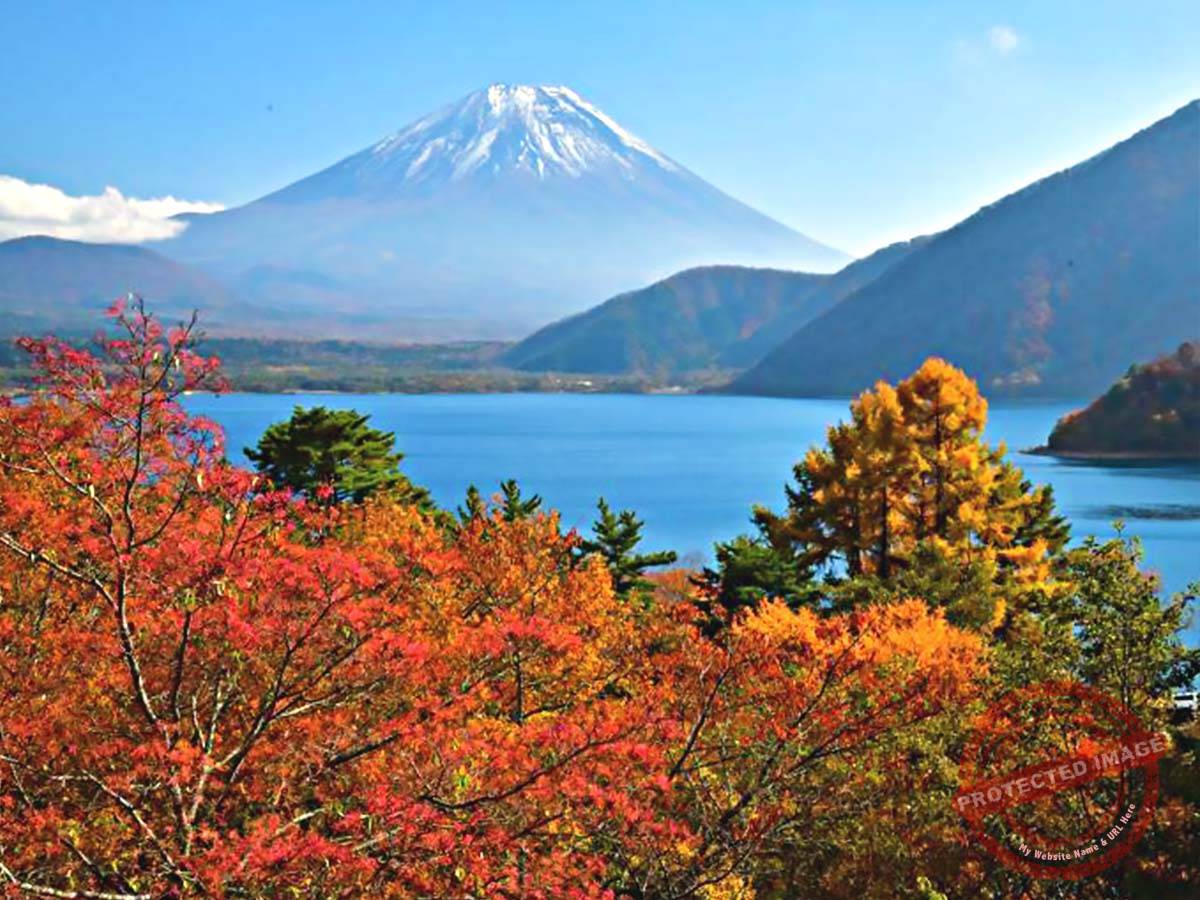
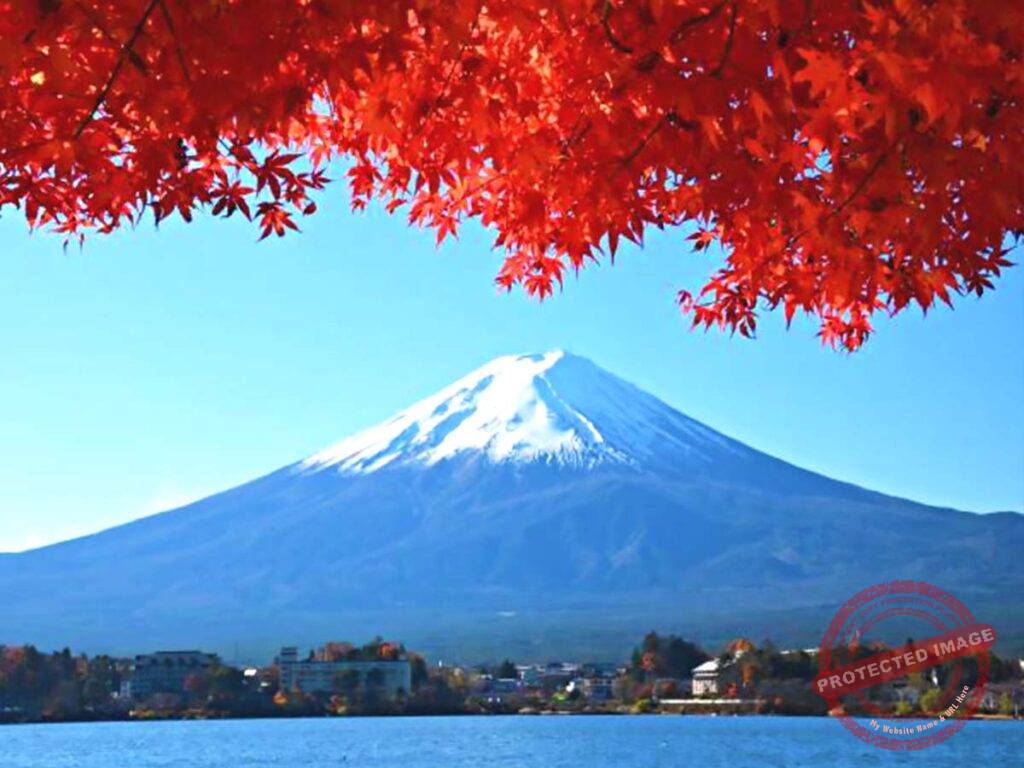
- Late Autumn: By mid-November, the summit snow is typically restored and crisp. This pristine white cap, contrasted against the fiery red maples (Momiji) of the Five Lakes region, creates the definitive aesthetic expected of a bucket-list journey.
3. Sophisticated Comfort: Thermal Stability
- June: The climate is increasingly humid and damp, which can compromise the comfort of outdoor activities.
- November: The region offers a “light-layer” climate (avg. 45°F–60°F). These crisp, dry conditions are ideal for exploring the Fuji foothills and maximize the utility of outdoor onsen (hot spring) amenities, where the contrast between cool air and heated volcanic water is most refined.
4. Exclusivity: Devoid of Climbing Congestion
Luxury is often defined by what and who is absent.
- Early Summer: Leads directly into the official climbing season (July), which draws over 200,000 hikers to the region, introducing a high-density, high-activity atmosphere.
- Late Autumn: The mountain trails are closed to climbers. This restores a sense of tranquil exclusivity to the area, allowing guests to experience the landscape in silence and privacy, away from the logistical strain of seasonal peak crowds.