Arita (Porcelain Town)
Arita offers an immersive encounter with Japanese porcelain heritage, combining historic streets, master kilns, and refined shopping rooted in four centuries of craft.
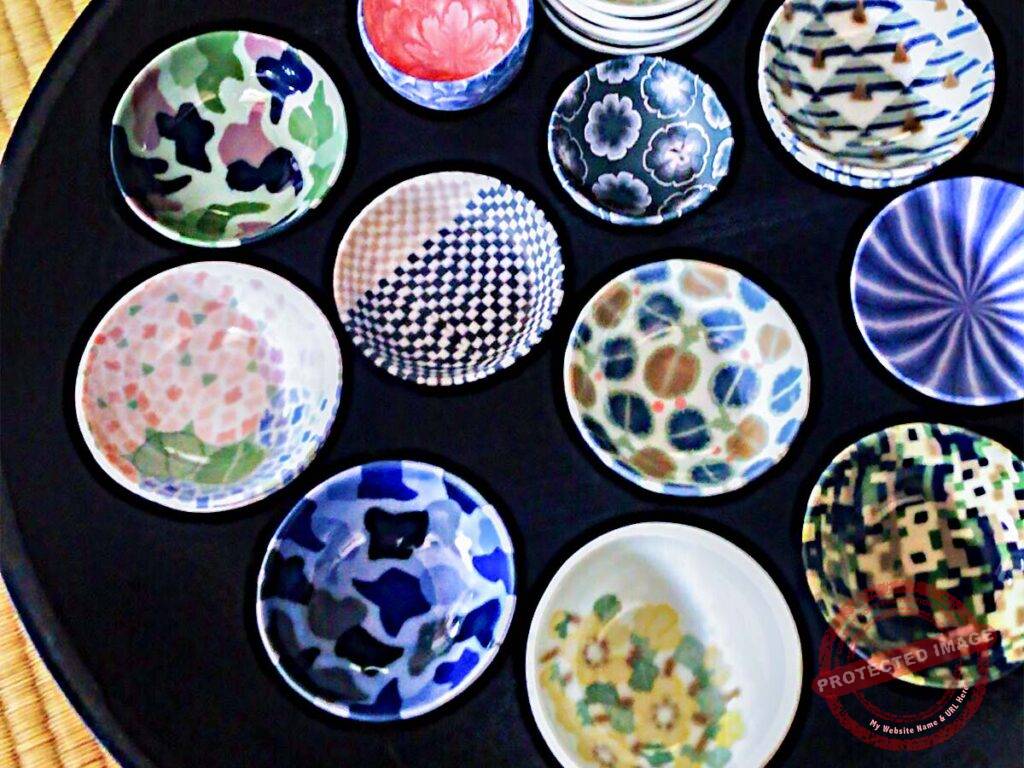
Arita (Porcelain Town) is widely regarded as the birthplace of Japanese porcelain, and it offers the kind of focused cultural immersion that resonates with experienced, intellectually curious travelers. The town functions less as a conventional sightseeing stop and more as a living archive, where production, commerce, and daily life continue within a deeply preserved setting. The pace is measured, allowing visitors to engage quietly with both history and craftsmanship while browsing ceramics of exceptional quality.
The Arita Ceramic Museum provides essential historical grounding for the region’s 400-year porcelain legacy. Housed in a well-preserved historic structure, the museum appeals to travelers who value context and continuity over spectacle. Beyond institutional spaces, Arita’s backstreets reveal “Tombai” walls built from recycled kiln bricks, an architectural detail that reflects both practicality and aesthetic restraint, and lends the town a distinctive visual identity.
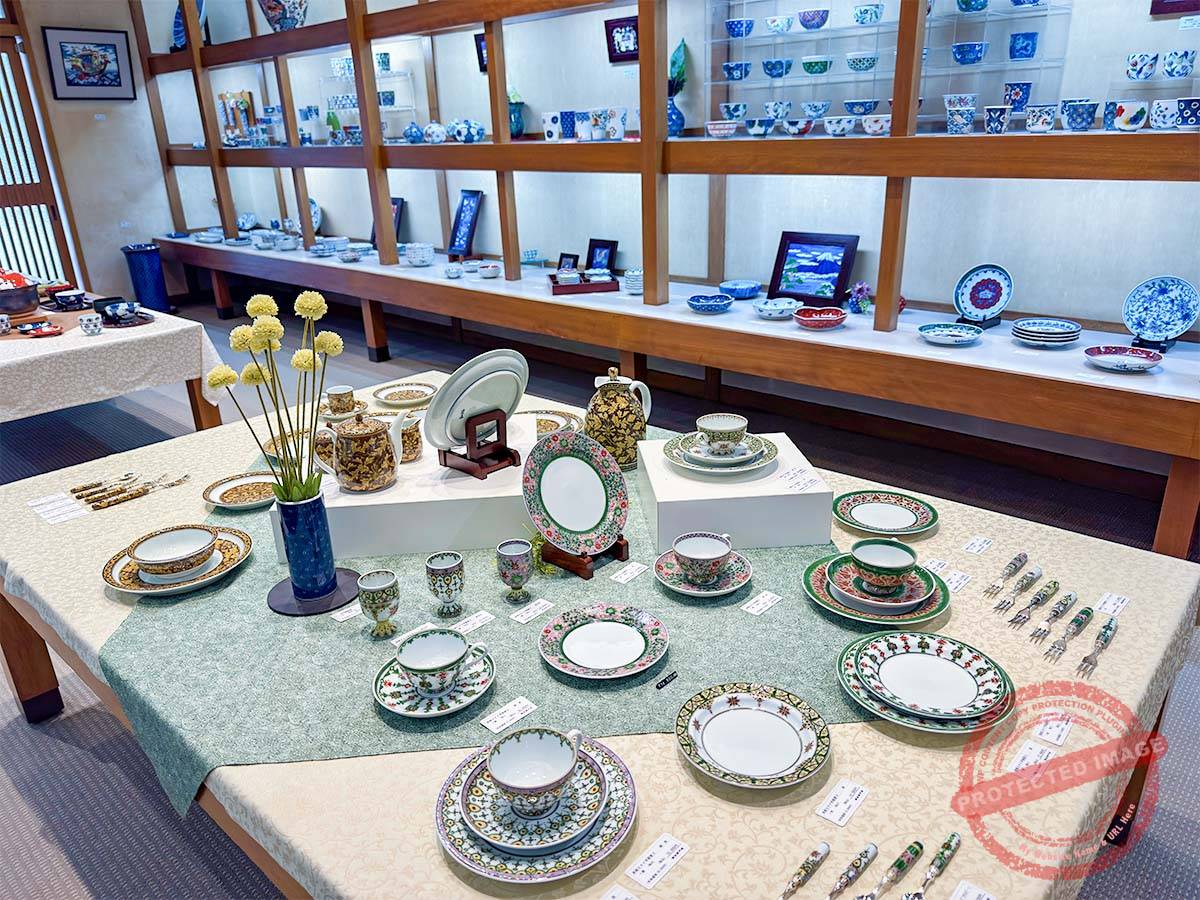
Contemporary Arita is equally compelling. Arita Sera presents a curated environment where leading kilns maintain gallery-style shops. The layout is spacious and orderly, encouraging thoughtful browsing rather than hurried consumption, an approach particularly well suited to empty nesters and seasoned collectors.
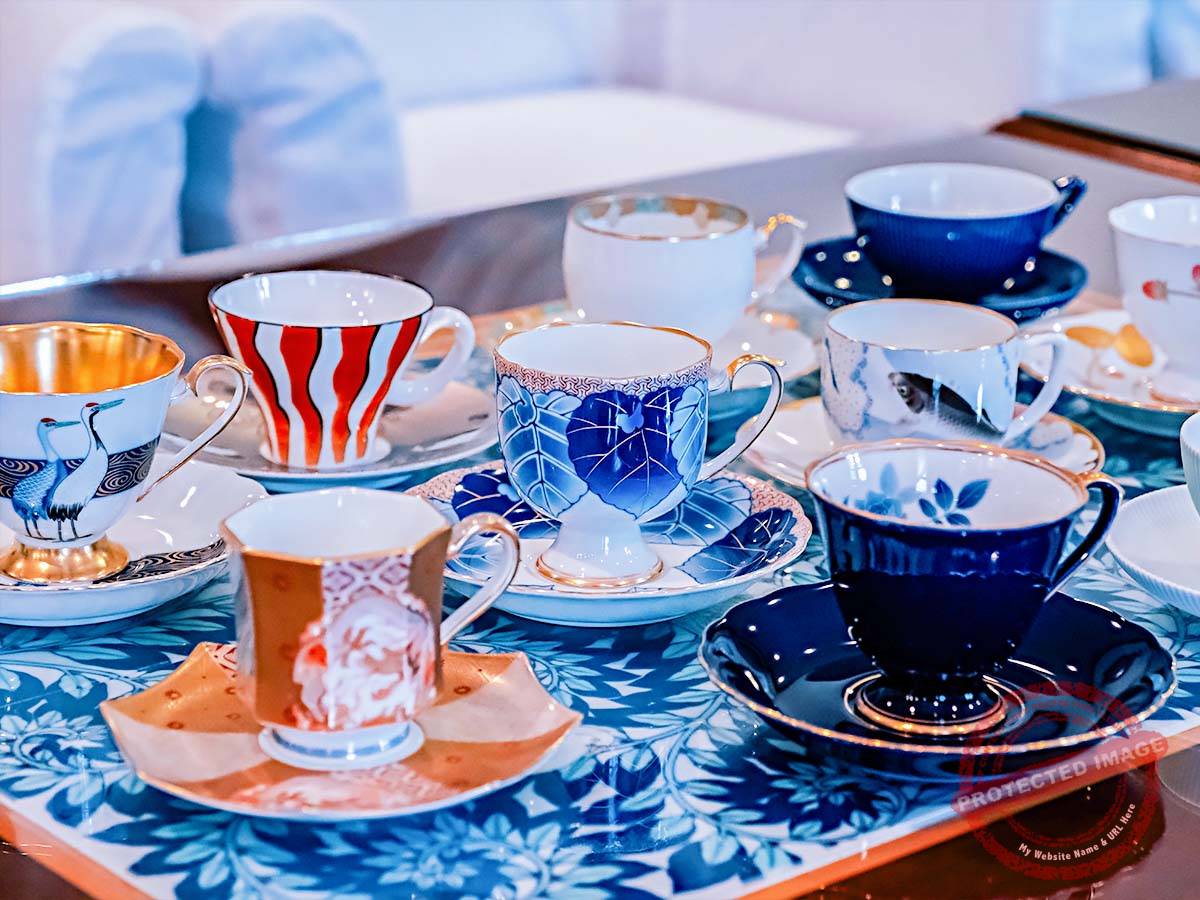
For travelers seeking the highest level of refinement, Fukagawa Seiji represents the gold standard. As an official purveyor to the Japanese Imperial Household, the brand carries a level of prestige that is immediately evident in both design and execution. Its signature “Fukagawa Blue” is internationally recognized, valued for its clarity and elegance.
The experience is anchored at The China Terrace, a beautifully composed facility that integrates gallery spaces, a historic factory, and a refined café. The atmosphere feels closer to a private estate than an industrial workshop. Observing artisans hand-paint pieces destined for imperial use conveys a sense of intellectual luxury rooted in tradition, discipline, and exclusivity.
For those drawn to the history of global exchange, Koransha offers a compelling narrative. The brand’s identity reflects a dialogue between traditional Japanese aesthetics and 19th-century European influence, shaped in part by its participation in international expositions.
Koransha’s presence in Arita is defined by its Old Warehouse and Showroom, an architectural space where the character of the brand is most clearly expressed. While the main factory lies nearby, it is here that visitors best sense Koransha’s historical role. Its award-winning appearances at the Paris World’s Fairs and the Philadelphia Centennial Exposition of 1876 underscore the brand’s importance in early Western–Japanese cultural diplomacy.
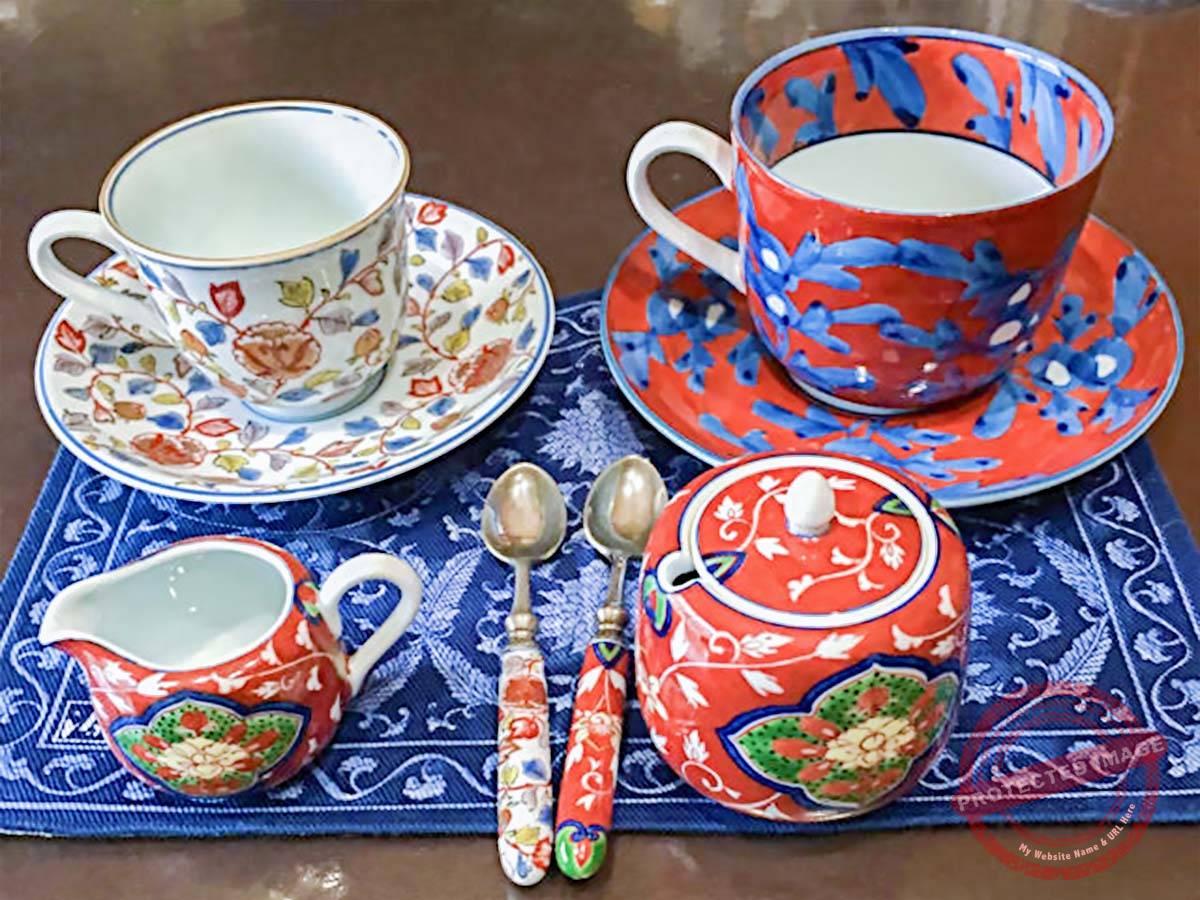
Travelers who favor intimacy over scale may find the strongest connection at Gen-emon Kiln. The atmosphere is authentic and unpretentious, shaped by continuity rather than branding. Known for finely hand-drawn blue-and-white designs and its distinctive “Arita Red”, the kiln emphasizes craftsmanship that feels personal and deeply rooted.
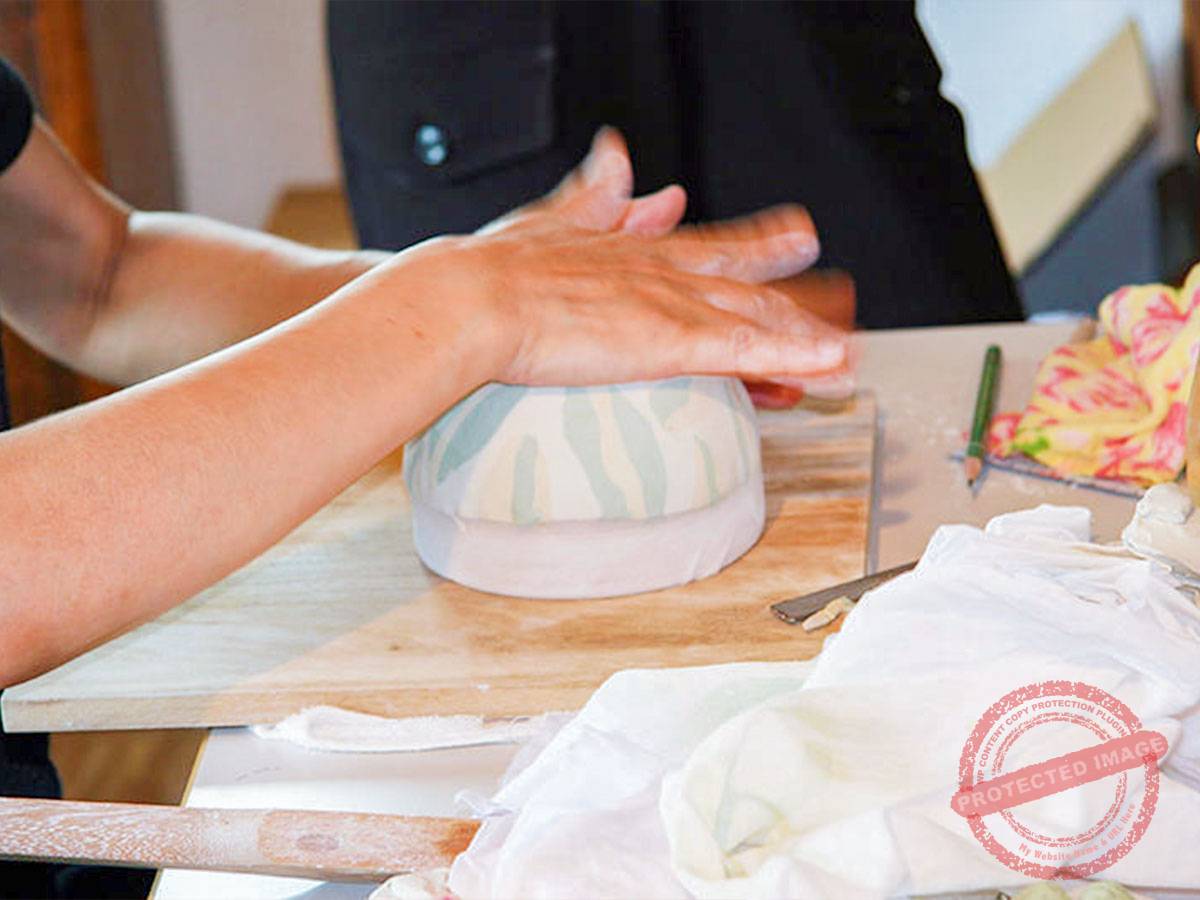
The workshop environment is compact, allowing closer interaction with artisans and a clearer view of the creative process. The experience feels less like a formal visit and more like entering a master’s private studio, offering a quiet sense of access and authenticity that many seasoned travelers value most.