Mount Koya
Mount Koya is a UNESCO-listed sacred mountain in Japan, known for ancient temples, forested pilgrimage paths, and over 1,200 years of Buddhist history.

Mount Koya lies in the northeastern reaches of Wakayama Prefecture and stands as one of Japan’s most significant Buddhist sanctuaries. Founded more than 1,200 years ago by Kobo Daishi Kukai, it remains the spiritual center of Shingon Esoteric Buddhism. Today, Mount Koya forms a core component of the UNESCO-designated Sacred Sites and Pilgrimage Routes in the Kii Mountain Range, recognized for its enduring religious and cultural legacy.
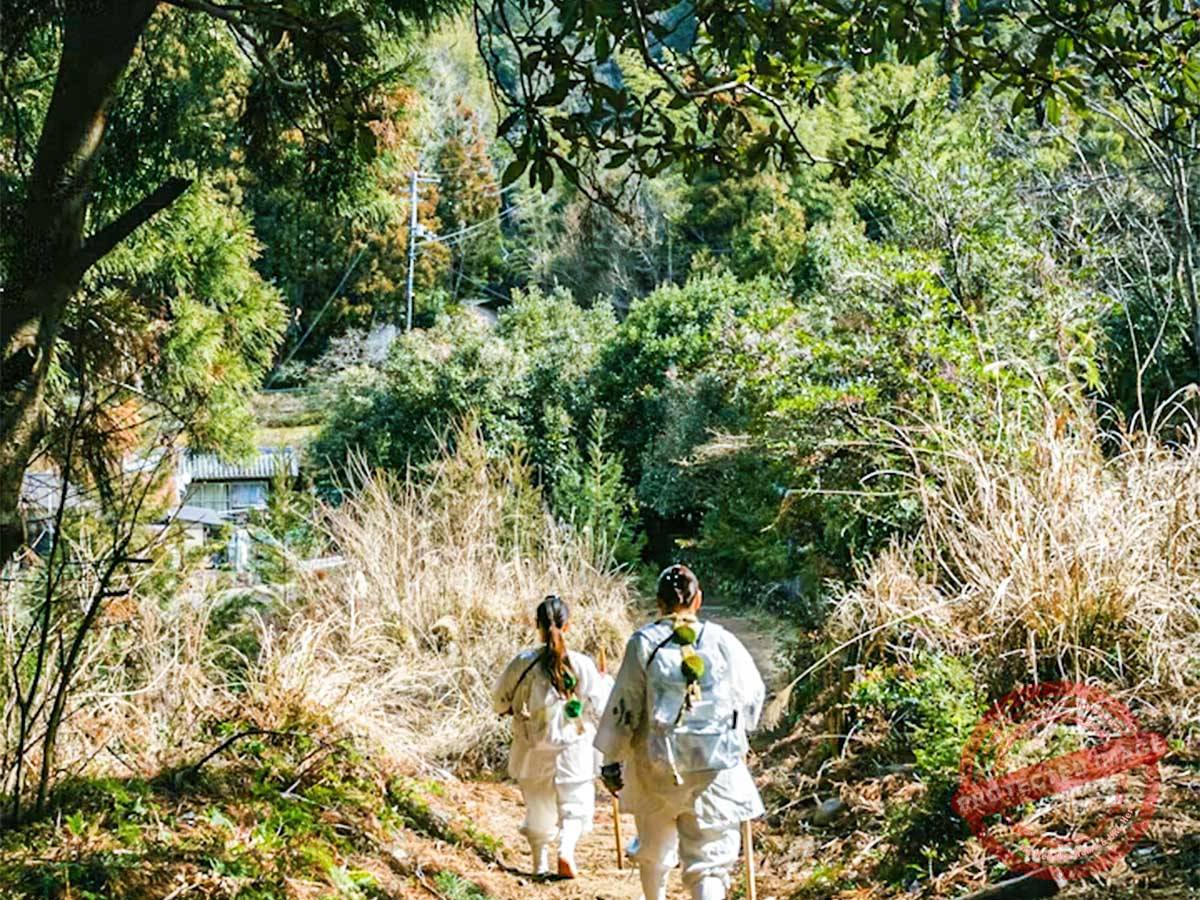
Set deep in the mountains, Mount Koya feels removed from the pace of modern Japan. Its quiet temple precincts, cedar forests, and centuries-old rituals have drawn pilgrims for generations and continue to resonate with visitors seeking a more contemplative experience. The atmosphere is restrained and reverent, shaped as much by nature as by faith.
Kongobu-ji Temple
Located at the heart of Mount Koya, Kongobu-ji Temple serves as the head temple of Shingon Buddhism. The grounds encompass a number of important cultural properties, including the stately Kondo Hall and the monumental Konpon Daito Pagoda, a National Treasure and one of the defining symbols of the mountain. Inside the Kondo Hall, richly detailed Buddhist statues and interior decorations convey the solemn authority of the site. Visitors traditionally pause at the main hall to offer a quiet prayer, a simple gesture that reflects the temple’s continuing spiritual role.
Okunoin
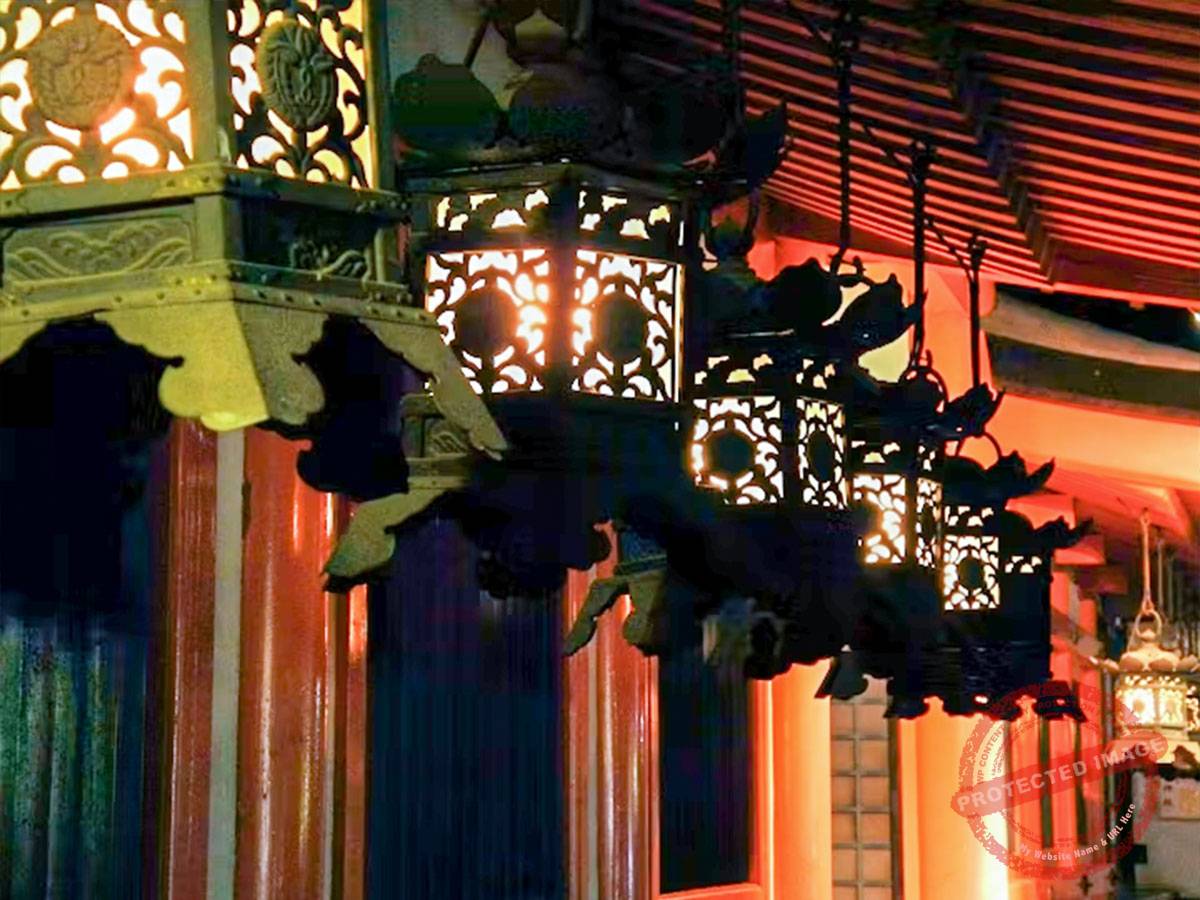
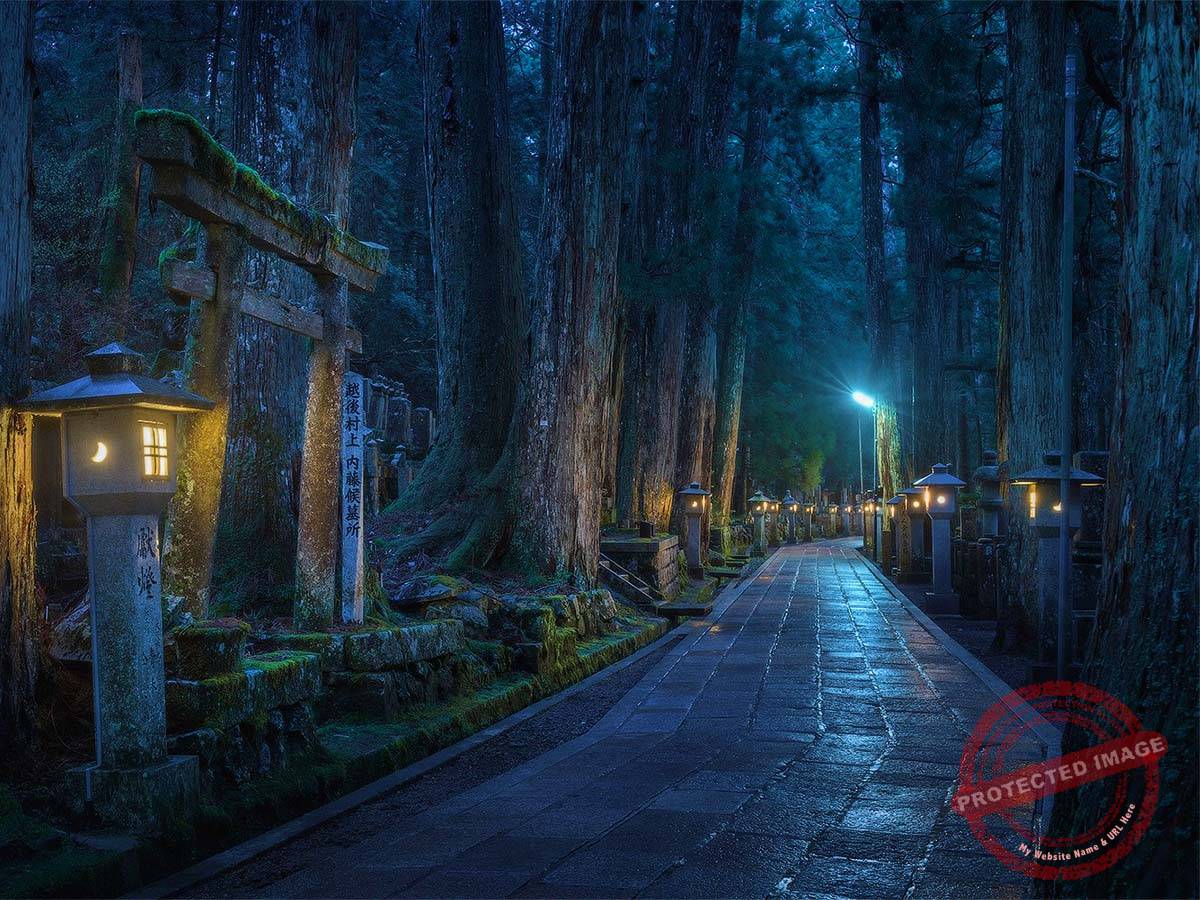
Okunoin is the spiritual core of Mount Koya and the site of Kobo Daishi Kukai’s mausoleum. A two-kilometer approach leads through an expansive cemetery of more than 200,000 gravestones, shaded by towering cedar trees and softened by moss-covered stone memorials. The atmosphere grows increasingly hushed as one nears the Lantern Hall, where the Mannen-to lamps are said to have burned continuously for over a millennium. The setting offers a rare sense of continuity, where history, belief, and landscape remain closely intertwined.
Danjo Garan
Danjo Garan occupies a central position on Mount Koya and represents the mandala-inspired sacred layout envisioned by Kobo Daishi. The complex includes several of the mountain’s most important structures, among them the Konpon Daito, Kondo, and Goei-do. Rising nearly fifty meters, the Konpon Daito is both an architectural and spiritual landmark, housing a statue of Kobo Daishi and a three-dimensional mandala. Walking through the open grounds offers a clear sense of the scale and order that define Mount Koya’s religious landscape.
Mount Koya reveals a different character with each season. Spring brings delicate cherry blossoms, summer is marked by deep green forests and cool mountain air, autumn is defined by vivid foliage, and winter transforms the temples and paths under a quiet blanket of snow. Regardless of the time of year, the mountain retains a composed, reflective quality that leaves a lasting impression on those who take the time to explore it.