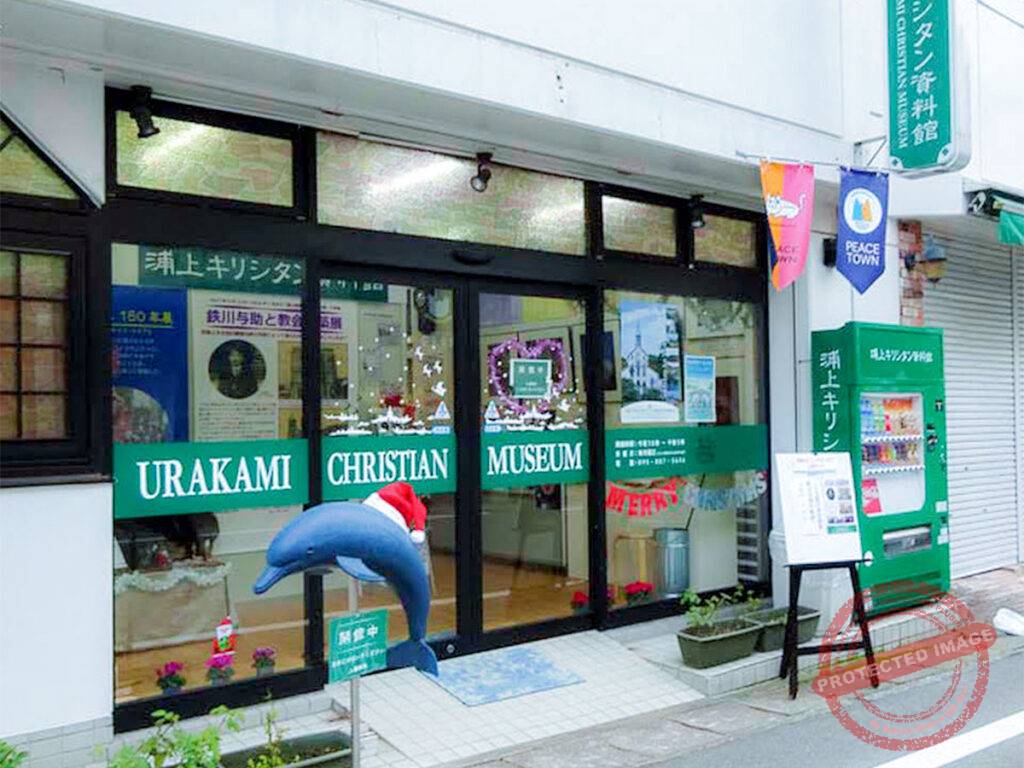
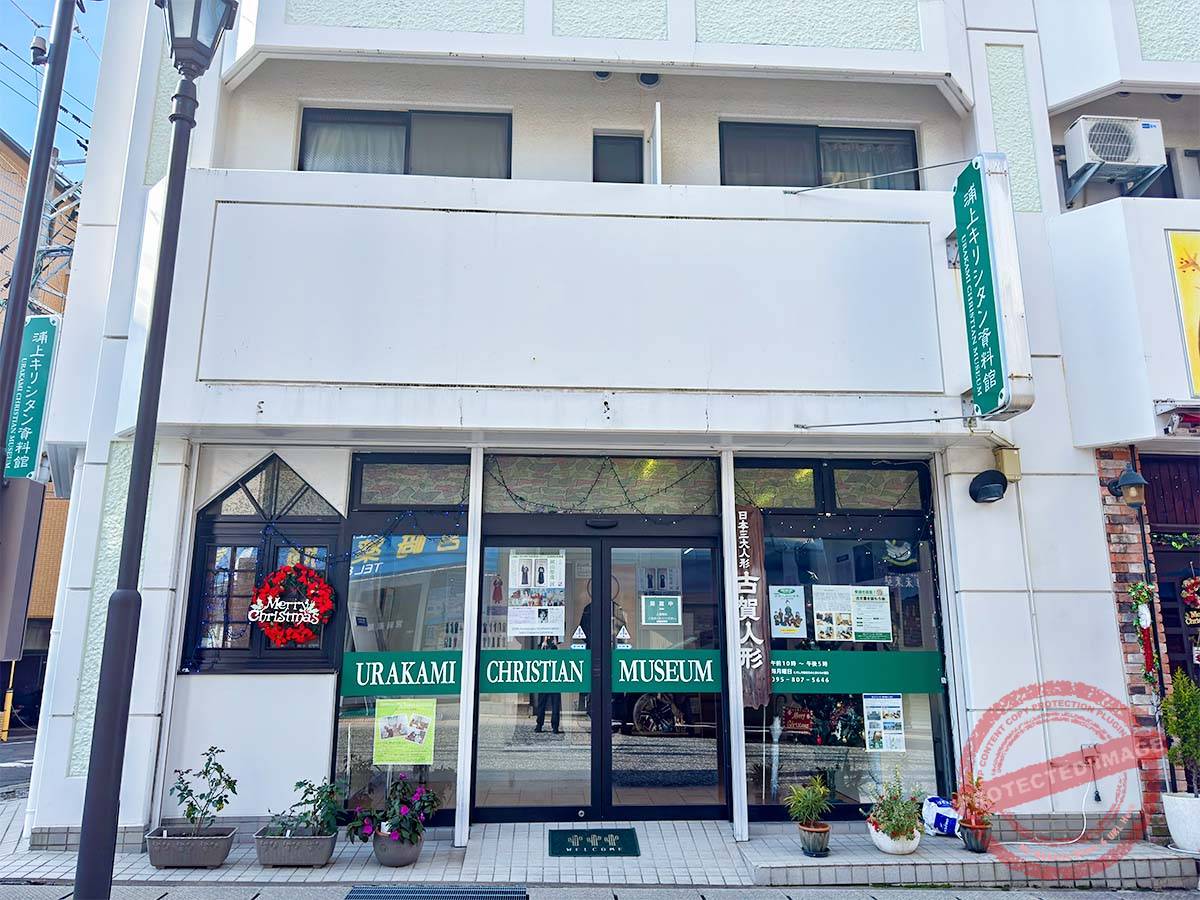
The Urakami Christian Museum provides a profound and intimate examination of the Catholic experience in Nagasaki, focusing on the themes of endurance and survival within the Urakami district.
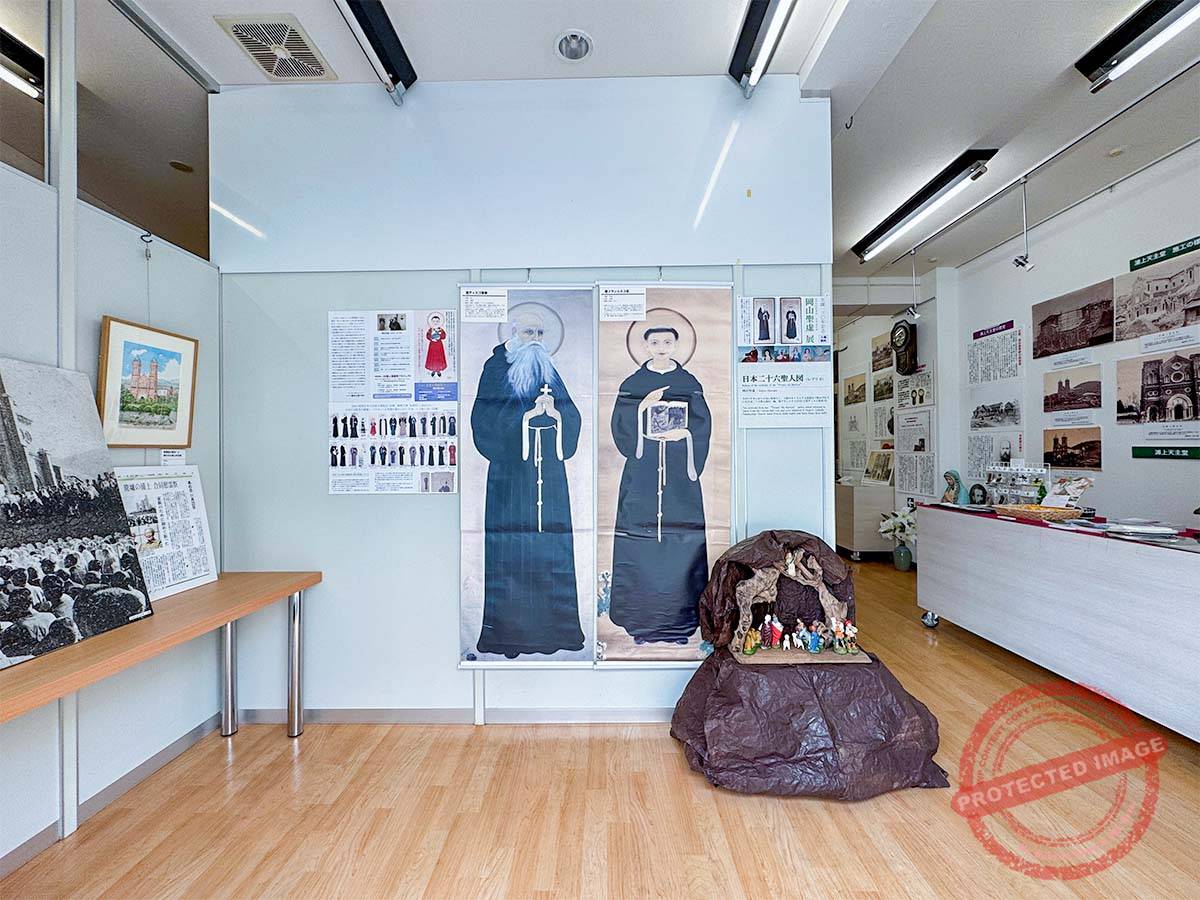
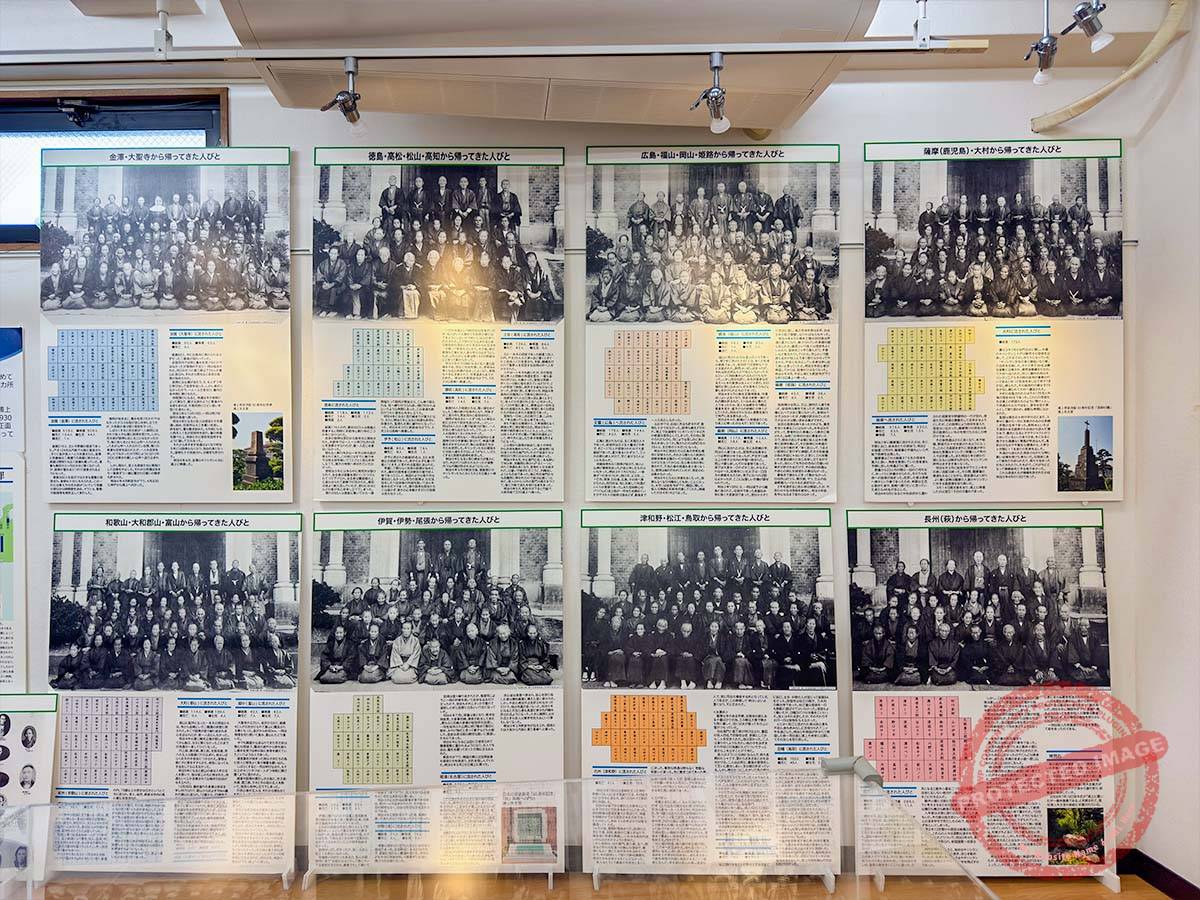
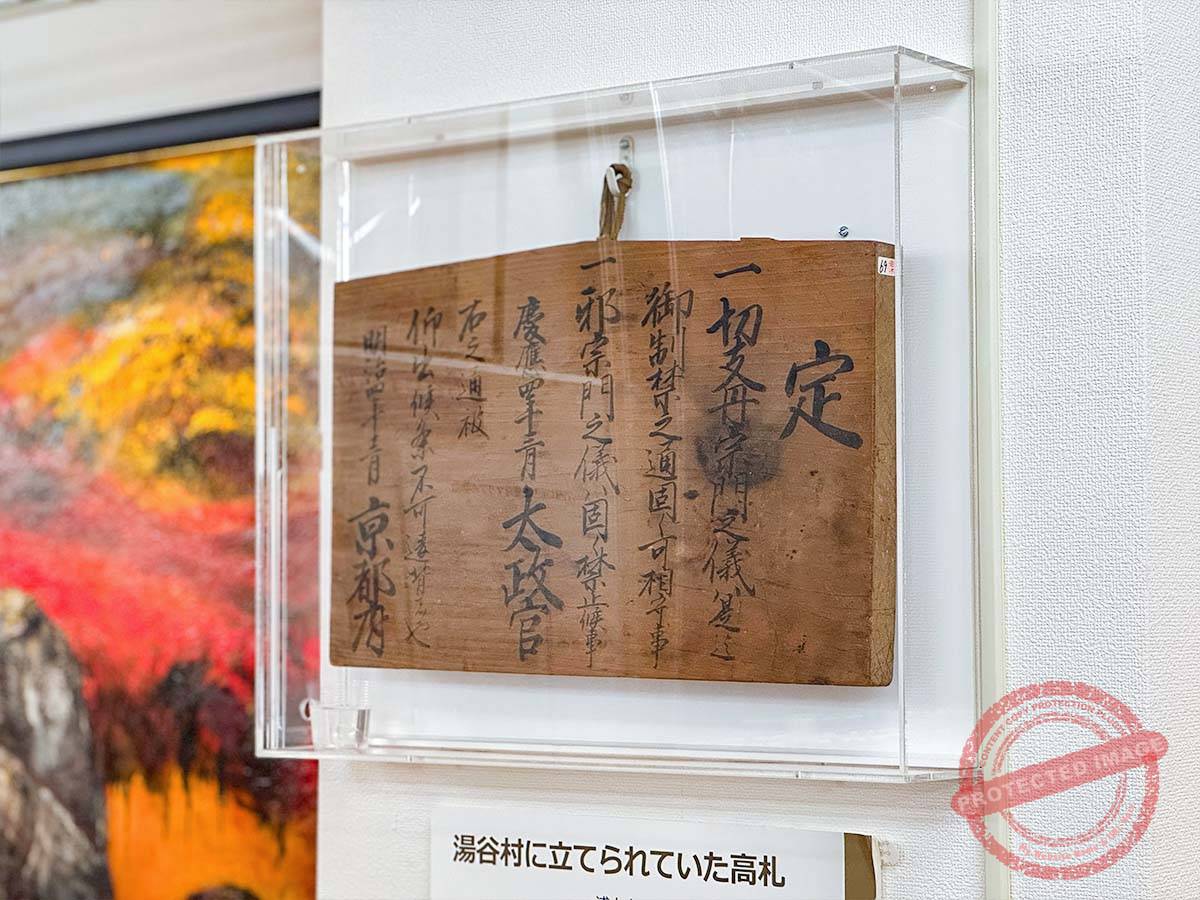
Occupying a dignified space near the Urakami Cathedral, this privately managed institution documents the historical continuity of a community that faced centuries of social and political challenges. The museum is maintained by a Catholic publisher and supported by private donors, ensuring that the history of this unique population remains accessible to the public. The narrative primarily centers on the nineteenth-century Urakami Crackdown and the subsequent exile of thousands of local practitioners. Artifacts from this era, including hidden devotional items and official documents, illustrate a period of severe hardship that preceded the eventual restoration of religious freedom in Japan. These exhibits provide a factual foundation for understanding the resilience of the region’s European-rooted faith.
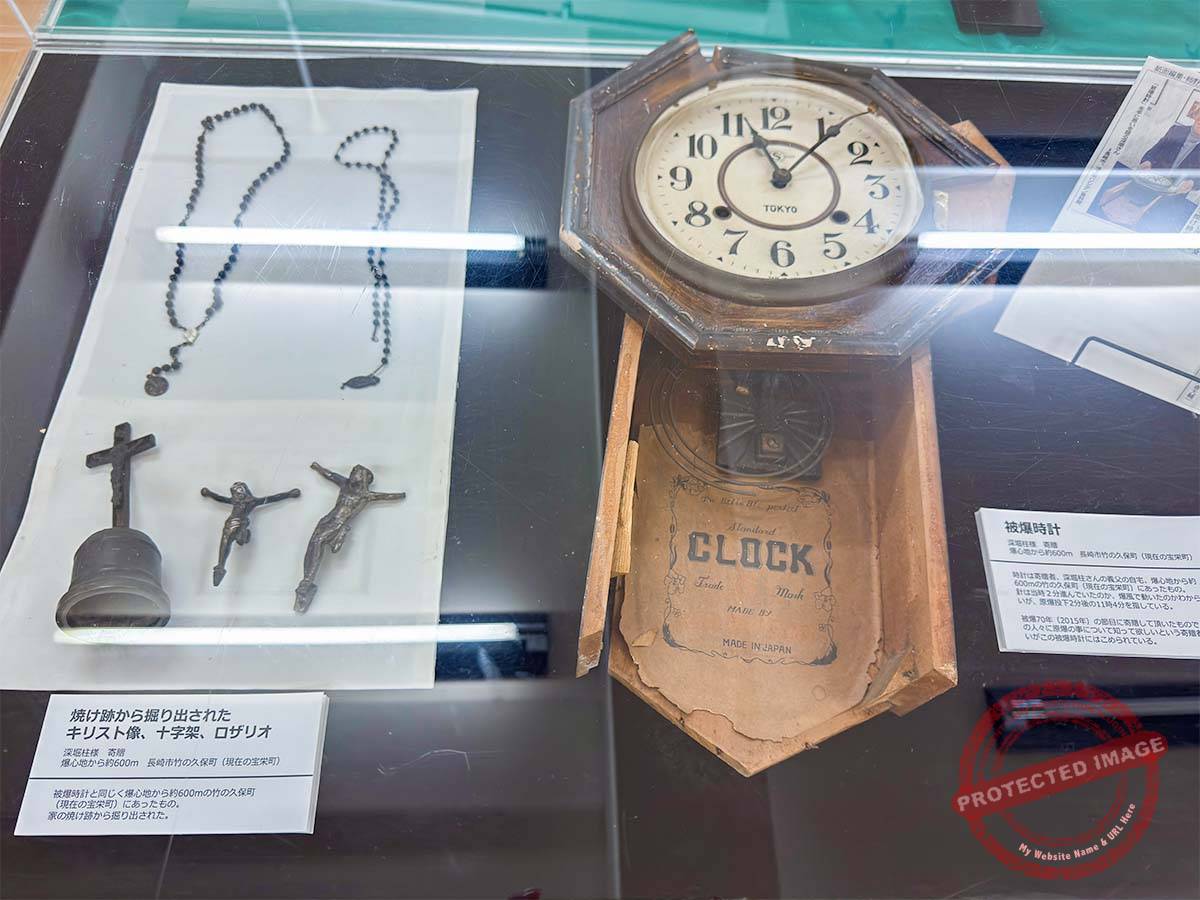
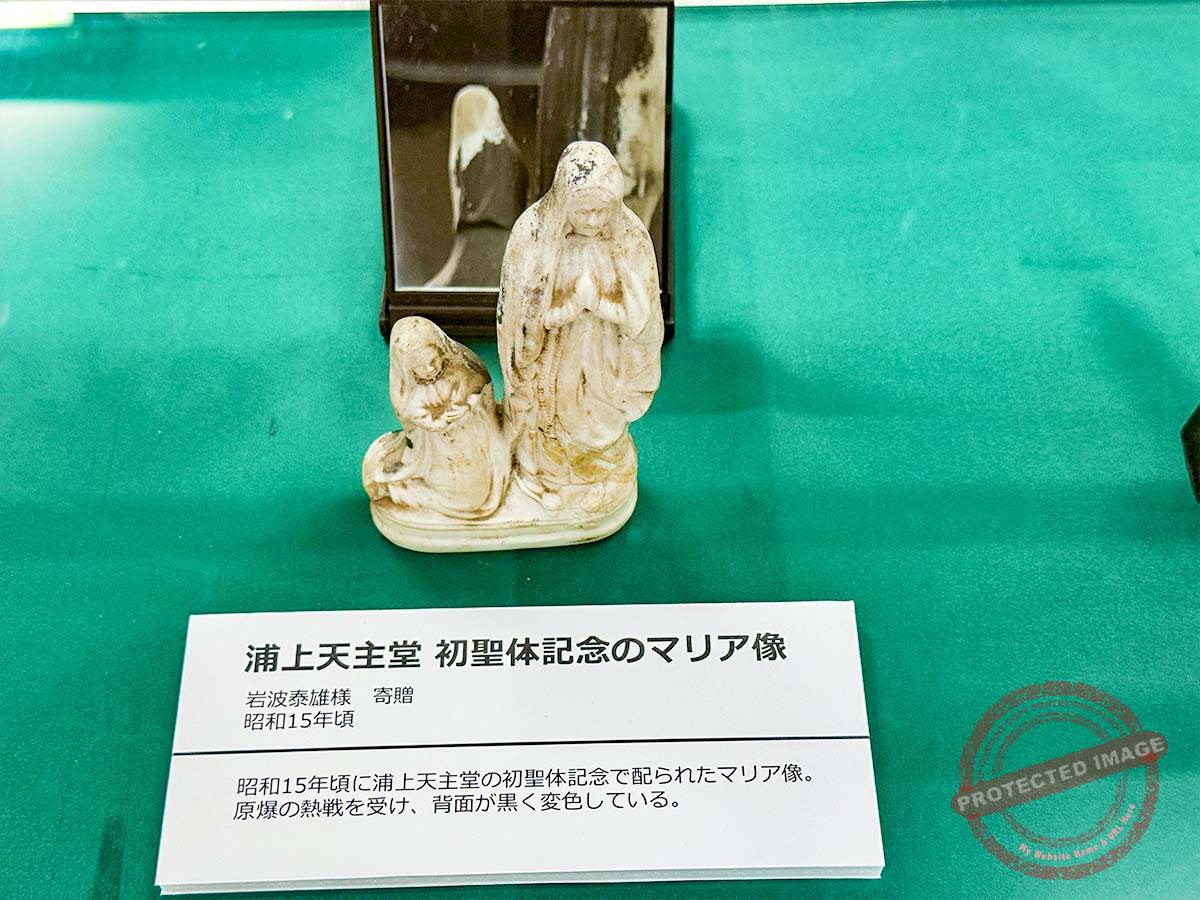
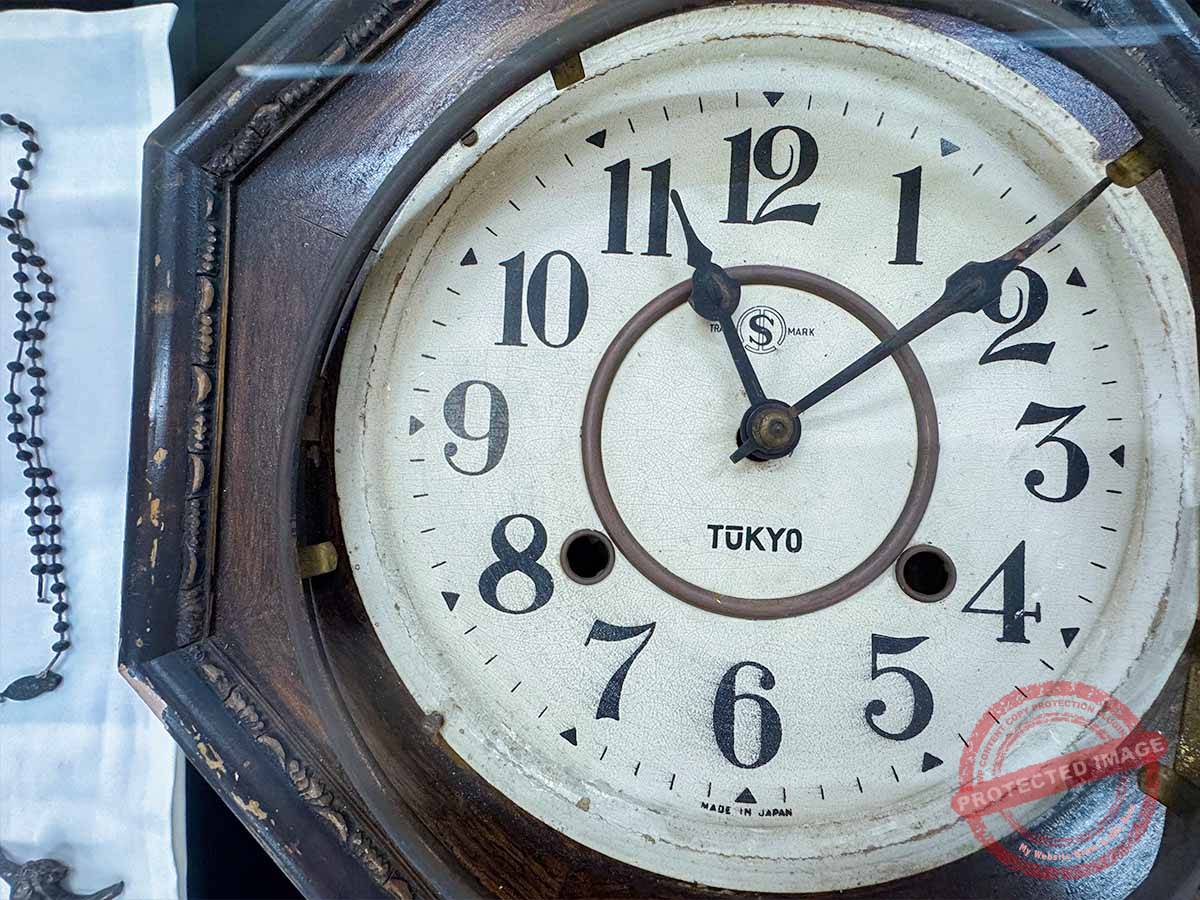
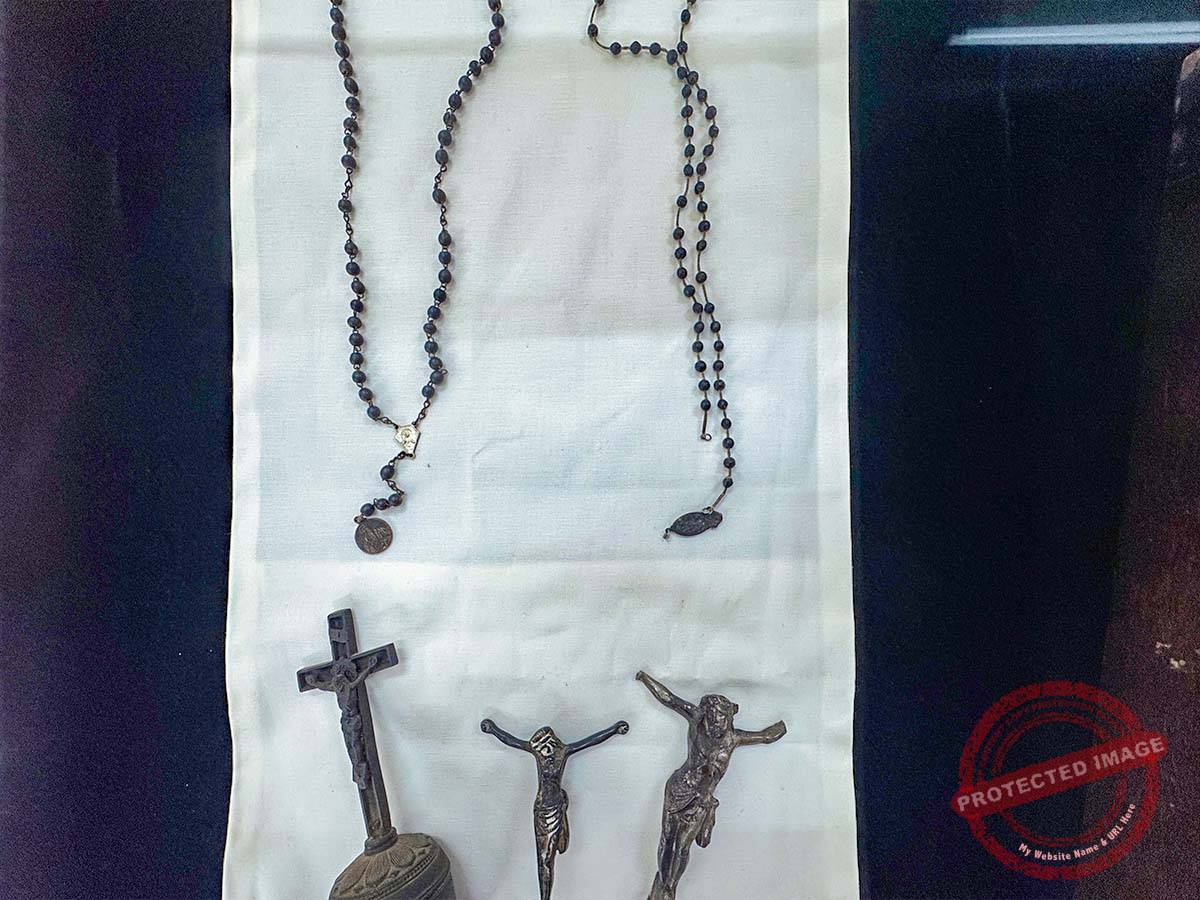
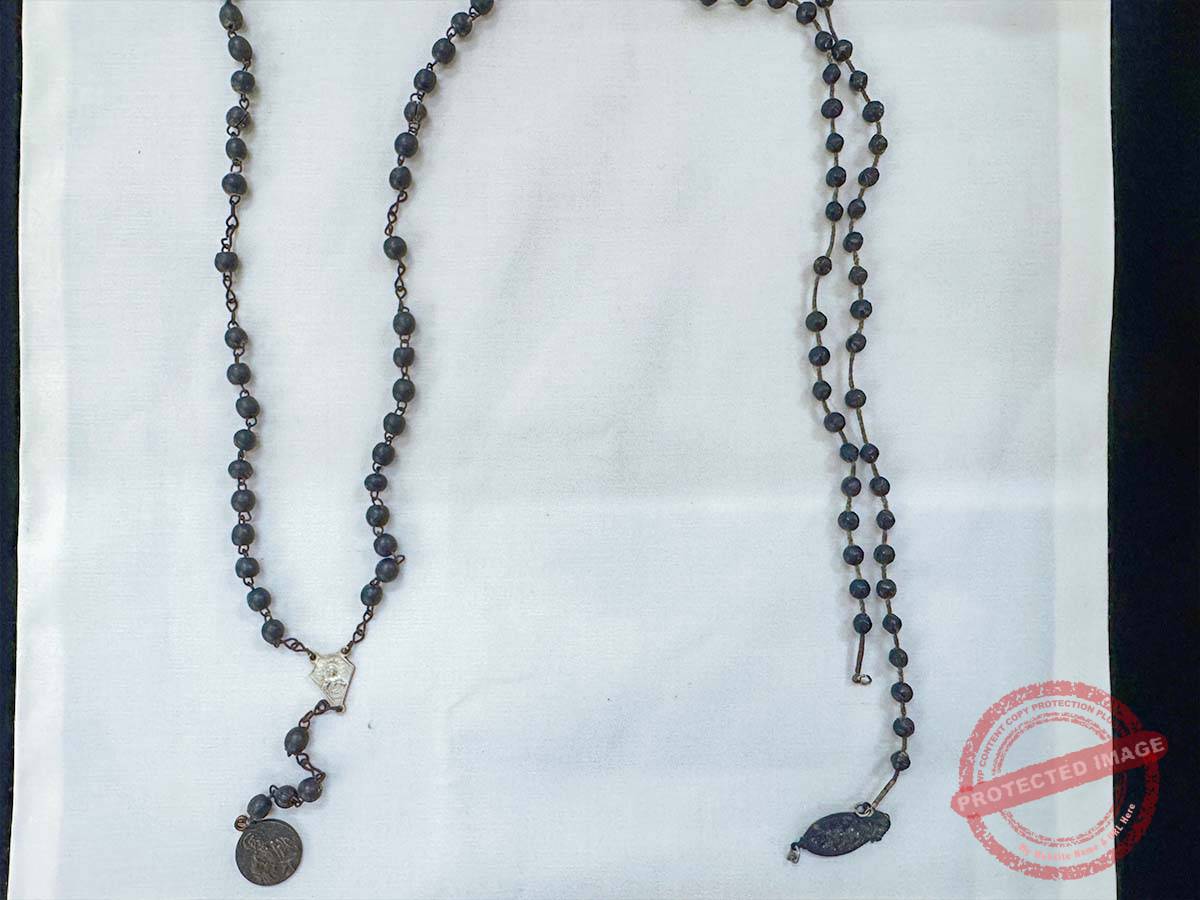
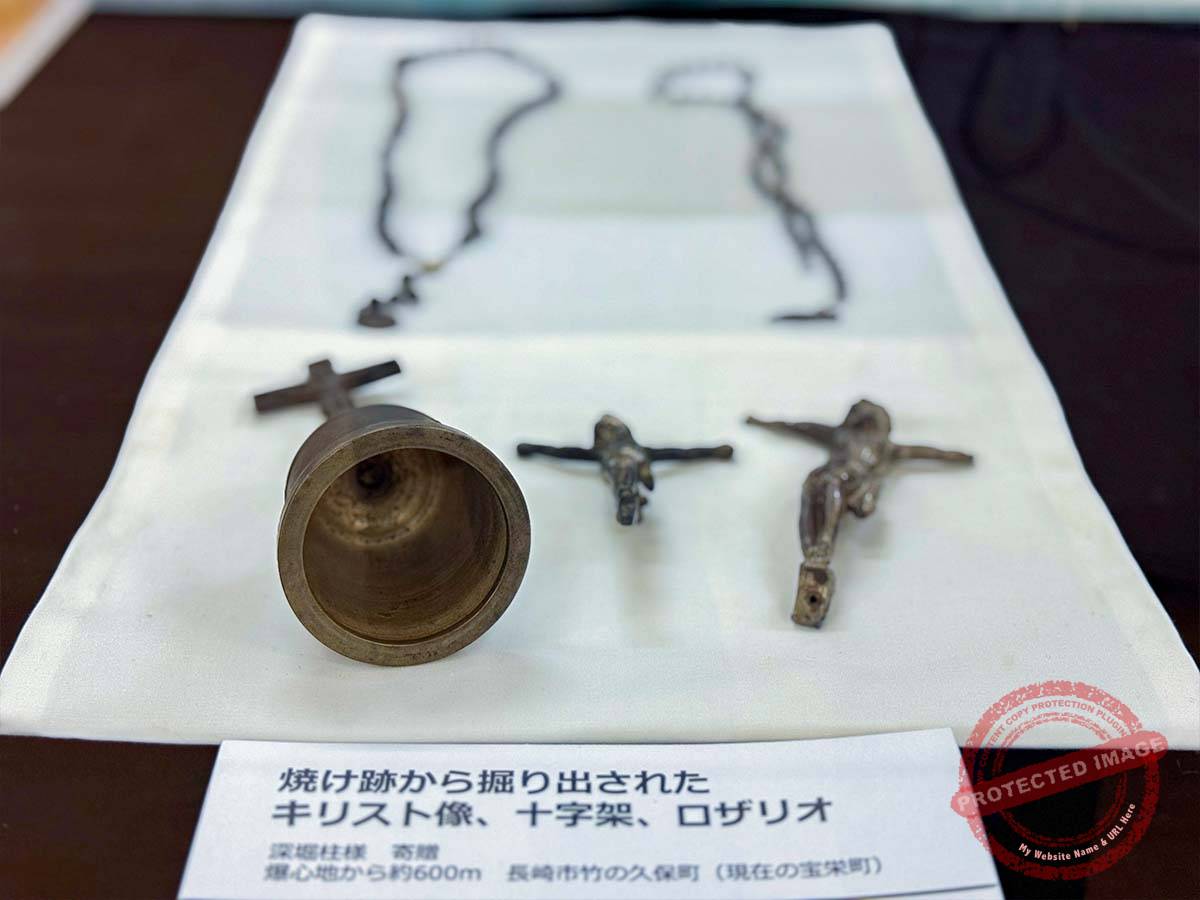
The second half of the museum’s collection addresses the events of August 9, 1945, when the atomic bombing devastated what was then the largest Catholic center in the country. The museum displays recovered personal items and testimonies that document the loss of life and the destruction of the original cathedral. These historical remnants are presented with a restrained tone that emphasizes cultural memory and the preservation of identity rather than theological instruction. The facility also includes a curated selection of publications and a screening area dedicated to documentaries on the history of Christianity in Japan. For the luxury traveler or cultural historian, the museum offers a quiet and reflective environment that complements the larger municipal sites in Nagasaki. It stands as an essential repository of regional heritage, capturing the spirit of a community that has survived through significant historical transitions.