Ukai represents a masterfully preserved tradition of cormorant fishing on the Nagara River, where ancient techniques and imperial heritage converge in a display of rhythmic precision.
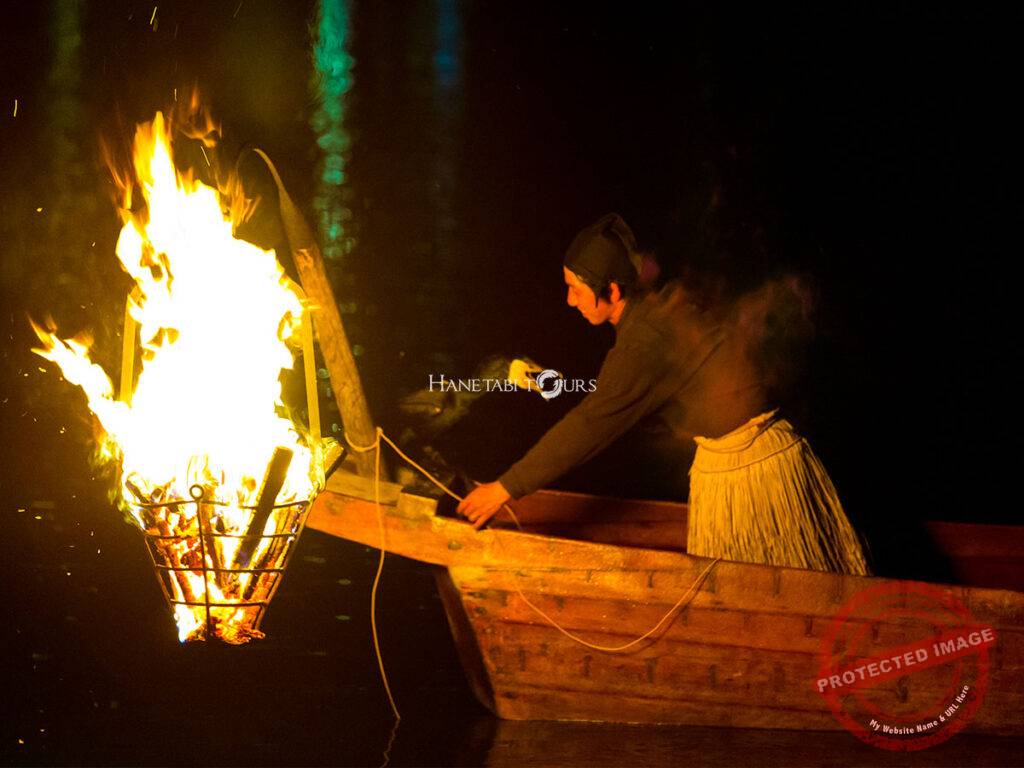
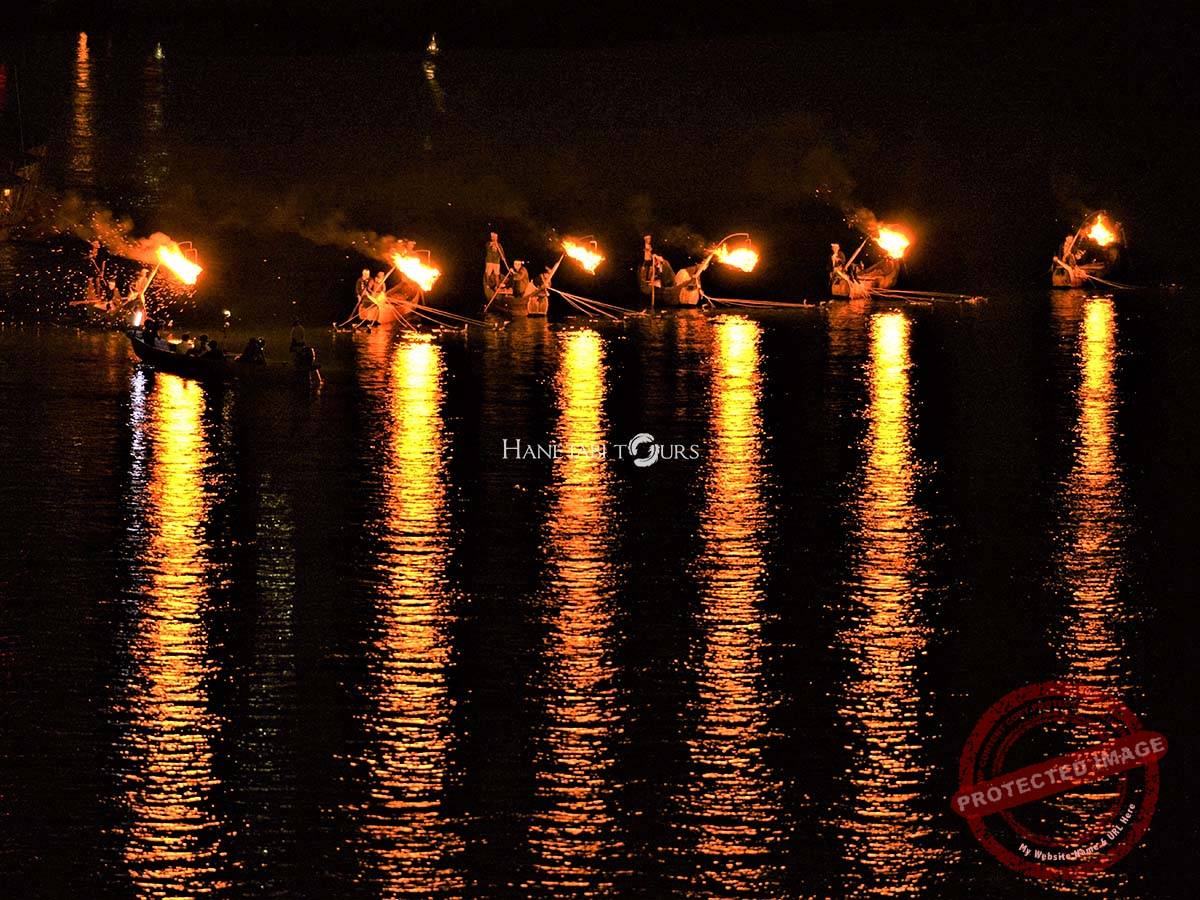
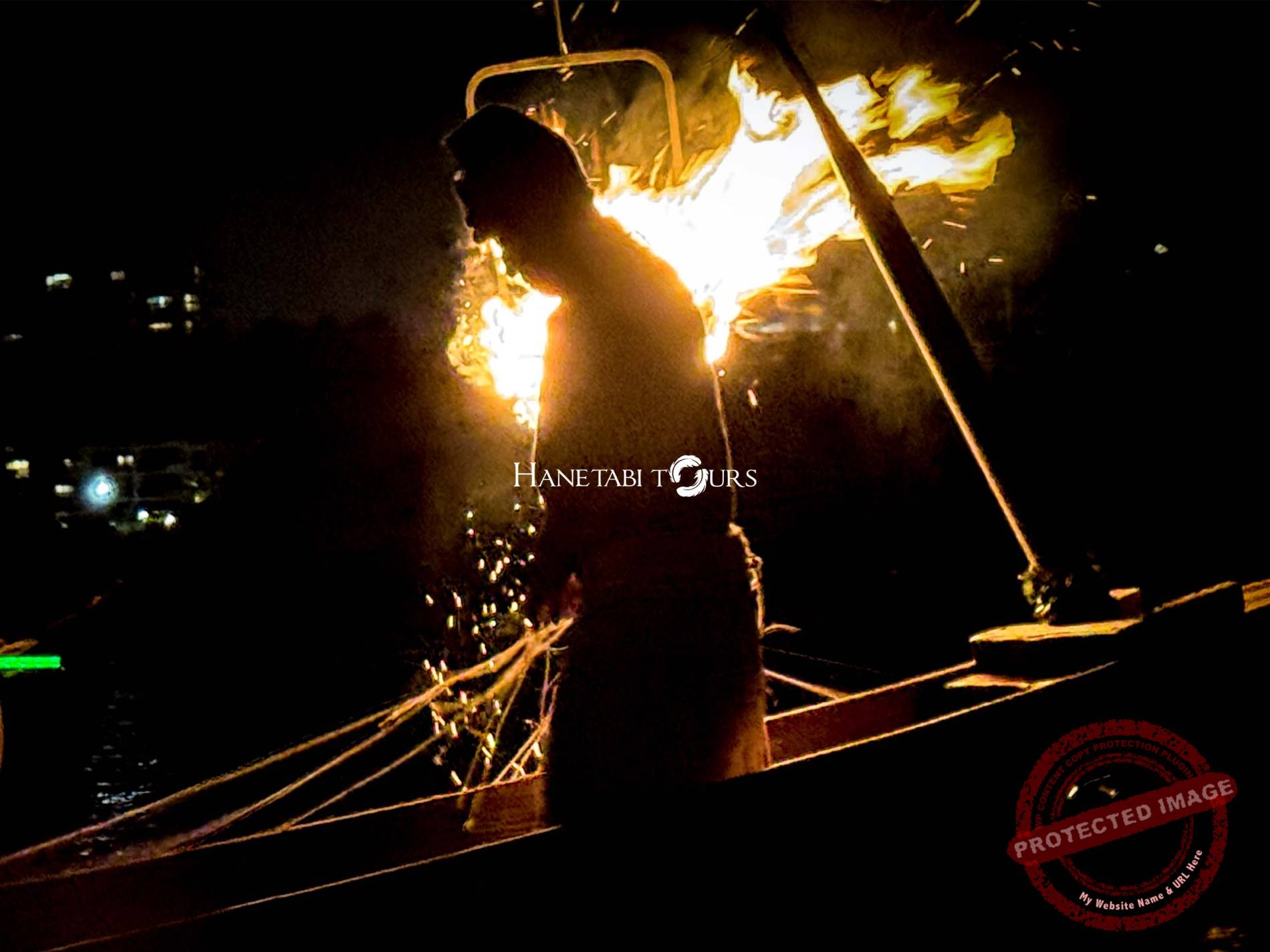
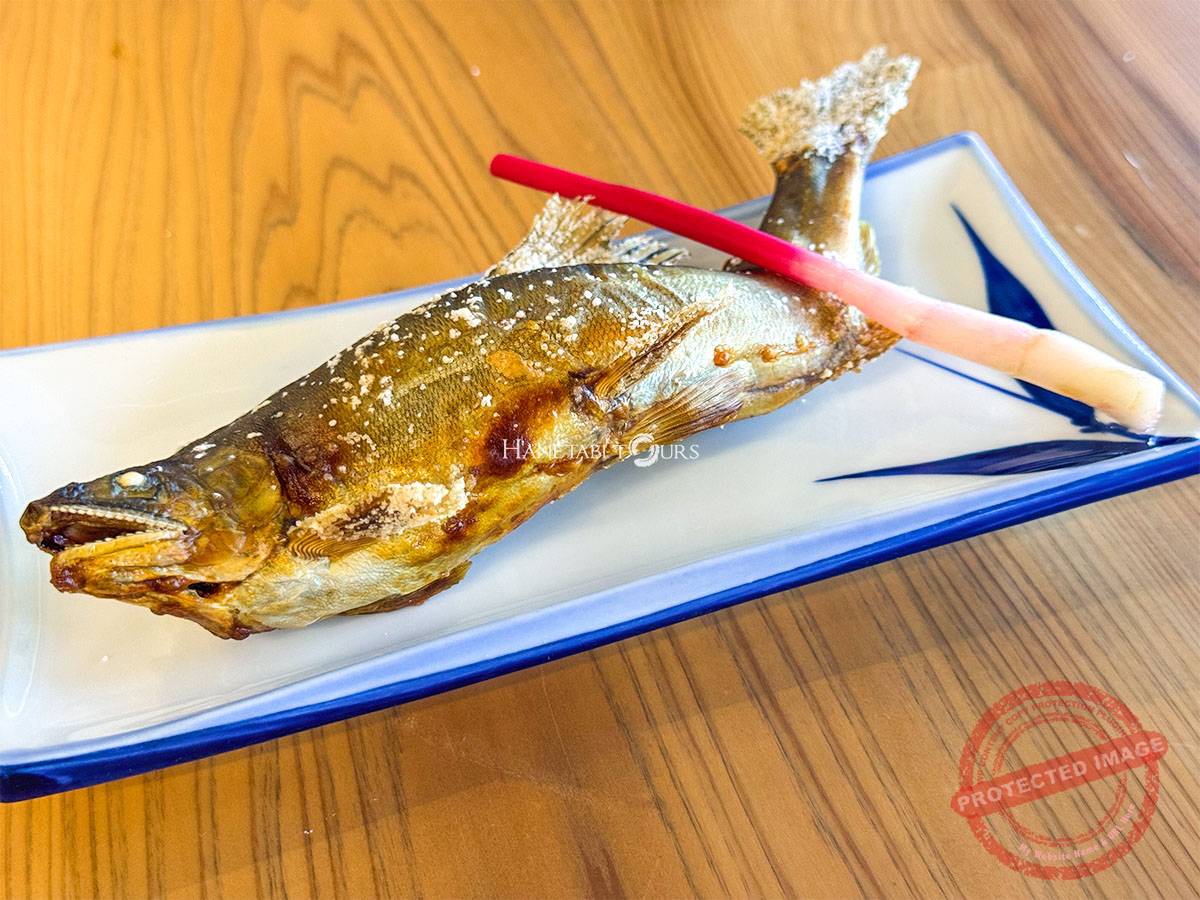
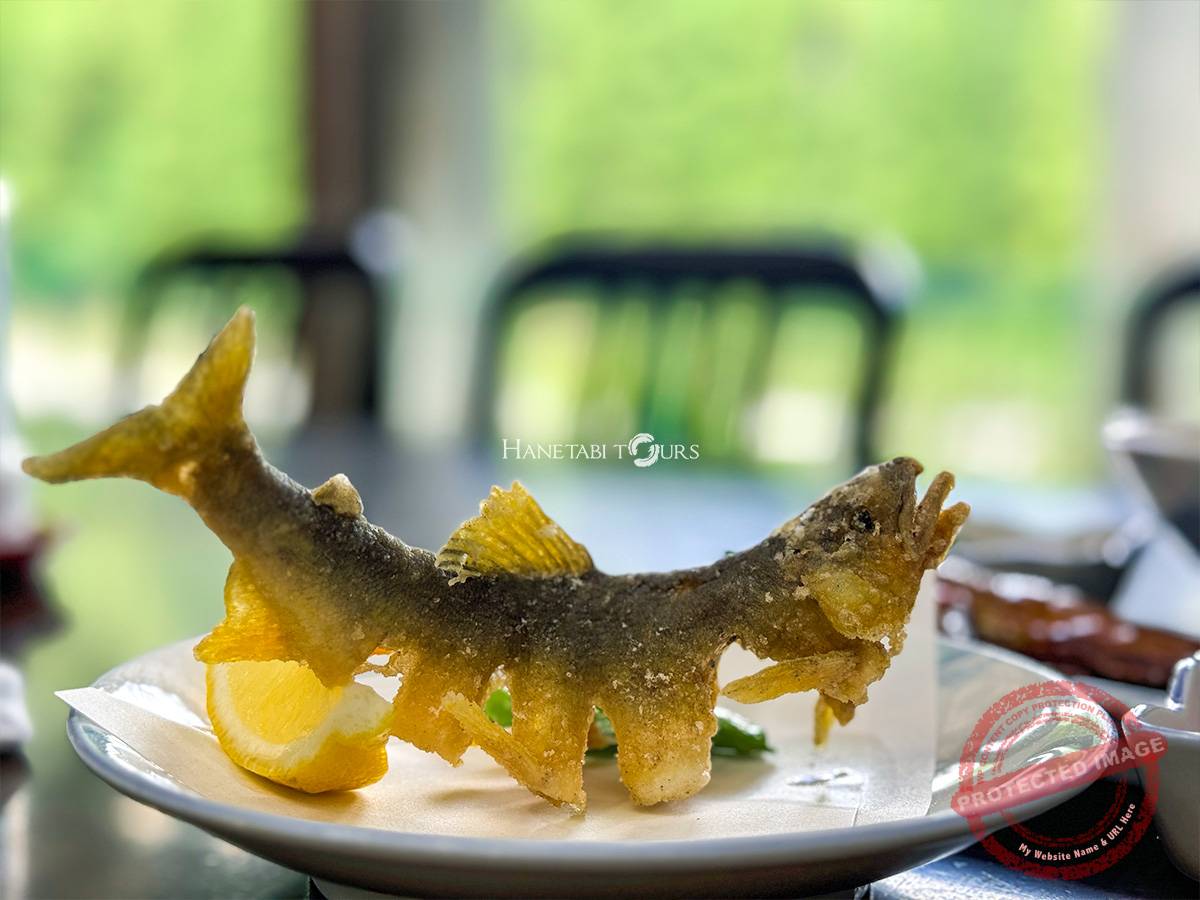
This nocturnal practice in Gifu City maintains a continuous lineage spanning over 1,300 years, originally serving as a form of tribute fishing for the imperial court and high-ranking shogunate officials. The tradition is held annually from mid-May through mid-October, centered on the skilled coordination between the usho, or cormorant master, and his birds. Dressed in traditional ceremonial attire, the master operates from a wooden longboat equipped with a kagari-bi, a suspended iron fire basket. The flames serve to startle the ayu, or sweetfish, while the master expertly manages 10 to 12 cormorants using hand-braided leashes. This interaction requires a high level of dexterity and a deep understanding of the birds’ behavior, as the fish are caught in rapid succession under the glow of the torchlight.
The cultural significance of Ukai is recognized through its protection as an Intangible Folk Cultural Property, reflecting a profound respect for historical continuity. The atmosphere on the river is defined by the sound of the wooden boats and the crackling of the fire against the dark water, creating a sensory experience that feels detached from the modern era. The practice remains a source of regional identity and a testament to the sustainable relationship between the local community and the river ecosystem. For the traveler, witnessing this ritual provides a rare perspective on a craft that has survived largely unchanged since the Nara period. The dignity of the performance and the authenticity of the setting ensure that Ukai remains a definitive example of Japanese heritage and environmental stewardship.