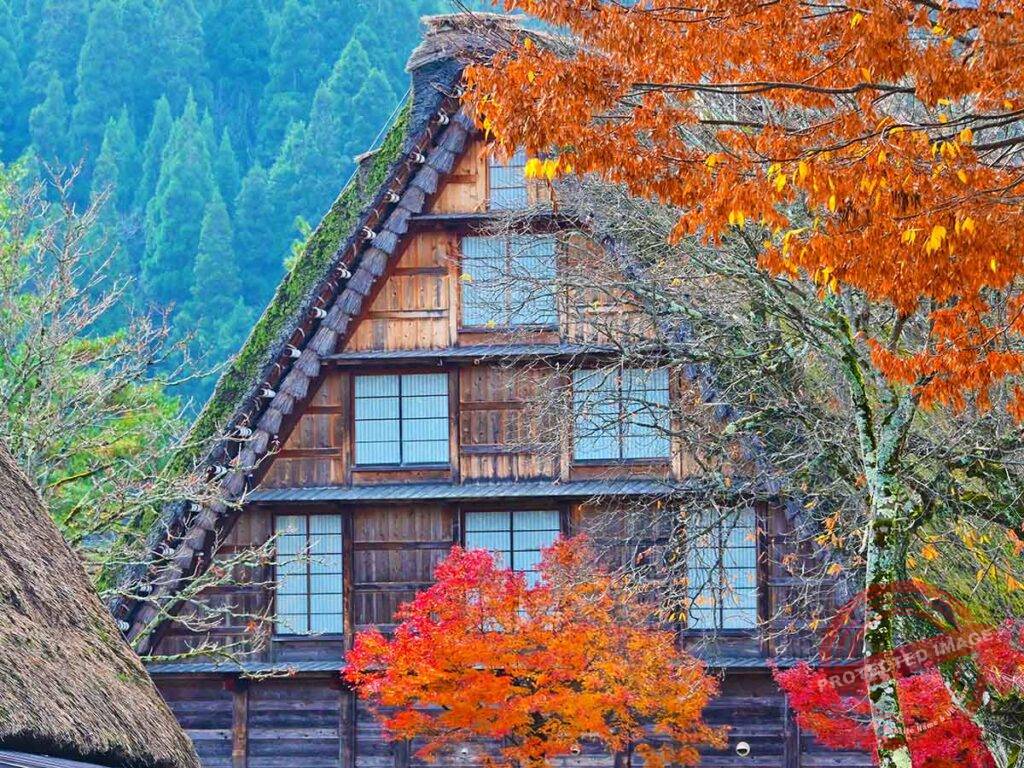
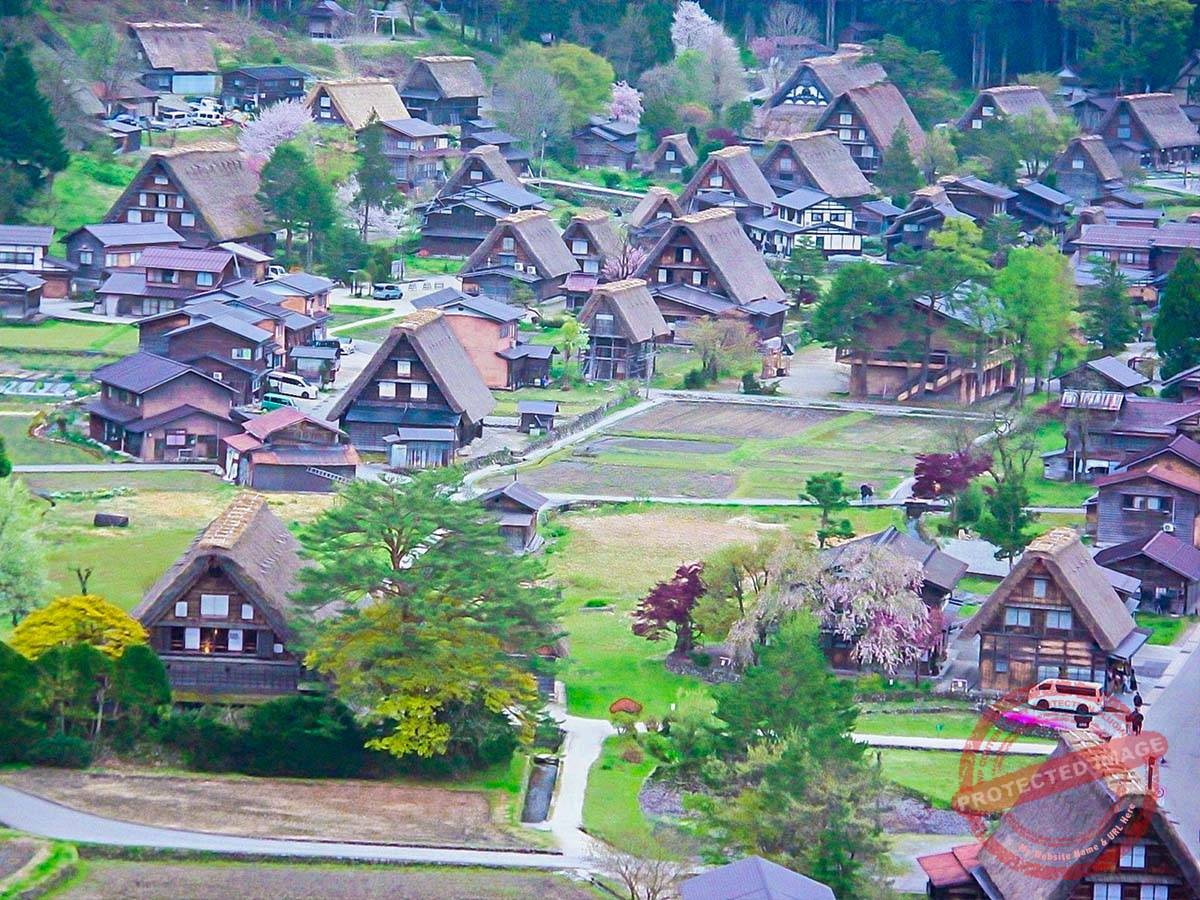
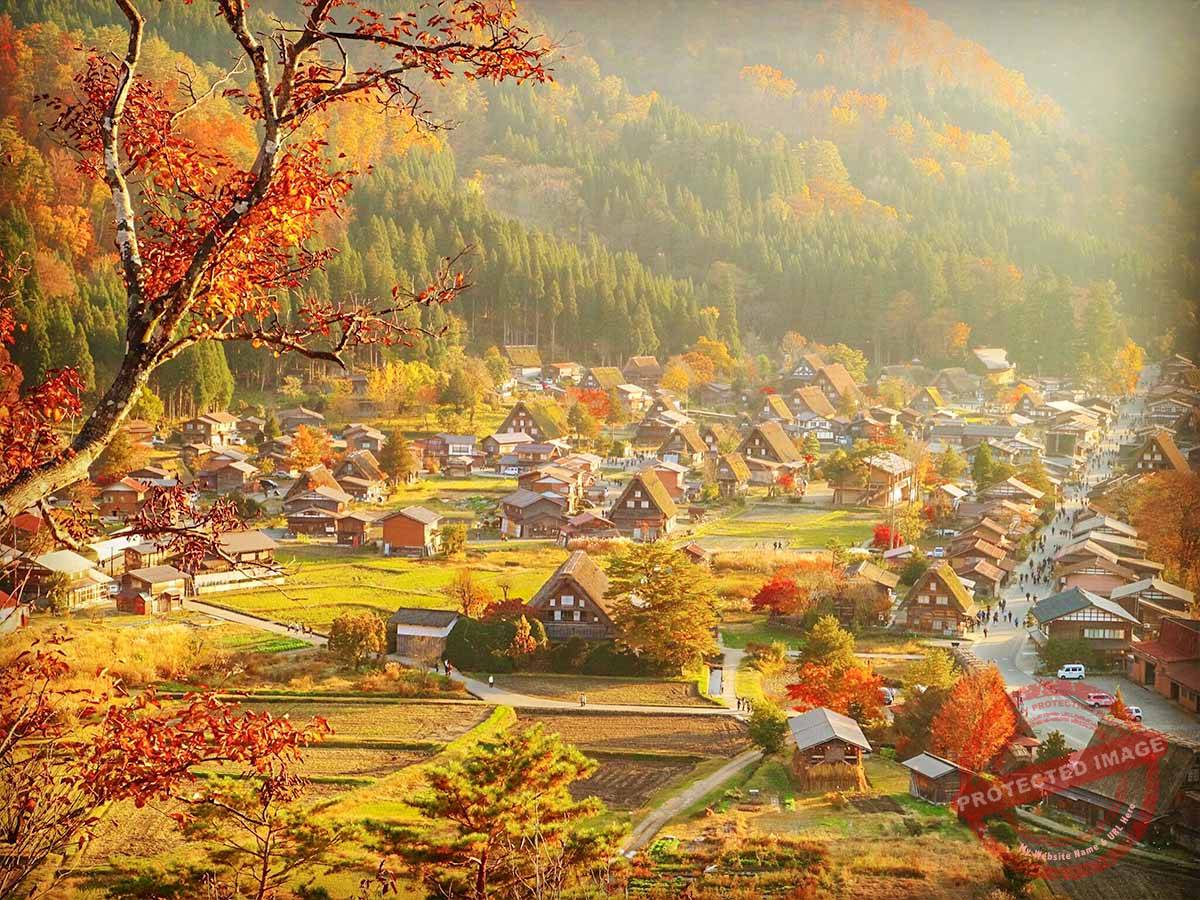
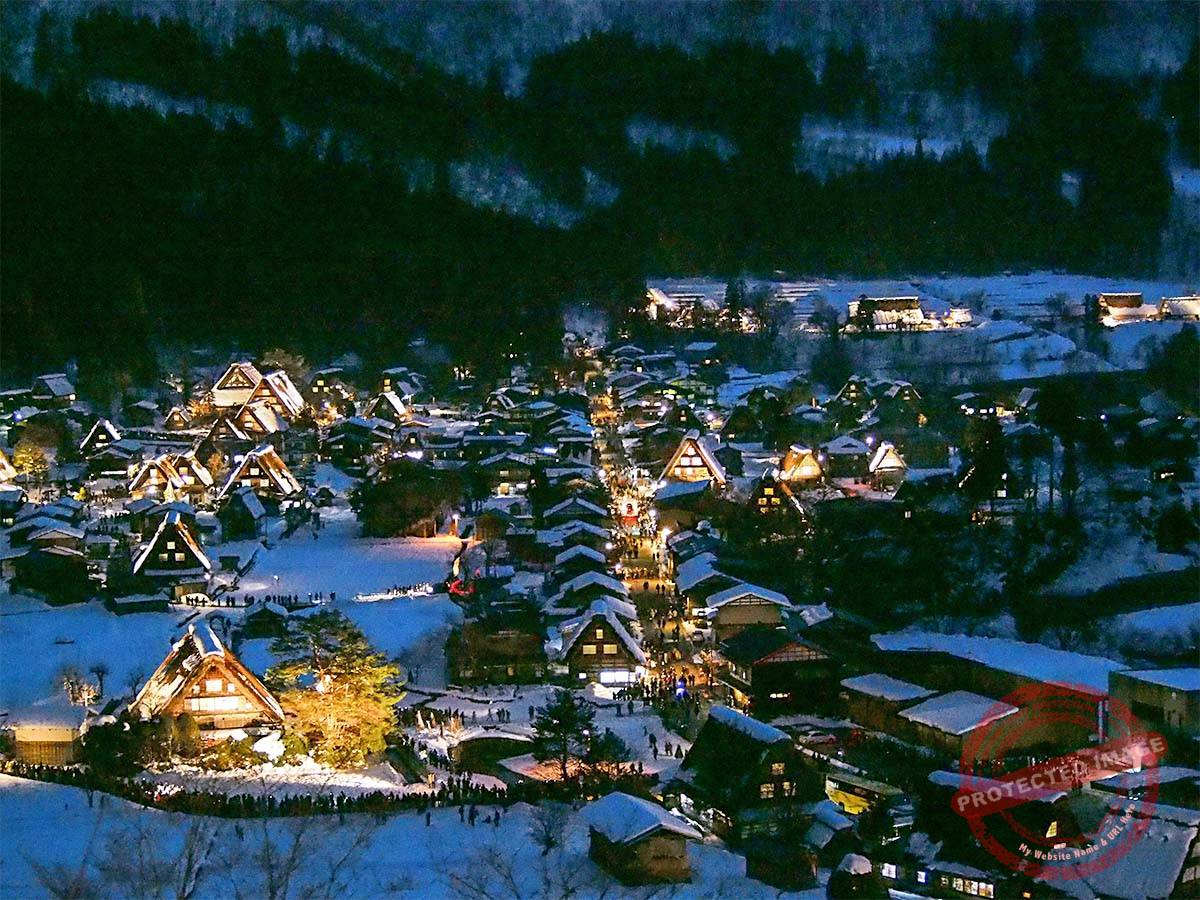
The settlement transitioned into its current form between the seventeenth and nineteenth centuries, though its roots as a remote mountain community extend back to the late medieval period. It is best known for the gassho-zukuri farmhouses, which are characterized by steeply pitched thatched roofs designed to withstand the heavy snowfall of the Gifu region. These structures were built using local timber and coordinated labor without the use of metal nails. The design allowed the attic spaces to be utilized for sericulture, providing a vital economic foundation for the village during the Edo period. In 1995, the village was designated as a UNESCO World Heritage site to honor the authenticity of its construction and the “yui” system of cooperative labor that maintains the massive thatched roofs.
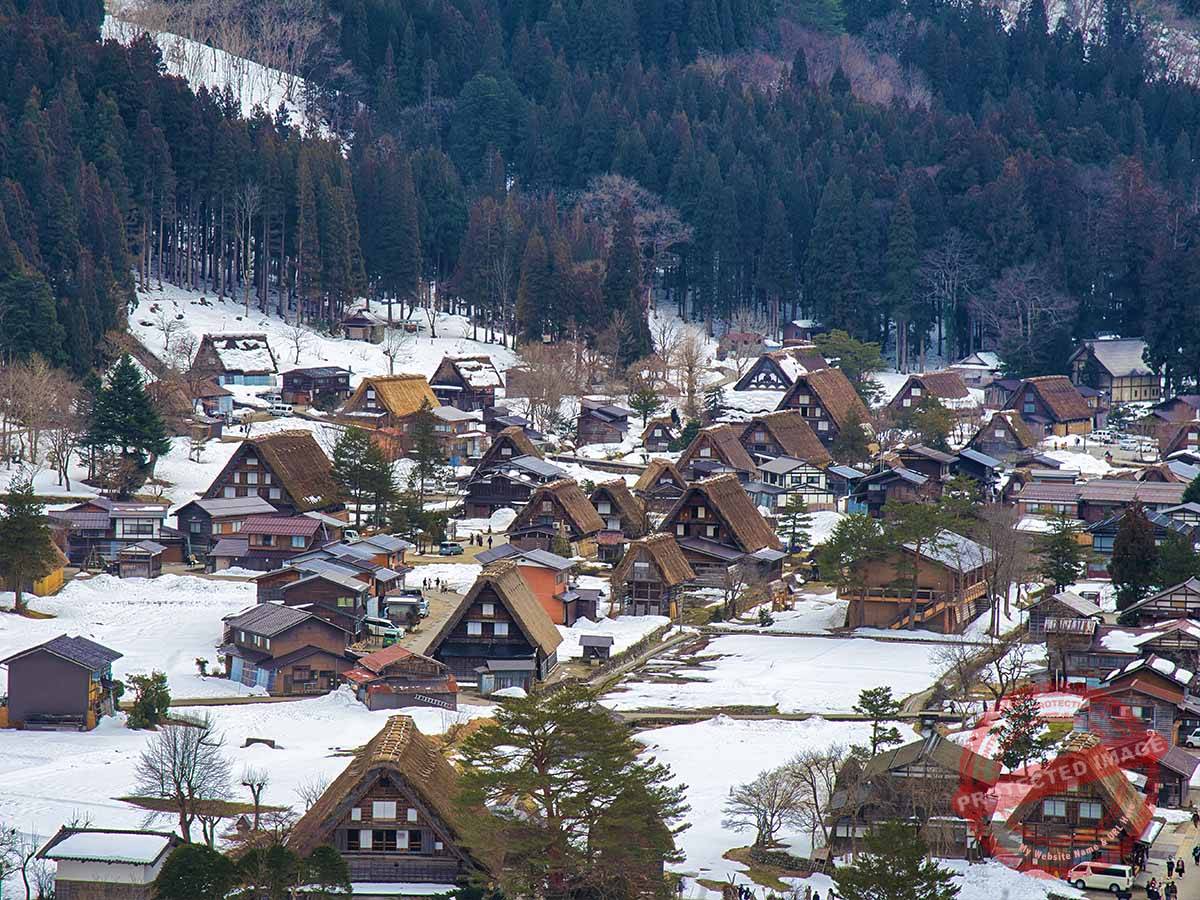
The aesthetic of the village is defined by a deep continuity with the surrounding natural world. The alignment of the houses follows the direction of the wind and sun to manage internal temperatures, demonstrating a sophisticated understanding of the local climate. While the landscape is compelling throughout the year, the winter months offer a particularly serene atmosphere as the thick snow highlights the structural geometry of the thatched roofs. This sense of place is further enriched by the preservation of traditional agricultural plots and water channels that remain in active use. The village stands as a dignified testament to a way of life that prioritizes heritage and the careful stewardship of regional resources. |