Japanese Snow Monkey Park
| The Jigokudani Snow Monkey Park stands as a monumental wildlife sanctuary in the mountains of Yamanouchi, serving as a vital cultural anchor for the study of the Japanese macaque in its natural habitat. |
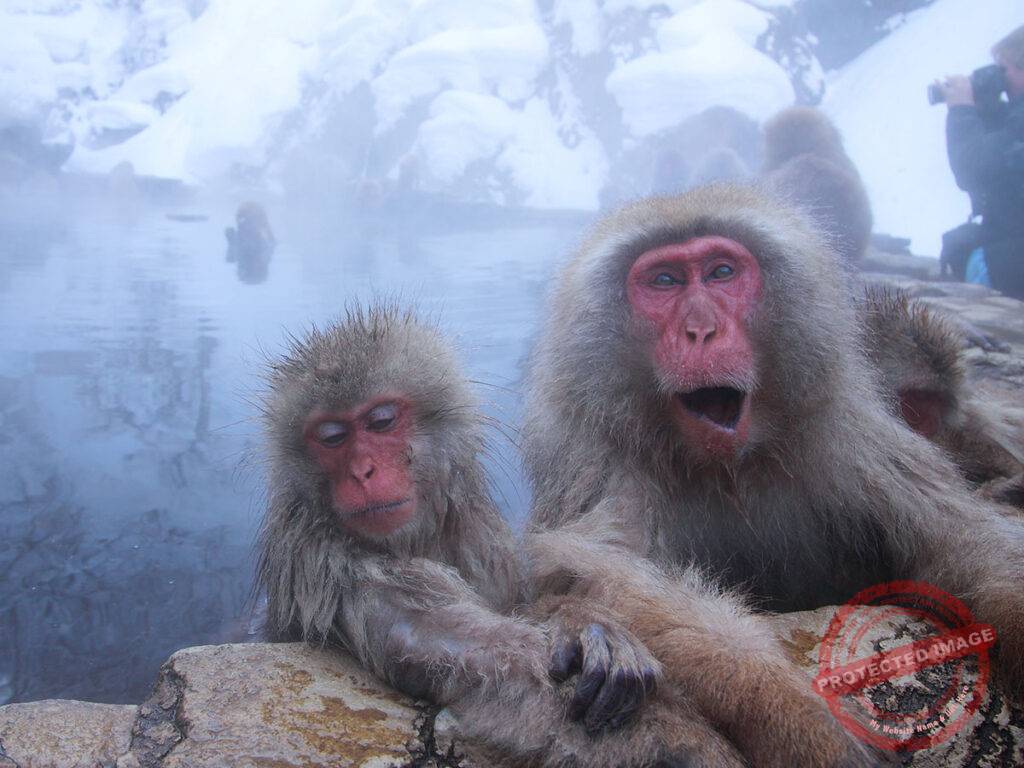
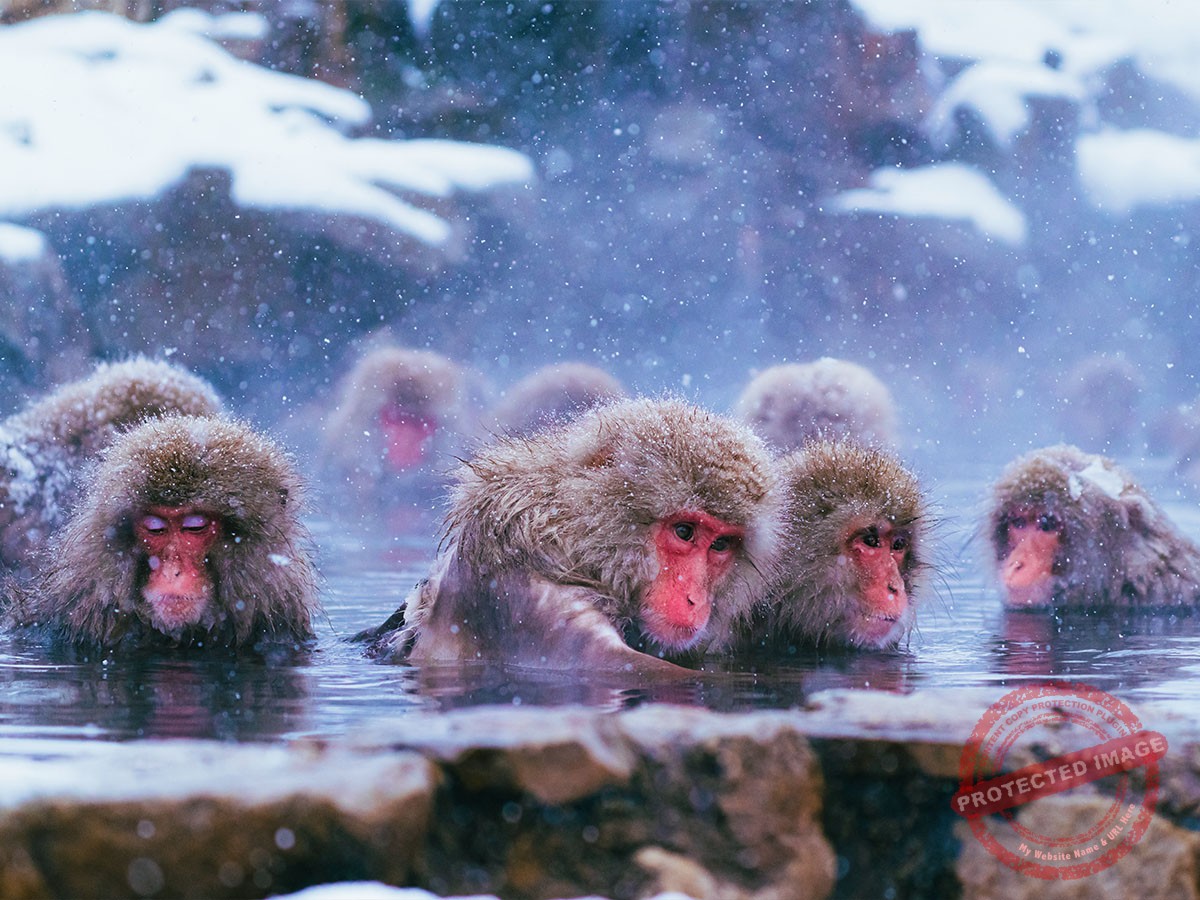
| The park is topographically defined by its location in the Yokoyu River valley, an area of rugged cliffs and steaming geothermal springs that earned the name “Jigokudani” or Hell Valley. The layout is centered on a specialized open-air hot spring bath designed exclusively for the monkeys, which allows visitors to observe their complex social interactions from a disciplined distance without the use of cages or barriers. The craftsmanship of this unique environment is reflected in the way the park wardens have balanced tourism with conservation since 1964. They use a rhythmic feeding schedule to encourage the wild troop to remain in the area while maintaining their foraging instincts. The significance of the park lies in its role as the only place in the world where non-human primates are known to bathe in hot springs. This behavior began when a young macaque observed humans at a nearby inn and was subsequently adopted by the entire troop as a method for surviving the harsh sub-zero temperatures of the Nagano winter. The environment is characterized by a polished sense of natural wonder and quiet observation. This atmosphere is most visually compelling between December and March, when the valley is blanketed in deep snow and the macaques exhibit peaceful, meditative expressions while soaking in the steaming water. The sensory experience is defined by the sharp contrast of the cold mountain air and the warmth of the rising volcanic steam. For the luxury and heritage traveler, the Japanese Snow Monkey Park provides a composed and intellectually rewarding environment that captures the intersection of regional ecology and behavioral science. The atmosphere is one of disciplined respect for the wild. The site offers a definitive location to witness the strict social hierarchy of the troop, from the protective maternal bonds to the authoritative presence of the alpha male. It remains a premiere destination for those seeking to engage with the unique biological heritage of Japan’s northern highlands. The site stands as a polished witness to the adaptability of wildlife in one of the most demanding climates on earth. |