
Matsumoto Castle
| Matsumoto Castle stands as a monumental defensive masterpiece in Nagano Prefecture, serving as a vital cultural anchor and one of the few original castles remaining in Japan. |
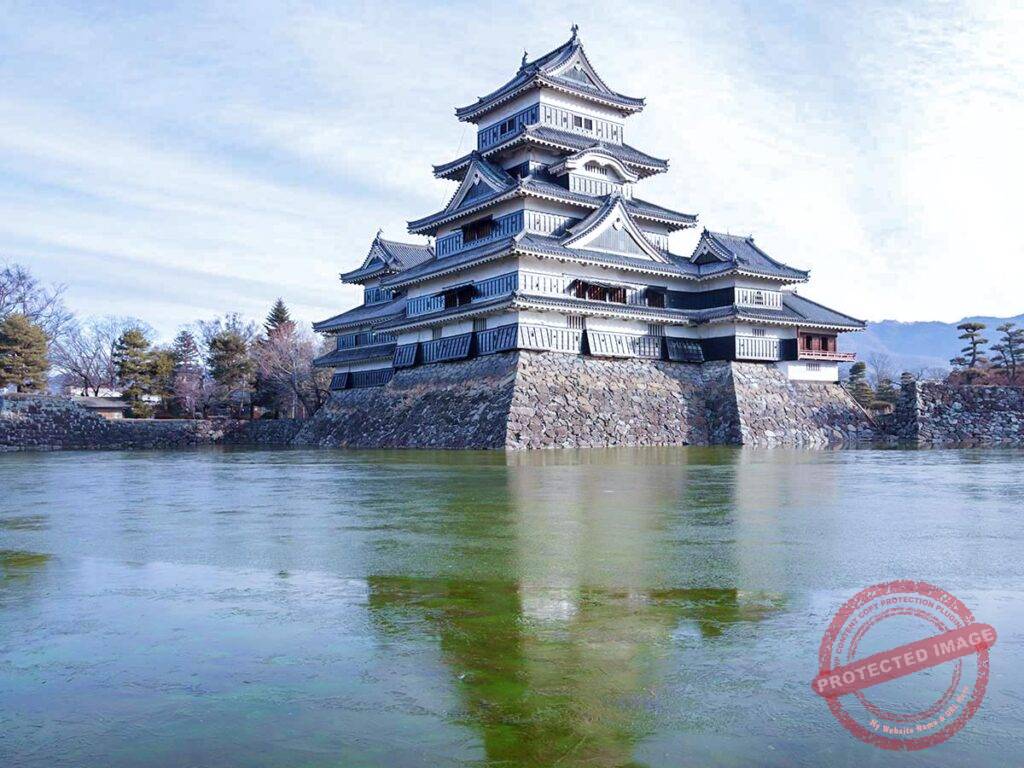
| The fortress is architecturally defined by its unique “hirajiro” or flatland construction, standing on a plain rather than a hilltop or mountain. It is most famously characterized by its striking black-lacquered exterior, earning it the authoritative nickname “Crow Castle”. This color choice was not merely aesthetic but served a practical purpose during the sixteenth century, as the lacquer provided essential weatherproofing for the wooden structure. The layout is a complex and disciplined arrangement of six stories, including a hidden floor that was invisible from the outside to deceive enemy forces. The craftsmanship of the castle is reflected in the original timber frames and the steep, narrow staircases that were designed to slow down any potential invaders. The significance of the castle lies in its status as a National Treasure of Japan and its rare survival of the original keep. The environment is characterized by a polished sense of strength and historical continuity. This atmosphere is most visually compelling during the winter or spring months when the black walls create a rhythmic contrast with the white snow or the pink cherry blossoms of the surrounding park. The sensory experience is defined by the panoramic views of the Japan Alps from the top floor and the absolute stillness of the broad moats that reflect the structure’s silhouette. The site also includes the Moon-Viewing Wing, an elegant addition from the peaceful Edo period that demonstrates a shift from military necessity to cultural refinement. For the luxury and heritage traveler, Matsumoto Castle provides a composed and intellectually rewarding environment that captures the intersection of Sengoku-era warfare and architectural ingenuity. The atmosphere is one of disciplined majesty. The site offers a definitive location to witness authentic feudal-era defensive features such as “ishi-otoshi” openings for dropping stones and “sama” holes for archers and gunmen. It remains a premiere destination for those seeking to understand the architectural evolution of the Japanese fortress. The site stands as a polished witness to the enduring legacy of the samurai clans that governed the Matsumoto valley. |