Amazake Chaya
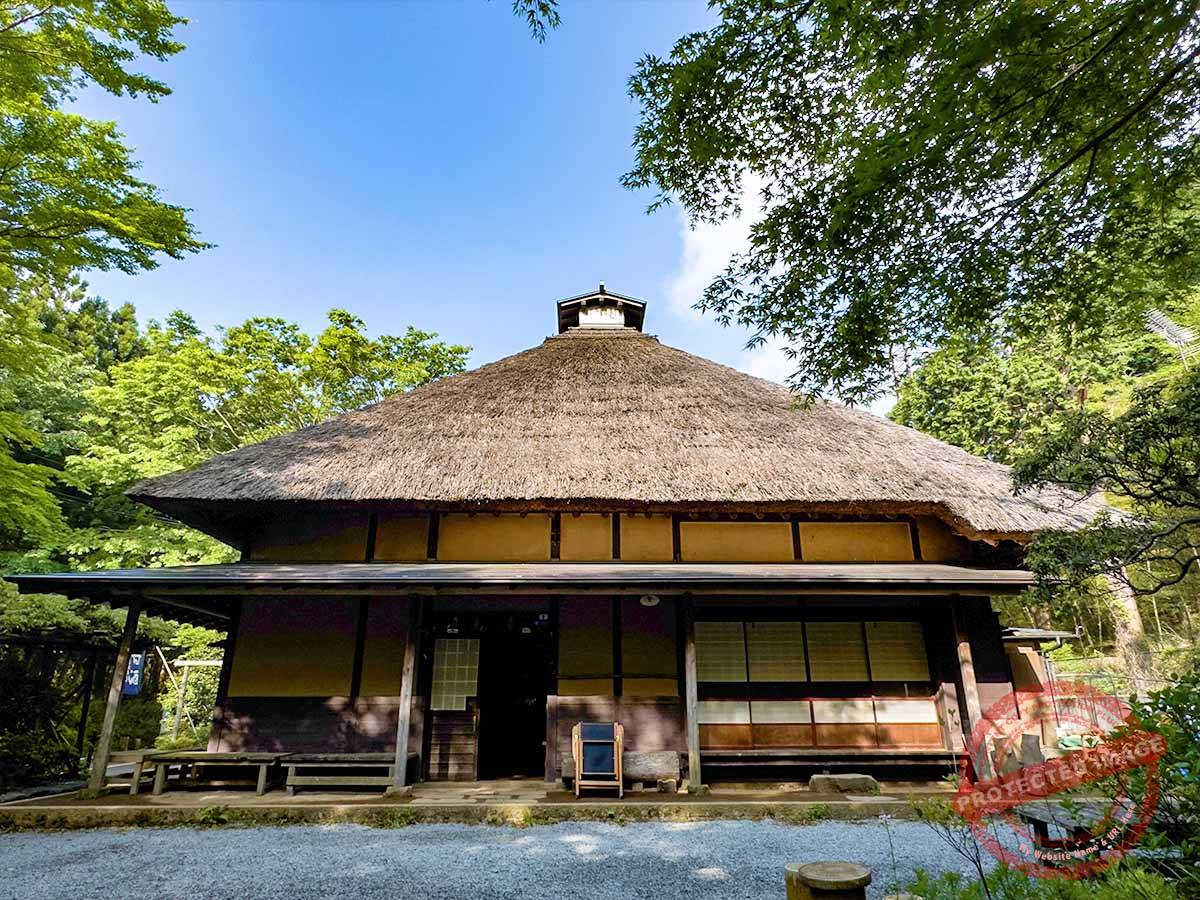
| Amazake Chaya stands as a monumental roadside sanctuary along the ancient Hakone Hachigiri section of the Tokaido, serving as a vital cultural anchor for those tracing the historical path between Kyoto and Edo. |
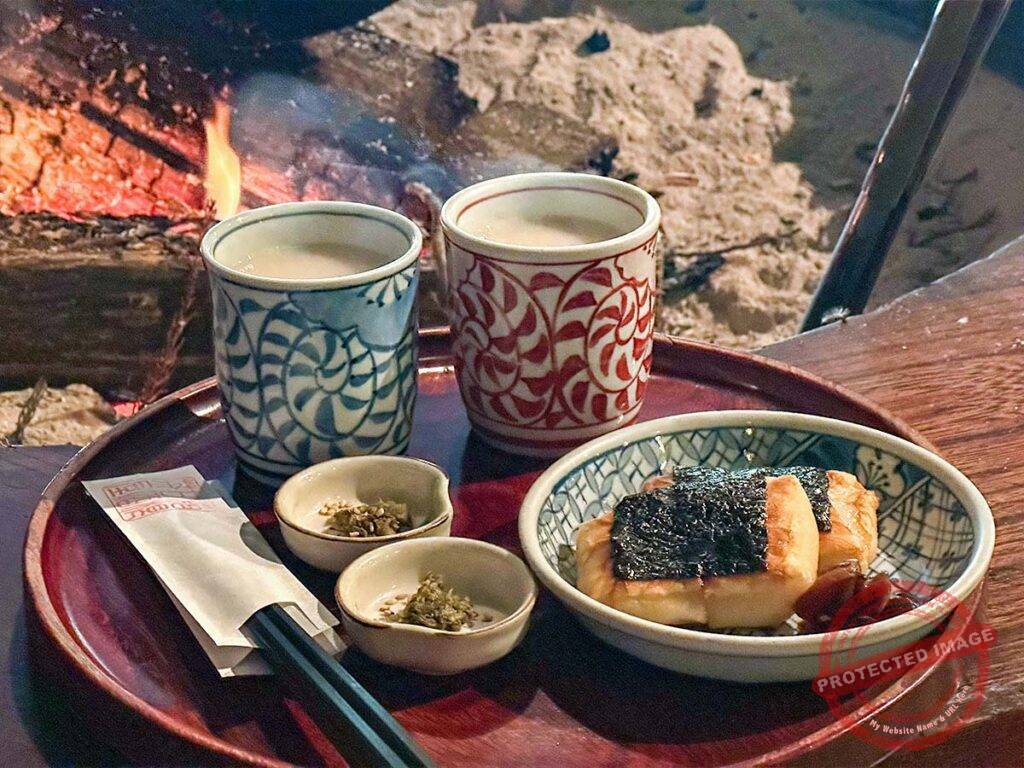
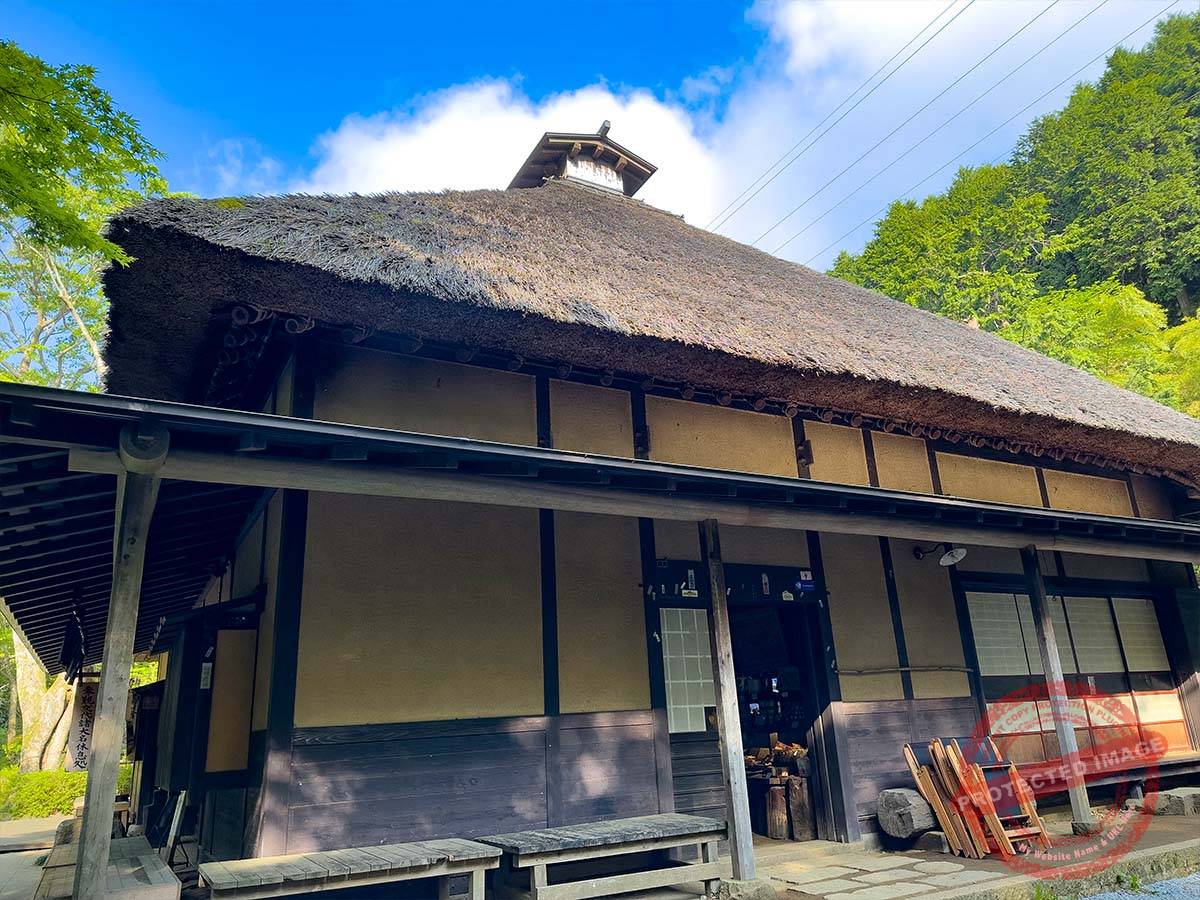
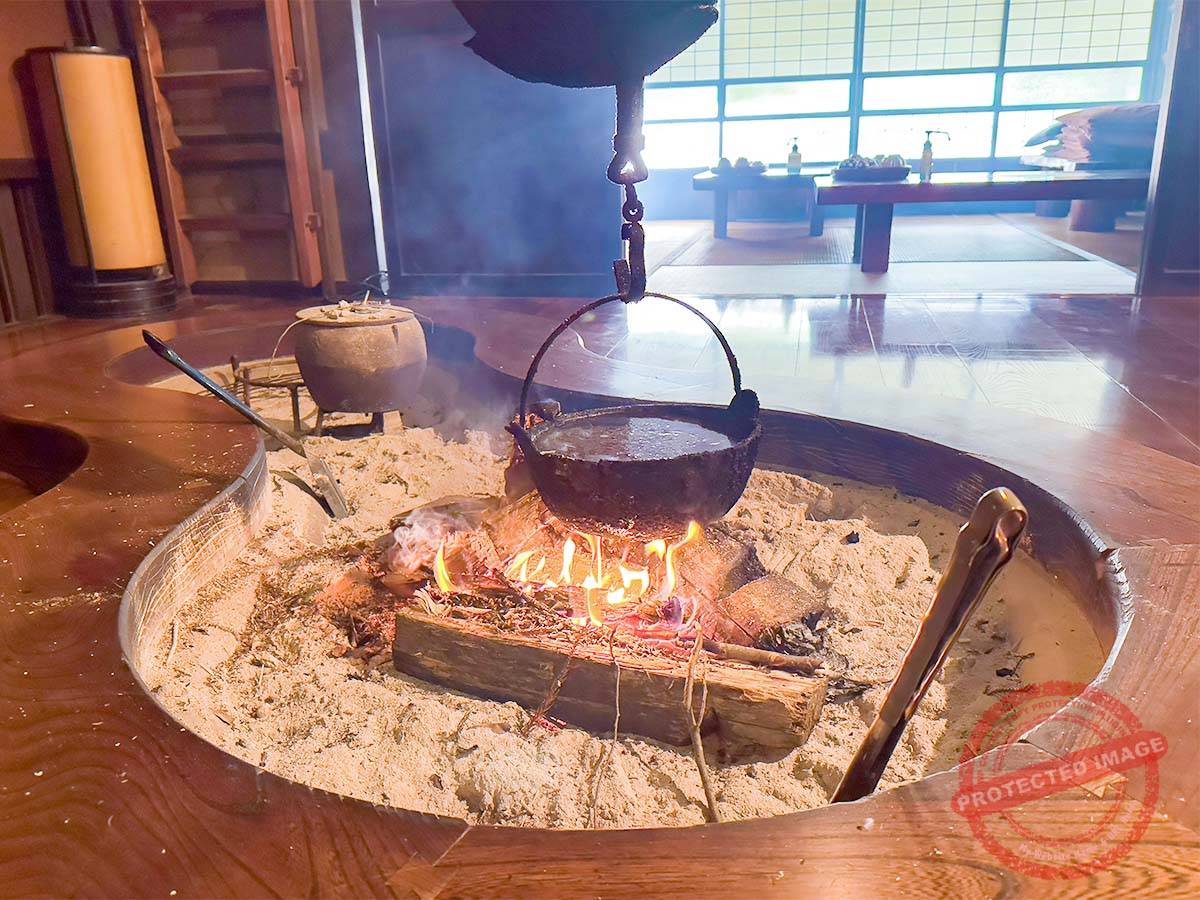
| The teahouse is architecturally defined by its traditional thatched roof and heavy timber frame, which evoke the disciplined atmosphere of a seventeenth-century rest station. The interior layout remains intentionally rustic, featuring dirt floors, low wooden benches, and an open “irori” hearth that provides both warmth and a focal point for weary travelers. This environment is characterized by a polished sense of continuity. The current proprietor represents the thirteenth generation of the Yamamoto family to maintain the site. The craftsmanship of their hospitality is centered on a signature recipe that has remained unchanged for over four centuries. This additive-free “amazake” is an authoritative regional staple, brewed using only locally grown non-glutinous rice and rice malt to produce a naturally sweet, non-alcoholic beverage. The significance of the establishment lies in its survival as one of the few remaining original teahouses on the Tokaido. The environment is characterized by a polished sense of stillness and historical gravity. This atmosphere is most visually compelling in the early morning or late afternoon when light filters through the cedar trees of the surrounding Hakone mountains, illuminating the rising steam from the tea bowls. The sensory experience is defined by the aroma of roasting charcoal and the chewy texture of “chikara-mochi” or power rice cakes, which are traditionally toasted over the hearth and served with soybean flour or black sesame. For the luxury and heritage traveler, Amazake Chaya provides a composed and intellectually rewarding environment that captures the intersection of culinary history and the endurance of Japanese folkways. The atmosphere is one of disciplined simplicity. The facility offers a definitive location to experience the “omotenashi” or hospitality that once sustained samurai and commoners alike as they navigated the steep mountain passes. It remains a premiere destination for those seeking an authentic encounter with the rhythms of the old highway. The site stands as a polished witness to the enduring power of simple, honest ingredients to bridge the gap between the past and the present. |