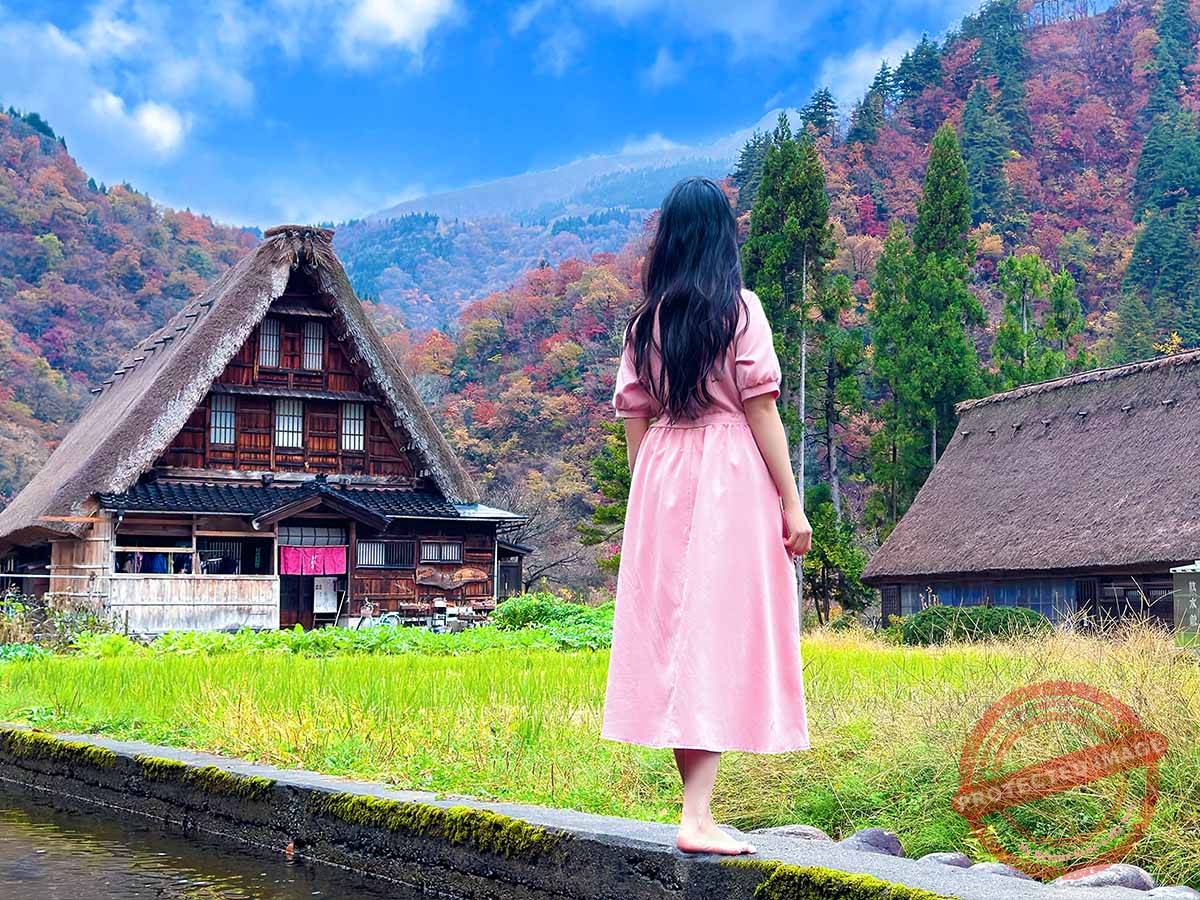
Gassho-zukuri Village in Gokayama
| The Gassho-style Houses in Gokayama stand as a monumental architectural sanctuary in the deep mountains of Toyama Prefecture, serving as a vital cultural anchor and a UNESCO World Heritage site alongside its neighbor, Shirakawa-go. |
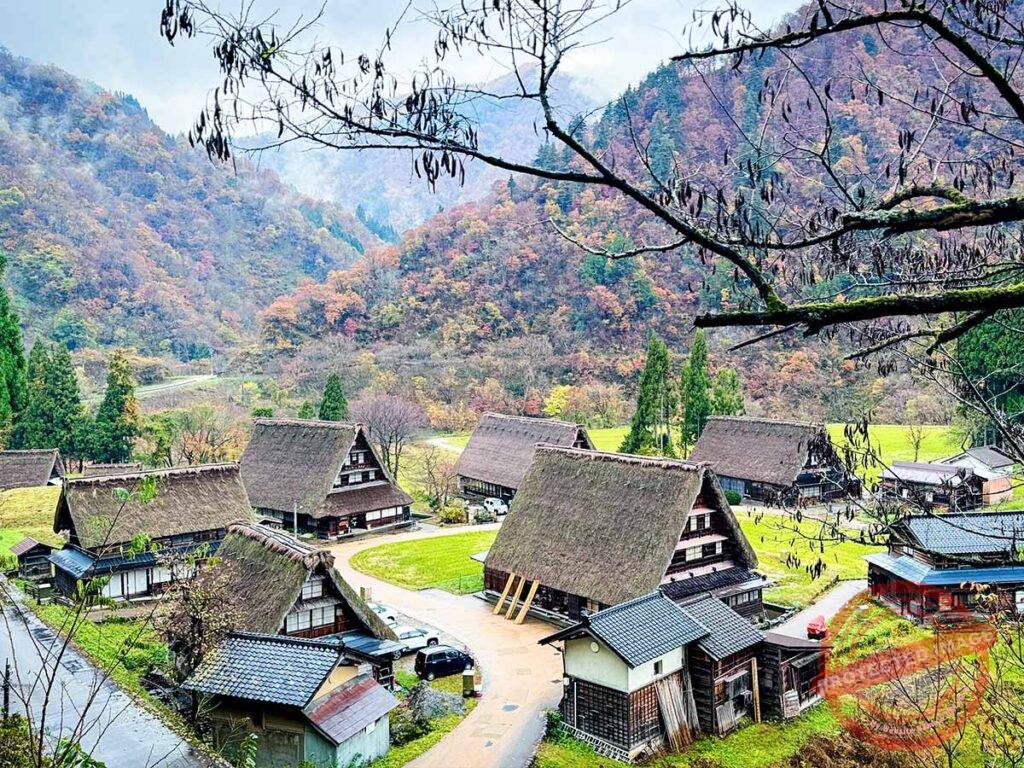
| The village is topographically defined by its isolation within a narrow river valley, where steep terrain and heavy winter snowfall dictated the evolution of the “gassho-zukuri” or prayer-hands construction. These houses are architecturally characterized by their massive, steeply pitched thatched roofs designed to shed immense volumes of snow. The layout of the village incorporates terraced rice fields, ancient stone walls, and “yukiyoke-rin” or snow-holding forests that provide an authoritative defense against avalanches. The craftsmanship required to maintain these structures involves a communal system of labor known as “yui”, where the entire village collaborates to replace the thick layers of pampas grass on the roofs. The significance of Gokayama lies in its preservation of a way of life that remained largely unchanged for centuries. The environment is characterized by a polished sense of stillness and historical continuity. This atmosphere is most visually compelling during the winter months when the village is buried in deep snow and the houses are illuminated at night, creating a landscape that appears frozen in time. The presence of traditional industries, such as the production of “washi” paper and the cultivation of medicinal herbs, underscores the site’s self-sufficient heritage. The sensory experience is defined by the absolute silence of the mountain air and the rhythmic sound of the Sho River. For the luxury and heritage traveler, the Gassho-style Village in Gokayama provides a composed and intellectually rewarding environment that captures the intersection of extreme climate and architectural ingenuity. The atmosphere is one of elevated stillness. The village offers a definitive location to witness the resilience of human communities in the face of harsh natural conditions. It remains a premiere destination for those seeking an authentic and less crowded alternative to more commercialized heritage sites. The site stands as a polished witness to the enduring beauty of Japan’s rural mountain culture. |