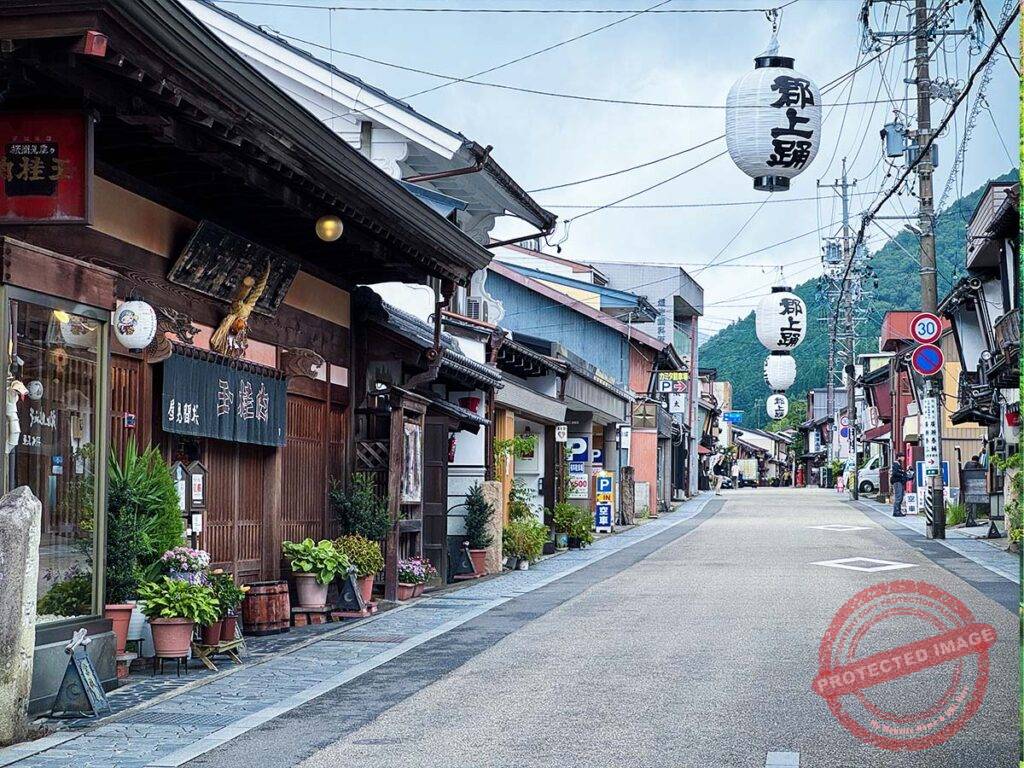
Gujo Hachiman Artisan Town stands as a monumental cultural anchor in Gifu Prefecture, serving as an authoritative portrait of a castle town where Edo-period urban planning and traditional craftsmanship remain integral to daily life.
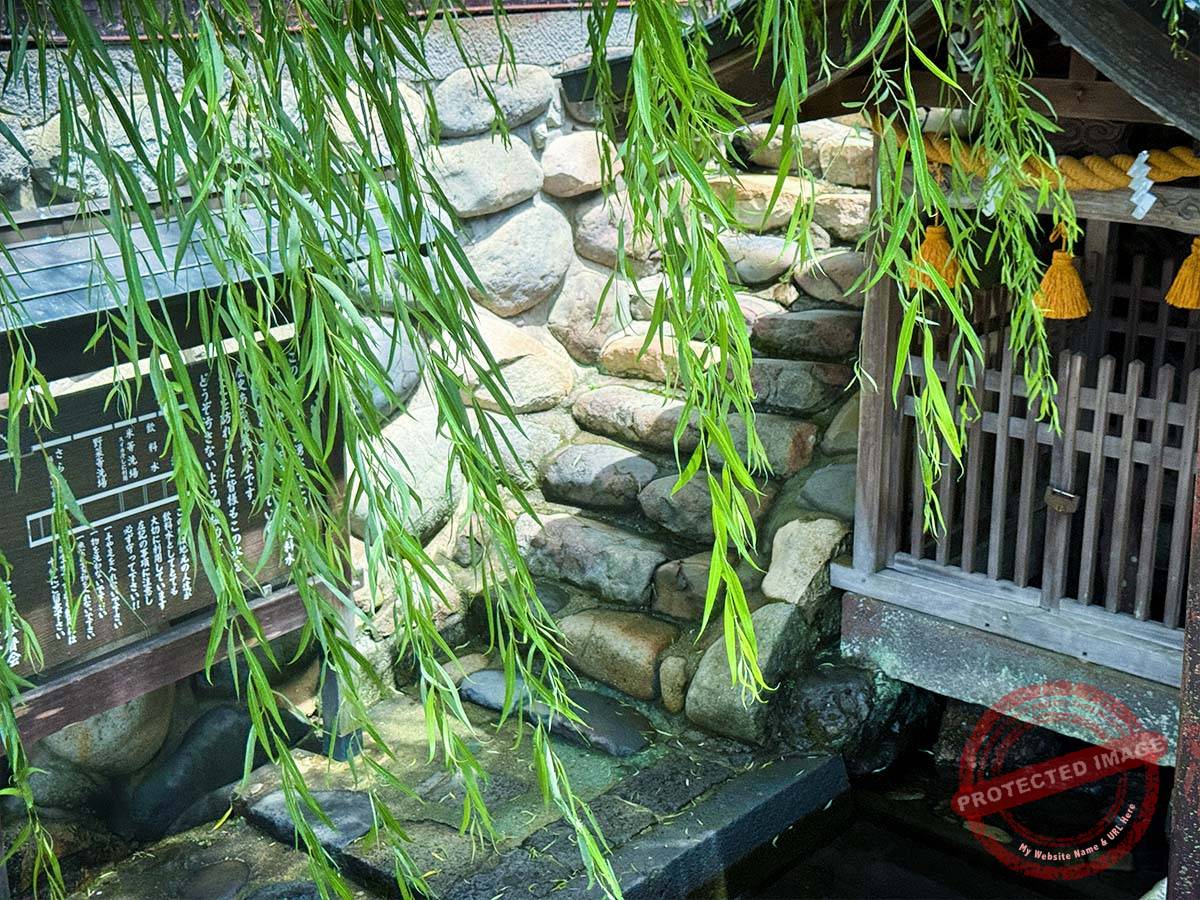
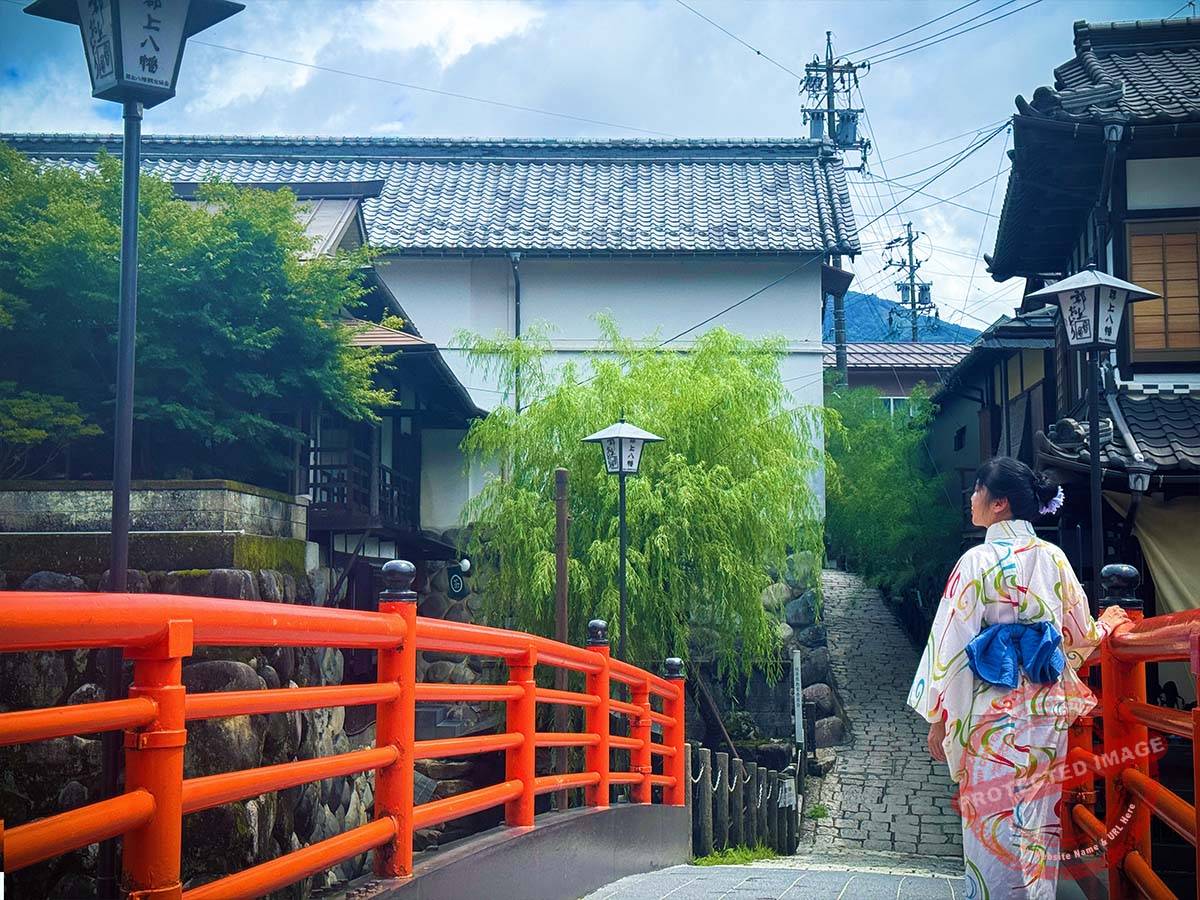
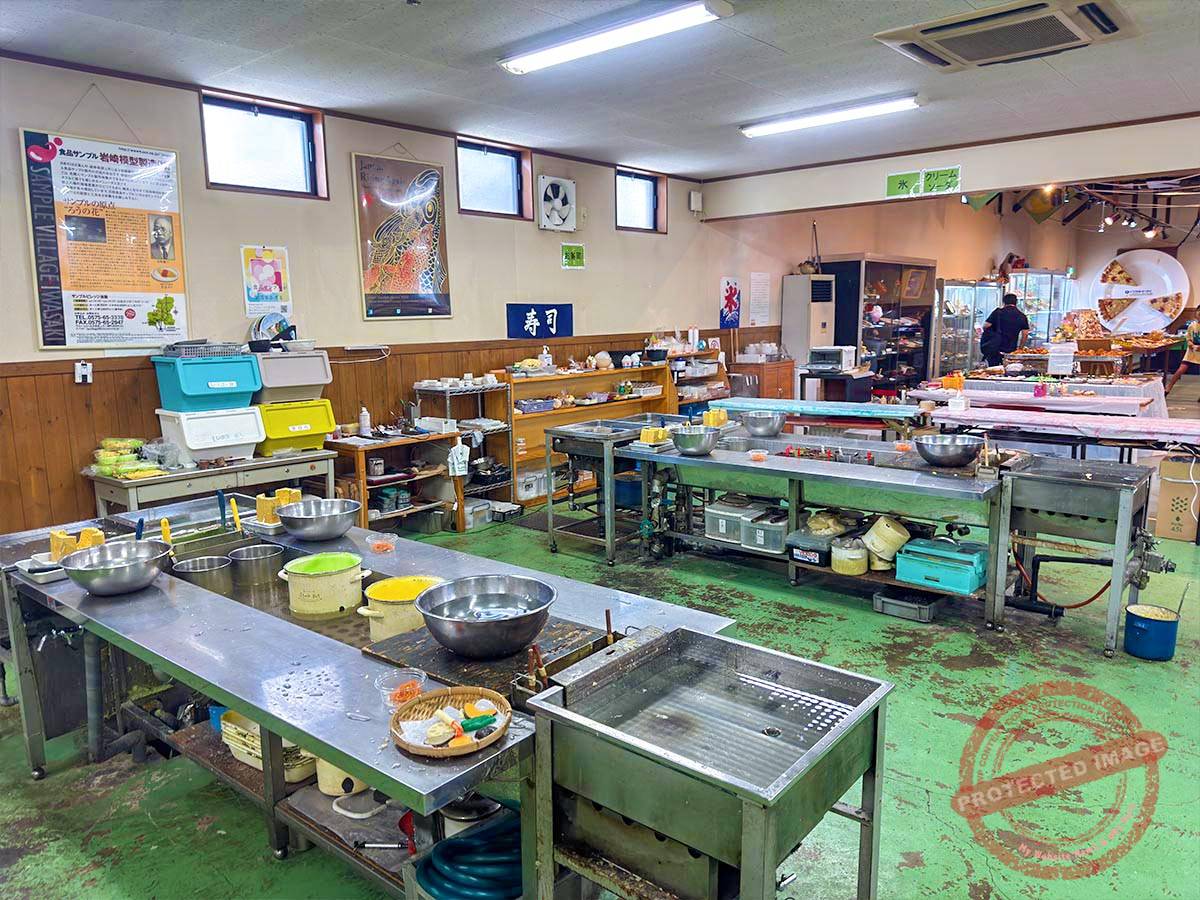
The district is architecturally and topographically defined by its “Machiya” style townhouses, which feature intricate lattice fronts and a rhythmic grid layout that dates back centuries. A defining characteristic of the town is its sophisticated network of waterways and stone gutters, which were originally engineered for fire prevention and household use. The craftsmanship of the region is reflected in the numerous artisan workshops that line the narrow streets, specializing in traditional skills such as indigo dyeing and the production of food replicas.
The environment is characterized by a polished sense of continuity and the constant sound of flowing water. This atmosphere is most visually compelling during the summer months. At this time, the town becomes the stage for the Gujo Odori, a massive folk dance festival that has been practiced for over four hundred years. The sensory experience is defined by the cool mountain air and the clarity of the canals, which are so well-maintained that they continue to serve as communal laundry and vegetable-washing sites.
For the luxury and heritage traveler, the Gujo Hachiman Artisan Town provides a composed and intellectually rewarding environment that captures the intersection of historical architecture and living tradition. The atmosphere is one of elevated stillness. It offers a definitive location to witness the preservation of a social fabric where the community’s relationship with its water sources is both functional and spiritual. It remains a premiere destination for those seeking an authentic encounter with the artisanal legacy of the Japanese countryside. The site stands as a polished witness to the enduring value of regional craftsmanship in the modern era.