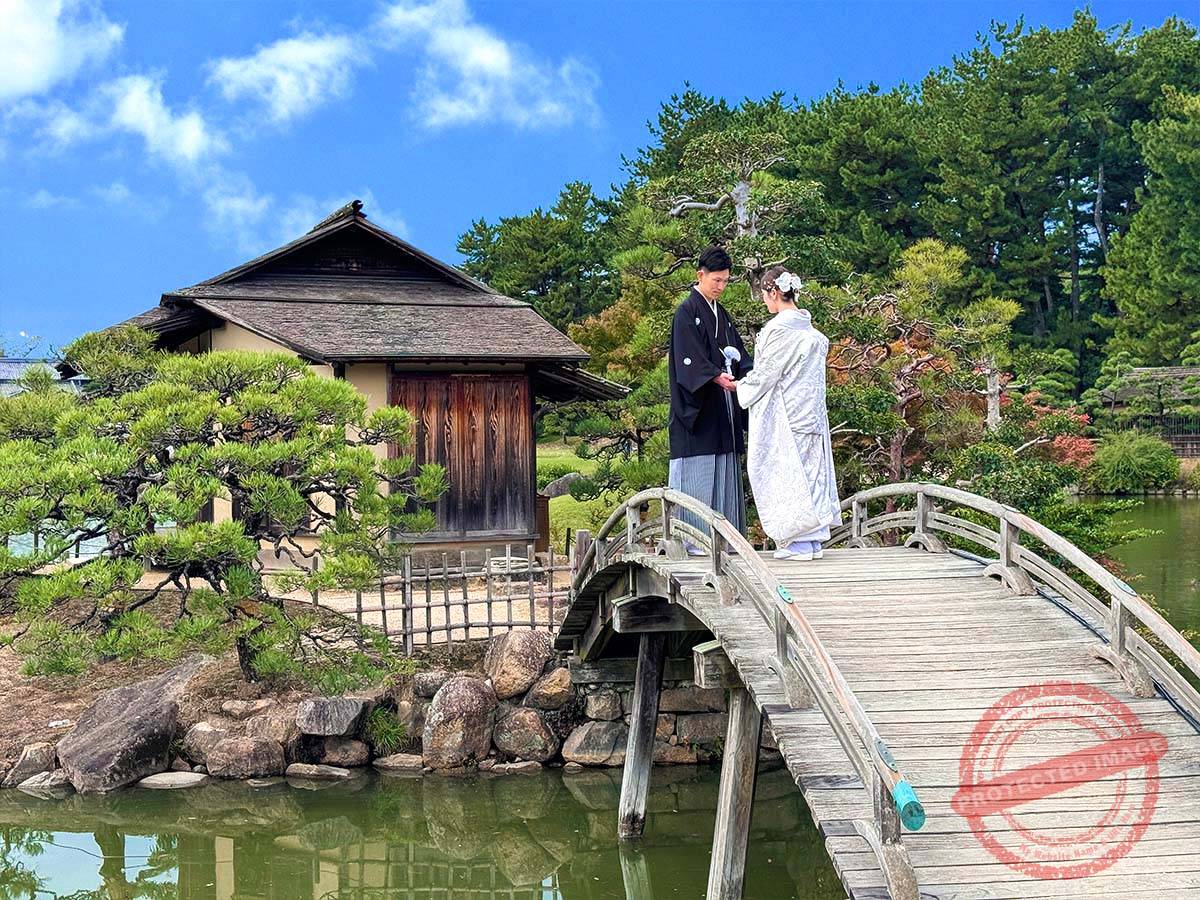
Okayama Korakuen Garden
| Okayama Korakuen stands as a monumental achievement of the Genroku era, serving as a vital cultural anchor and one of the three most celebrated landscape gardens in Japan. |
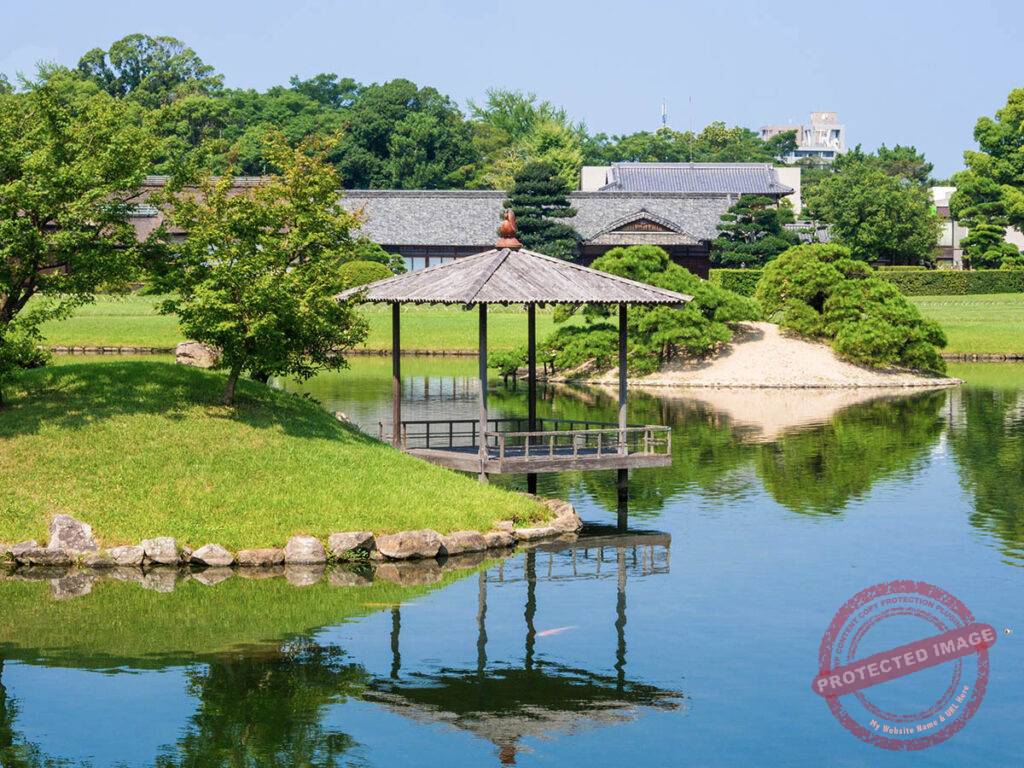
| The garden is architecturally and topographically defined by its “kaiyu” or strolling circuit design, which encompasses thirteen hectares of meticulously groomed lawns, groves, and ponds. Commissioned in 1687 by Ikeda Tsunamasa, the daimyo of Okayama, the layout was designed to project an authoritative sense of harmony between human artifice and natural beauty. Unlike many Japanese gardens that prioritize dense forestation, Korakuen is distinguished by its expansive open grasslands and the strategic use of “shakkai” or borrowed scenery. The garden’s design incorporates Okayama Castle into its visual horizon. This creates a disciplined and dramatic backdrop that enhances the scale of the landscape. The significance of Korakuen lies in its preservation of Edo period aesthetics and its status as a Michelin three-star destination. The environment is characterized by a polished sense of seasonal transition and historical dignity. The presence of the Enyo-tei House, used by the daimyo as a residence during his visits, defines the site’s connection to feudal governance. This atmosphere is most visually compelling during the spring when cherry blossoms frame the water features or in the autumn when the maples around Chishio-no-mori grove turn vibrant crimson. The garden also maintains a small population of Japanese red-crowned cranes. These birds serve as a living symbol of the garden’s longevity and cultural continuity. For the luxury and heritage traveler, Okayama Korakuen provides a composed and intellectually rewarding environment that captures the intersection of landscape architecture and political history. The atmosphere is one of elevated stillness. It offers a definitive location to witness the refined lifestyle of the samurai elite. It remains a premiere destination for those seeking to understand the foundational principles of Japanese spatial design. The site stands as a polished witness to the enduring human desire for a sanctuary that balances order with the organic world. |