
Kurayoshi White-Walled Storehouses
| The Kurayoshi White-Walled Storehouse district stands as a monumental preservation site, serving as a vital cultural anchor that reflects the mercantile prosperity of the Edo and Meiji periods. |
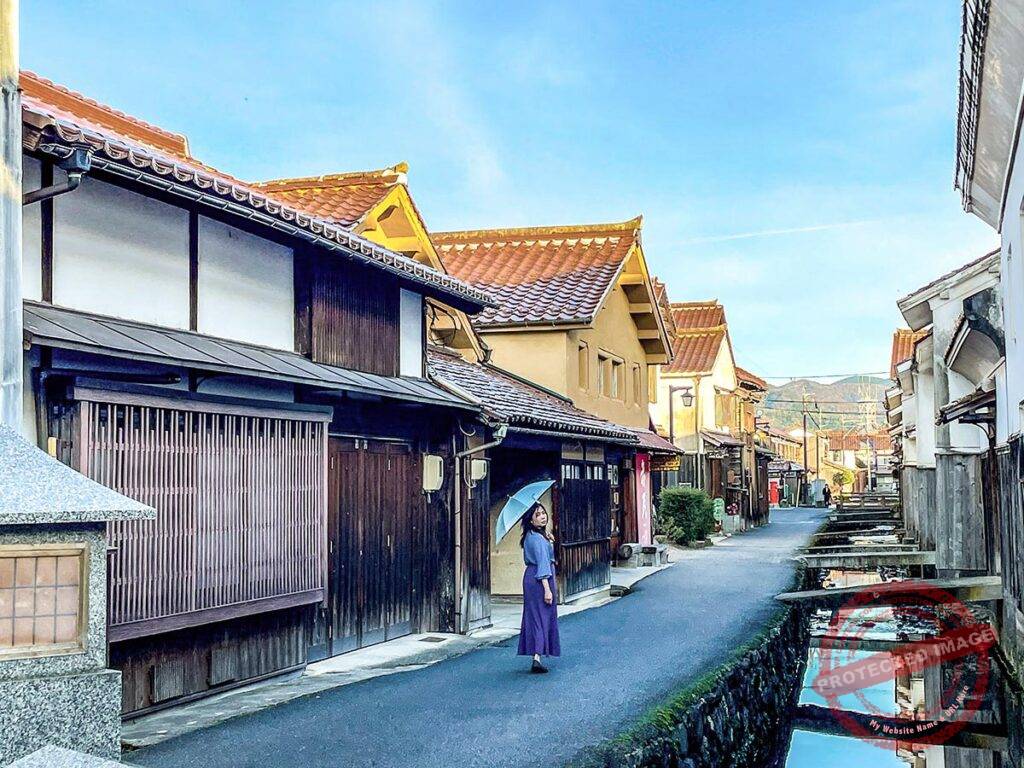
| The district is architecturally defined by its distinctive “Shirakabe” or white-plastered storehouses, which are situated along the narrow Tamagawa River. These structures utilize a disciplined construction method where the lower sections are clad in burnt cedar weatherboarding, providing an authoritative contrast to the brilliant white of the upper walls. The layout is characterized by the integration of red-tiled roofs, a hallmark of the San’in region’s craftsmanship. The stone bridges that span the river provide access to the rear entrances of these warehouses, creating a rhythmic and functional urban design. Many of these buildings originally functioned as soy sauce breweries and sake distilleries. This reflects the city’s historical role as a center for refined agricultural production. The significance of the district lies in its status as an Important Preservation District for Groups of Traditional Buildings. The environment is characterized by a polished sense of historical continuity and quiet dignity. The sound of the flowing river and the presence of colorful koi fish define the sensory experience. This atmosphere is most visually compelling during the late afternoon. At this time, the reflections of the white walls in the water highlight the district’s preservation of pre-industrial aesthetics. The interior of several warehouses has been repurposed into galleries and craft workshops, allowing visitors to engage with local traditions such as “Kurayoshi Kasuri” weaving. For the luxury and heritage traveler, the Kurayoshi White-Walled Storehouses provide a composed and intellectually rewarding environment that captures the intersection of commercial history and architectural elegance. The atmosphere is one of elevated stillness. It offers a definitive location to witness the domestic life of the merchant class during Japan’s transformative eras. It remains a premiere destination for those seeking to understand the architectural identity of the Tottori prefecture. The site stands as a polished witness to the enduring quality of Japanese craftsmanship and the city’s commitment to its historical legacy. |