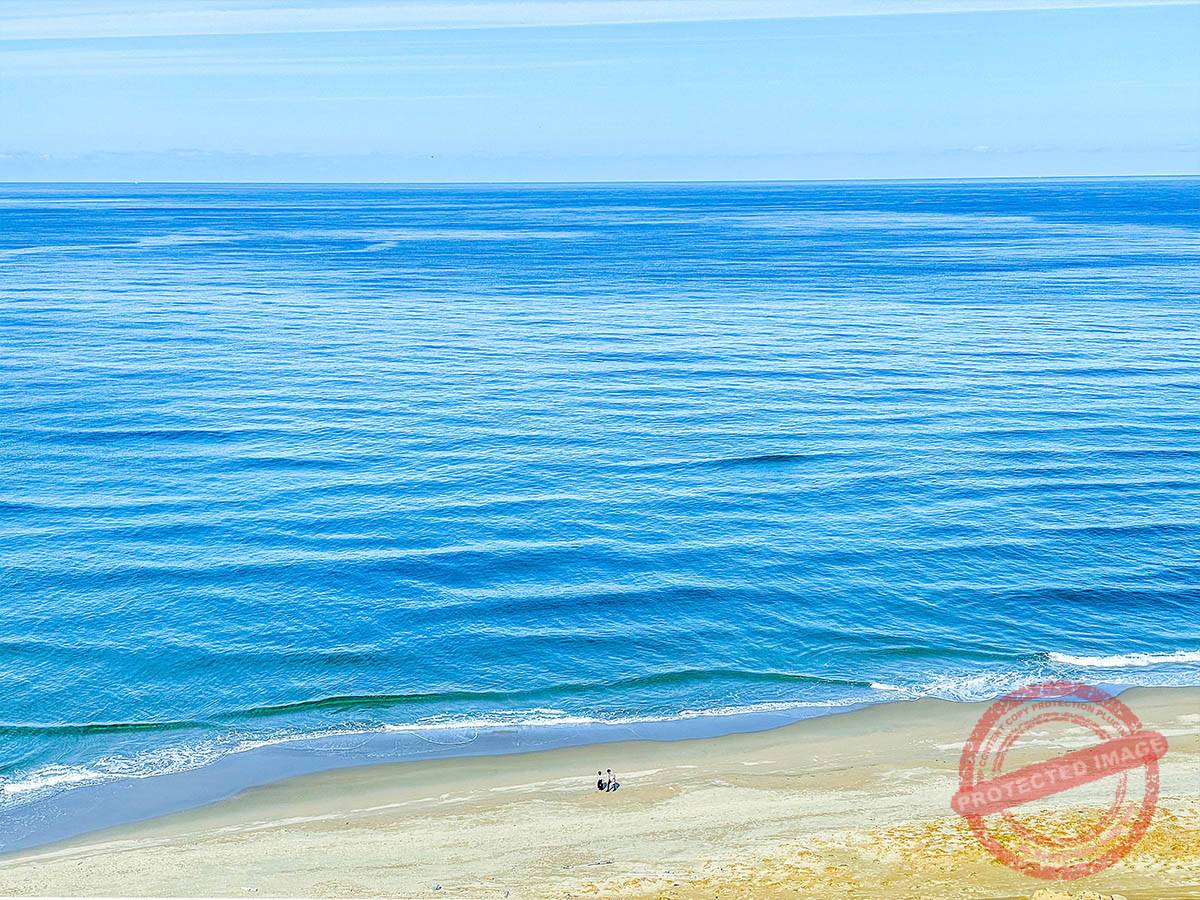
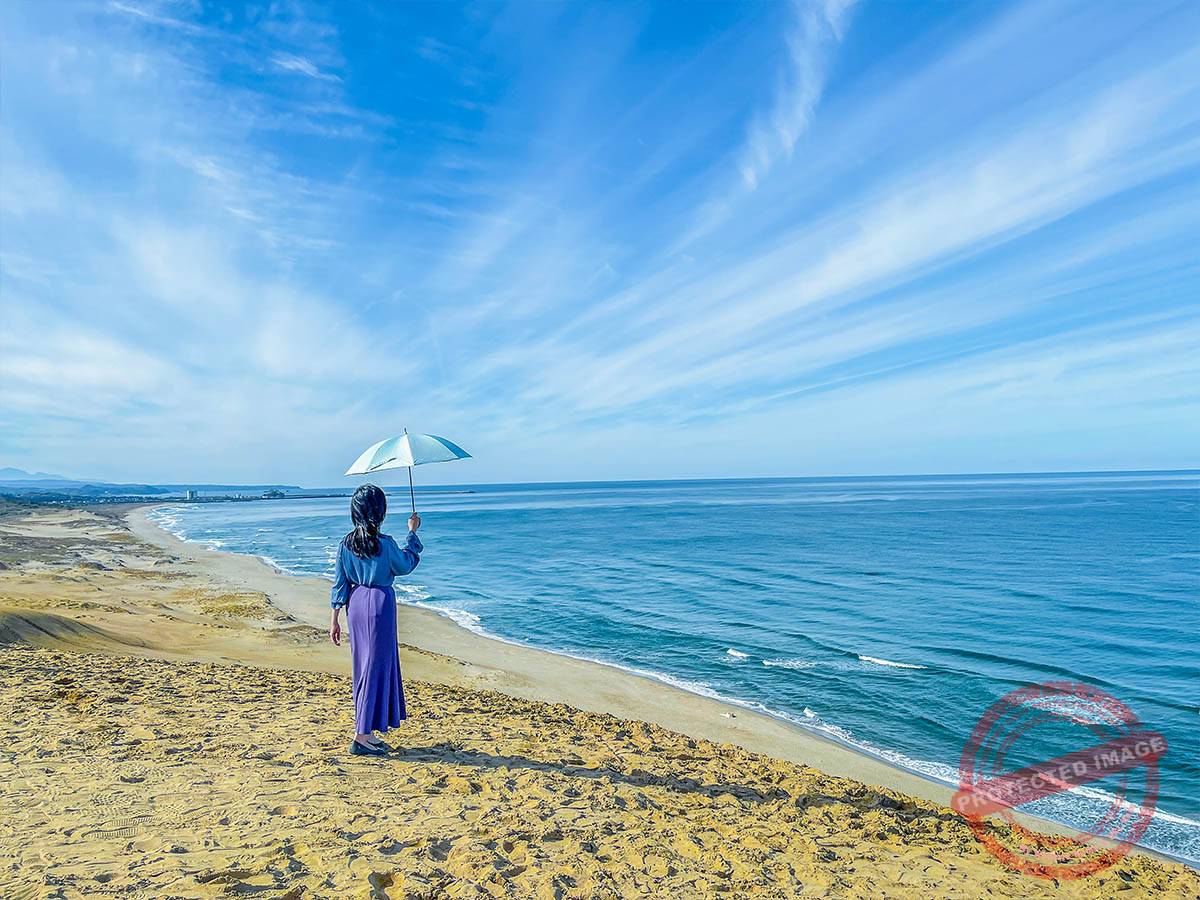
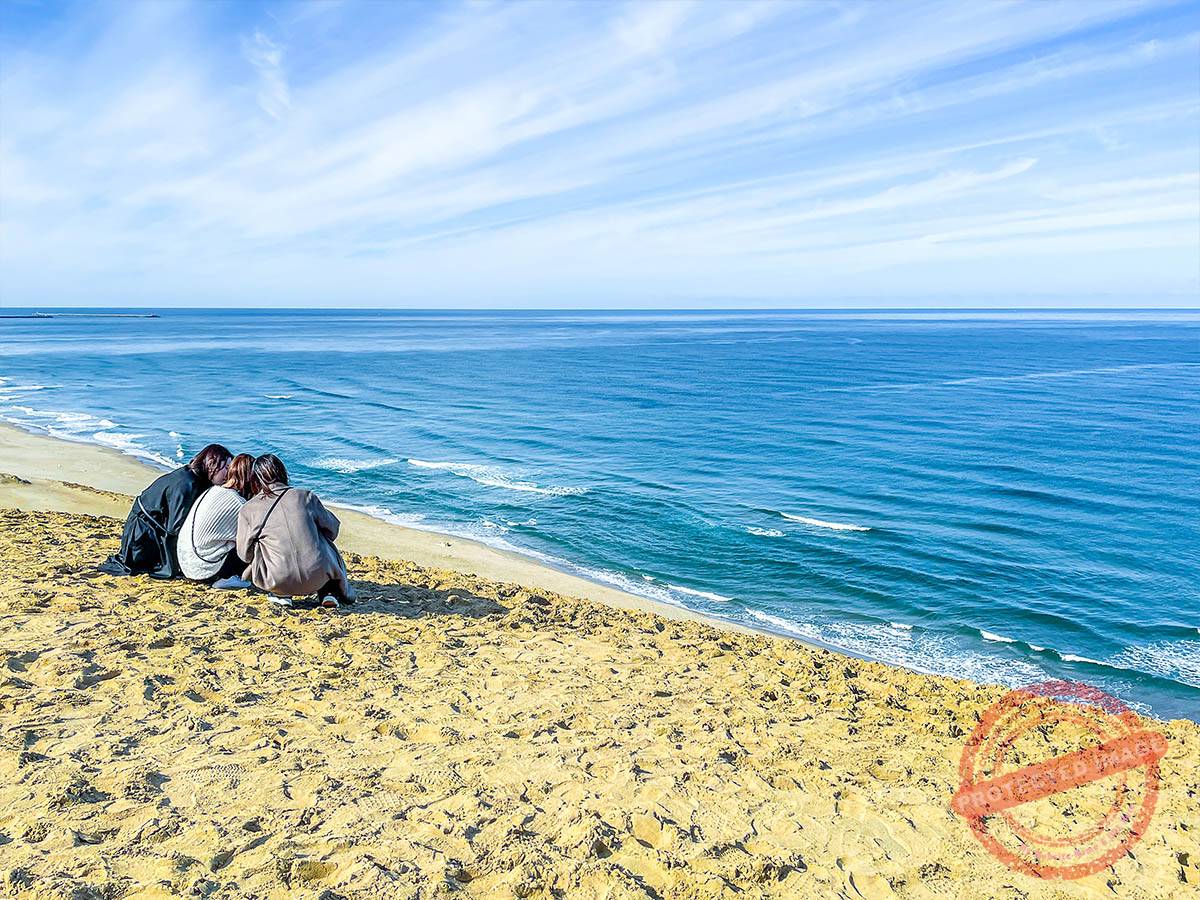
The site is topographically defined by a vast landscape of sediment deposited over nearly 100,000 years, primarily sourced from the Chugoku Mountains by the Sendai River and shaped by the relentless winds of the Sea of Japan. The dunes encompass an area approximately sixteen kilometers in length and two kilometers in width. They feature dramatic elevations such as “Umanose” or the Horse’s Back, which rises nearly 50 meters above sea level. The environment is characterized by a disciplined and ever-shifting geometry. The wind creates “fumon” or sand ripples that decorate the surface in intricate, rhythmic patterns. This creates a sensory experience defined by the stark contrast between the golden slopes and the deep blue of the northern horizon.
The significance of the dunes lies in their status as a National Natural Monument and a centerpiece of the San’in Kaigan UNESCO Global Geopark. The area serves as a definitive location to observe the intersection of geological endurance and coastal dynamics. The atmosphere is most visually compelling during the early morning hours or late afternoon. At these times, the low angle of the sun emphasizes the height of the dunes and the precision of the wind-carved textures. The site is also home to a unique ecosystem of sand-dwelling flora and fauna, which adds a layer of biological interest to the monumental physical landscape. This creates a sense of profound isolation and timelessness that is rare within the Japanese archipelago.
For the luxury and heritage traveler, the Tottori Sand Dunes provide a composed and intellectually stimulating environment that captures the raw power of the natural world. The atmosphere is one of disciplined stillness. It remains a premiere destination for those seeking to understand the geological forces that have shaped the western coast of Honshu. The site stands as a polished witness to the enduring relationship between the land and the sea, maintaining its dignity as a sanctuary of natural art and ancient history. |