Todaiji Temple (the Great Buddha)
The Great Buddha Hall of Todaiji Temple stands as a monumental achievement of classical Japanese engineering, serving as the definitive spiritual heart of ancient Nara.
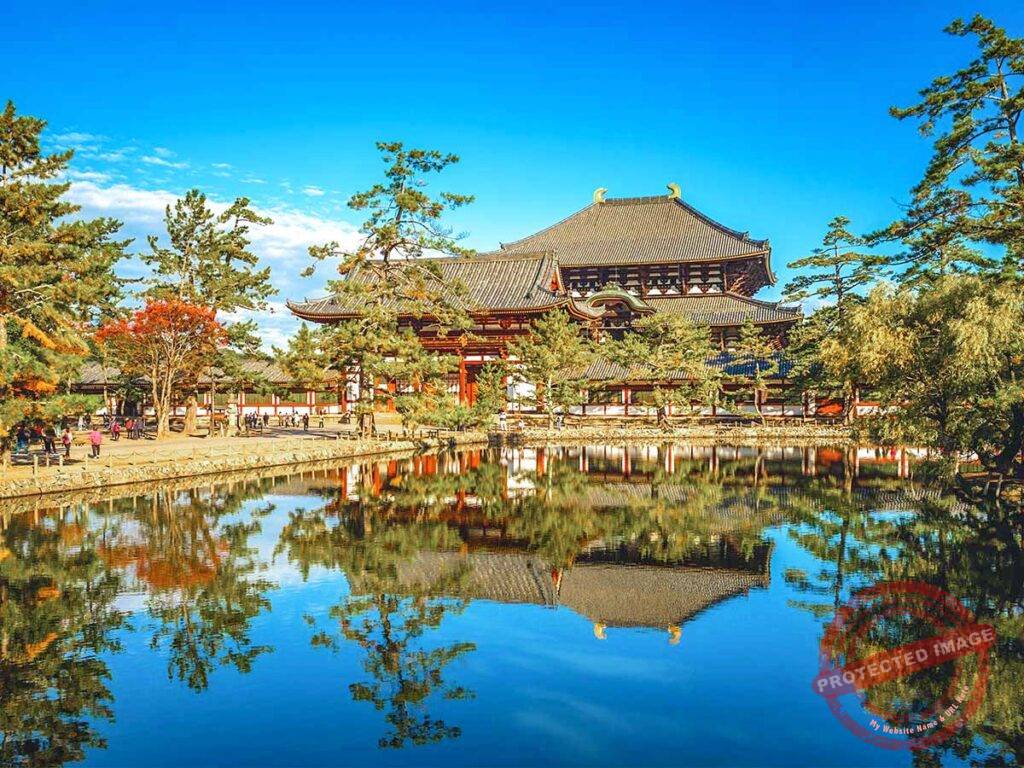
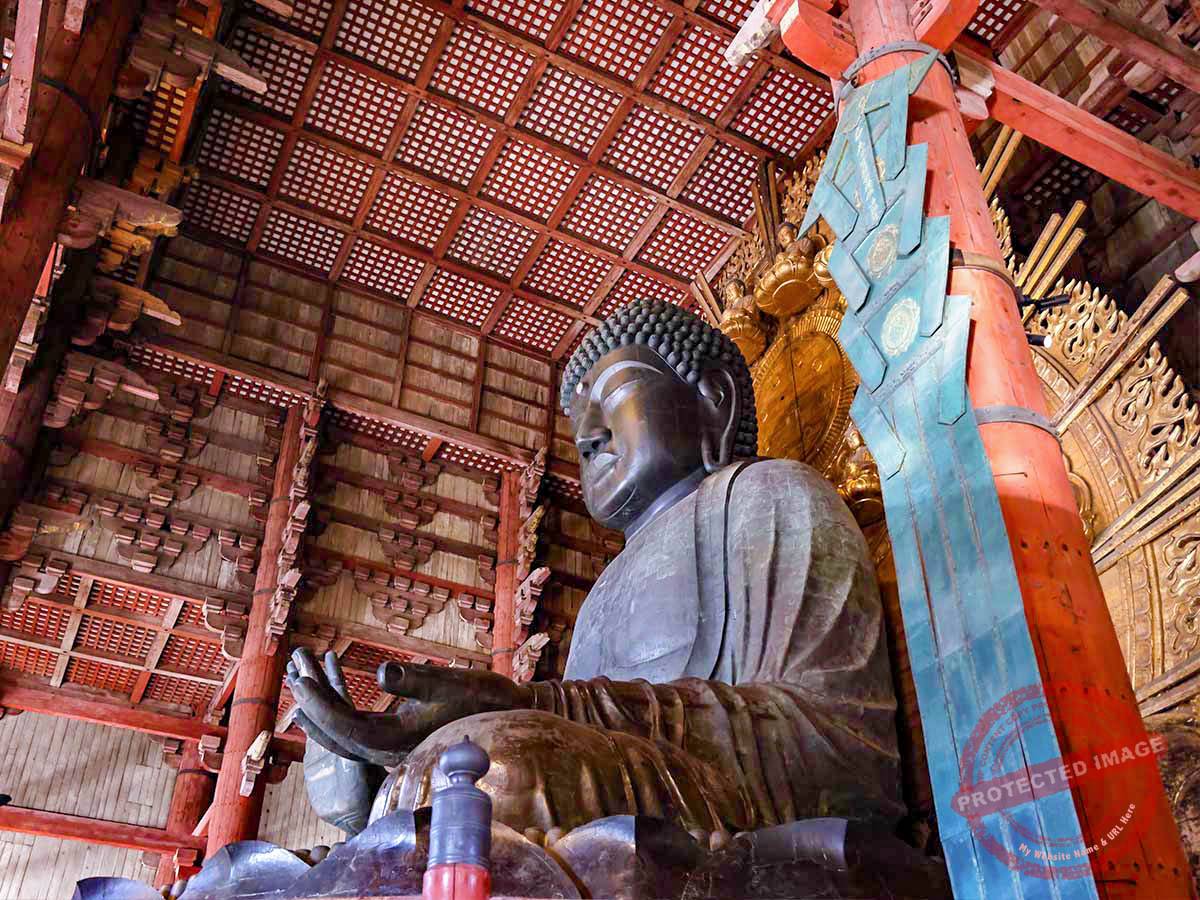
The temple is architecturally defined by the Daibutsuden, or Great Buddha Hall, which remains one of the largest timber structures in the world. Originally commissioned in 743 by Emperor Shomu, the complex was designed to function as the head temple of all provincial temples, projecting an authoritative image of a unified state. The current structure, reconstructed in 1709, houses the Daibutsu, a colossal bronze statue of the Vairocana Buddha that weighs approximately 500 tonnes. The layout of the precinct includes the massive Nandaimon gate, which features the formidable Agyo and Ungyo guardian statues. These figures exhibit the disciplined and powerful realism of the Kei school of sculpture from the Kamakura period. The craftsmanship of the interlocking wooden joints and the sheer scale of the supporting pillars reflect the sophisticated mastery of traditional Japanese joinery.
The significance of Todaiji lies in its status as a vital cultural anchor and a cornerstone of the UNESCO World Heritage site “Historic Monuments of Ancient Nara”. The temple has functioned for over a millennium as a center for Buddhist study and state ritual. The environment is characterized by a polished sense of antiquity and spiritual gravity. This atmosphere is most visually compelling during the early morning hours when the light filters through the high eaves of the hall, illuminating the bronze patina of the Great Buddha. The presence of the massive bronze octagonal lantern in the courtyard, a rare original relic from the 8th century, underscores the temple’s continuity with the Nara period.
For the luxury and heritage traveler, Todaiji Temple provides a composed and intellectually rewarding environment that captures the dawn of Japanese high culture. The atmosphere is one of monumental stillness. It offers a definitive location to witness the intersection of imperial ambition and religious devotion. It remains a premiere destination for those seeking to understand the foundational aesthetics of the Japanese nation. The site stands as a polished witness to the enduring power of faith and the resilience of traditional architecture.