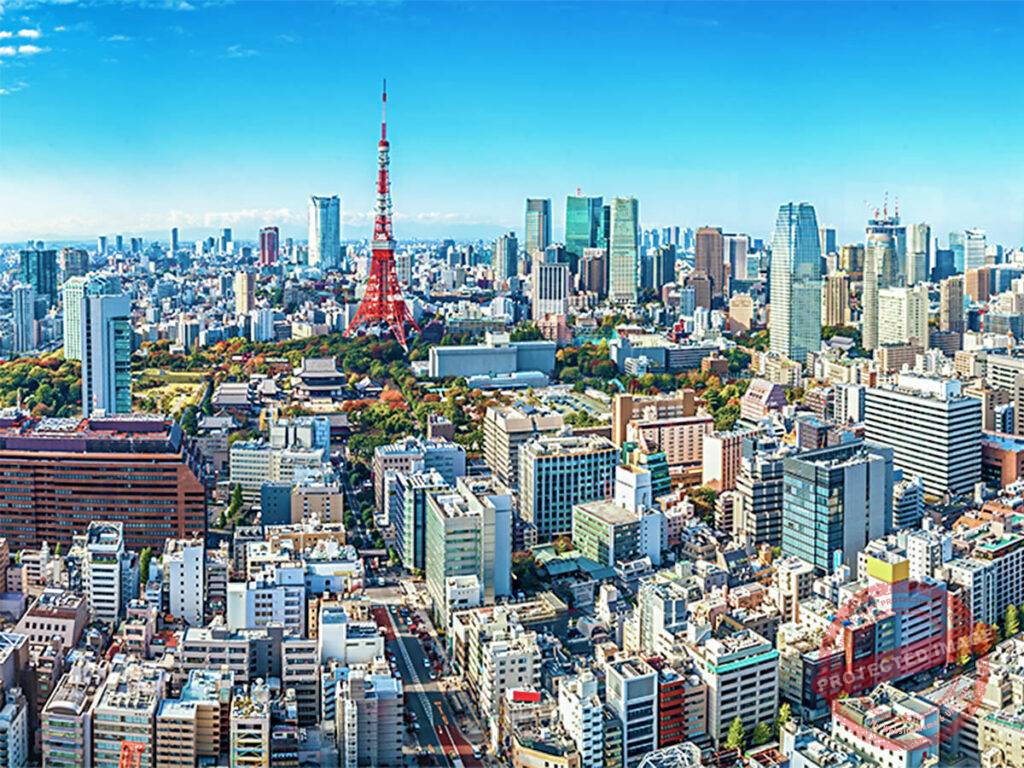
The Observation Deck – First Floor of Tokyo Tower serves as a monumental vantage point, representing the definitive skyline of Japan’s capital since its completion in 1958.
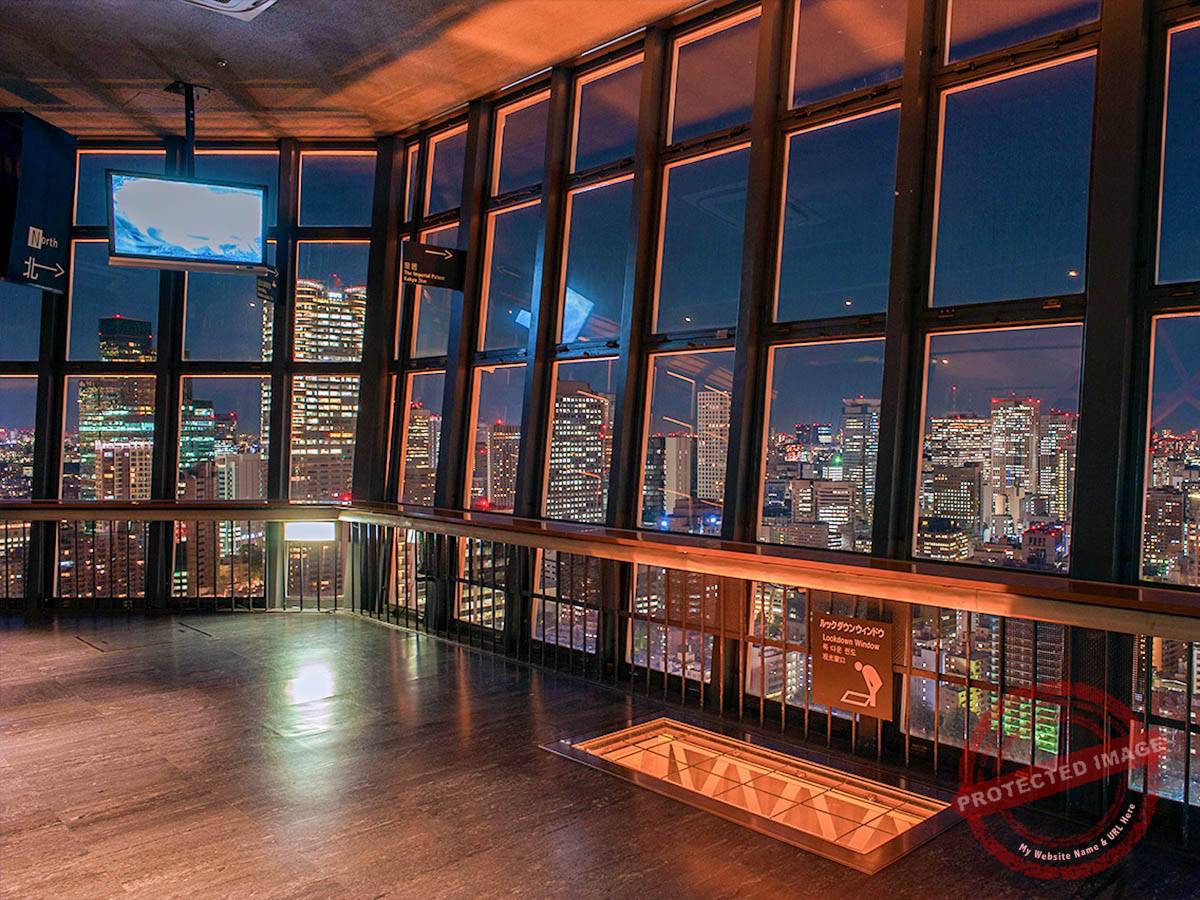
The deck is architecturally and topographically defined by its position 150 meters above the Minato district. It functions as the primary observation level of the 333-meter lattice tower. Inspired by the Eiffel Tower and designed by Tachu Naito, the structure was constructed using steel, a portion of which was recycled from American tanks used in the Korean War. The layout of the Main Deck provides a 360-degree panoramic view through expansive glass walls. This allows for an authoritative perspective of the Tokyo urban landscape. A distinctive feature of this level is the “Skywalk Window”. This consists of reinforced glass floor panels that provide a direct vertical view to the ground below.
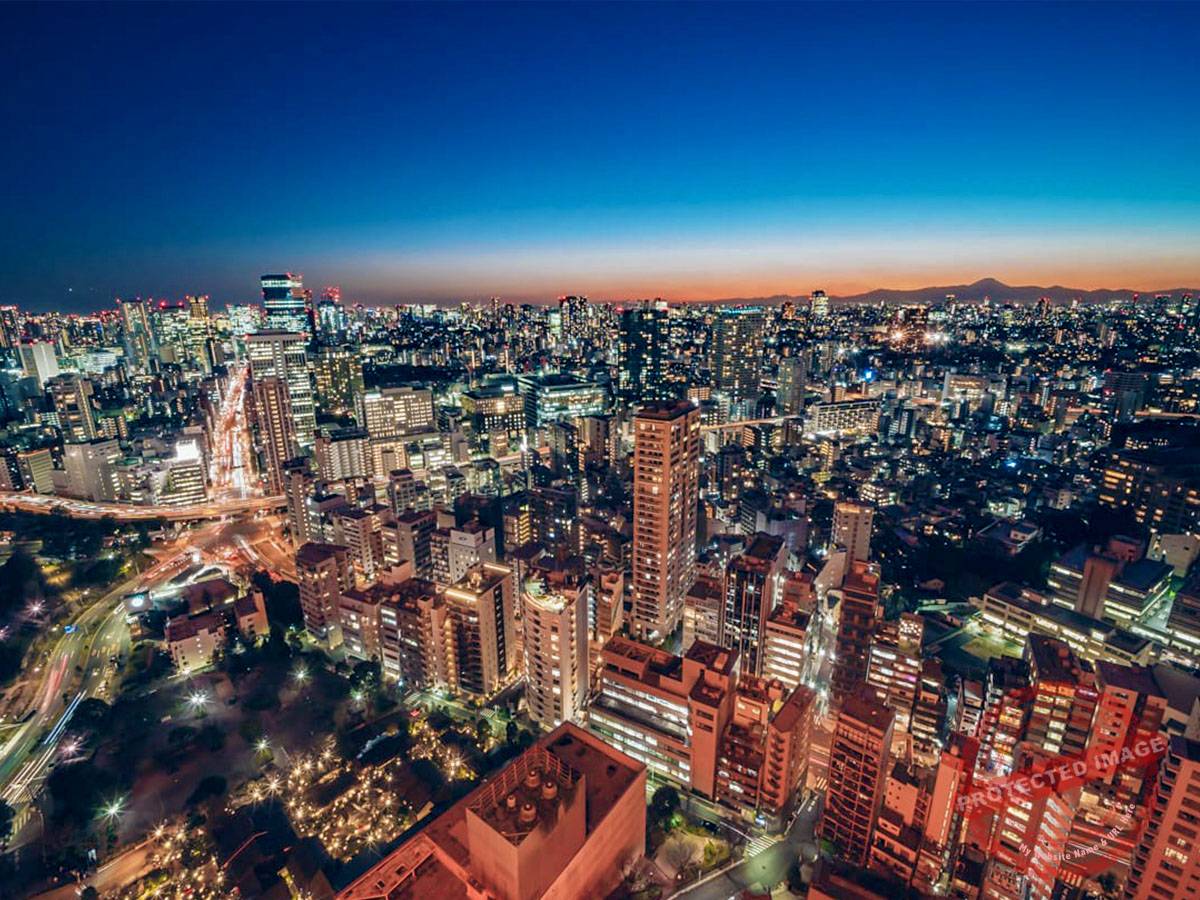
The significance of Tokyo Tower lies in its status as a vital cultural anchor for Japan’s postwar economic miracle and its enduring role as a symbol of national rebirth. The environment is characterized by a polished sense of mid-century grandeur. The interior features the “Great View” windows and the Shinto-style Tower Daijingu, which is the highest shrine within Tokyo’s central wards. This atmosphere is most visually compelling during the evening hours. At this time, the “Landmark Light” illuminates the orange and white steel frame. This creates a vibrant contrast against the dark skyline. The transition from day to night highlights the tower’s function as both a working broadcast antenna and a monumental piece of public art.
For the luxury and heritage traveler, the Tokyo Tower Main Deck provides a composed and intellectually rewarding environment that captures the intersection of 20th-century engineering and urban identity. The atmosphere is one of elevated stillness. It offers a definitive location to observe the density and scale of the metropolis from a historic perspective. It remains a premiere destination for those seeking to understand the architectural evolution of the city. The site stands as a polished witness to Tokyo’s ability to maintain its symbolic heart amidst a constantly changing skyline.