
Suwa Shrine
| Suwa Shrine stands as a monumental hilltop sanctuary, serving as the primary spiritual anchor for Nagasaki and a witness to the city’s unique historical trajectory. |
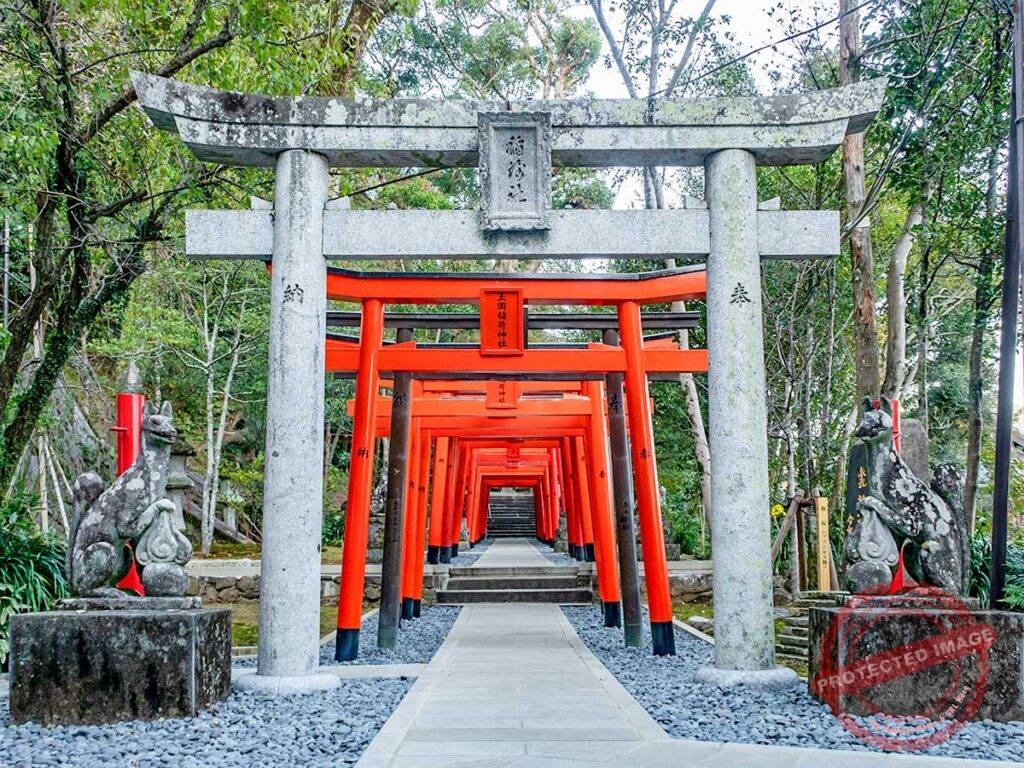
| The shrine is architecturally defined by its commanding position on the slopes of Mount Tamazono. It is reached by ascending a disciplined series of wide stone staircases. Originally established in the 16th century and significantly expanded in 1625 during the early Edo period, the complex was designed to assert Shinto tradition in a city then deeply influenced by foreign trade and religion. The layout follows the “Gongen-zukuri” style, where the main hall and the hall of worship are joined under a single roof. This reflects the craftsmanship of the Tokugawa era. The structures are built from heavy timber and feature intricate carvings. They offer an authoritative vantage point over the Nagasaki harbor. The significance of Suwa Shrine lies in its status as the home of the Nagasaki Kunchi festival, an event designated as an Important Intangible Folk Cultural Property. This festival incorporates Chinese and European artistic influences into traditional Shinto rituals, reflecting the city’s history as Japan’s only window to the Western world for over two centuries. The environment is characterized by a polished sense of dignity and historical continuity. The bronze statues and weathered stone lanterns within the precinct define the sensory experience. This atmosphere is most visually compelling in early October during the festival season. At this time, the quiet stone steps are transformed into a vibrant stage for dragon dances and elaborate floats. For the luxury and heritage traveler, Suwa Shrine provides a composed and intellectually rewarding environment that captures the intersection of maritime history and religious devotion. The atmosphere is one of elevated stillness. It offers a definitive location to observe the synthesis of diverse cultural threads that have shaped the character of Nagasaki. It remains a premiere destination for those seeking to understand the resilience of traditional Japanese beliefs within a globalized port city. The site stands as a polished witness to the enduring human desire for protection and communal celebration. |