Miyajima Shrine stands as a quintessential masterpiece of Shinden-style architecture, defined by its sophisticated integration of vermilion structures and the tidal landscape.
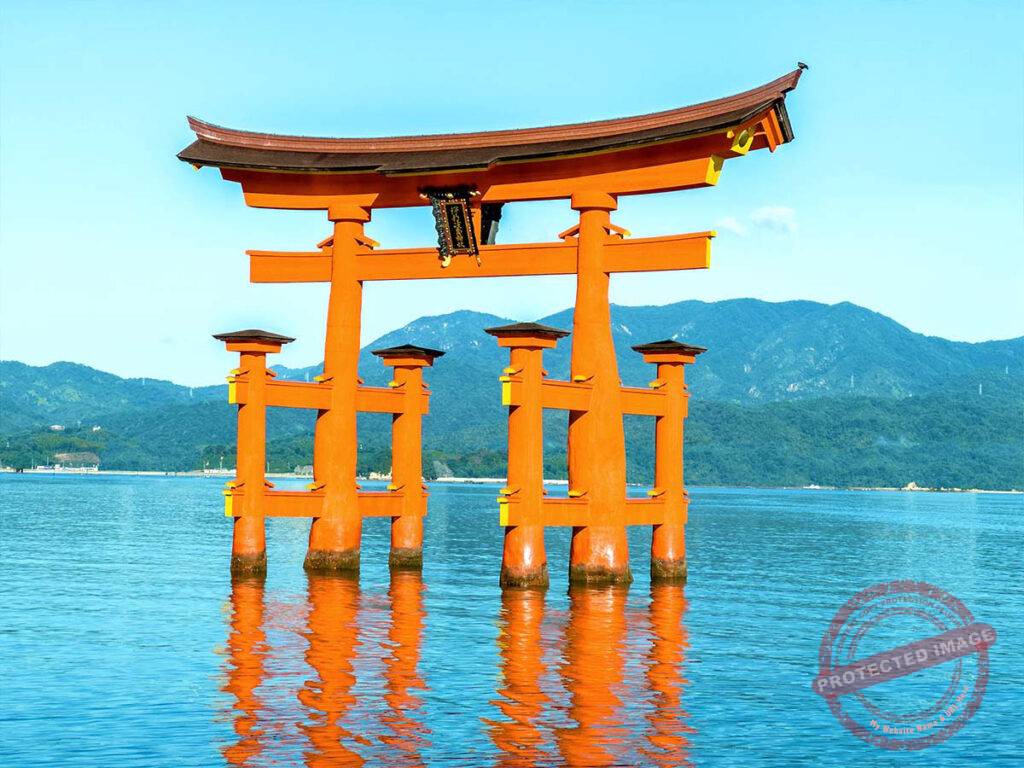
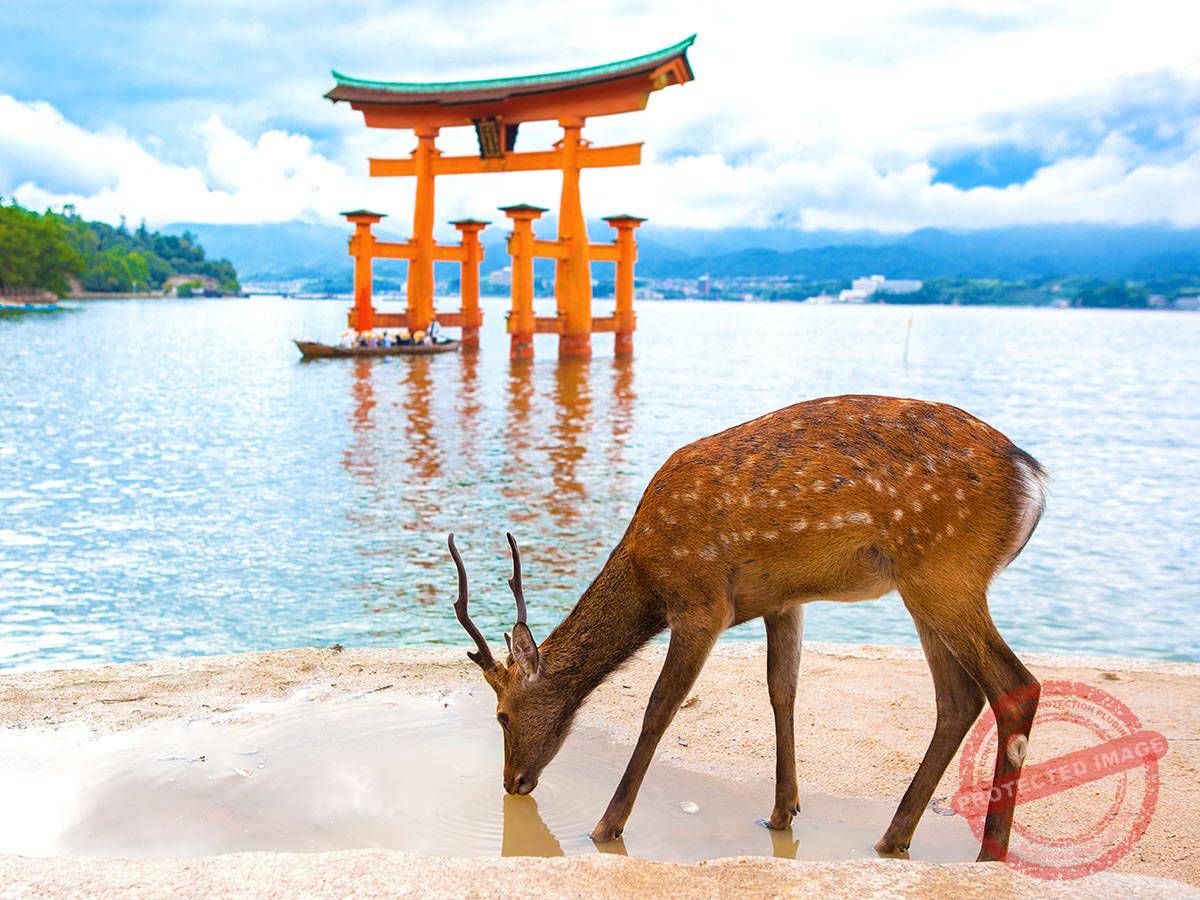
The shrine is architecturally unique for its primary construction over the waters of the Seto Inland Sea, a design choice necessitated by the island’s historically sacred status. Founded in 593 and reaching its current aesthetic peak under the patronage of Taira no Kiyomori in 1168, the complex utilizes a series of boardwalks and piers that elevate the sanctuary above the shifting tides. The layout is centered on the iconic “O-torii” gate, which is constructed from rot-resistant camphor wood and stands approximately 160 meters offshore. This gate utilizes its own weight and a sophisticated four-legged “ryobu” design to remain stable without being buried in the seabed. The craftsmanship of the lacquered corridors and the precision of the joinery reflect the high courtly standards of the late Heian period.
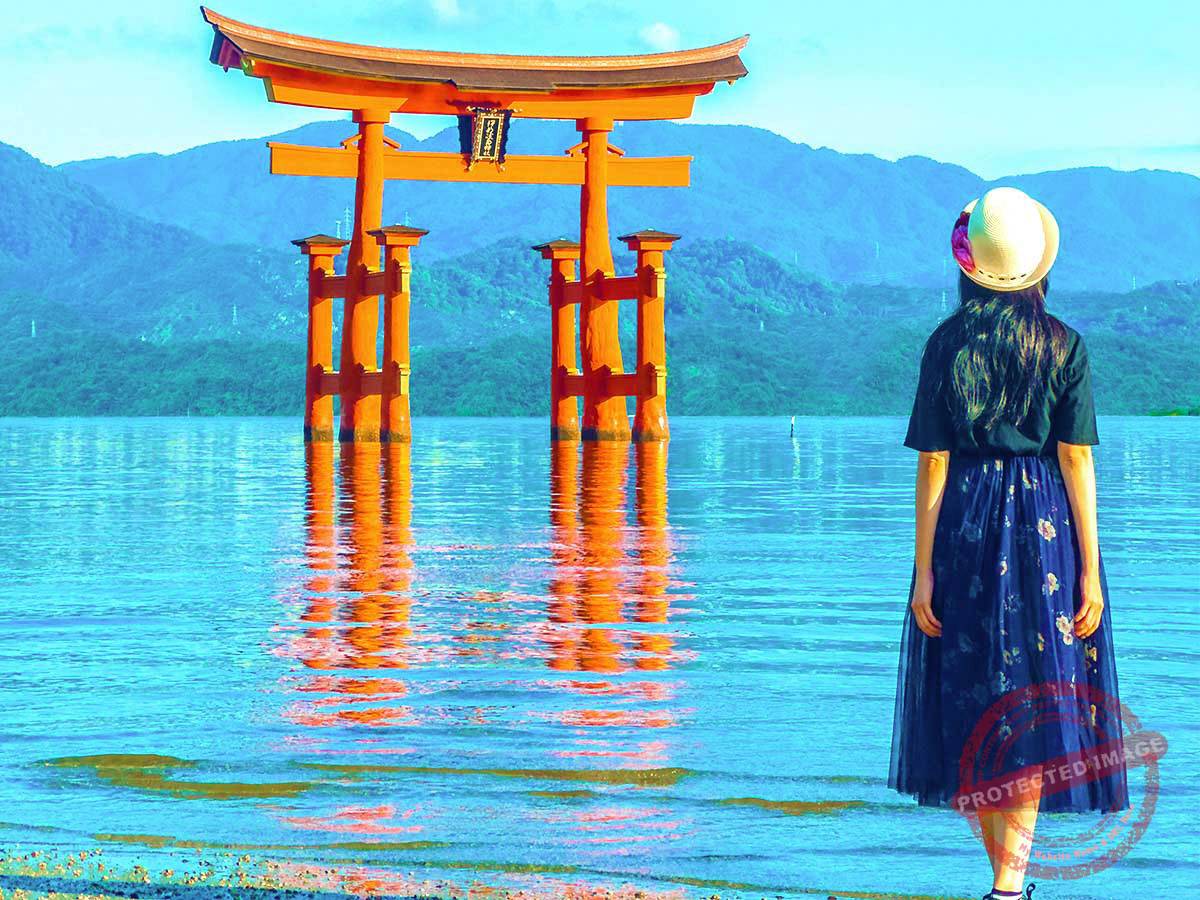
The significance of Miyajima lies in its status as a vital cultural anchor and a UNESCO World Heritage site that embodies the Japanese concept of harmony between man-made beauty and the natural world. The shrine serves as a definitive example of aristocratic religious architecture, where the ebb and flow of the tide are essential components of the spiritual experience. The environment is characterized by a polished sense of transcendence. This is most visually compelling during high tide when the entire complex appears to float upon the sea, or at sunset when the light emphasizes the brilliant vermilion of the wood against the deep green of the surrounding forests.
For the luxury and heritage traveler, Miyajima Shrine provides a composed and intellectually rewarding environment that captures the height of medieval maritime devotion. The atmosphere is one of elevated stillness. It offers a definitive location to witness the preservation of ancient courtly traditions. It remains a premiere destination for those seeking to understand the deep spiritual connection between the Japanese people and the sea. The site stands as a polished witness to the enduring power of an architectural vision that has remained largely unchanged for nearly a millennium.