Nara Deer Park
Nara Park serves as a monumental landscape of antiquity, where ancient spiritual architecture and protected wildlife coexist within a designated National Place of Scenic Beauty.
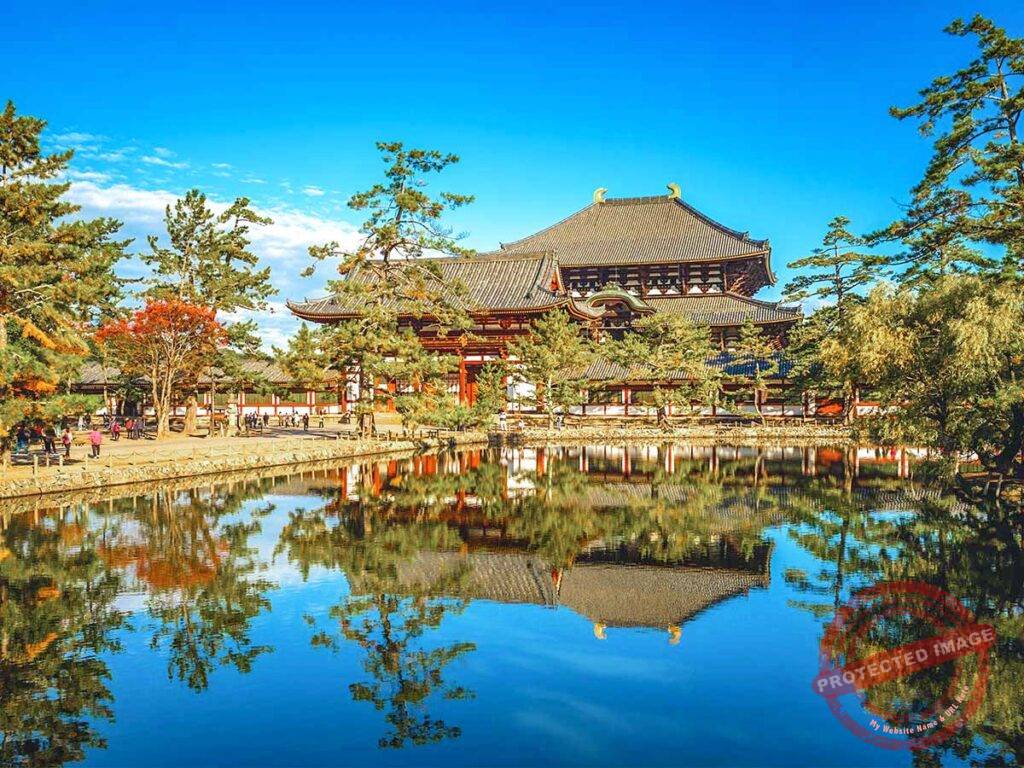
The park is architecturally and topographically defined by its 660-hectare expanse at the foot of Mount Wakakusa. It functions as the authoritative setting for several components of the UNESCO World Heritage site “Historic Monuments of Ancient Nara“. Established in 1880, the park integrates the precincts of the Todai-ji Temple and the Kasuga Taisha Shrine into a seamless cultural environment. The layout is characterized by a disciplined balance between manicured lawns and the primeval forest of Kasugayama. This creates a sense of profound continuity with the landscape of the 8th-century capital. The structures within the park utilize traditional timber craftsmanship and represent some of the largest wooden buildings in the world.
The significance of Nara Park lies in its status as a vital cultural anchor for the preservation of Japan’s earliest historical records and traditions. It is famously home to approximately 1,300 freely roaming Sika deer. These animals were traditionally regarded as sacred messengers of the gods from Kasuga Taisha. The environment is characterized by a polished sense of harmony between the natural and the sacred. This is most visually compelling during the early autumn months. At this time, the changing maple foliage provides a vibrant backdrop to the bronze lanterns of the shrines and the weathered wood of the temples. The rhythmic bowing of the deer and the sound of the Great Bell of Todai-ji underscore the park’s unique atmosphere of living history.
For the luxury and heritage traveler, Nara Park provides a composed and intellectually stimulating environment that captures the dawn of Japanese civilization. The atmosphere is one of monumental stillness. It offers a definitive location to witness the intersection of ecological preservation and religious devotion. It remains a premiere destination for those seeking to understand the foundational aesthetics of the Japanese state. The site stands as a polished witness to over a millennium of careful stewardship, maintaining its dignity as a sanctuary for both art and nature.