
Hozenji Temple
Hozenji Temple stands as a serene spiritual enclave nestled within a quiet alley of Osaka, offering a profound contrast to the vibrant energy of the nearby Dotonbori district.
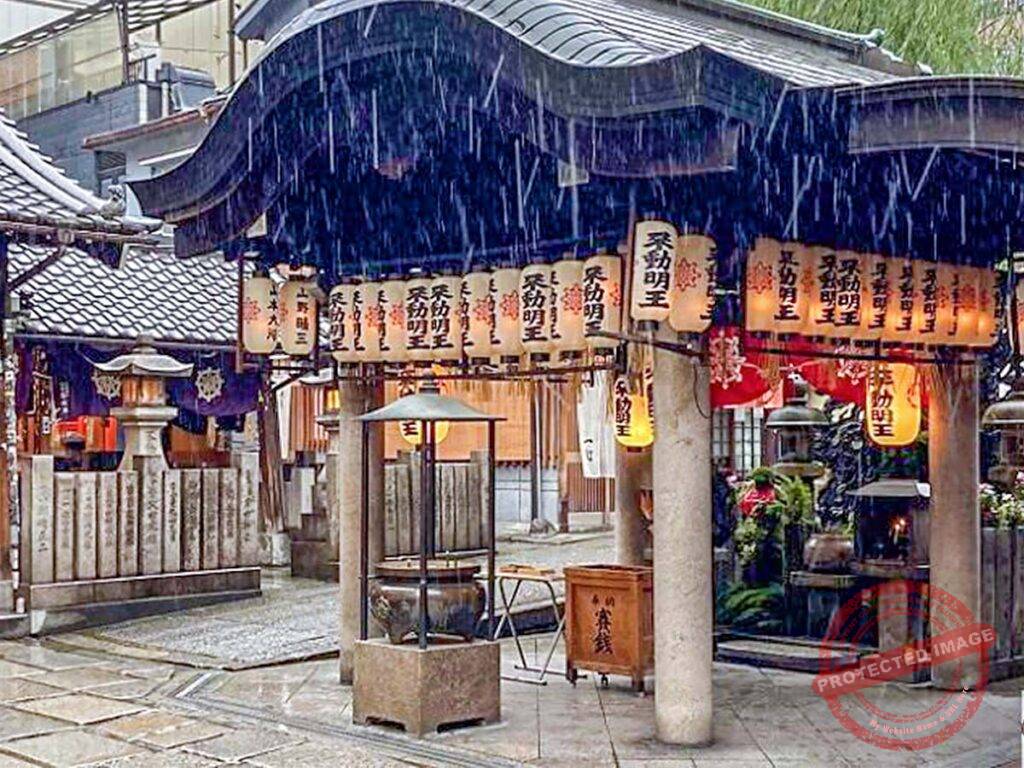
The temple is architecturally and topographically defined by its intimate scale and its location within the historic Hozenji Yokocho, a stone-paved lane that preserves the character of the Edo period. Established in 1637, the precinct serves as an authoritative anchor for the Namba area. It offers a stark contrast to the modern neon landscapes nearby. The layout is centered on the Mizukake Fudo statue, a representation of the deity Fudomyoo that is entirely enveloped in a thick layer of lush green moss. This distinctive feature is the result of a long-standing tradition where visitors pour water over the figure while offering prayers. The constant moisture has allowed the moss to thrive for decades, creating a soft and organic silhouette that is unique among Japanese Buddhist icons.
The significance of Hozenji Temple lies in its role as a vital cultural anchor for the local merchant and entertainment communities. It has historically been a place where residents and performers from the nearby theaters sought protection and prosperity. The environment is characterized by a polished sense of continuity. The scent of incense and the sound of splashing water against the stone basin provide a rhythmic backdrop to the spiritual experience. This atmosphere is most visually compelling during the evening when the temple’s traditional lanterns are lit. This casts a warm glow over the mossy statue and the surrounding wooden structures.
For the luxury and heritage traveler, Hozenji Temple provides a composed and intellectually stimulating environment that captures the “ukiyo” or “floating world” spirit of old Osaka. The atmosphere is one of refined stillness. It offers a definitive location to witness the intersection of living folk tradition and urban history. It remains a premiere destination for those seeking to understand the deep spiritual roots that underpin one of Japan’s most dynamic commercial centers. The site stands as a polished witness to the city’s ability to preserve its sacred spaces amidst rapid modernization.