
Glover Garden
Discover the elegant architectural legacy of Glover Garden, a premier hillside estate in Nagasaki that chronicles Japan’s transition into the modern era through its preserved Western-style residences.
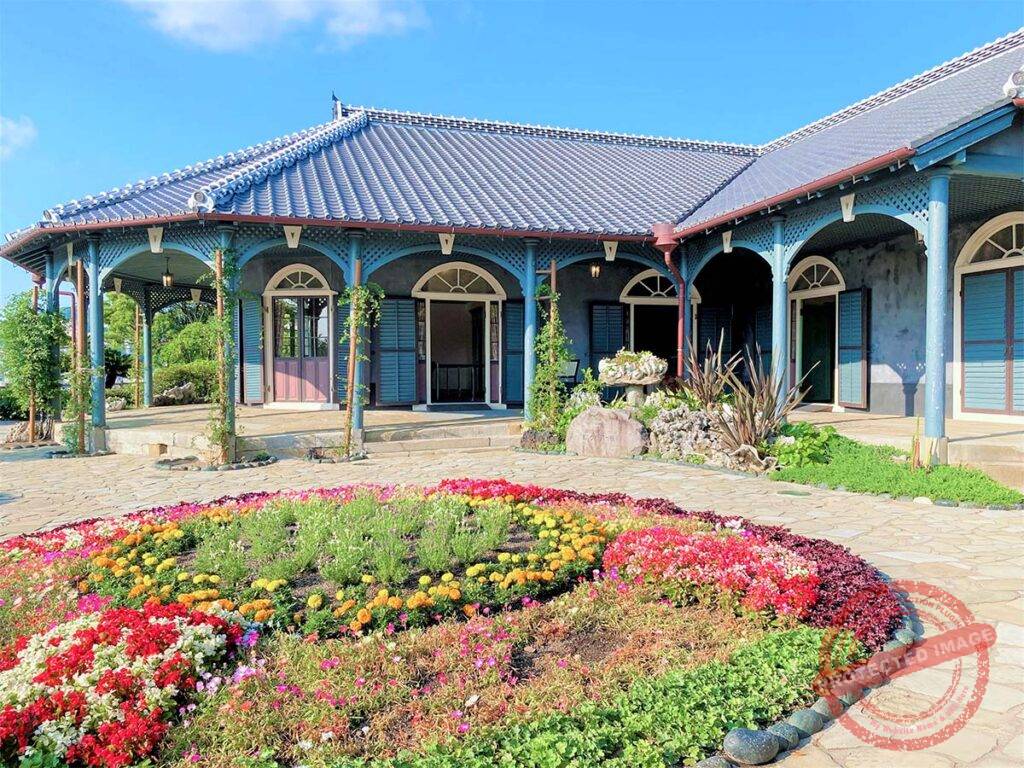
Perched on a scenic slope overlooking Nagasaki Port, the garden serves as an authoritative open-air museum. It features several historic mansions built by foreign merchants during the late 19th century. The most significant structure is the former Glover House, which was completed in 1863 and stands as the oldest Western-style wooden building in Japan. This residence is architecturally distinguished by its fusion of British colonial design and Japanese craftsmanship, featuring large verandas alongside traditional roof tiles. The layout of the estate is a disciplined arrangement of stone-paved paths and manicured greenery that allows for an expansive view of the harbor. This creates a sense of profound connection between the domestic lives of the merchants and the maritime trade that fueled the city’s growth.
The significance of Glover Garden lies in its status as a vital component of the UNESCO World Heritage site associated with Japan’s Meiji Industrial Revolution. The estate was the home of Thomas Blake Glover, a Scottish merchant who played a pivotal role in the modernization of Japanese shipbuilding and mining. This cultural heritage is preserved in the polished details of the interiors, where original furnishings and personal artifacts tell a story of international exchange. The environment is most visually compelling during the evening when the gardens are illuminated, highlighting the silhouettes of the historic homes against the city lights. This creates a sophisticated atmosphere that honors Nagasaki’s identity as a crossroads of East and West.
For the luxury and heritage traveler, Glover Garden provides a composed and intellectually stimulating environment that captures the spirit of 19th-century cosmopolitanism. The atmosphere is one of refined stillness, where the scent of seasonal flowers and the panoramic maritime vistas offer a serene backdrop for historical reflection. It remains a definitive destination for those seeking to understand the architectural and social impacts of early global commerce in Japan. The site stands as a polished testament to a period of rapid transformation and the enduring beauty of cross-cultural design.
