Enoshima
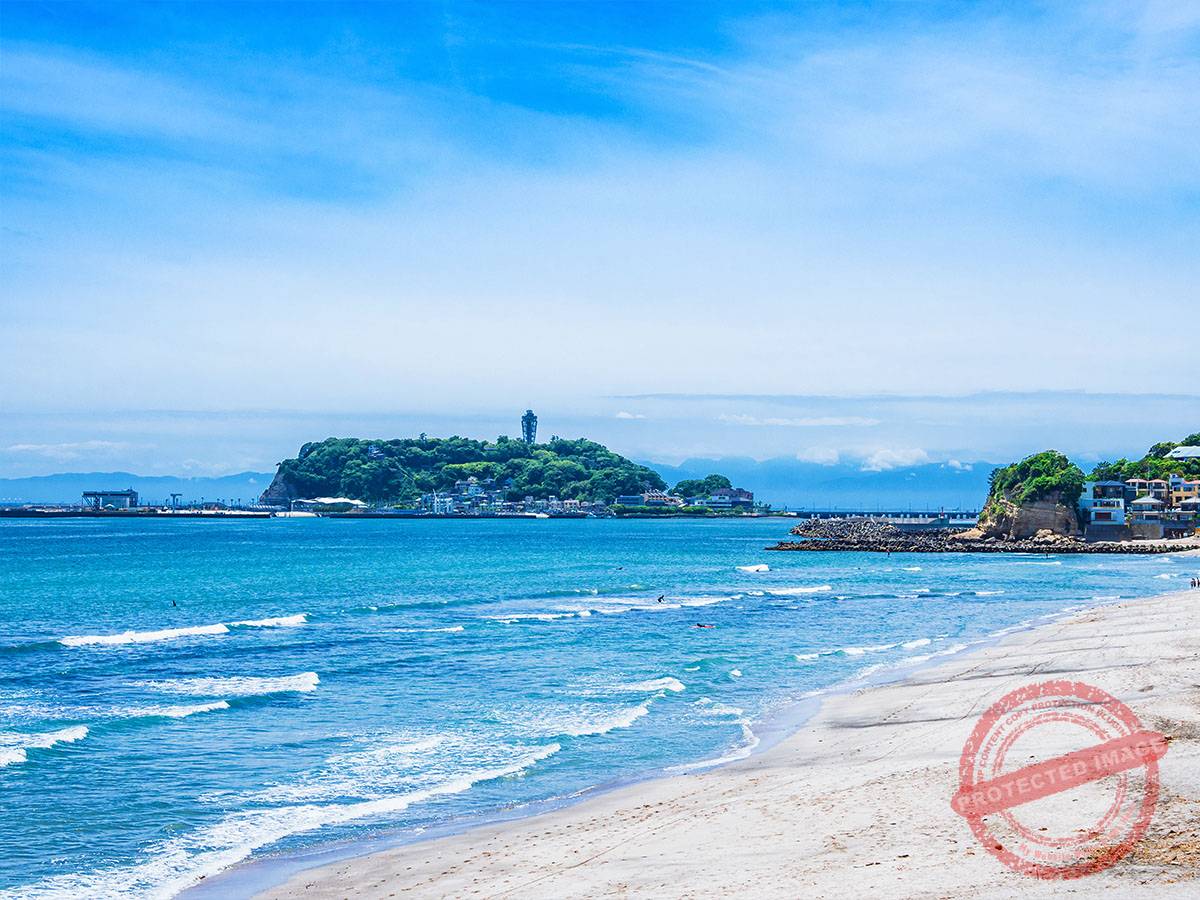
Discover the vibrant cultural legacy and maritime beauty of Enoshima, a storied island in Sagami Bay that has served as a center of spiritual devotion and leisure for over a thousand years.
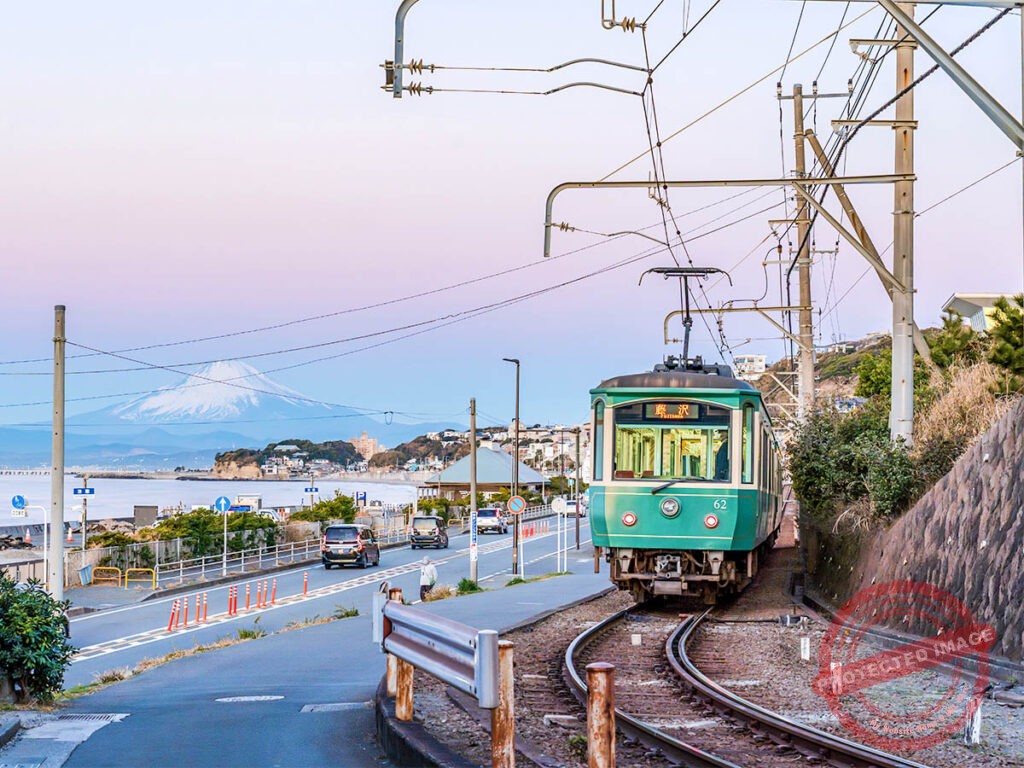
The island is architecturally and topographically defined by its steep, forested slopes and the winding “Benzaiten Nakamise-dori” shopping street that ascends from the mainland bridge. Its layout is centered on the Enoshima Shrine complex. This is comprised of three separate sanctuaries each dedicated to a different sea goddess. The structures feature polished vermilion-lacquered timber and traditional Shinto carpentry that reflect centuries of imperial and shogunal patronage. At the island’s highest point, the Sea Candle lighthouse provides an authoritative perspective on the Kanto coastline and the towering silhouette of Mount Fuji.
The significance of Enoshima lies in its historical identity as a sacred site for Benzaiten, the goddess of music, wealth, and wisdom. This spiritual connection is deeply rooted in the Enoshima Engi, a 10th-century chronicle detailing the island’s mythic creation. The landscape is further distinguished by the Iwaya Caves, natural sea-eroded caverns where ancient monks and samurai once performed religious austerities. Today, the island acts as a vital cultural anchor by blending these ancient traditions with modern garden design. This is most evident in the Samuel Cocking Garden, an English-style botanical space built upon the ruins of a 19th-century merchant’s estate.
For the luxury and heritage traveler, Enoshima provides a composed and intellectually stimulating environment that captures the transition from bustling coastal trade to serene highland reflection. The atmosphere is one of maritime vitality. The rhythmic sound of waves against the cliffs and the scent of local seafood specialties define the sensory experience. It remains a definitive destination for those seeking to explore the intersection of Japan’s prehistoric geology and its sophisticated religious history. The site serves as a masterclass in how an island’s natural fortifications can foster a unique and enduring cultural identity.