Observe the timeless elegance of Arashiyama, a celebrated Kyoto district where historic river scenery and serene bamboo groves reflect centuries of heritage.
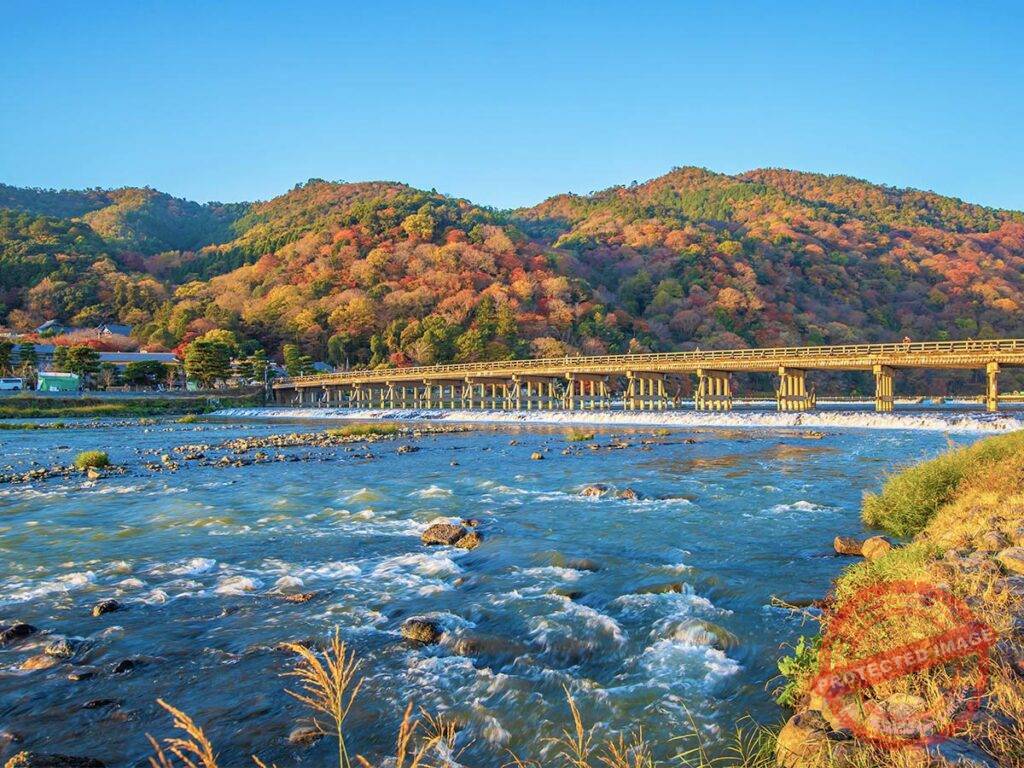
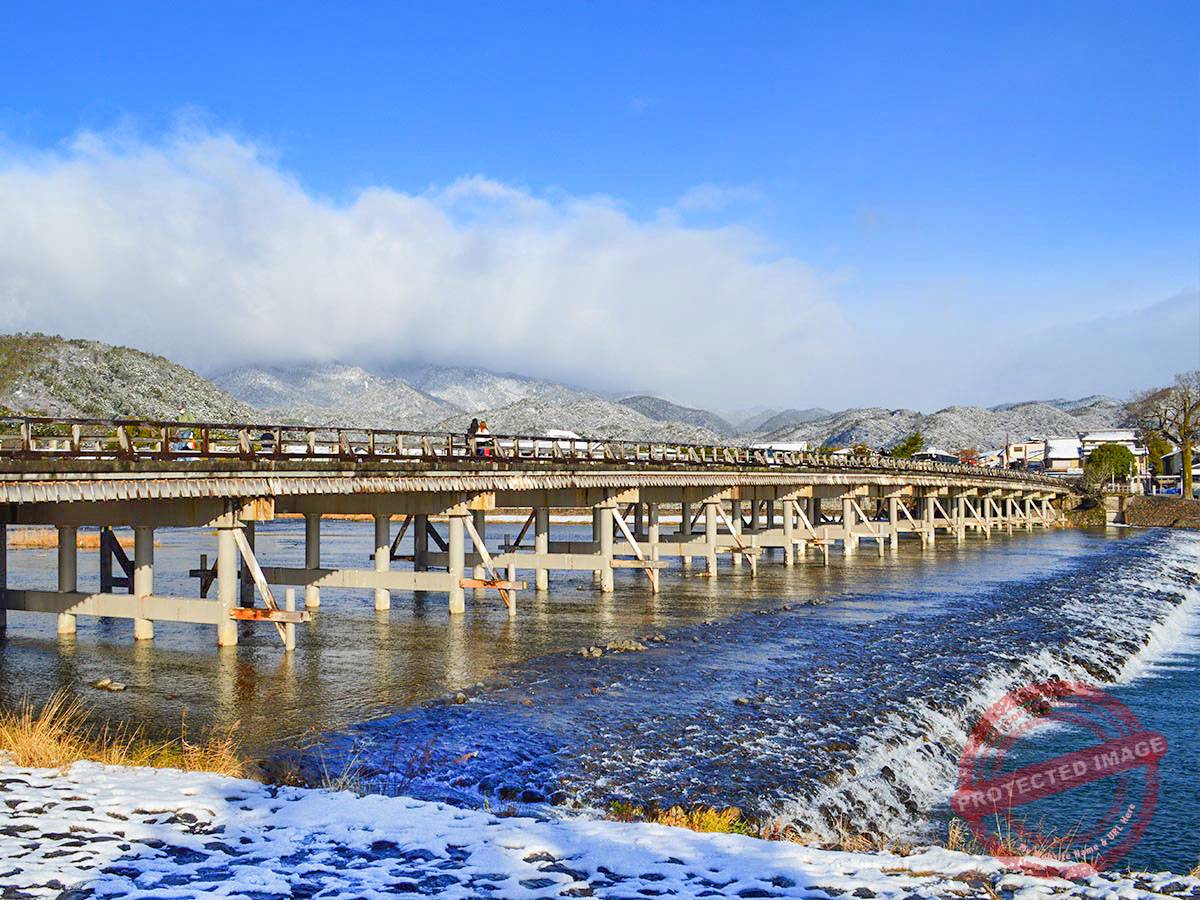
The Arashiyama district has served as a refined retreat for the Japanese imperial court and aristocracy since the Heian period. This long-standing cultural significance is anchored by the Togetsukyo Bridge, a 155-meter landmark that spans the Katsura River. While the current structure was reconstructed in 1934 using reinforced concrete, it preserves a traditional aesthetic with wooden railings that harmonize with the surrounding forested slopes. The bridge’s name translates to “Moon Crossing Bridge”, a reference attributed to Emperor Kameyama who remarked on the moon’s steady passage over the span during a night boating excursion.
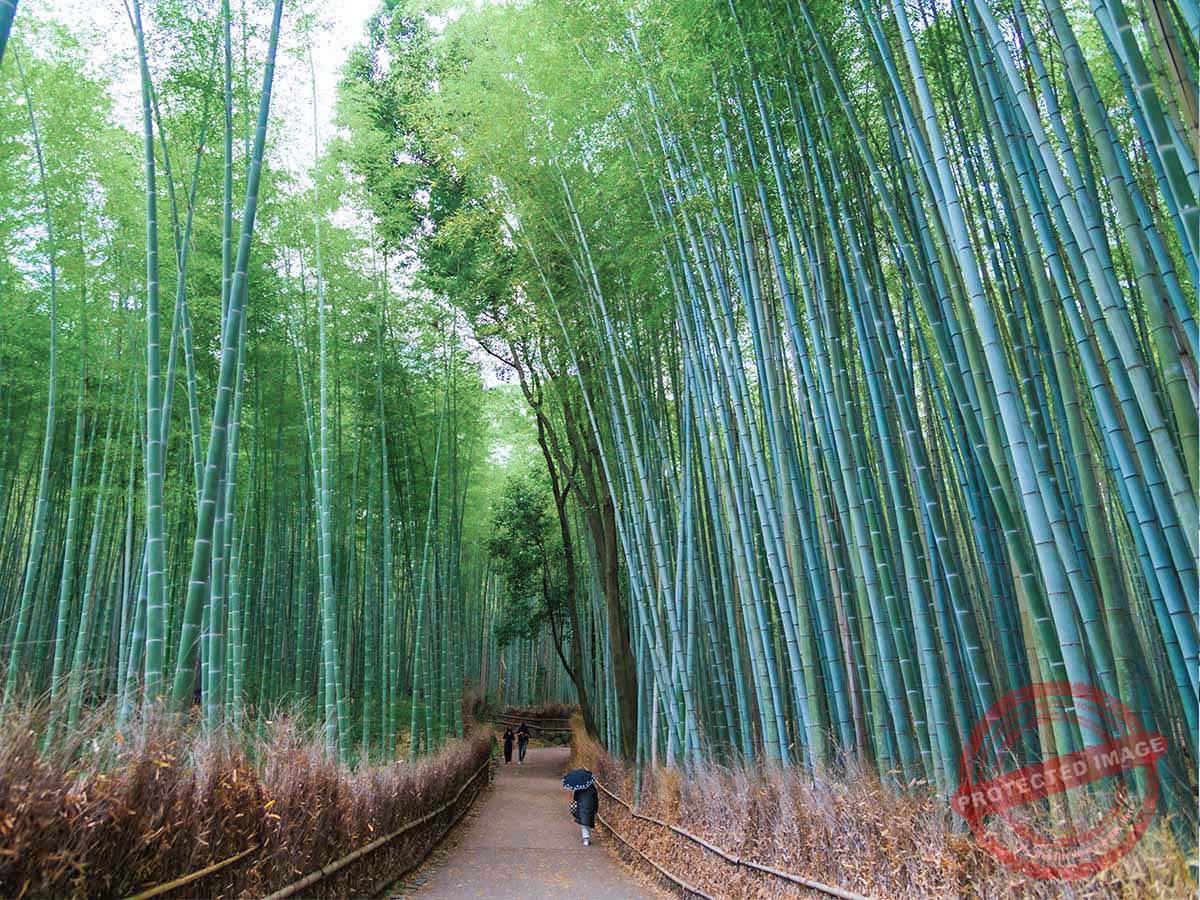
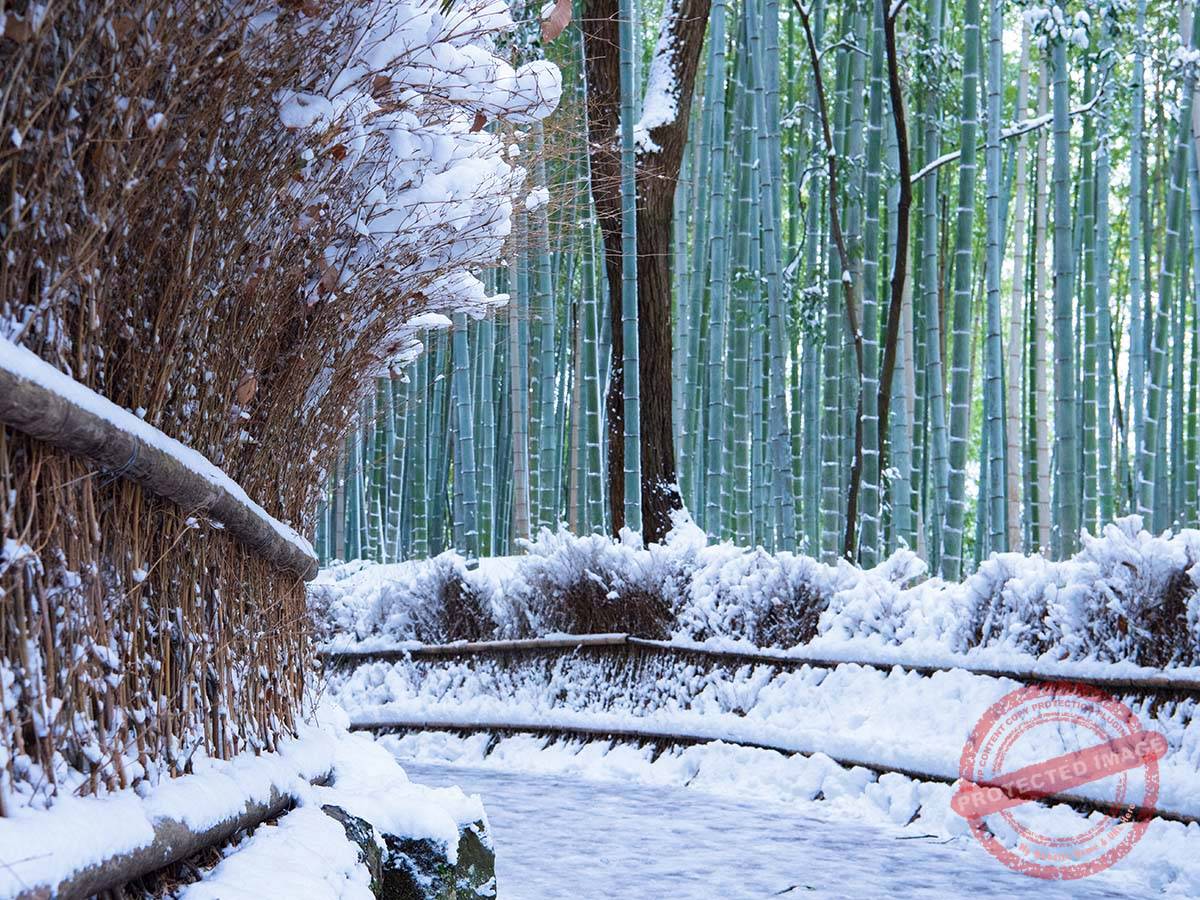
A short distance away, the Arashiyama Bamboo Grove Path offers a disciplined 200-meter walkway that has become a global symbol of Kyoto’s natural character. The path stretches from the north gate of Tenryuji Temple, a UNESCO World Heritage site, toward the historic Nonomiya Shrine. The atmosphere is defined by the verticality of the towering bamboo stalks and the filtered light that creates a sense of profound detachment from the modern world. The sound of the wind moving through the stalks is officially recognized by the Japanese Ministry of Environment as one of the “100 Soundscapes of Japan”. This auditory quality reinforces the grove’s status as a vital sensory anchor for heritage tourism.
The most visually compelling times to visit are during the spring cherry blossom season and the peak of autumn foliage in late November. During these periods, the landscape transforms into a vibrant display of pinks and fiery reds that contrast with the deep greens of the bamboo. For the discerning traveler, an early morning visit provides a composed environment to appreciate the intersection of Heian-era poetic tradition and the enduring beauty of the Kyoto shoreline.